

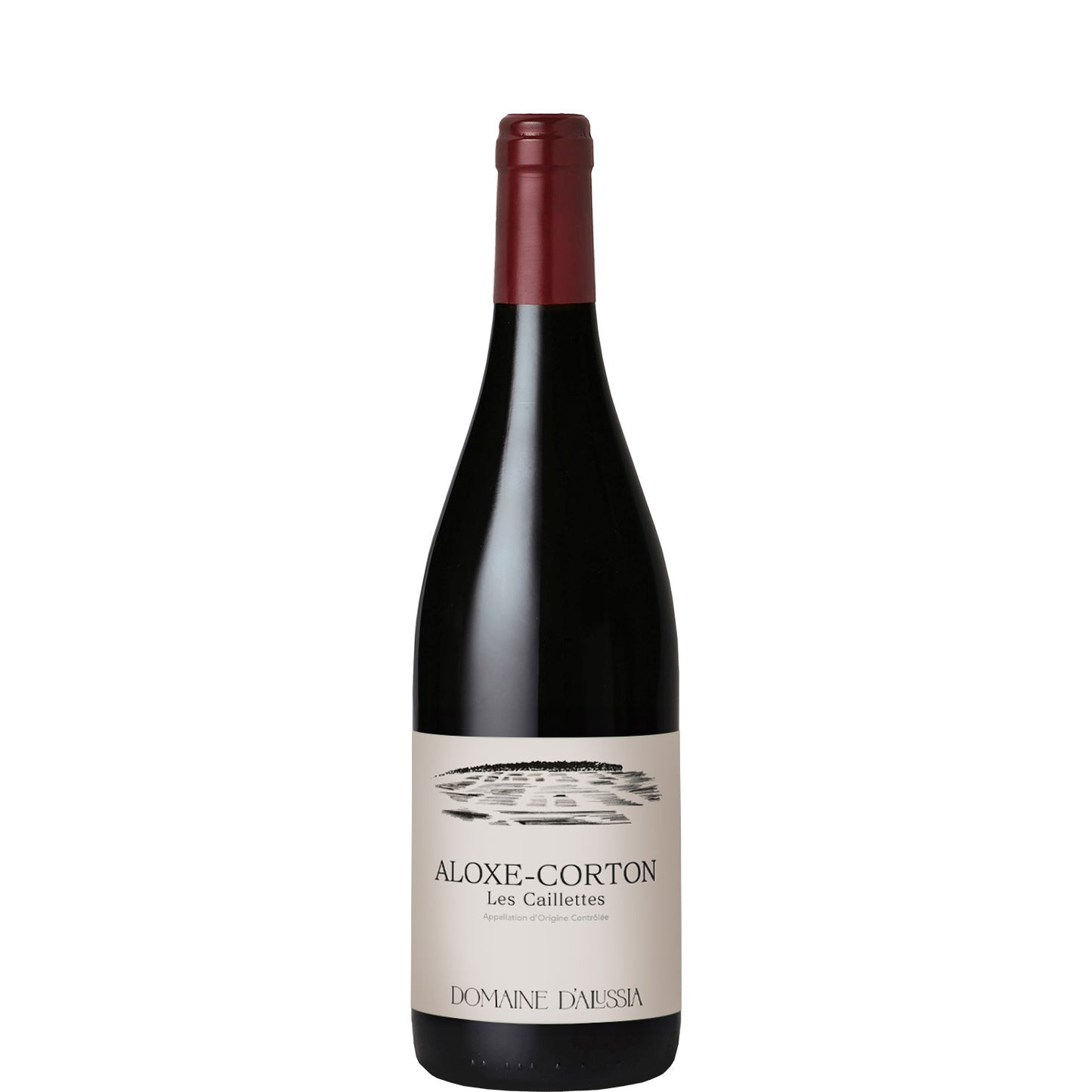
Aloxe-Corton 'Les Caillettes', Domaine d'Alussia, 2024
Aloxe-Corton 'Les Caillettes', Domaine d'Alussia, 2024
- 75cl
- 13%
- Red Still
- Pinot Noir
- Organic
Couldn't load pickup availability

Optimal drinking window: 2028 - 2038
Aloxe-Corton sits at the southern foot of the Corton hill, one of Burgundy's most quietly compelling villages — close enough to the grand crus to share their gravitas, but priced like a village wine. Domaine d'Alussia's 'Les Caillettes' is a lieu-dit on the gentler slopes, where the stony, iron-rich soils give the Pinot Noir a distinctly savoury, mineral edge.
"From a single barrel in 2024. Fully destemmed, unfined and unfiltered. Broad, rounded and quietly confident."
Stewart Pryce, Honest Grapes Wine Club Manager
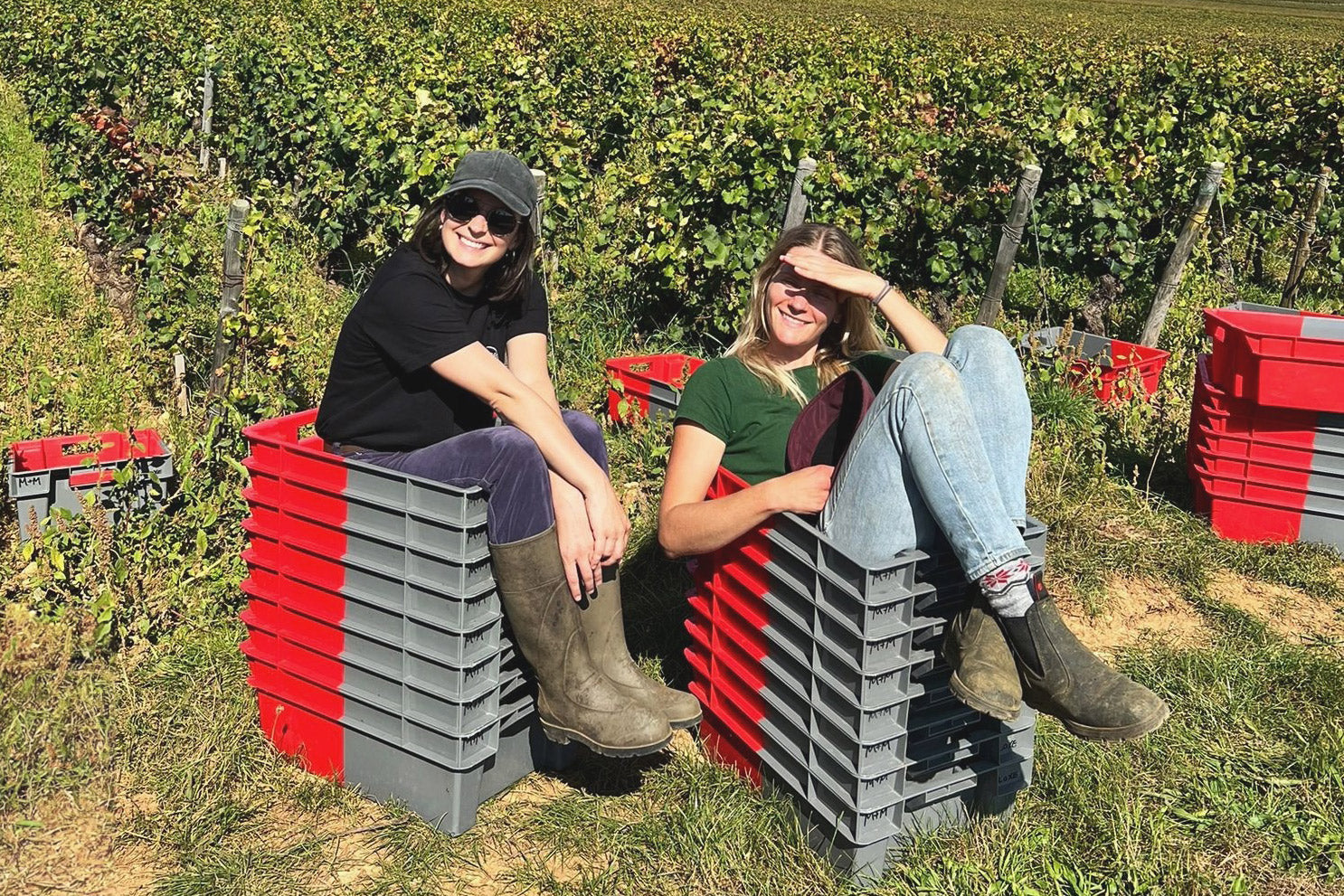
This was Alex’s first full solo vintage, and she has every reason to be pleased. The increasing use of clayver is not a gimmick here; it’s a clear stylistic choice aimed at preserving freshness in a warming climate. The 2024 vintage was brutal on paper and oddly compelling in the glass. The wines are expressive, finely textured and energetic, especially impressive given the conditions. Around 20% of production now comes from domaine fruit, and the direction feels confident and precise.
Right now, the 2024 is in its primary phase — all bright red fruit and firm structure, with the mineral complexity only just beginning to show itself. By 2028-2029 the tannins should have rounded, the fruit will deepen from cherry to something closer to red plum and dried rose petal, and the earthy, iron-driven character that defines Les Caillettes will start to come forward. The plateau of drinking pleasure will likely run from around 2029 to 2035, when the wine hits that sweet spot of integrated structure and secondary complexity.
Tasting Notes
AppearanceClear, mid ruby with a bright, youthful rim and no sign of age.
NoseRed cherry, wild strawberry, and a cool streak of iron and wet stone. There's a faint suggestion of dried thyme and forest floor beginning to emerge, but the fruit is still the lead act at this stage.
PalateMedium-bodied, with a clean, precise attack and bright acidity that keeps everything lifted. The tannins are firm but not harsh — classic Aloxe-Corton structure — with red fruits and a savoury, mineral thread running through to the mid-palate.
FinishLong, with a pleasingly dry, stony persistence and a faint peppery kick at the very end.
Overall impressionA tightly wound, mineral Pinot Noir that needs time but promises real complexity in the making.
Food Pairings
In the villages around Aloxe-Corton, this kind of wine would find itself at table with a poulet de Bresse roasted simply with butter and tarragon — the local obsession with quality ingredients over fussy technique. Jambon persillé, the cold pressed ham and parsley terrine found on every Burgundian Sunday lunch table, is a natural match for the wine's earthy, savoury character. Époisses, the famously pungent washed-rind cheese from nearby Brochon, sounds unlikely but works beautifully — the wine's acidity and structure cutting through the fat and funk. On a more everyday note, a plate of lentilles du Puy with smoked lardons and a fried egg would be perfectly at home alongside this.
We think this wine would go well with
Serve at around 15-16°C — cool enough to keep the acidity lively, but not so cold that the tannins tighten up and close the wine down. At this early stage, a 30-minute decant is worthwhile, opening up the nose and softening the edges without losing the freshness. A large-bowled Burgundy glass will let the more delicate aromatic register breathe; avoid anything too narrow.
Les Caillettes sits on the mid-to-lower slopes beneath the Corton hill, where the soils shift from the richer red marls higher up to a stonier, more limestone-dominant mix — 'caillettes' being a local nod to the small stones that litter the ground. This stony character drains well and keeps yields in check, pushing the vines to work for their water and concentrate flavour. The slope's gentle gradient means slightly more sun exposure than the cooler north-facing flanks, giving the fruit a touch more ripeness while the altitude and breeze preserve freshness and acidity.
Aloxe-Corton is a village appellation in the Côte de Beaune, sitting at the northern end where the hill of Corton — Burgundy's only red grand cru on this side of the slope — dominates the skyline. Village-level wines from here are often overshadowed by their illustrious grand cru neighbours (Corton, Corton-Charlemagne), but that proximity is a clue to their quality ceiling. The appellation rules require Pinot Noir for the reds, and the best village wines carry a signature earthiness and firm tannic grip that sets them apart from the softer, more immediately charming Côte de Beaune villages to the south.
The 2024 growing season in Burgundy was, frankly, a test of nerve. A wet spring brought significant mildew pressure, and vignerons who stayed sharp in the vineyard — working fast, keeping canopies open, reducing yields where necessary — came out the other side with something worth talking about. Summer brought warmer, drier conditions that helped the fruit recover composure, and harvest arrived broadly on the later side, with growers picking carefully to find phenolic ripeness without sacrificing freshness. Quantity was down across much of the Côte, which concentrates minds as much as it concentrates wine.
What emerged is a vintage that rewards those who put the work in. The Pinots we have tasted carry real precision and translucency — not because they are light, but because the acidity is lively and the fruit unforced. Chardonnays from the Côte de Beaune look particularly promising: taut, mineral, with genuine length. This is not a vintage to panic-open. Most village and premier cru reds want three to five years at minimum, with the better appellations drinking well until 2035 and beyond. The whites are more approachable now, though the best will reward patience too.
FAQs
What does this wine taste like?
It's a precise, mineral Pinot Noir with bright red cherry, dried herbs, and a firm stony backbone. Less about opulence, more about structure and a distinctly earthy, savoury character that's typical of the Aloxe-Corton slope.
When is the best time to drink it?
We'd hold off until at least 2028. The tannins are still firm and the fruit primary, but patience will be rewarded. It should drink well until around 2038, with its best years likely falling between 2029 and 2035.
Is it worth cellaring?
Yes, without question. The 2024 growing season produced wines built for the medium term — good acidity, firm structure, and the kind of mineral definition that tends to improve with a few years in bottle. It won't be a 20-year wine, but 8-10 years from release is a realistic and rewarding horizon.
What food works best with this wine?
Think classic Burgundian fare: roast chicken, jambon persillé, or lentils with smoked lardons. It's also excellent with mushroom-based dishes, where the wine's earthy character finds a natural echo on the plate. Hard to go wrong with a good roast.
How should I serve it?
Serve at around 15-16°C and decant for 30 minutes before pouring. A proper Burgundy glass — wide bowl, tapering rim — will give the aromatics room to open up. Don't serve it straight from the fridge or the tannins will feel harsh.
How does Les Caillettes compare to wines from the Corton grand cru?
The grand cru sits higher up the hill, with richer soils and more intense concentration. Les Caillettes, lower on the slope, has a lighter touch — more red fruit than dark, more elegance than power. Think of it as sharing the same mineral DNA but in a more approachable, village-scale register. And at a fraction of the price.
Explore related wines


What are you looking for tonight? Tell me the occasion, a grape, a region — or just try a suggestion below.
Your recommendations will appear here.
-
-
Speak to one of our Wine Gurus
Speak to a Wine GuruWith years of experience, our team can help you with all your wine buying and selling needs