
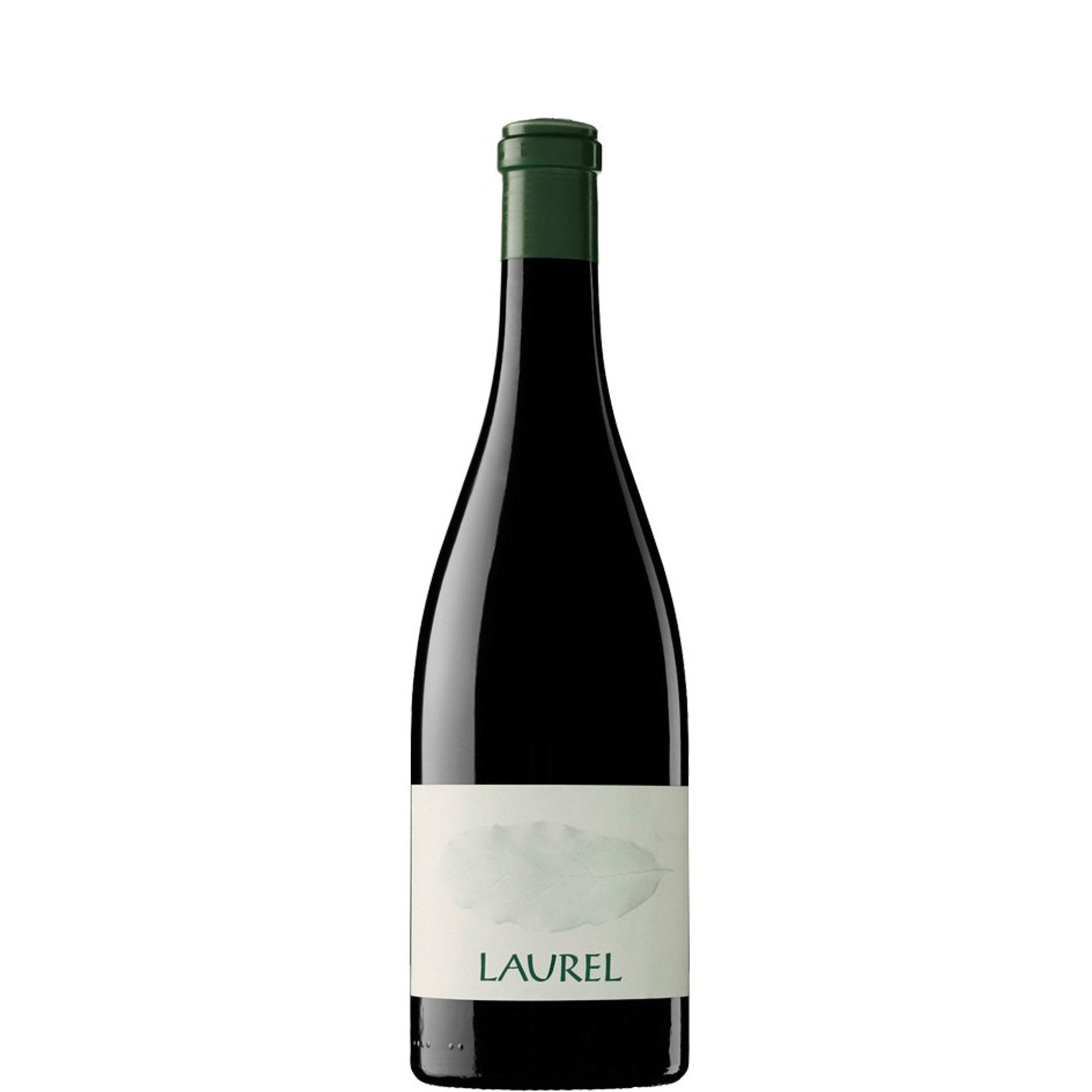
Clos I Terrasses, Laurel, 2019
Clos I Terrasses, Laurel, 2019
- 75cl
- 15%
- Red Still
- Grenache, Syrah
- Organic
- Vegetarian
- Vegan
Couldn't load pickup availability

Optimal drinking window: Now - 2035
About Clos I Terrasses, Laurel, 2019
The Laurel is the estate’s marvellous second wine (although this is more like a Forts de Latour or Carruades de Lafite than a mere second label!), which is also on fine form in 2019.
If you like rich, southern Rhone-ish style wines but also appreciate freshness and balance, if you like round, supple, velvety tannins, and wines with spicy, high-toned cassis and forest fruit character, if you like wines from exciting, up-and-coming regions with exceptional critical ratings at unexpectedly reasonable prices, in other words if you like wine...then you should really take a case or three of this!
Currently showing its primary fruit character with good integration but still quite youthful and structured. Over the next 3-5 years, the abundant tannins will soften and the mineral complexity will become more pronounced, while the spicy herb notes develop greater nuance. The wine should reach its optimal drinking window around 2030-2035, when the power and elegance achieve perfect balance.
What the critics say:
"The 2019 Laurel is quite closed and shows serious and shy. It's made with all the grapes that are not used for Clos Erasmus—young vines, the remaining Cabernet Sauvignon (no more than 5%), mostly Garnacha and some 15% Syrah. The wine matured mostly in 2,000-liter oak vats, concrete and some barrels (she's abandoning the tinaja). It's 15% alcohol but has very good freshness. The wine is round and powerful but very harmonious and with good freshness. It's medium to full-bodied and nicely textured, with abundant, glossy tannins and fantastic balance. This is both powerful and elegant. It slowly opens up in the glass to ripe berries, spice and herbs and a touch of smoke. 18,700 bottles produced. It was bottled in May 2021."
Tasting Notes
AppearanceDeep garnet with a glossy, almost opaque core and purple highlights at the rim.
NoseInitially closed but gradually reveals ripe cassis and dark forest berries with distinctive Priorat minerality. Spicy herbs emerge with time, along with subtle smoke and a touch of Mediterranean garrigue. The alcohol is well-integrated despite the 15% strength.
PalateRound and powerful with remarkable harmony for such a concentrated wine. The tannins are abundant but glossy and velvety, providing structure without aggression. Dark berry fruit mingles with spice, herbs, and that characteristic slate minerality that marks great Priorat.
FinishLong and mineral-driven with persistent spice and a lovely smoky echo that lingers beautifully.
Overall impressionThis captures everything exciting about modern Priorat - power with elegance, richness with freshness.
Food Pairings
In Priorat, this would be the perfect match for hearty Catalan cuisine like wild boar stew with chestnuts or lamb shoulder roasted with rosemary and garlic. The locals might pair it with conill amb cargols (rabbit with snails), a regional speciality that echoes the wine's earthy, mineral character. Aged Manchego or the local Garrotxa goat's cheese would complement the wine's structure beautifully. The traditional pa amb tomàquet (bread rubbed with tomato and olive oil) topped with jamón ibérico makes an ideal casual pairing that lets the wine's spicy, herb-driven character shine.
We think this wine would go well with
Serve at 16-18°C to allow the complex aromatics to fully express themselves. Decant for at least an hour - this wine is quite closed initially and really benefits from air to reveal its layers of spice and minerality. Use large Burgundy bowls rather than Bordeaux glasses to capture the wine's aromatic complexity. If you're drinking it young, consider decanting 2-3 hours ahead as it continues to evolve beautifully in the decanter.
The vineyards sit on Priorat's signature llicorella - a unique slate and quartz soil that forces vines to dig deep for nutrients, naturally limiting yields and concentrating flavours. The schist reflects heat during the day and retains it at night, helping ripen the thick-skinned Garnacha while the altitude and mountain winds preserve crucial acidity. This combination of poor soils, extreme slopes, and dramatic diurnal temperature swings creates wines of remarkable intensity and mineral complexity that are unmistakably Priorat.
Priorat DOCa is one of only two Spanish regions to hold the prestigious Denominació d'Origen Calificada status, alongside Rioja. Located in Catalonia's mountainous interior, it was virtually abandoned until the 1980s when visionary winemakers like René Barbier and Daphne Glorian recognised its potential. The regulations mandate low yields and traditional varieties, primarily Garnacha and Cariñena, though international grapes like Syrah and Cabernet Sauvignon are permitted. What distinguishes Priorat from its neighbours is the llicorella slate soils and the amphitheatre-like topography that creates dozens of distinct microclimates within this compact region.
The 2019 vintage in Catalonia delivered exactly what the region's winemakers were hoping for after a string of challenging years. Spring arrived with steady rainfall that replenished the soils, followed by a warm, dry summer that allowed the grapes to ripen slowly and evenly. The harvest stretched longer than usual, giving producers the luxury of picking each plot at optimal ripeness rather than racing against the weather.
What emerged from the cellars shows Catalonia at its most confident. The reds have a lovely balance of ripe fruit and freshness that makes them approachable young, whilst the structure suggests they'll develop beautifully over the next decade. Garnacha shines particularly bright this vintage, showing the variety's ability to be both generous and refined when treated with respect. Most 2019s are drinking superbly now and will continue to reward patience until 2030.
FAQs
What does this wine taste like?
Rich and spicy with dark cassis and forest berries, supported by velvety tannins and distinctive slate minerality. Think southern Rhône richness with Priorat precision.
When should I drink this wine?
Approachable now after decanting, but will reward patience. It's drinking beautifully through 2038, with peak years likely around 2030-2035.
What food pairs well with this wine?
Perfect with roasted red meats, game, or aged hard cheeses. Try it with lamb, wild boar, or even hearty vegetarian dishes with mushrooms and herbs.
Should I decant this wine?
Absolutely. Decant for at least an hour, preferably 2-3 hours if drinking young. It's quite closed initially and really opens up with air.
Is this wine worth cellaring?
Definitely. While enjoyable now, it has the structure and complexity to develop beautifully over the next 12+ years, reaching its peak around 2030-2035.
How does this compare to the estate's top wine?
The Laurel uses fruit not selected for Clos Erasmus, but it's a second wine in the finest tradition - think Carruades de Lafite rather than a basic cuvée. Exceptional quality at a more approachable price.


What are you looking for tonight? Tell me the occasion, a grape, a region — or just try a suggestion below.
Your recommendations will appear here.
-
-
Speak to one of our Wine Gurus
Speak to a Wine GuruWith years of experience, our team can help you with all your wine buying and selling needs