

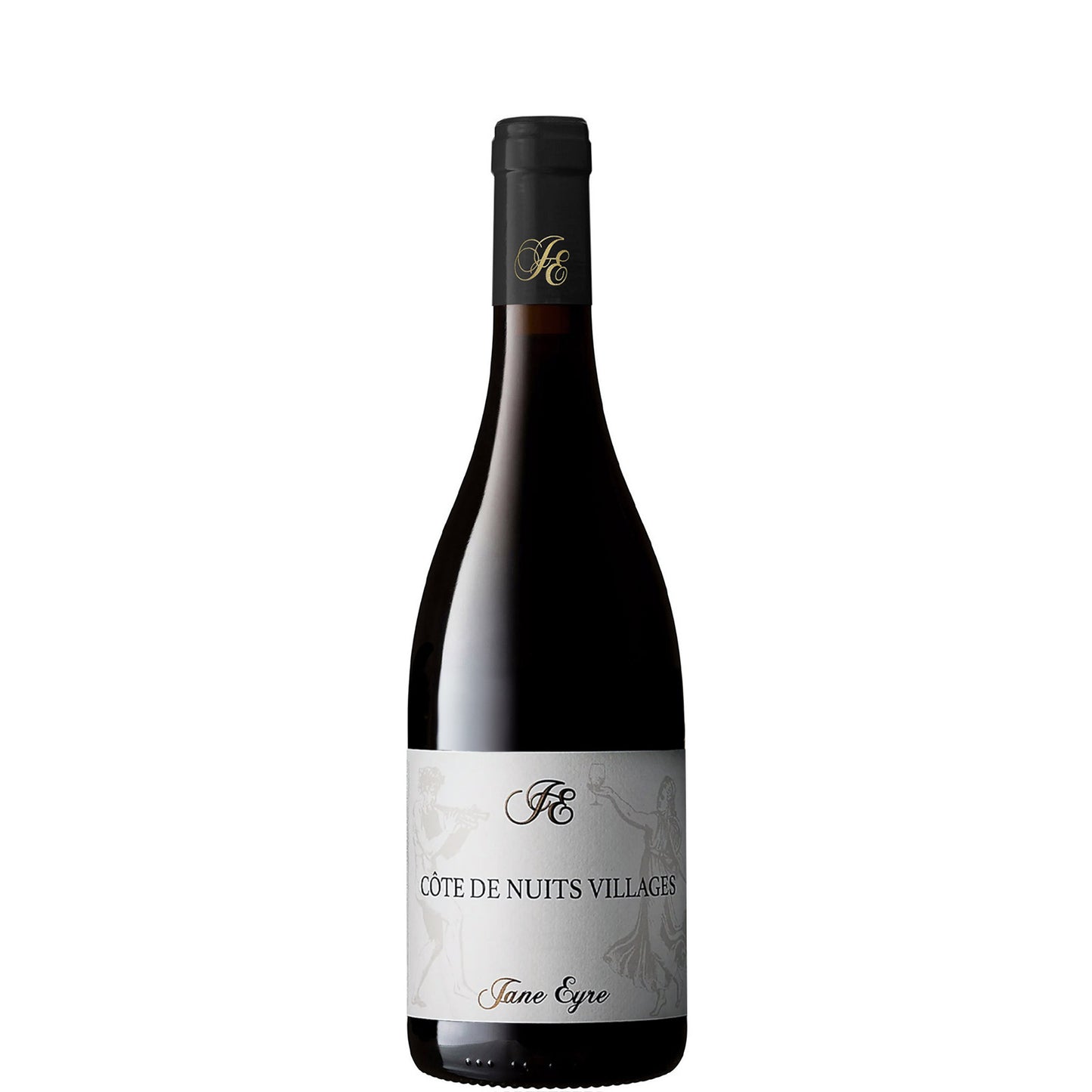
Côtes De Nuits Villages, Jane Eyre, 2020
Côtes De Nuits Villages, Jane Eyre, 2020
- 75cl
- 13.5%
- Red Still
- Pinot Noir
Couldn't load pickup availability

Optimal drinking window: Now - 2032
About Côtes De Nuits Villages, Jane Eyre, 2020
"This is a confident start to the range, the wine inky purple in the glass, and vibrant aromas of juniper, some graphite and morning quarry, plus ripe and spicy red fruits too. The palate shows darker, deeper berry fruits, which are juicy, rich and chocolatey, seriously intense, but fresh too with a spicy edge to the tannins and acidity to match. From two parcels in Comblanchien, using 45% wholes bunches and aged in five hundred litre barrels."
Tom, Head Wine Guru
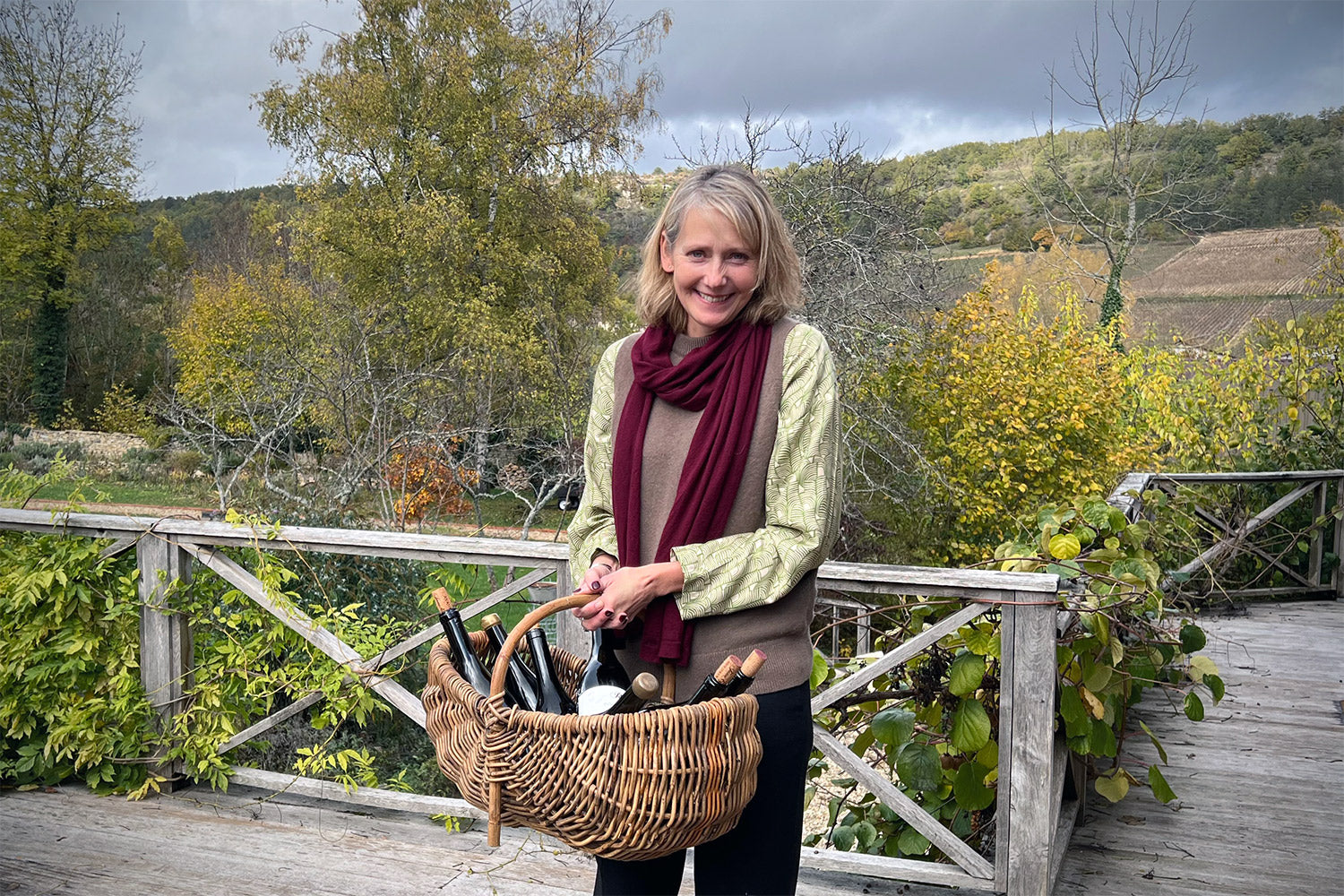
We have a slightly more limited range to offer you from 2020 as several of Jane's contracts were not renewed this year (including the Chassagne Montrachet and Santenay 1er Cru) and overall yields were down. However what is lacking in quantity is more than made up for in quality.
Jane began the harvest on 27th August, later than some, but there is no lack of freshness or tension in the wines. They are certainly rich and definitely age-worthy, but still show her trademark supple tannins, perfumed fruit and approachability.
Right now the 2020 is in an expressive, fruit-forward phase — the dark berry fruit is vivid and the whole-bunch spice is clearly defined. Over the next two to three years that primary fruit will begin to integrate, and some earthy, sous-bois complexity should start to emerge around 2028-2029. The wine's natural acidity and firm tannin structure suggest it will plateau somewhere around 2030-2032, holding that balance of fruit and secondary character for several years.
Tasting Notes
AppearanceDeep inky purple with a lively violet rim — more saturated than you'd expect from this level of Burgundy.
NoseJuniper and a cool graphite minerality lead, the kind of stony, almost quarry-like quality that makes sense once you know it comes from Comblanchien. Ripe red and dark fruits come through underneath — spiced cherry, blackberry — with the whole-bunch element adding a subtle herbal lift.
PalateDarker than the nose suggests: rich, juicy black fruit with a chocolatey depth that stops short of heaviness because the acidity holds it honest. The tannins have a pleasing spice to them, firm but supple, and the whole-bunch stems add grip and freshness in equal measure.
FinishLong, mineral, and gently spiced, with that stony Comblanchien character lingering well after the fruit has faded.
Overall impressionA seriously satisfying village Burgundy that earns its price several times over.
Food Pairings
In the villages of the Côte de Nuits, this kind of wine would find its way to the table alongside boeuf bourguignon, the slow-braised beef absorbing the same earthy, spiced quality the wine carries. Coq au vin is the other obvious answer — the dark fruit and firm tannins cut through the richness beautifully. Further north in Dijon, the local mustard turns up everywhere: a rack of lamb with a Dijon and herb crust is a genuinely excellent match for the spice and grip here. Époisses, the pungent washed-rind cheese of the region, is a classic pairing that sounds alarming but works a treat.
We think this wine would go well with
Serve at around 16-17°C — cool enough to keep the freshness alive, warm enough to let the darker fruit open up. A 30-minute decant will help this show its best right now, softening the tannins and coaxing out that juniper and graphite character on the nose. A standard Burgundy glass with a generous bowl is ideal; it lets the aromatics gather before they reach you.
The grapes for this wine come from two parcels in Comblanchien, a village at the southern end of the Côte de Nuits sitting on pale, iron-rich limestone and clay soils. Comblanchien is better known for its quarry stone than its wine, which gives you some clue about the mineral backbone it imparts. The vineyards here sit at the transition point between the grand Côte de Nuits to the north and the flatter, broader Côte de Beaune to the south, producing Pinot Noir with a darker, more structured character than the lighter villages above.
Côtes de Nuits Villages is the catch-all appellation covering vineyards at the northern and southern fringes of the Côte de Nuits, with the permitted villages being Fixin, Brochon, Prissey, Comblanchien, and Corgoloin. It sits below village-level appellations like Gevrey-Chambertin or Nuits-Saint-Georges in the hierarchy, but the best examples — particularly those from serious growers working specific parcels — punch well above that status. The rules permit only red wine from Pinot Noir (with a tiny allowance for white), and yields are capped at 47 hectolitres per hectare. Think of it as the Côte de Nuits's secret stash: honest, characterful Burgundy without the eye-watering price tag.
The 2021 growing season in Burgundy started badly and got worse before pulling off one of wine's great escapes. Spring frost in April devastated vineyards across the Côte d'Or, followed by a summer that alternated between biblical downpours and scorching heat. Many producers lost 50% or more of their crop to the frost alone, then watched hail batter what remained in some unlucky villages. By August, with rot creeping through rain-soaked vineyards, even the most optimistic vignerons were writing off the vintage.
What emerged from this chaos surprised everyone: wines with remarkable freshness and purity, if you can find them. The tiny yields meant those grapes that survived were intensely concentrated, while the September sunshine saved the day with perfect ripening conditions. We find the reds show beautiful fruit clarity without heaviness, drinking with an immediacy that makes them irresistible now but promising a decade or more of evolution. The whites are particularly stunning, with a mineral intensity that cuts through their richness. Yes, there's not much 2021 Burgundy about, and yes, it's expensive, but this is one of those vintages where disaster bred greatness.
FAQs
What does this wine taste like?
Think dark cherry and blackberry with a stony, almost quarry-like mineral quality, a touch of juniper, and a chocolatey depth that never tips into heaviness. The tannins have a pleasant spice to them and the acidity keeps everything fresh and lively.
When is the best time to drink it?
It is drinking well now and will continue to do so until around 2032. If you have the patience, another two or three years in the cellar will add some earthy, secondary complexity — but there is nothing wrong with opening a bottle tonight.
What food should I pair it with?
Anything slow-braised and rich: boeuf bourguignon, coq au vin, or a rack of lamb with Dijon and herbs. It also holds its own against strong, washed-rind cheeses like Époisses if you are feeling adventurous.
Is this worth cellaring?
Yes, genuinely. The 2020 vintage in Burgundy produced wines with real structure and freshness beneath their richness, and this one has the tannin and acidity to develop well. Best enjoyed between now and 2032, with the sweet spot likely around 2028-2030.
How should I serve it?
Serve at around 16-17°C and give it a 30-minute decant if you can. A standard Burgundy glass with a wide bowl will let the aromatic character — the juniper, the graphite, the spiced fruit — gather properly before it reaches you.
Why is the 2020 range from Jane Eyre more limited than usual?
Several of Jane's vineyard contracts were not renewed in 2020, and overall yields were down across the vintage. The upside is that the wines she did make are among her most concentrated and rewarding — this Côtes de Nuits Villages included.
Explore related wines


What are you looking for tonight? Tell me the occasion, a grape, a region — or just try a suggestion below.
Your recommendations will appear here.
-
-
Speak to one of our Wine Gurus
Speak to a Wine GuruWith years of experience, our team can help you with all your wine buying and selling needs