

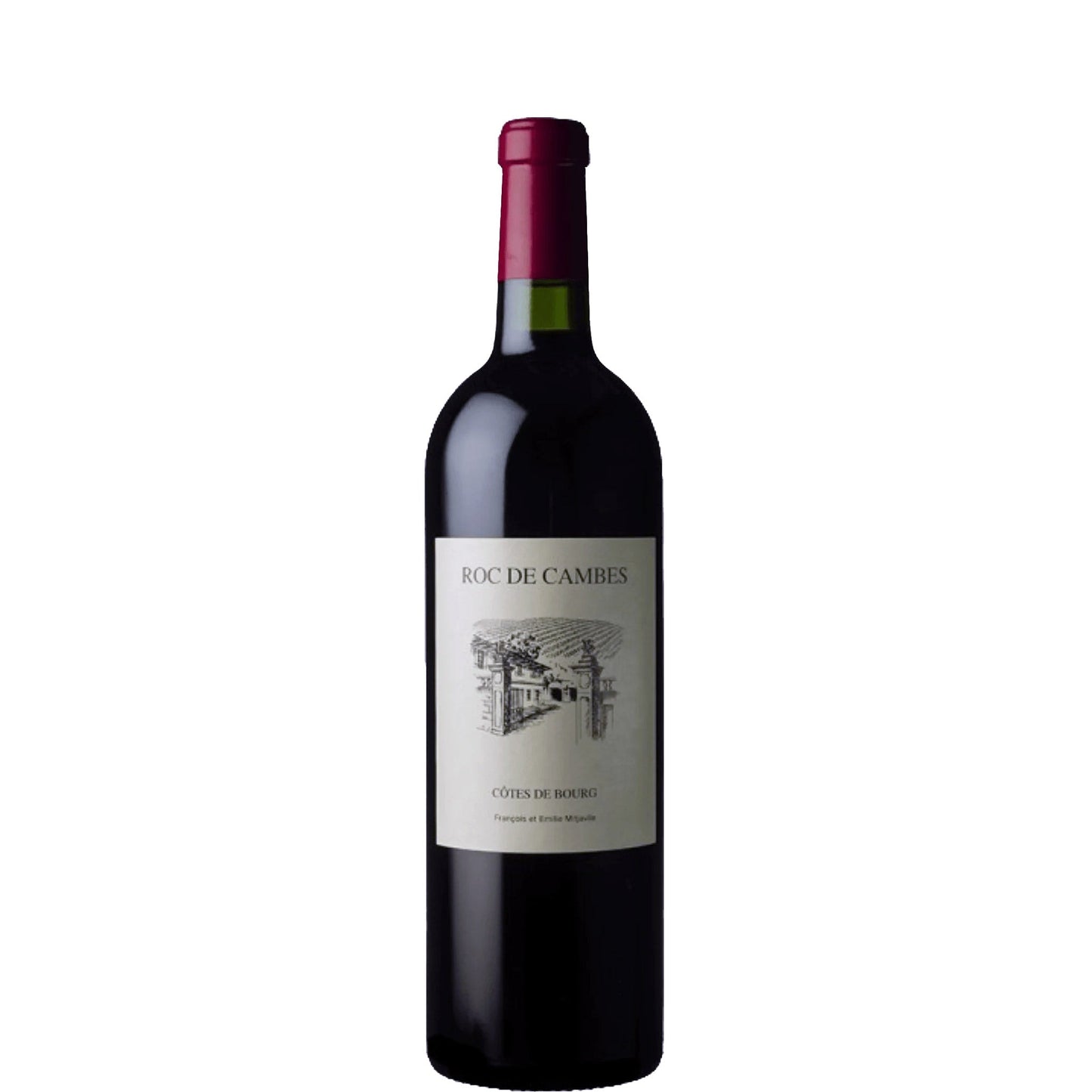
François Mitjavile, Roc De Cambes, 2020
François Mitjavile, Roc De Cambes, 2020
- 75cl
- 14%
- Red Still
- Merlot, Cabernet Sauvignon
Couldn't load pickup availability

Optimal drinking window: Now - 2040
Tucked away in the Côtes de Bourg, this small estate punches well above its weight, producing wines with the depth, texture, and complexity you’d expect from top Right Bank châteaux—just without the big-name price tag.
Mitjavile is something of a cult figure in Bordeaux, known for his meticulous, instinctive approach in both vineyard and cellar. He treats Roc de Cambes with the same care and philosophy as his famed Tertre Roteboeuf in Saint-Émilion: low yields, late harvesting for maximum ripeness, and a gentle, hands-off touch in the winery.
Currently in its primary phase, the 2020 is showing vibrant fruit but keeping its more complex characteristics tightly wound. Around 2029-2030, we expect the powdery tannins to integrate fully with the fleshy fruit core, revealing the exotic secondary notes that critics are already detecting. The wine should reach its peak between 2032-2038, when the Cabernet character will have mellowed while retaining the bright acids that give it energy. The limestone terroir suggests this will age gracefully, with tertiary complexity emerging in the early 2040s before a gentle decline.
What the critics say:
"The 2020 Roc de Cambes is a potent, reticent wine that is going to need at least a few years to come into its own. Bright red-toned fruit, crushed flowers, blood orange, mint and dried herbs open first. Vibrant acids and open-knit aromatics lend energy as the 2020 gradually unfurls in the glass, with the Cabernet very much driving the flavor profile and overall feel. This exotic beauty is a total stunner. Give it time, though."
"Broad and concentrated, the 2020 Roc de Cambes unwinds in the glass with aromas of cassis, plums, wood smoke, violets and espresso roast. Medium to full-bodied, rich and velvety, with a fleshy core of fruit and powdery structuring tannins, this is the most muscular wine in Mitjaville's cellar."
Tasting Notes
AppearanceDeep ruby-purple with excellent concentration and a vibrant rim.
NoseInitially reticent, revealing bright red-toned fruit, crushed violets, and blood orange with time. Mint, dried herbs, and a hint of wood smoke emerge as it opens, with the Cabernet character very much in evidence. The aromatics are exotic and open-knit, lending energy to the overall profile.
PalateMedium to full-bodied with a fleshy core of cassis and dark plums wrapped in powdery, structuring tannins. The texture is rich and velvety despite the wine's obvious power, with vibrant acids providing lift and precision. Espresso roast and mineral notes add complexity to the concentrated fruit.
FinishLong and muscular with lingering dark fruit, herbs, and a mineral persistence that speaks to the limestone soils.
Overall impressionA potent, exotic beauty that demands patience but promises exceptional rewards for those who wait.
Food Pairings
In the Côtes de Bourg, this muscular red would traditionally accompany the region's hearty cuisine—slow-braised beef with shallots and red wine, or côte de boeuf grilled over vine cuttings. The local lamb from the salt marshes near the estuary makes an exceptional pairing, particularly when roasted with garlic and herbs from the hillside gardens. Aged cheeses from nearby farms, especially the firm cow's milk varieties, complement the wine's power and complexity. The wine's structure also suits the game birds that frequent the region's wooded valleys, prepared simply to let both wine and meat shine.
We think this wine would go well with
Serve at 17-18°C to allow the complex aromatics to fully express themselves. Decant for at least two hours—this reticent wine needs time and air to reveal its exotic character and velvety texture. Use large Bordeaux glasses to give the concentrated fruit and mineral complexity room to develop. If drinking before 2030, consider decanting even longer or double-decanting to help soften the muscular tannins.
The Roc de Cambes vineyard sits on the slopes of the Côtes de Bourg, where limestone and clay soils provide excellent drainage while retaining enough moisture for the vines during dry spells. The elevated position catches cooling breezes from the Gironde estuary, helping to preserve acidity even in warm vintages like 2020. These well-exposed hillside sites allow Mitjavile to harvest later than many neighbours, achieving the full physiological ripeness that defines his style. The terroir produces wines with natural concentration and the mineral backbone that allows them to age gracefully.
The Côtes de Bourg is one of Bordeaux's most underrated appellations, producing serious reds from hillside vineyards overlooking the Gironde. The regulations permit the classic Bordeaux varieties—Merlot, Cabernet Sauvignon, and Cabernet Franc—with many producers favouring Merlot for its success on the clay-limestone soils. While historically overshadowed by the prestigious Left Bank communes, the Côtes de Bourg offers exceptional value, with estates like Roc de Cambes proving the appellation can produce wines that rival much more famous addresses. The cooler hillside sites often produce wines with better natural acidity than their flatland neighbours.
The 2020 Bordeaux vintage began with one of the wettest winters on record, followed by a scorching summer that nearly broke temperature records across the region. What could have been a disaster became salvation: those deep winter water reserves carried the vines through the heat, while the dry conditions from July onwards concentrated flavours beautifully. The harvest started early and moved quickly, with most châteaux picking under ideal September skies.
We find 2020 Bordeaux surprisingly charming for such a hot year - the wines show ripe, generous fruit without the baked character you might expect. The Merlot-based Right Bank wines are particularly successful, displaying plush damson and blackberry flavours with enough freshness to keep them lively. Cabernet Sauvignon on the Left Bank delivers power and concentration, though some properties struggled more than others with the heat. Most 2020s are drinking beautifully now - this isn't a vintage that demands decades of patience, and we rather like that about it.
FAQs
What does this wine taste like?
Rich and muscular with cassis, blood orange, and violets, plus exotic herbs and mineral complexity. The texture is velvety despite obvious power, with firm tannins that need time to integrate.
When should I drink this wine?
This is built for patience—wait until at least 2029 for the tannins to soften, with peak drinking between 2032-2038. It will remain excellent until 2042.
What food pairs well with this wine?
Perfect with slow-braised beef, roasted lamb with herbs, or aged hard cheeses. The wine's power and structure make it ideal for rich, hearty dishes.
Should I decant this wine?
Absolutely—decant for at least two hours, longer if drinking before 2030. This reticent wine needs air to show its exotic character and velvety texture.
Is this wine worth cellaring?
Definitely. This is Mitjavile's most muscular wine and built for the long haul. Patient collectors will be rewarded with exceptional complexity as it develops over the next 15-20 years.
How does this compare to famous Bordeaux châteaux?
It offers the depth and complexity of top Right Bank estates at a fraction of the price. Mitjavile applies the same meticulous approach here as at his cult Saint-Émilion property.

OUR GROWERS
François Mitjavile


What are you looking for tonight? Tell me the occasion, a grape, a region — or just try a suggestion below.
Your recommendations will appear here.

-
-
Speak to one of our Wine Gurus
Speak to a Wine GuruWith years of experience, our team can help you with all your wine buying and selling needs