

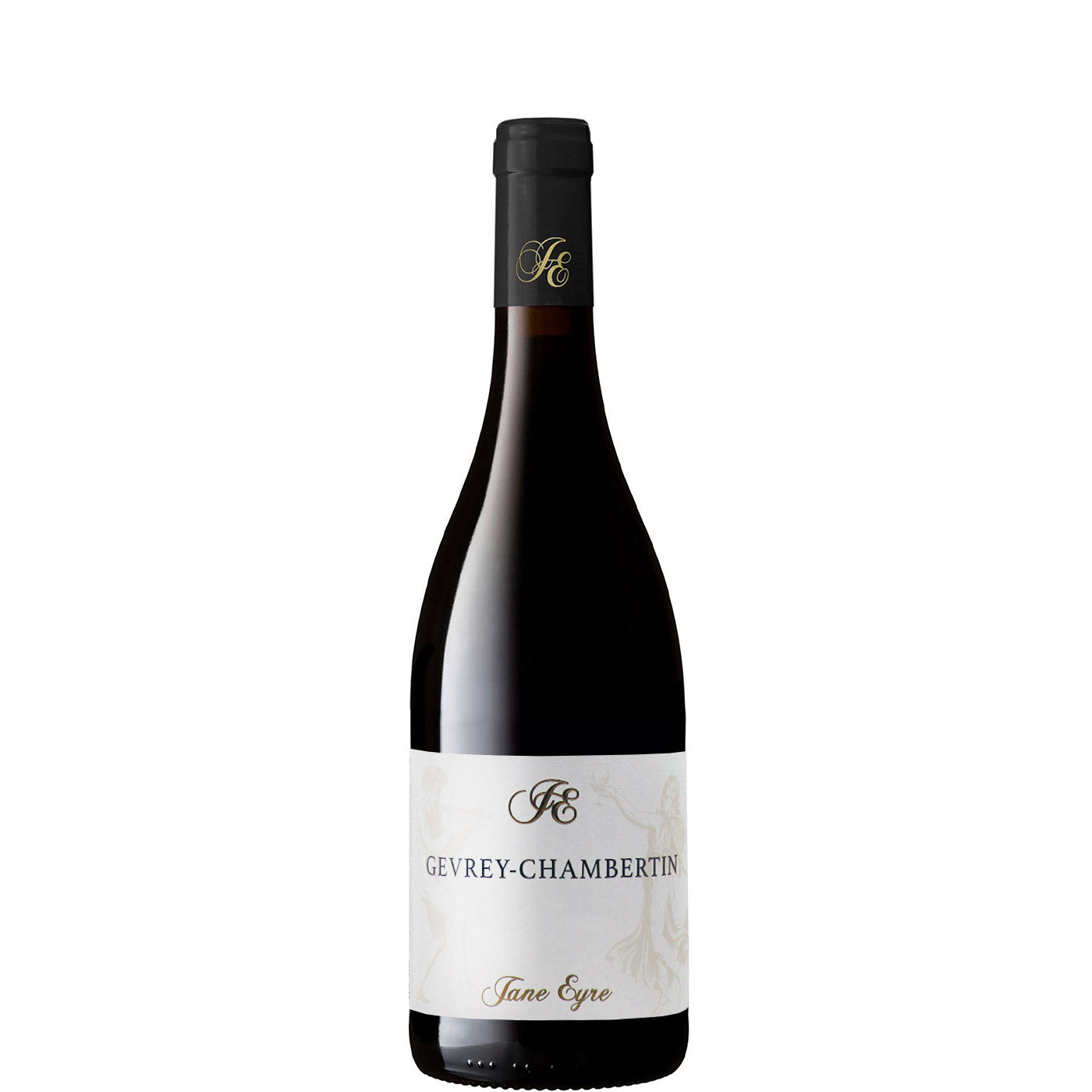
Gevrey-Chambertin, Jane Eyre, 2023
Gevrey-Chambertin, Jane Eyre, 2023
- 75cl
- 13.5%
- Red Still
- Pinot Noir
Couldn't load pickup availability

Optimal drinking window: 2026 - 2040
The 2023 vintage at Jane Eyre Wines continues the tradition of producing refined and expressive wines with hallmark precision. Like 2022, 2023 was shaped by a warm growing season, but with the significant difference of ample rainfall when needed, keeping the soils well-nourished. The reds display lovely perfume, aromatics, and depth—qualities Jane prioritises in her Pinot Noirs.
"Perfumed and refined, this wine blends bright red fruits—raspberries and currants—with floral notes of violets. Sweet red fruit fills the palate, supported by muscular yet smooth tannins, making it both elegant and approachable."
Our note
Jane’s use of whole-cluster fermentation increased in 2023, coupled with colder soaks at the start of fermentation. This approach has resulted in wines with richer colours and enhanced complexity. While the vintage is already showing expressive youthful charm, it also holds great potential for aging, making 2023 both approachable and collectible.
Currently showing lovely youthful charm with bright primary fruit dominating, but the structure suggests excellent development ahead. Over the next 3-4 years, the red fruit will integrate with emerging earth and spice notes as the whole-cluster influence becomes more harmonious. By 2030, expect secondary complexity to develop with forest floor, mushroom, and subtle game notes joining the fruit.
What the critics say:
"A fine brisk ruby, lively red fruit, on the raspberry strawberry cusp. The fruit builds very nicely across the mid palate, just a little youthful bitterness, some crunchy fruit at the back, very elegant finish. 4/5 stars"
"Mid ruby. Refined nose of cherry and strawberry. Quite ample on the palate with ripe texture and quite concentrated. Finishes fine and light-footed."
Tasting Notes
AppearanceMedium ruby with a garnet edge beginning to show.
NoseRed and dark cherry mingle with crushed stone, dried thyme, and a faint whiff of game. There's a savoury edge here that marks this out as proper Gevrey rather than anything prettified.
PalateFirm, fine-grained tannins frame red fruit and a distinct iron-like minerality. The acidity is bright and the body medium, with real grip through the midpalate.
FinishLong, dry, and savoury, with a lingering note of forest floor.
Overall impressionStructured, serious Pinot Noir that asks for time and a good piece of meat.
Food Pairings
In Gevrey itself, this would happily sit alongside boeuf bourguignon, the classic marriage of Pinot Noir and slow-braised beef in its own wine. Coq au vin is another natural partner, as is a simple roast guinea fowl with wild mushrooms foraged from the surrounding Burgundian woodland. Local Époisses cheese, pungent and washed-rind, is a bolder but beloved match for those who like their pairings with a bit of drama. Even a humble dish of lentils with lardons does more justice to this wine than anything delicate or creamy.
We think this wine would go well with
Serve at 16-17°C, slightly cooler than room temperature, to keep the tannins in check and the aromatics lifted. Decant for 30-45 minutes if opening young, which helps soften that initial firmness. A Burgundy glass with a generous bowl is essential, giving the wine room to breathe and show its savoury complexity.
Gevrey-Chambertin sits on the Côte de Nuits, where limestone and marl soils give way to deeper, iron-rich clay as you move east from the slope towards the village. The vines here benefit from a cool continental climate, with the best sites catching morning sun on gentle, well-drained slopes. That iron-flecked clay is largely responsible for the structured, sinewy character the appellation is known for, lending the wines their firm tannin and savoury, almost meaty depth.
Gevrey-Chambertin is the largest and arguably most storied village appellation on the Côte de Nuits, home to no fewer than nine Grand Cru vineyards including Chambertin itself, once reputedly Napoleon's favourite wine. Village-level wines like this one sit below the Premier and Grand Cru sites but still carry that unmistakable Gevrey muscularity, built on firmer tannins and darker fruit than you'd find in, say, neighbouring Chambolle-Musigny. It's a appellation that rewards patience, both in the glass and in the cellar.
The 2023 growing season in Burgundy unfolded like a cautionary tale about climate change, then pulled off a last-minute redemption that left everyone rather stunned. After a warm, early spring pushed budbreak ahead of schedule, the vines endured a thoroughly miserable summer of persistent rain and cool temperatures that had growers muttering darkly about rot and dilution. Just when things looked dire, September arrived with glorious sunshine and dry winds that concentrated the fruit and saved the harvest—though not without some frantic sorting in the cellars.
What emerged from this meteorological rollercoaster are wines that wear their vintage on their sleeve: Pinot Noirs with bright, singing acidity and red fruit that feels almost crystalline in its purity, whilst the Chardonnays show remarkable tension and mineral drive. The reds are drinking beautifully now if you fancy immediate pleasure, but we suspect the better villages and premiers crus will reward patience over the next decade. It's not a powerhouse vintage, but there's something genuinely charming about these wines—they remind us why we fell for Burgundy in the first place.
FAQs
What does this Gevrey-Chambertin taste like?
Dark cherry and crushed stone with firm tannins and a savoury, slightly wild character typical of the appellation.
When should I drink this wine?
It's best from 2026, once the initial tightness softens, and will continue to reward until 2040.
What food should I pair it with?
Classic Burgundian fare such as boeuf bourguignon, coq au vin, or roast game with mushrooms all work beautifully.
Should I decant this wine?
Yes, 30-45 minutes in a decanter will help open it up if you're drinking it in its younger years.
Is this wine worth cellaring?
Absolutely. Gevrey-Chambertin is built for the long haul, and this example has the structure to develop real complexity over the next decade.
What grape is this wine made from?
100% Pinot Noir, grown on the iron-rich clay and limestone soils of Gevrey-Chambertin.
Explore related wines


What are you looking for tonight? Tell me the occasion, a grape, a region — or just try a suggestion below.
Your recommendations will appear here.
-
-
Speak to one of our Wine Gurus
Speak to a Wine GuruWith years of experience, our team can help you with all your wine buying and selling needs