

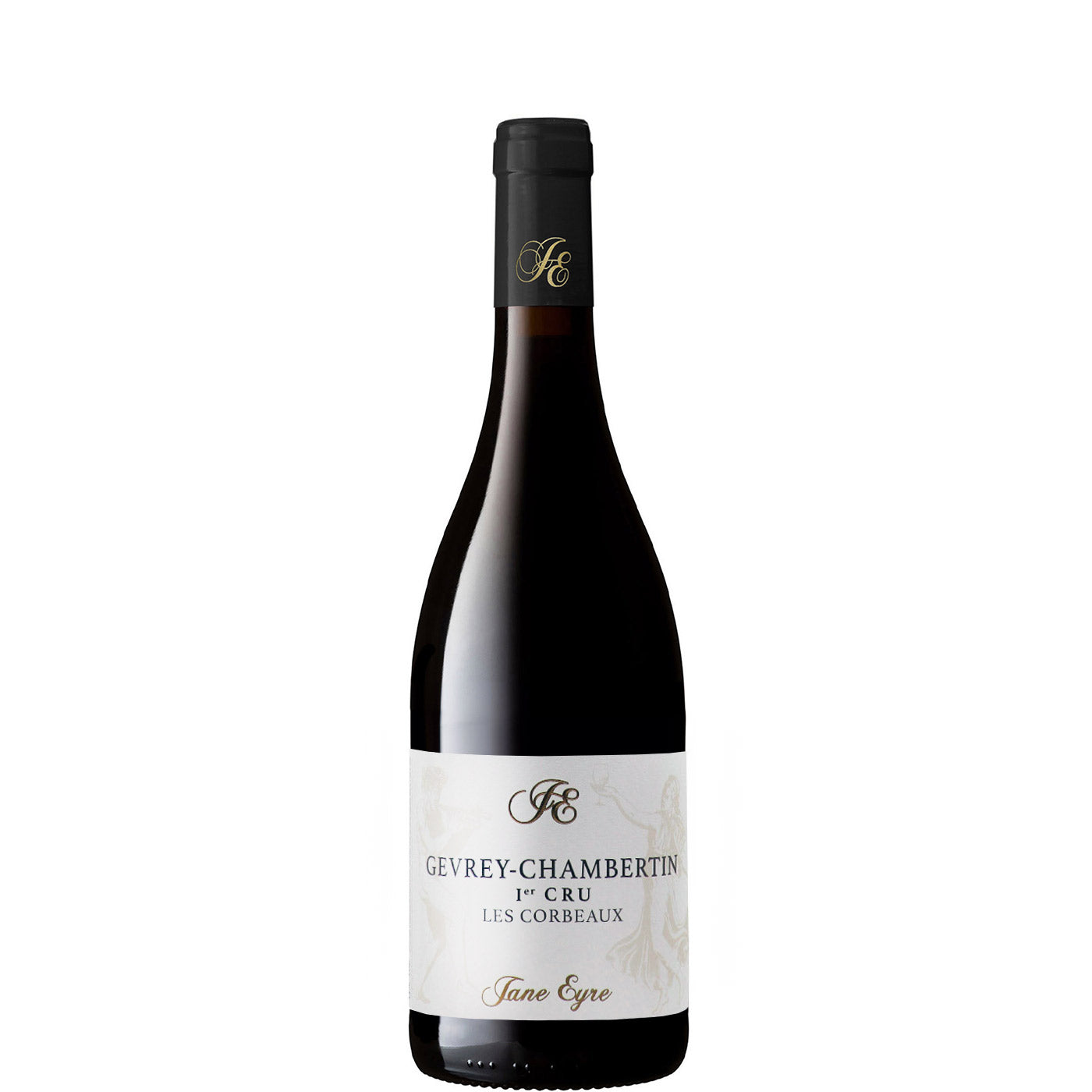
Gevrey-Chambertin Premier Cru, Corbeaux, Jane Eyre, 2021
Gevrey-Chambertin Premier Cru, Corbeaux, Jane Eyre, 2021
- 75cl
- 13%
- Red Still
- Pinot Noir
Couldn't load pickup availability

Optimal drinking window: Now - 2038
About Gevrey-Chambertin Premier Cru, Corbeaux, Jane Eyre, 2021
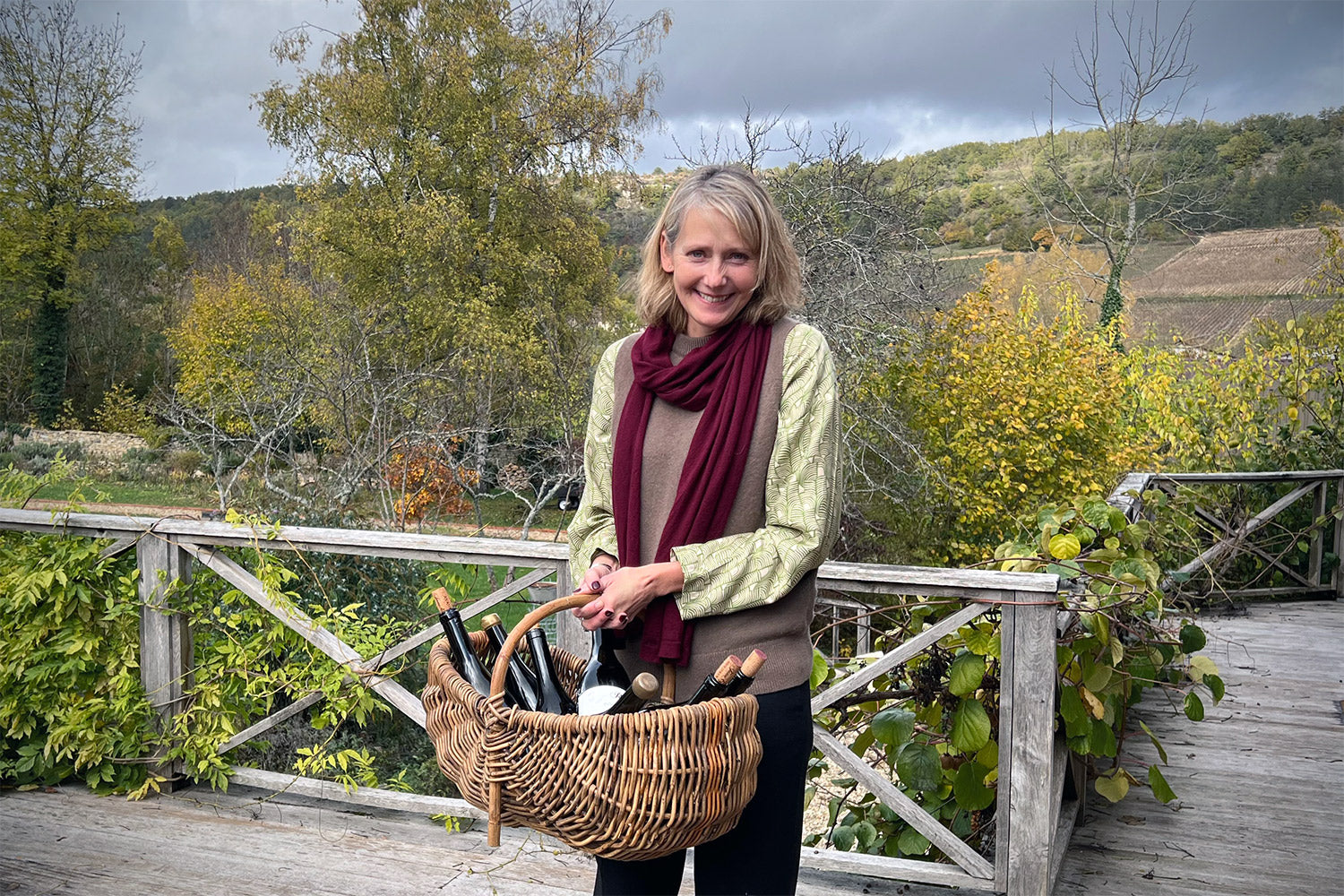
Melbourne-born Jane Eyre-Renard, one of the pioneers of the growing micro-negotiant movement, has been based in Burgundy since 2003, paying her dues at some top domaines including de Montille and Comtes Lafon.
Jane currently makes her own wines in a facility in Bligny-le-Beaune, shared with, among others, Dominique Lafon. Her wines, whether from Beaune, Nuits, or Beaujolais, display her distinctive style - charming and inviting, with supple tannins and soft but bright fruits. Gentle extraction and judicious use of new oak means these have been among the more immediately appealing Burgundies in our portfolio.
Currently showing primary fruit and floral charm, this wine will begin integrating its components over the next two years as the whole bunch spice melds with the cherry fruit. By 2029, secondary earthy and mineral notes will emerge more prominently whilst the fruit shifts from bright cherry towards darker berry flavours. The wine should reach peak complexity around 2032-2035, when primary and secondary characteristics achieve perfect balance. Given Jane's approachable style, it's unlikely to improve dramatically beyond a decade, making it best enjoyed in its youth and prime rather than pushed towards extended cellaring.
What the critics say:
"20% whole bunch vinification. There was a more generous 2021 crop here in Les Corbeaux, providing enough fruit for three and a half barrels, one of them new. Multi-scented, really quite floral. More fruit behind, good depth, a little sucrosity in cherry style, with length."
Tasting Notes
AppearanceMedium ruby with bright clarity and a youthful rim.
NoseFloral and perfumed, with violet and rose petal emerging first. Red cherries and wild strawberries follow, along with subtle spice from the whole bunch inclusion. There's an underlying earthiness that speaks to the limestone soils.
PalateSupple entry with bright cherry fruit and natural acidity driving the wine forward. The tannins are soft and integrated, whilst whole bunch fermentation adds a delicate spice and structure without overwhelming the fruit. Good depth and concentration with that characteristic Jane Eyre approachability.
FinishMedium length with cherry fruit persistence and a hint of mineral salinity.
Overall impressionAn elegant premier cru that balances immediate charm with underlying complexity.
Food Pairings
In Burgundy, this would accompany coq au vin made with the same red wine, the chicken braised slowly until tender with pearl onions and bacon lardons. Locals might also serve it with boeuf bourguignon, where the wine's acidity cuts through the rich, slow-cooked beef, or alongside a simple roast guinea fowl with herbs. Époisses cheese, made just down the road, provides a classic regional pairing where the wine's fruit balances the cheese's pungent richness. During hunting season, it would match perfectly with wild boar or venison, prepared simply to let both wine and meat shine.
We think this wine would go well with
Serve at 16-17°C to preserve the wine's elegance and floral character. No need to decant given Jane's gentle extraction style, though thirty minutes of breathing in the glass will help the aromatics open up. Use large Burgundy bowls to concentrate the perfumed nose and allow proper swirling. If you do choose to decant, keep it brief – fifteen minutes maximum to avoid losing the delicate floral qualities.
Les Corbeaux sits mid-slope on the Gevrey hillside, where limestone-rich soils and optimal drainage create ideal conditions for Pinot Noir. The vineyard's easterly exposure captures morning sun while afternoon shade preserves freshness, allowing the grapes to ripen slowly and develop the complexity that elevates this climat above village level. These geological advantages, combined with old vines, concentrate flavours and produce wines with both power and finesse.
Gevrey-Chambertin Premier Cru represents the middle tier of Burgundy's hierarchy, sitting between village wines and the legendary Grands Crus like Chambertin itself. The appellation covers 26 premier cru vineyards on slopes that benefit from superior drainage and exposure compared to the village sites below. These wines must demonstrate greater concentration, complexity, and ageing potential than their village counterparts, whilst often offering more approachable pricing than the rarefied Grand Cru bottlings that crown the same hillsides.
The 2021 growing season in Burgundy started badly and got worse before pulling off one of wine's great escapes. Spring frost in April devastated vineyards across the Côte d'Or, followed by a summer that alternated between biblical downpours and scorching heat. Many producers lost 50% or more of their crop to the frost alone, then watched hail batter what remained in some unlucky villages. By August, with rot creeping through rain-soaked vineyards, even the most optimistic vignerons were writing off the vintage.
What emerged from this chaos surprised everyone: wines with remarkable freshness and purity, if you can find them. The tiny yields meant those grapes that survived were intensely concentrated, while the September sunshine saved the day with perfect ripening conditions. We find the reds show beautiful fruit clarity without heaviness, drinking with an immediacy that makes them irresistible now but promising a decade or more of evolution. The whites are particularly stunning, with a mineral intensity that cuts through their richness. Yes, there's not much 2021 Burgundy about, and yes, it's expensive, but this is one of those vintages where disaster bred greatness.
FAQs
What does this wine taste like?
Floral and elegant with bright cherry fruit, soft tannins, and subtle spice from whole bunch fermentation. It's more approachable than many premier cru Burgundies whilst maintaining complexity.
When should I drink this wine?
Drinking beautifully now through 2035, with peak complexity expected around 2032. Jane's gentle style means it's enjoyable young but rewards a few years of patience.
What food should I pair with this?
Classic Burgundian dishes like coq au vin or boeuf bourguignon work perfectly, as do roast game birds, duck breast, or aged soft cheeses like Époisses.
How should I serve this wine?
Serve at 16-17°C in large Burgundy glasses. No need to decant, though thirty minutes of breathing will help the aromatics develop.
Is this wine worth cellaring?
Yes, but don't overdo it. This style is built for medium-term cellaring rather than decades in the cellar, so plan to drink it within ten years for optimal enjoyment.
How does this compare to Grand Cru Burgundy?
It offers much of the complexity and elegance of Grand Cru at a more accessible price point, though without quite the same intensity, longevity, and prestige of the top sites.
Explore related wines


What are you looking for tonight? Tell me the occasion, a grape, a region — or just try a suggestion below.
Your recommendations will appear here.
-
-
Speak to one of our Wine Gurus
Speak to a Wine GuruWith years of experience, our team can help you with all your wine buying and selling needs