
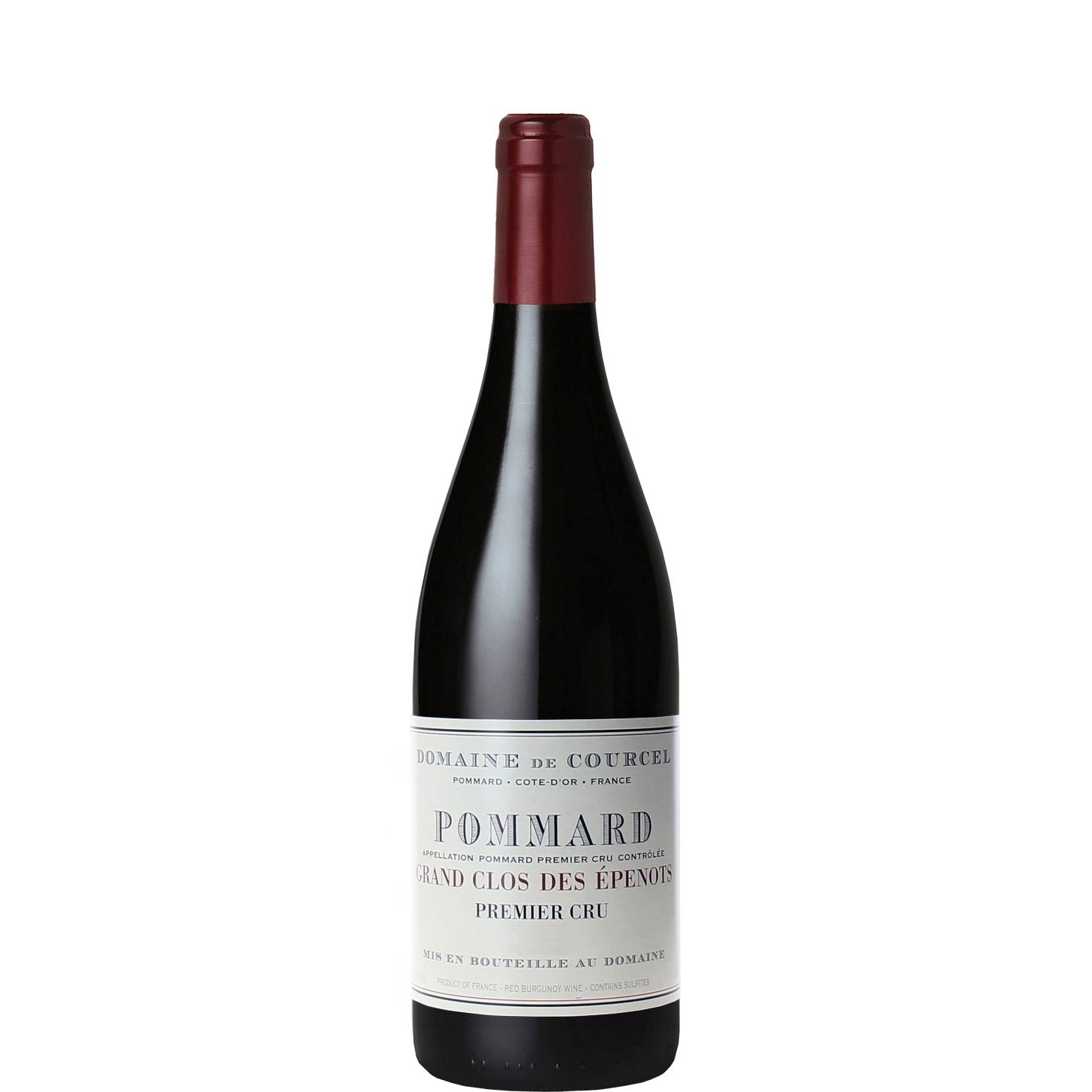
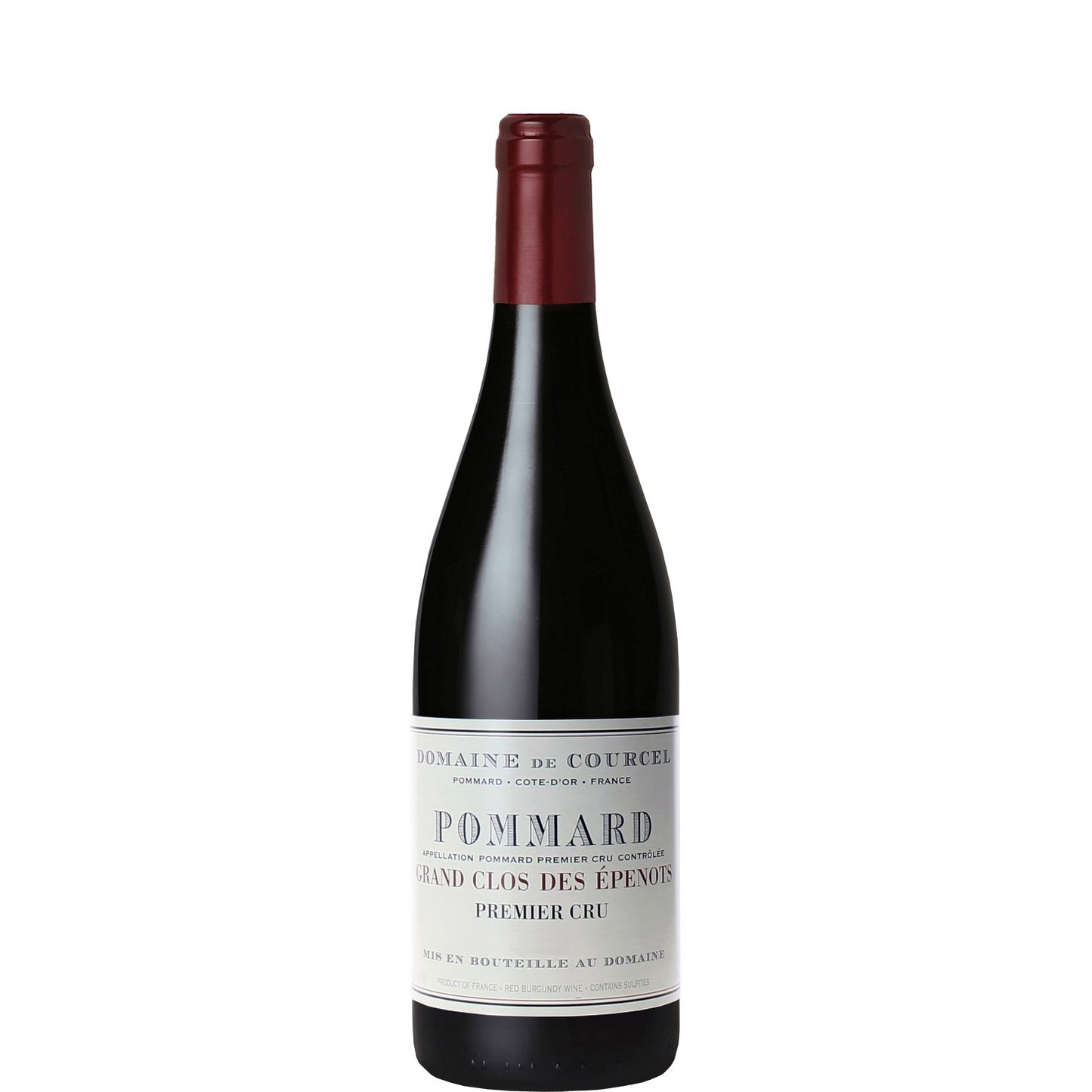
Pommard Premier Cru 'Grand Clos Des Épenots', Domaine de Courcel, 2012
Pommard Premier Cru 'Grand Clos Des Épenots', Domaine de Courcel, 2012
- 75cl
- 13.5%
- Red Still
- Pinot Noir
Couldn't load pickup availability

Optimal drinking window: Now - 2032
Known for its power and structure, the 'Grand Clos Des Épenots' exemplifies the robust yet refined nature of Pommard. It's full-bodied, with firm yet well-integrated tannins and balanced acidity. The fruit flavours are rich and concentrated, accompanied by a mineral undertone.
Enjoy it now, especially with some decanting to allow the wine to open up, and it will continue to develop and gain complexity with further aging.
This 2012 is entering its prime drinking window, with primary fruit now beautifully integrated with secondary complexity from bottle age. Over the next five years, expect the tobacco and earth elements to become more pronounced while the fruit shifts from bright red berry to deeper, more savoury expressions. The wine should plateau between 2028-2035, showing perfect harmony between fruit, structure, and tertiary development. Beyond 2040, the tannins will soften further but the wine may begin losing some of its power and concentration, though given Courcel's track record, graceful decline is more likely than sudden drop-off.
What the critics say:
"This is also markedly ripe yet not quite as ripe as the Fremiers with its array of both red and dark currant, black cherry, tobacco and warm earth aromas that are trimmed in noticeable wood. There is fine detail and reasonably good punch to the lush and very round medium-bodied flavors that also display a hint of mocha. This too is a big and overtly powerful Pommard yet it avoids being top heavy. Note that I would strongly suggest that this not even be considered before it has at least 10 years of bottle age. 'Outstanding'"
"Really delicious rhubarb, cranberry and redcurrant fruit – lots to enjoy here already, really expressive and satisfying. Plenty of tannin and acid too – bold and stylised, but successfully so."
Tasting Notes
AppearanceDeep garnet with brick highlights showing its fourteen years of age.
NoseRipe redcurrant and black cherry mingle with tobacco leaf and warm earth. There's a hint of mocha from the oak integration, plus that distinctive Pommard minerality lurking beneath. The aromatics are expressive yet retain some reserve, suggesting more complexity to come.
PalateMedium to full-bodied with remarkable concentration and fine detail. The fruit is rich and concentrated - rhubarb, cranberry, and dark cherry - supported by well-integrated tannins that provide structure without overwhelming. The acidity keeps everything fresh and balanced despite the wine's obvious power.
FinishLong and mineral-driven with lingering tobacco and earth, plus a touch of iron that speaks to the terroir.
Overall impressionThis is Pommard showing both its power and its sophistication - built like a tank but driving like a sports car.
Food Pairings
In Burgundy, this style of Pommard would grace tables alongside slow-braised beef bourguignon, the wine's power matching the rich, wine-braised meat perfectly. Coq au vin is another classic pairing, where the wine's earthy complexity complements the dish's rustic elegance. Game birds like pigeon or duck would be served during hunting season, their rich, dark meat echoing the wine's concentration. Local cheeses like aged Époisses or Chaource provide a creamy counterpoint to the wine's firm structure, while wild mushroom dishes celebrate the forest floor elements emerging in this mature bottle.
We think this wine would go well with
Serve at 16-17°C to showcase both the fruit concentration and emerging tertiary complexity. Decant for at least an hour - this wine needs air to fully express its layers of flavour and soften those still-present tannins. Use large Burgundy glasses to concentrate the aromatics while allowing proper aeration. If you're impatient, a vigorous swirl and thirty minutes in the glass will do, but proper decanting rewards you with the full experience.
The Grand Clos Des Épenots sits mid-slope on Pommard's famous iron-rich clay and limestone soils, which give the wines their characteristic power and mineral backbone. The vineyard's eastern exposure captures the morning sun while avoiding the heat of late afternoon, helping retain freshness in even ripe vintages. These deep, well-draining soils force the old vines to struggle, concentrating flavours and creating wines of remarkable longevity. The iron content is particularly high here, contributing to the wine's distinctive mineral undertone and robust structure.
Pommard Premier Cru represents some of Burgundy's most structured and age-worthy Pinot Noir, quite different from the ethereal wines of neighbouring Volnay. The appellation's clay-rich soils produce wines of power and masculinity, requiring patience but rewarding it handsomely. Les Épenots is considered one of Pommard's finest Premier Cru vineyards, sitting perfectly positioned on the mid-slope where drainage and sun exposure create ideal ripening conditions. While Pommard lacks Grand Cru sites, the best Premier Crus like Épenots rival many Grand Crus from other villages.
The 2012 growing season in Burgundy reads like a thriller with a happy ending. Spring arrived early with warm weather that had vines budding ahead of schedule, only for a brutal cold snap in early May to devastate many vineyards with frost damage. What followed was a challenging summer of variable weather that kept growers on edge, with harvest beginning in mid-September under uncertain skies. The producers who survived the frost found themselves with dramatically reduced yields but fruit of surprising concentration.
Those reduced quantities proved a blessing in disguise, producing wines with intensity and focus that caught everyone off guard. The reds show genuine depth without the sometimes austere tannins of more celebrated vintages, while the whites display mineral precision with enough richness to satisfy. We find 2012 Burgundies drinking beautifully now, offering immediate pleasure whilst retaining enough structure to reward cellaring until 2028 for the best examples. This is a vintage that rewards the patient buyer who looks beyond the headlines.
FAQs
What does this wine taste like?
Rich and powerful with ripe redcurrant, rhubarb, and black cherry fruit, complemented by tobacco, warm earth, and mineral notes. The tannins are firm but well-integrated, creating a wine of considerable structure and elegance.
When should I drink this wine?
It's drinking beautifully now at fourteen years old, but will continue to develop and improve until around 2040. We'd suggest enjoying it over the next decade for optimal pleasure.
Should I decant this wine?
Absolutely - decant for at least an hour to allow the wine to open up and show its full complexity. The tannins will soften and the aromatics will become more expressive with proper aeration.
What food pairs well with this Pommard?
Classic Burgundian dishes like beef bourguignon or coq au vin are perfect, but it also works brilliantly with roast duck, game birds, or aged hard cheeses. The wine's power can handle rich, savoury dishes.
Is this wine worth cellaring further?
While drinking superbly now, it will continue to reward patience for another 10-15 years. The wine is built for longevity and will develop more tertiary complexity with additional bottle age.
How does this compare to other Burgundy villages?
Pommard produces some of Burgundy's most powerful and structured Pinot Noir - quite different from the ethereal wines of Chambolle-Musigny or even neighbouring Volnay. This is Burgundy with muscle and minerality.
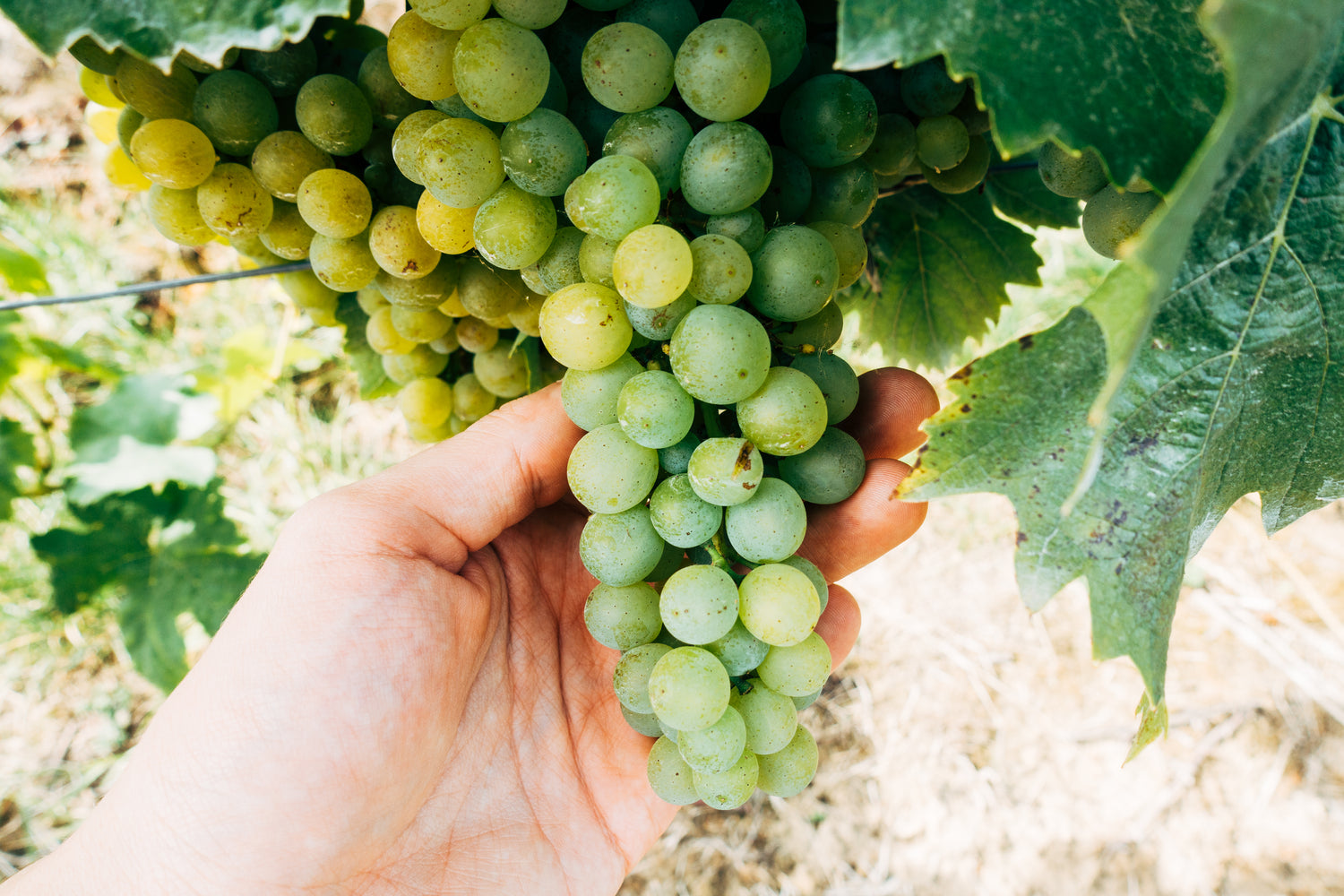
OUR GROWERS
Domaine de Courcel
Explore related wines


What are you looking for tonight? Tell me the occasion, a grape, a region — or just try a suggestion below.
Your recommendations will appear here.
-
-
Speak to one of our Wine Gurus
Speak to a Wine GuruWith years of experience, our team can help you with all your wine buying and selling needs