

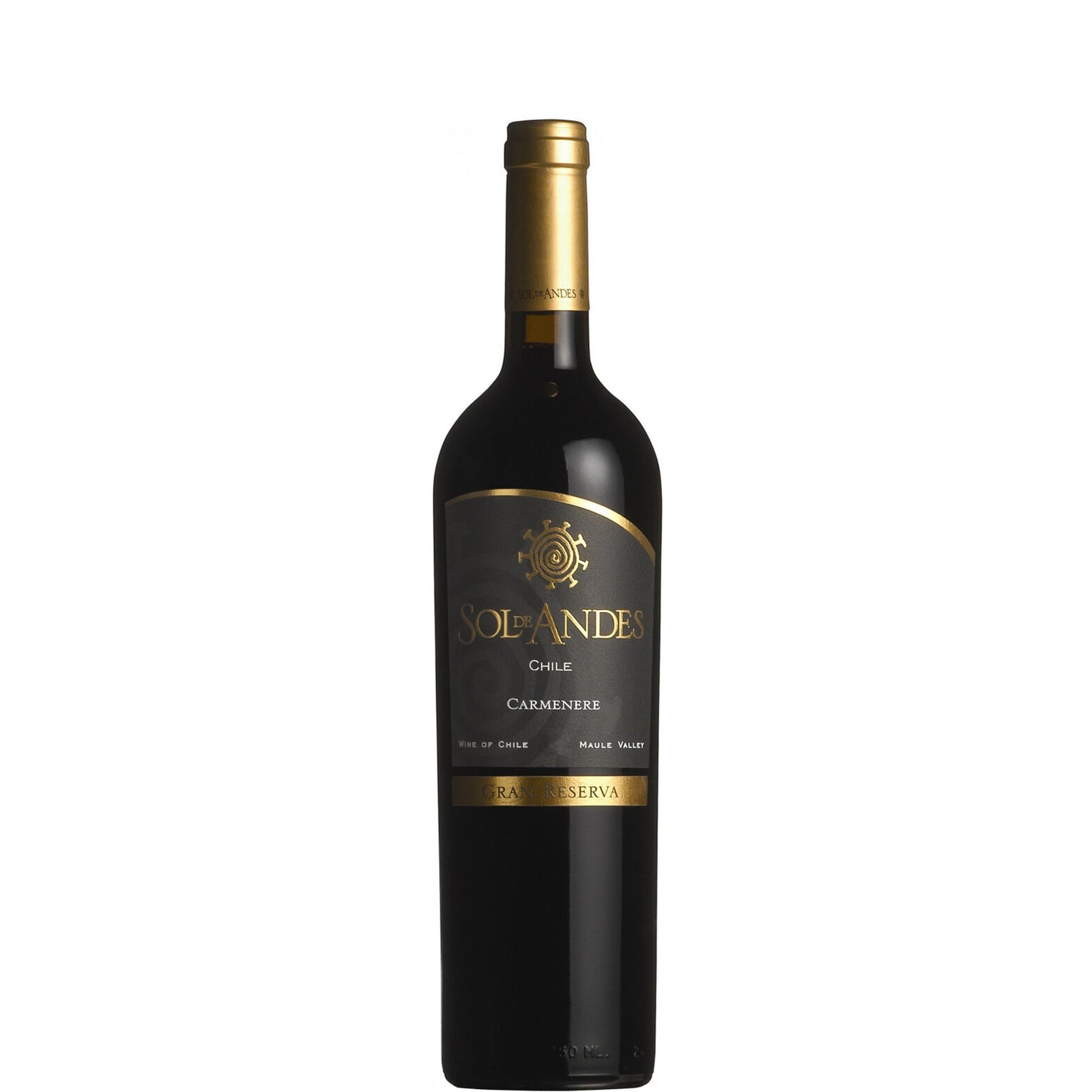
Sol de Andes, Gran Reserva Carmenere, 2021
Sol de Andes, Gran Reserva Carmenere, 2021
- 75cl
- 13.5%
- Red Still
- Carménère
Couldn't load pickup availability

Optimal drinking window: 2026 - 2030
About Sol de Andes, Gran Reserva Carmenere, 2021
Sol De Andes' Gran Reserva Carmenere has a deep purple-red colour. An enticingly complex nose gives notes of ripe black fruits, spicy black pepper, leafy tobacco aromas and a soft, smokey/coffee oakiness. The palate is rich, savoury and concentrated with supple dark fruit, rounded tannins, good acidity, and a smooth finish thanks to 8-10 months in French oak.
Most of the Chilean plantings of Carménère were mistakenly believed to be Merlot, but its unique style always prompted questions and, since its true identity was uncovered in 1994, it has won many new fans around the world. If you haven't tried a Carménère before, the best way we can describe its personality is somewhere between that of Cabernet Sauvignon and of Merlot.
This 2021 is drinking at its peak now, with primary fruit flavours well-integrated with the French oak influence. Over the next 2-3 years, expect the coffee and vanilla oak notes to soften further while the tobacco and spice characters become more prominent. The wine should hold its fruit concentration well until 2030, though we wouldn't expect significant development beyond that - this style is made for current enjoyment rather than long-term cellaring.
Food Pairings
In Chile, a wine like this would traditionally accompany asado - grilled meats cooked over wood coals, particularly lamb or beef with chimichurri. Empanadas filled with spiced meat and olives make an excellent match, as do hearty stews like cazuela with beef, pumpkin, and corn. The wine's savoury tobacco notes pair beautifully with traditional Chilean dishes featuring cumin, paprika, and oregano.
We think this wine would go well with
Serve at 16-18°C to allow the fruit and spice characters to shine. No need to decant - this Gran Reserva is approachable straight from the bottle, though thirty minutes of breathing will help integrate the oak. Use a large Bordeaux glass to concentrate the aromatics and give the wine room to express its complexity.
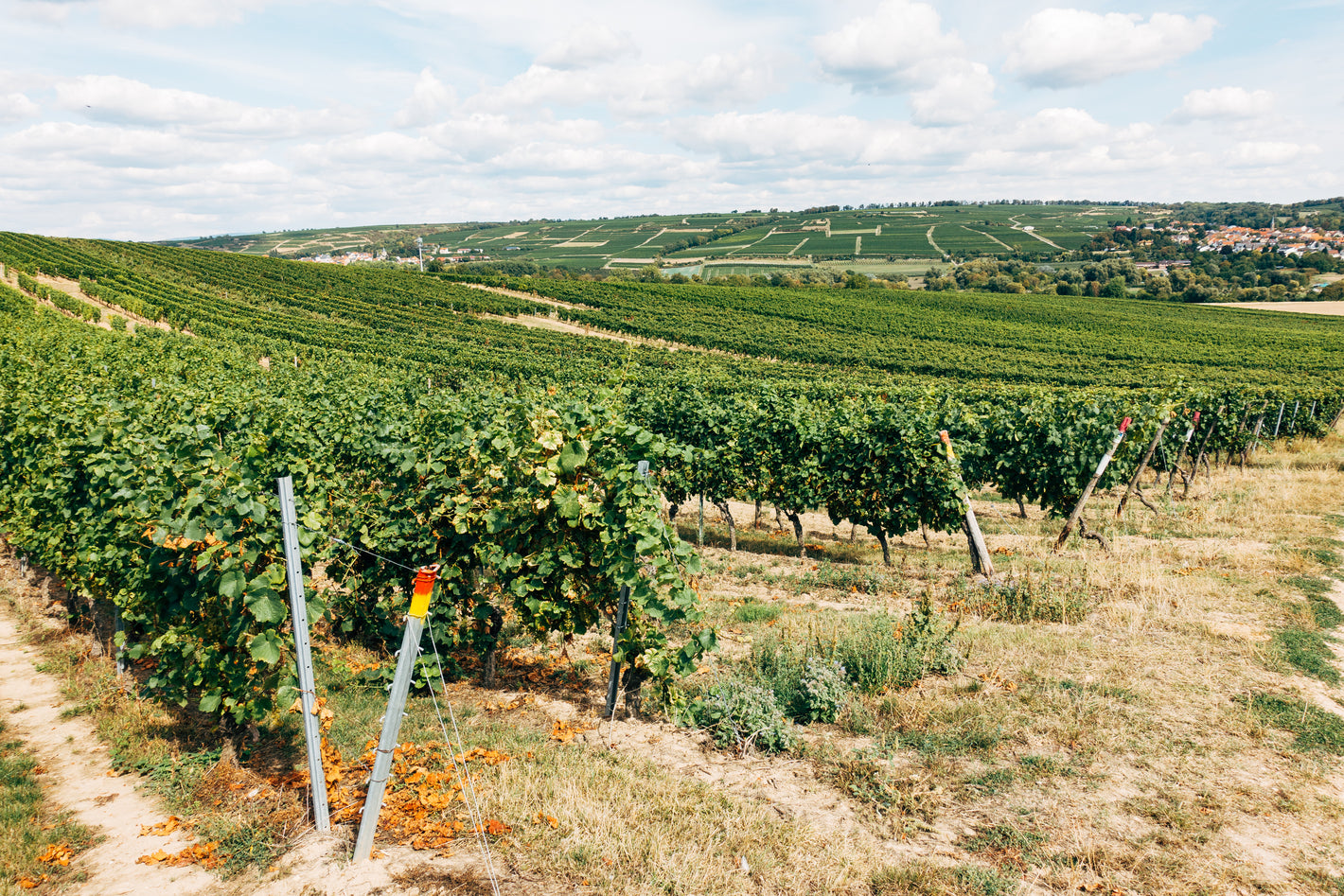
The Colchagua Valley's warm, dry climate and well-draining alluvial soils create ideal conditions for Carmenère to ripen fully without losing its characteristic herbal complexity. The valley's position between the Andes foothills and coastal ranges provides significant diurnal temperature variation, helping preserve acidity while allowing the grape's distinctive spicy, tobacco-leaf character to develop. These conditions allow Carmenère to achieve the complete ripeness that eluded it in its original Bordeaux home.
Colchagua Valley is one of Chile's most prestigious wine regions, particularly renowned for red varieties like Carmenère, Cabernet Sauvignon, and Syrah. The valley's warm Mediterranean climate and diverse soils, from alluvial deposits to granite and clay, create ideal conditions for full-bodied reds. It's considered the heart of Chile's premium wine country, with many of the nation's most celebrated estates calling it home.
We'll be honest: 2021 in Valle Central wasn't the vintage that had winemakers dancing in the streets. A cooler, wetter growing season kept everyone on their toes, with spring rains lingering longer than usual and temperatures running below average through much of the summer. The saving grace came with a dry, steady autumn that allowed patient producers to bring in healthy fruit, though yields were generally lower and harvest dates pushed later than the previous few years.
What emerged from those challenging conditions are wines with a freshness that feels almost old-fashioned after a string of riper, more immediate vintages. The Cabernet Sauvignon shows proper structure without the jammy intensity of warmer years, while Carmenère retained its savoury character with less of the green edge that can plague cooler seasons. Most of these wines are drinking beautifully now, offering that lovely middle ground between primary fruit and developed flavours, though the better Cabernets will happily cellar for another five to seven years.
FAQs
What does Carmenère taste like?
Think of it as sitting between Cabernet Sauvignon and Merlot - it has dark fruit richness with distinctive tobacco leaf and black pepper spice notes that make it uniquely Chilean.
When should I drink this wine?
It's drinking beautifully right now and will continue to show well until 2030, though we think it's at its most expressive in the next 2-3 years.
What food pairs well with this Carmenère?
Grilled red meats are perfect, especially lamb or beef with herbs. It also works brilliantly with spiced dishes, roasted vegetables, and anything with a bit of smokiness from the grill.
Should I decant this wine?
No need to decant, but giving it 30 minutes to breathe in the glass will help integrate the oak and let the fruit shine through.
Is this wine worth cellaring?
This Gran Reserva is made for current drinking pleasure rather than long-term aging. While it will hold well for a few more years, we think you'll enjoy it most over the next 2-3 years.
How does Chilean Carmenère compare to other red wines?
Carmenère is Chile's signature grape, offering something unique - more structured than Merlot but more approachable than Cabernet Sauvignon, with distinctive herbal and spice notes you won't find elsewhere.
Explore related wines


-
-
Speak to one of our Wine Gurus
Speak to a Wine GuruWith years of experience, our team can help you with all your wine buying and selling needs