

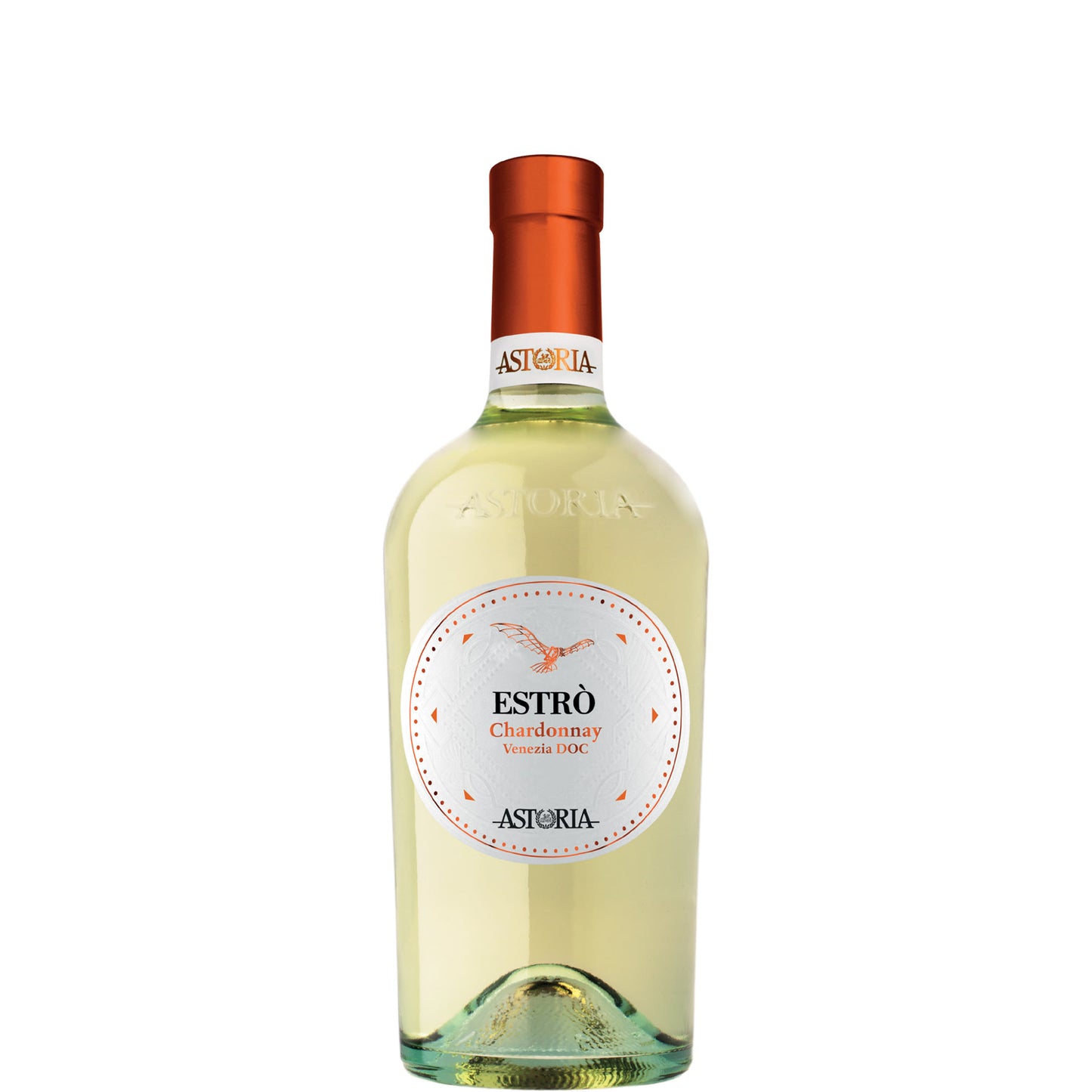
Astoria, Estrò Chardonnay, 2022
Astoria, Estrò Chardonnay, 2022
- 75cl
- 12.5%
- White Still
- Chardonnay
Couldn't load pickup availability

Optimal drinking window: Now - 2027
About Astoria, Estrò Chardonnay, 2022
Astoria's Estrò Chardonnay comes from family vineyards north of Venice, in the heart of the Veneto, and it's a useful reminder that unoaked Chardonnay done well is one of the grape's most honest expressions. The grapes went through a cold maceration on the skins before fermentation, pulling out fruit character without adding weight or oxidative warmth — which is why this wine feels so lively and precise rather than soft and generous.
The result is pale straw in the glass, crisp and direct on the nose with green apple and something close to fresh bread, and clean as a whistle on the palate. No oak, no butter, no fuss. Drink it now, ideally well chilled, and preferably alongside something from the sea.
This is not a wine to cellar. The 2022 vintage is already in its drinking window and performing well right now, with the primary fruit bright and the acidity doing its job cleanly. By 2027 it will likely start to lose that freshness and precision that makes it appealing in the first place. There are no secondary complexities waiting to emerge here — the whole point of the wine is its immediacy. Open it, chill it, and drink it.
Tasting Notes
AppearancePale straw yellow with bright, almost silvery reflections at the rim.
NoseClean and direct, leading with crisp green apple and a faint suggestion of fresh-baked bread. There's a subtle citrus lift — something between lemon zest and white grapefruit — that keeps it feeling alive rather than flat.
PalateLight-bodied and refreshing, with the acidity doing most of the work. The apple carries through from the nose, joined by a gentle creaminess — a nod to the skin maceration — without any oak influence to muddy the waters. It's precise and clean rather than broad or generous.
FinishShort to medium, with a clean citrus snap that leaves the mouth feeling fresh.
Overall impressionA no-nonsense, honestly made unoaked Chardonnay that earns its place on the table by being exactly what it says it is.
Food Pairings
In the Veneto, a wine like this would be a natural companion to the region's seafood-heavy antipasti — think sarde in saor, the classic sweet-sour sardines with onions and pine nuts, or a simple plate of grilled calamari with lemon. Baccalà mantecato, the whipped salt cod spread served on grilled polenta that is practically Venice's civic dish, would be a textbook pairing. Lighter risottos made with asparagus or radicchio from Treviso would also work well, as would a plate of fresh pasta with clams. It's a wine that understands its role: to complement the food, not compete with it.
We think this wine would go well with
Serve well chilled, between 8 and 10°C — this wine is all about freshness, and warmth will flatten it quickly. No need to decant; simply open and pour straight away. A standard white wine glass with a slightly tapered rim will focus the citrus and apple aromas without letting them dissipate.
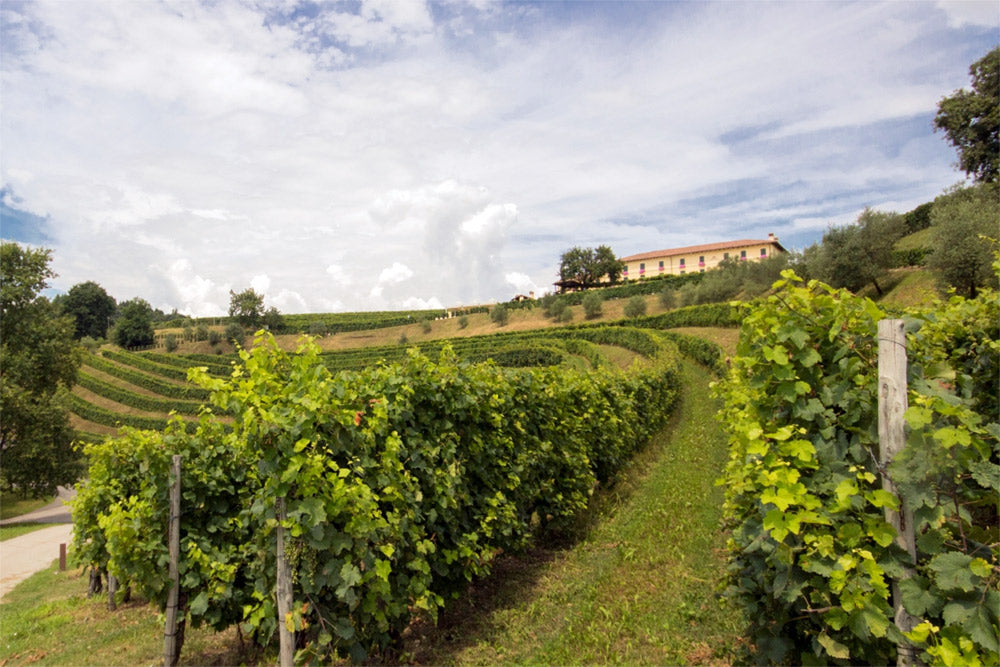
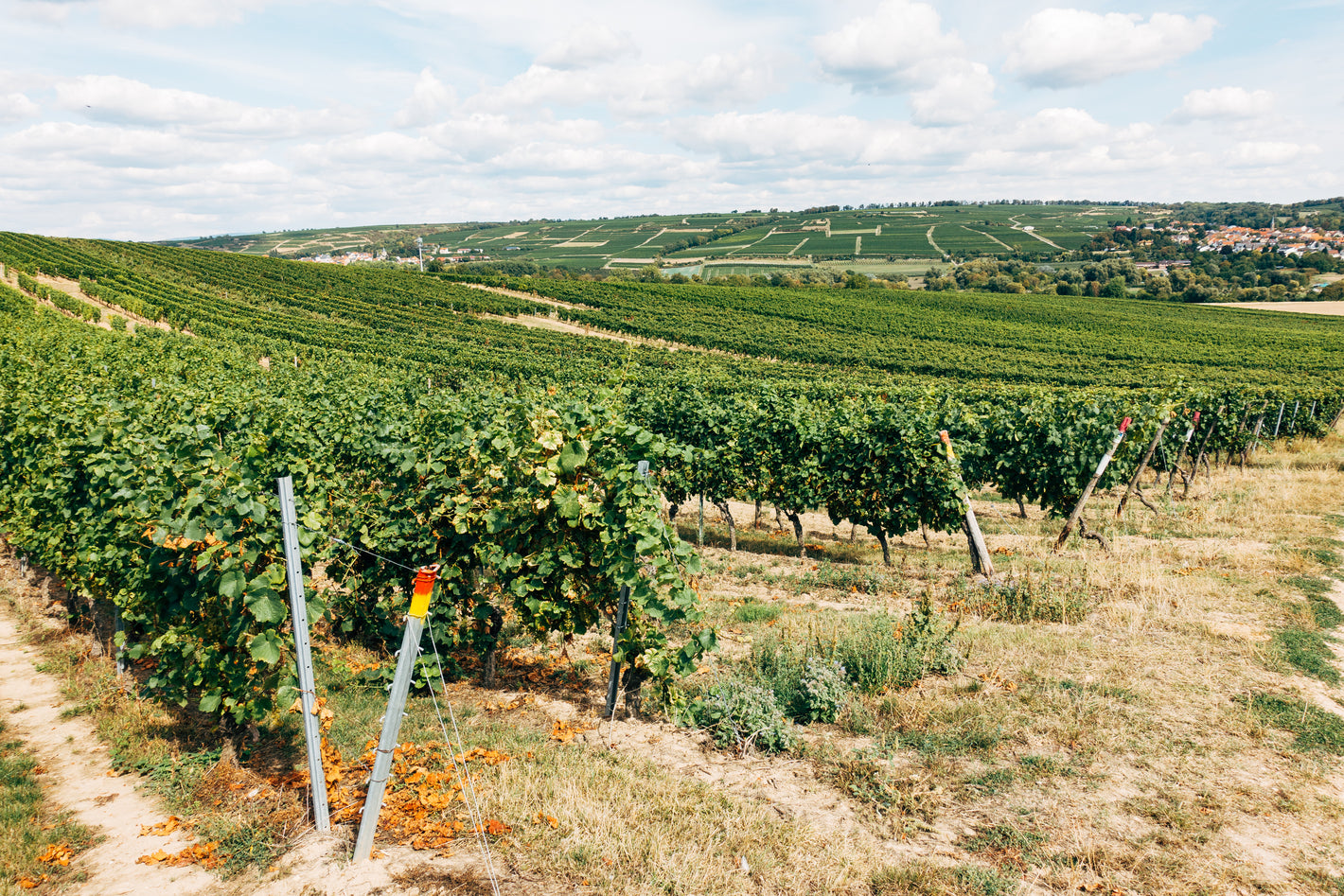
The vineyards sit on the Treviso plain north of Venice, where the proximity to the Dolomites brings cooling alpine air that helps preserve acidity in the grapes — essential for a wine built on freshness rather than weight. Soils here are largely alluvial, deposited over millennia by mountain rivers, giving good drainage and a mineral edge without the dramatic variation you'd find further up the slopes. The continental climate, moderated by mountain influence, gives warm days and cool nights through the ripening season.
The Veneto is Italy's most prolific wine-producing region by volume, stretching from Lake Garda in the west to the Adriatic coast in the east. IGT Delle Venezie, under which many straightforward varietal whites from this part of the Veneto are sold, allows producers considerable freedom on grape varieties and winemaking approach, making it better suited to fresh, early-drinking styles than the more prescriptive DOC designations. It sits in the shadow of more famous Veneto appellations like Soave and Valpolicella, but for everyday whites of this character, that flexibility is a genuine advantage.
The 2022 vintage in Veneto started with a deceptively mild winter, followed by a spring that threw curveballs at every turn. Early budbreak looked promising until late frosts in April caught some vineyards off guard, particularly in the hillier zones around Soave and Valpolicella. Summer brought the real drama: scorching temperatures and prolonged drought stressed the vines something fierce, forcing growers to dig deep into their bag of tricks with strategic leaf management and whatever irrigation they could muster.
What emerged was a vintage of surprising concentration, though yields dropped considerably across the board. Garganega in Soave developed intense minerality alongside ripe stone fruit flavours, while Corvina and the Valpolicella blend gained serious structure without losing their characteristic bright acidity. The reds show more muscle than usual but retain their drinkability—think of them as the athletic cousin of a typical Veneto vintage. Most wines are drinking beautifully now, though the better Amarones will reward patience until 2028 and beyond.
FAQs
What does this Chardonnay taste like?
It's light, fresh, and unoaked — crisp green apple, a touch of fresh bread, and a clean citrus finish. No butter, no vanilla, no oak influence at all. It's Chardonnay stripped back to its essentials.
Should I drink this now or cellar it?
Drink it now. This is a wine built entirely on freshness and primary fruit, and that character won't improve with age. The 2022 is already in its sweet spot; we'd aim to finish bottles before 2027.
What food goes well with it?
Seafood is the obvious match — grilled fish, calamari, or clams with pasta. It also works well with lighter pasta dishes, vegetable risottos, and fresh cheeses. It's the kind of white that earns its keep on the table without demanding to be the centre of attention.
How should I serve it?
Well chilled, between 8 and 10°C. Don't let it warm up too much in the glass or the freshness that makes it enjoyable will fade. No need to decant — just open and pour.
Is this wine oaked?
No, it's completely unoaked, which is rather the point. The grapes went through a cold maceration on the skins before fermentation to extract fruit flavour, but there's no oak involved at any stage. What you get is pure, direct Chardonnay character.
Explore related wines


What are you looking for tonight? Tell me the occasion, a grape, a region — or just try a suggestion below.
Your recommendations will appear here.
-
-
Speak to one of our Wine Gurus
Speak to a Wine GuruWith years of experience, our team can help you with all your wine buying and selling needs