

Astoria, Icona Cabernet Sauvignon, 2023
Astoria, Icona Cabernet Sauvignon, 2023
- 75cl
- 13%
- Red Still
- Cabernet Sauvignon
Couldn't load pickup availability

Optimal drinking window: 2026 - 2029
Astoria is one of the Veneto's most ambitious family producers, and Icona is their everyday calling card — wines made to be opened without ceremony and enjoyed without hesitation. This Cabernet Sauvignon comes from the Treviso hills, where the grape has a longer history than most people realise, and delivers something distinctly Italian in character: lighter on its feet than a New World Cab, with more dried herb and cherry than blackcurrant jam, and tannins that are soft rather than gripping.
It's a wine for a Tuesday evening rather than a dinner party centrepiece, and it knows it. Drink it over the next two to three years while the fruit is still fresh and lively.
Tasting Notes
AppearanceBright ruby-red with a clear, lively rim.
NoseDark cherry and a whiff of dried Italian herbs — think rosemary and bay leaf rather than eucalyptus. There's a faint tobacco note underneath, and the fruit is clean and fresh rather than cooked or jammy.
PalateMedium-bodied and refreshingly light on its feet for Cabernet, with soft tannins and good acidity that keeps everything moving. The dark cherry carries through from the nose, with a little plum and a gentle, almost savoury earthiness in the mid-palate.
FinishClean and moderately persistent, with a dry herbal note that lingers pleasantly.
Overall impressionAn honest, uncomplicated red that gets out of the way and lets you enjoy dinner.
Food Pairings
In the Treviso hills, this kind of Cabernet would be poured alongside a plate of bigoli in salsa — thick Venetian pasta with an anchovy and onion sauce — or a simple roast chicken rubbed with rosemary and garlic. The locals would also drink it with grilled sausages or a board of cured meats, particularly the slightly sweet, fatty prosciutto di San Daniele from just across the border in Friuli. In cooler months, a bowl of pasta e fagioli, the hearty Veneto bean and pasta soup, would be the obvious companion.
We think this wine would go well with
Serve slightly cool, around 15-16°C — cooler than you might with a bigger Cabernet, which will keep the fruit bright and the wine lively. There's no need to decant; just open and pour. A standard Bordeaux-style glass works well, though an all-purpose medium bowl is perfectly fine for this style.
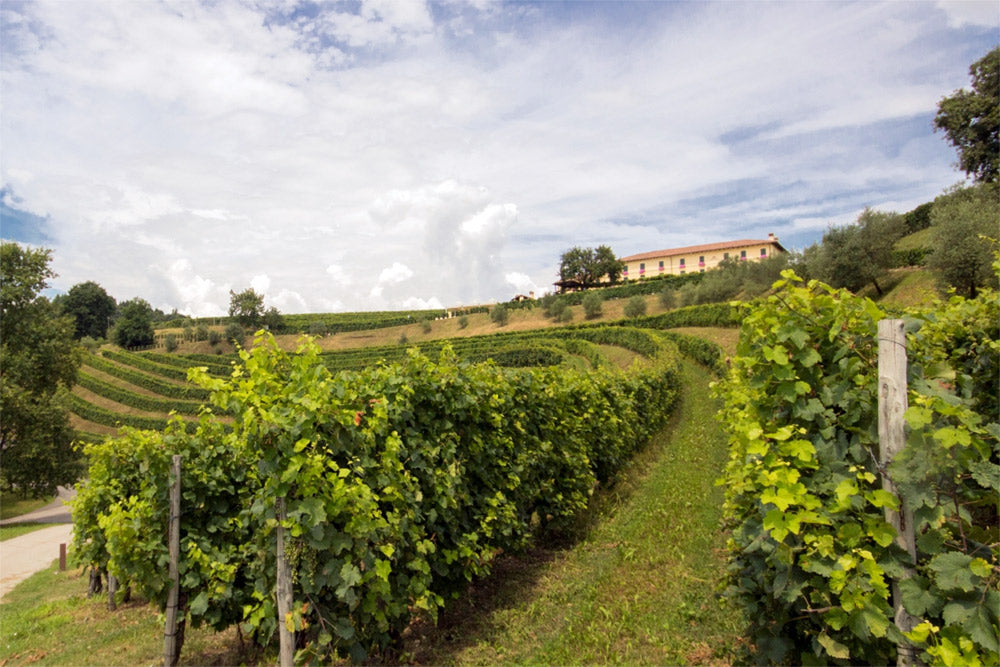
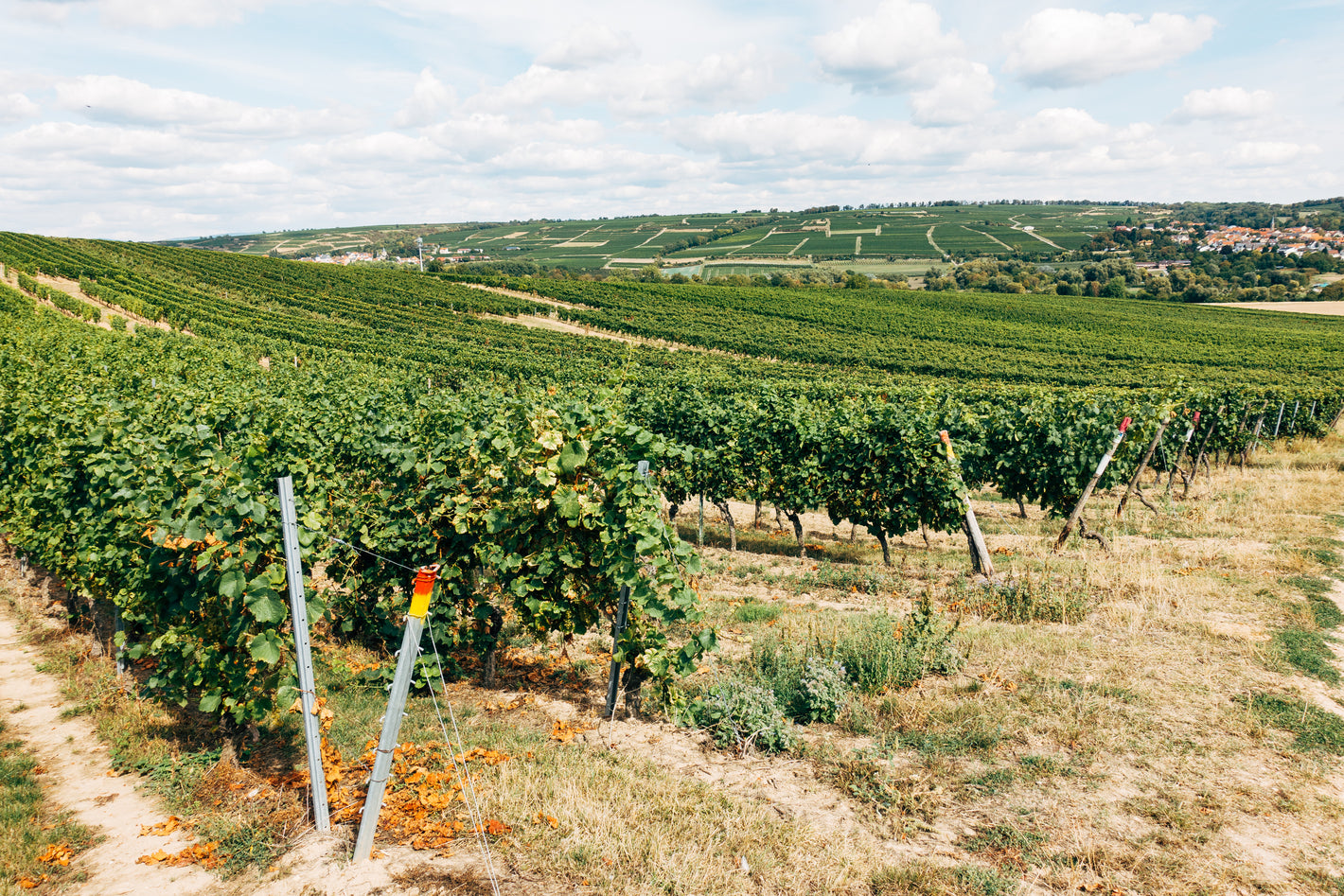
The vineyards sit in the Treviso hills of the eastern Veneto, a landscape of gentle rolling slopes with well-drained alluvial and glacial soils, a mix of clay, silt, and gravel. The continental climate here — warm summers, cool nights, and a significant diurnal shift — helps Cabernet Sauvignon retain freshness and aromatic precision rather than tipping into over-ripeness. The altitude and cooling breezes off the Dolomites to the north give the wines a herbaceous lift that is distinctly northeastern Italian in character.
The Icona Cabernet Sauvignon is produced under the Treviso IGT (or Delle Venezie IGT) designation, a broad appellation covering northeastern Italy that allows considerable flexibility in grape varieties and winemaking. This is not the tightly regulated world of Amarone or Soave Classico; rather, it's a framework that gives producers room to work with international varieties alongside indigenous ones. The Veneto as a whole is Italy's most prolific wine region by volume, which can obscure the genuine quality achievable here at the premium end.
We're still getting to grips with 2023 in Veneto, but early signs suggest a vintage that kept producers on their toes. The growing season brought its share of challenges, with variable weather patterns that demanded careful vineyard management and precise timing at harvest. What emerges is a year where the best producers really earned their stripes, navigating conditions that rewarded experience and penalised complacency.
The wines we've tasted so far show promise rather than immediate fireworks. Soave displays lovely mineral backbone with citrus precision, while Valpolicella shows bright red fruit that's more vivacious than brooding. The Amarone producers we work with seem quietly confident about their drying grapes, though it's far too early for definitive judgments there. These aren't wines crying out for immediate attention, but they're building nicely in bottle and should reward patience over the next few years.
FAQs
What does this wine taste like?
Dark cherry, dried herbs — rosemary, bay leaf — and a touch of tobacco, with soft tannins and a clean, juicy finish. It's lighter and more refreshing than a typical international-style Cabernet Sauvignon, with a distinctly Italian savouriness to it.
When should I drink this wine?
Now, and over the next two to three years. This is a wine built for freshness, not for ageing. Drink it while the fruit is still lively.
What food should I pair it with?
It's a natural match for simple Italian food: pasta with meat-based sauces, grilled sausages, roast chicken, or a plate of cured meats. The soft tannins and good acidity also make it a fine pizza wine if you're not overthinking it.
How should I serve it?
Serve it slightly cooler than room temperature, around 15-16°C. No need to decant — just open and pour. A standard wine glass is all you need.
How does this compare to other Cabernet Sauvignons?
It's quite different from New World Cabernet — less ripe, less full-bodied, and more herbal. Think of it as the Italian take on the grape: lighter, more savoury, and built to go with food rather than to impress on its own. For the price, it's solid, honest, and does exactly what it sets out to do.

Explore related wines


What are you looking for tonight? Tell me the occasion, a grape, a region — or just try a suggestion below.
Your recommendations will appear here.
-
-
Speak to one of our Wine Gurus
Speak to a Wine GuruWith years of experience, our team can help you with all your wine buying and selling needs