

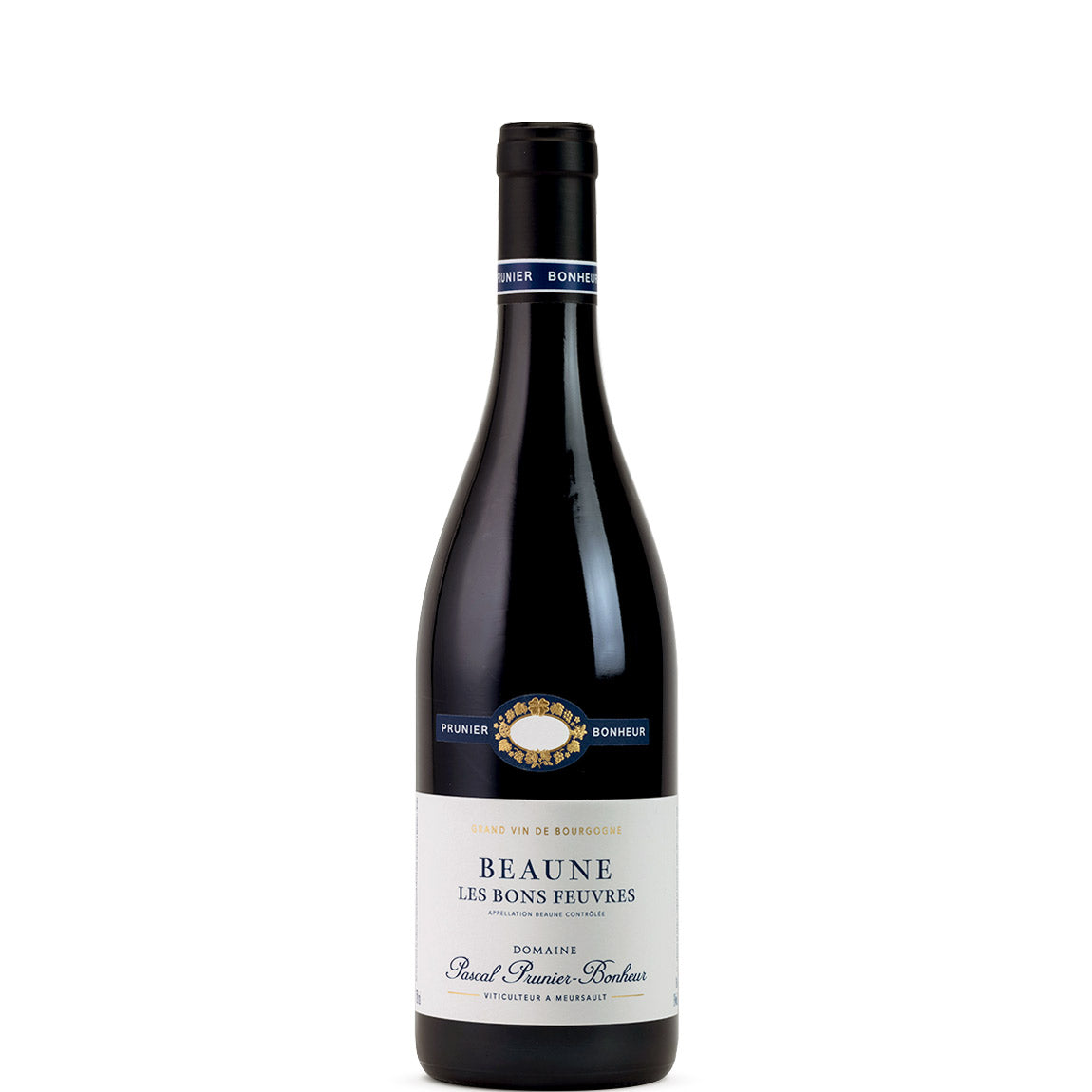
Beaune Les Bons Feuvres, Domaine Pascal Prunier-Bonheur, 2017
Beaune Les Bons Feuvres, Domaine Pascal Prunier-Bonheur, 2017
- 75cl
- 13%
- Red Still
- Pinot Noir
Couldn't load pickup availability

Optimal drinking window: Now - 2032
About Beaune Les Bons Feuvres, Domaine Pascal Prunier-Bonheur, 2017
This openly fruity Beaune is a generous but not overblown wine that is a great food partner to while away a good lunch or dinner with. It has generous red berry and bone bone anglais aromas, a medium to full body with a silky palate. The tannins are evident but unobtrusive. As usual at this domaine it's a great glass of wine.
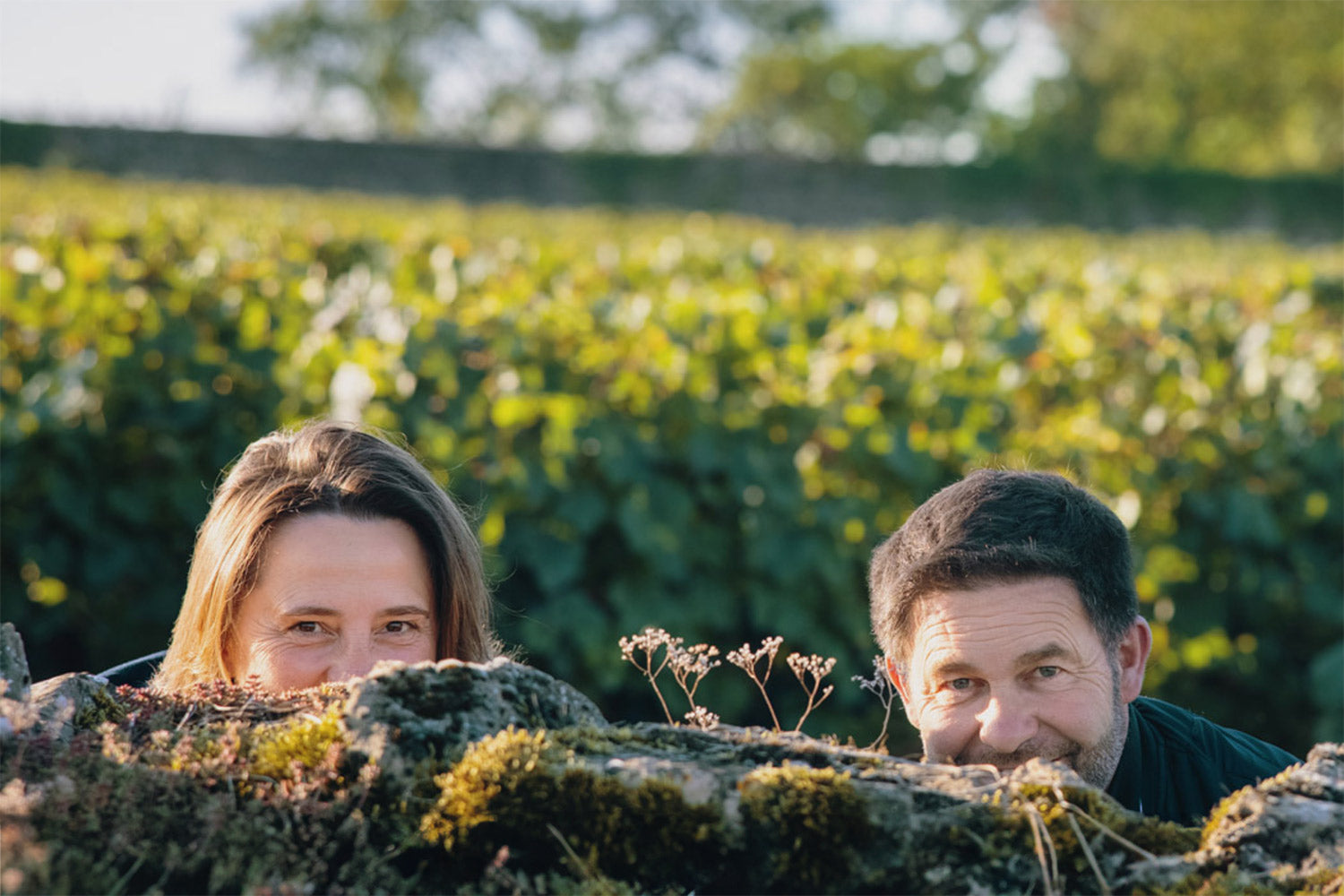
The fifth generation of a wine-growing family, Pascal Prunier-Bonheur took over the estate in 1983; it now operates 6 hectares of vines spread across Saint-Romain in Beaune through to Auxey-Duresses, Monthelie, Meursault and Pommard.
This 2017 is drinking at peak now, with the primary fruit beautifully integrated and secondary notes just beginning to emerge. Over the next 3-4 years, expect more forest floor and earth tones to develop while the red berry fruit remains present but becomes more nuanced. The silky tannins will continue to soften, though they're already drinking perfectly. After 2032, the fruit may begin to fade, though the wine will remain pleasant for several more years.
Tasting Notes
AppearanceMedium ruby with a slight garnet edge showing its maturity.
NoseGenerous red berries lead, with strawberry and raspberry complemented by subtle baking spices. There's a hint of forest floor developing, adding complexity without overwhelming the fruit. The oak integration is seamless.
PalateMedium to full-bodied with a silky texture that coats the mouth pleasantly. Red berry fruit carries through from the nose, supported by well-integrated tannins that provide structure without astringency. The acidity keeps everything fresh and food-friendly.
FinishClean and persistent, with the red fruit lingering alongside gentle spice notes.
Overall impressionThis is Beaune at its most approachable — generous, silky, and perfectly pitched for the dinner table.
Food Pairings
In Burgundy, this would be the natural partner for coq au vin made with the same wine, or boeuf bourguignon simmered slowly until tender. Locals would also serve it with rabbit in mustard sauce, a regional speciality that plays beautifully with the wine's silky fruit. Époisses cheese, Burgundy's pungent local treasure, makes an excellent match, as does a simple roasted chicken with herbs from the garden.
We think this wine would go well with
Serve at 16-17°C to show the fruit at its best without masking the developing complexity. No need to decant — this wine is ready to pour and enjoy immediately. Use Burgundy bowls if you have them, as the wider rim helps concentrate the elegant aromatics.
Les Bons Feuvres sits on Beaune's limestone and clay soils, with the limestone providing the mineral backbone while clay retains enough moisture for the vines during dry spells. The east-facing exposure captures morning sun while avoiding the harsh afternoon heat. These soils naturally restrict yields, concentrating the fruit flavours while maintaining the elegance that defines quality Beaune.
Beaune village wines represent excellent value in Burgundy, offering genuine Côte de Beaune character without premier cru prices. The appellation covers vineyards surrounding the historic wine capital, with varied exposures and soil types creating wines that range from elegant and mineral to generous and fruit-forward. Beaune typically drinks earlier than its more structured neighbours like Volnay or Pommard, making it perfect for those who want mature Burgundy without the wait.
The 2017 vintage in Burgundy arrived after a series of weather curveballs that kept growers on their toes from spring through harvest. April frosts dealt a brutal blow across the Côte d'Or, slashing yields by up to 60% in some villages, whilst those who escaped relatively unscathed found themselves with healthier vines and more concentrated fruit. The summer that followed was warm and dry, ripening what remained on the vine beautifully, and harvest began early in late August under ideal conditions.
What emerged from this challenging year surprises us still: wines of remarkable purity and focus, where the reduced yields translated directly into intensity without heaviness. The Pinot Noirs show beautiful red fruit clarity with firm but approachable tannins, whilst the Chardonnays display precision and mineral backbone that speaks clearly of their terroir. We find the whites drinking beautifully now and will continue to reward patience over the next decade, whilst the reds are starting to show their considerable charm and should peak between now and 2030.
FAQs
What does this wine taste like?
Generous red berry fruit with a silky texture and medium body. Think strawberry and raspberry with gentle spice, supported by smooth tannins that won't overpower your dinner.
When should I drink this wine?
Perfect right now through to 2032. It's at a lovely stage where the fruit is still vibrant but gaining complexity.
What food pairs well with this?
Roasted chicken, duck, lamb, or pork work beautifully. It's also excellent with mushroom dishes or soft cheeses. Think of it as a wine that enhances rather than competes with food.
How should I serve this wine?
Serve at 16-17°C in large wine glasses. No need to decant — just open and pour. Let it breathe in the glass for a few minutes to show its best.
Is this wine worth cellaring?
While it will keep until the early 2030s, we think it's drinking beautifully now. This style of Beaune rewards drinking rather than extended cellaring.
How does this compare to other Burgundy wines?
This represents excellent value village-level Burgundy with genuine character. It's more approachable than premier crus but offers real Pinot Noir personality at a fraction of the cost.
Explore related wines


What are you looking for tonight? Tell me the occasion, a grape, a region — or just try a suggestion below.
Your recommendations will appear here.
-
-
Speak to one of our Wine Gurus
Speak to a Wine GuruWith years of experience, our team can help you with all your wine buying and selling needs