

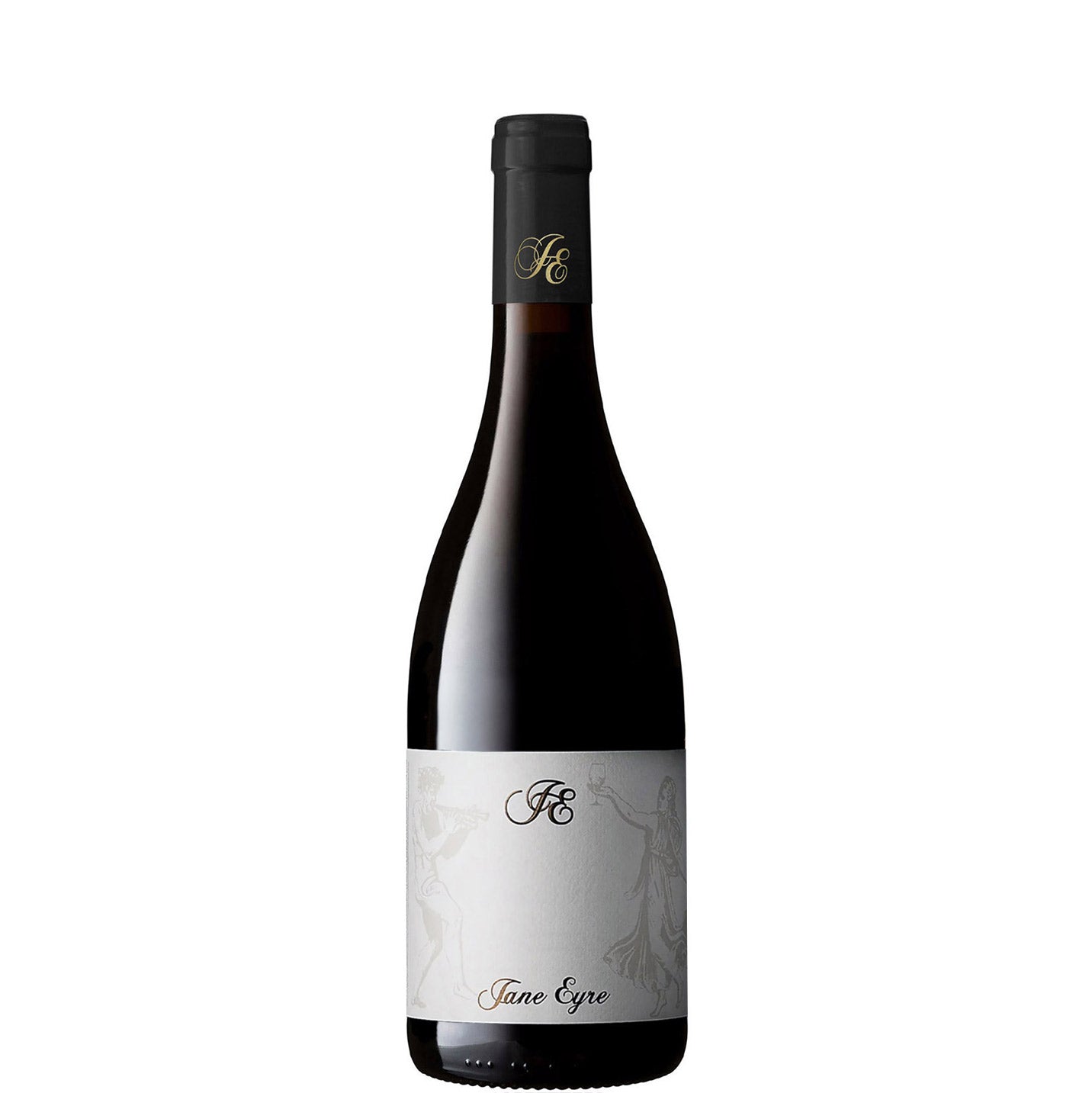
Beaune Premier Cru 'Les Grèves' Rouge, Jane Eyre, 2024
Beaune Premier Cru 'Les Grèves' Rouge, Jane Eyre, 2024
- 75cl
- 13%
- Red Still
- Pinot Noir
Couldn't load pickup availability

Optimal drinking window: 2027 - 2038
Les Grèves is one of Beaune's most admired Premier Cru lieux-dits, a long, south-facing slope whose name, 'the gravels', tells you everything about the well-drained, mineral-rich soils that give Pinot Noir here its characteristic finesse.
2024 could hardly suit Jane Eyre better. A cool, rain-affected year with low natural alcohols and sharply reduced volumes, it demanded obsessive sorting and restraint in the cellar. Jane delivered both. Whole-bunch use was carefully judged and varied by cuvée. In a vintage where some light-touch producers struggled to find flavour, Jane’s wines retain purity, energy, and real Pinot character.
"A small parcel close to town. Darker in colour, with compact, dark fruit and a more muscular tannic frame. Serious, structured, and built for patience."
Stewart Pryce, Honest Grapes Wine Club Manager
Drink it from 2027 as the primary fruit settles.
Right now the wine is still pulling its coat on — primary red fruit is vibrant but the structure hasn't fully knit together yet. By 2027 or 2028 the tannins will soften and the mineral, chalky character of Les Grèves will start to come into its own. Between 2029 and 2032 it should hit its stride, with secondary earthy and floral complexity layering in alongside the fruit. After 2033 it may begin to lighten and lose definition, so don't sit on it too long. The window is not enormous, but what's inside it is well worth catching.
What the critics say:
"In bottle. Two barrels made. A glowing ruby purple, with more density here. The nose too suggests sufficient concentration. Some tannins, good acidity, the gravelly tones expected from this vineyard but with a vibrant red fruit too. Drink from 2029-2034. Tasted Oct 2025. *4/5*"
Tasting Notes
AppearancePale, clear ruby with a translucent, youthful rim — classic 2024 Burgundy in the glass.
NoseFresh red cherry and wild strawberry sit at the front, with a lifted note of dried rose petal and a cool, chalky undertone that gives the whole thing a pleasing restraint. There's a faint earthy quality too — damp stone rather than anything funky — that speaks to the limestone beneath the vines.
PalateSilky in texture but with more grip than the colour suggests; the tannins are fine and present without being intrusive. Bright acidity carries red fruit through the mid-palate, and there's a mineral, almost saline quality on the back end that keeps everything lively and focused.
FinishClean, persistent, and cool — the kind of finish that makes you reach for another sip.
Overall impressionA precise, mineral-driven Beaune that rewards patience and repays attention at the table.
Food Pairings
In Burgundy, a wine like this would almost certainly be opened alongside a poulet de Bresse — the region's prized free-range chicken, roasted simply and served with a cream sauce and morels. Alternatively, the locals would reach for something from the charcuterie tradition: jambon persillé, the iconic parsley-flecked ham terrine that's a staple of Burgundian Sunday tables. A slow-braised rabbit with Dijon mustard and tarragon would be another natural pairing, the gentle acidity of the wine cutting through the richness of the sauce. For something simpler, a plateau of regional cheeses — Époisses washed-rind aside, which would overwhelm it — particularly a young Comté or a mild chèvre, would do the job admirably.
We think this wine would go well with
Serve at around 15 to 16°C — cool enough to keep the acidity lively, warm enough to let the fruit open. As a young 2024, a short decant of 20 to 30 minutes will help it show its best, coaxing out the floral lift and softening any youthful tightness. A large-bowled Burgundy glass is ideal, giving the wine room to breathe and concentrating those delicate aromatics. Don't over-chill it from the cellar — 20 minutes out of the fridge is rarely enough for a wine this structured.
Les Grèves sits on the mid-slope of the Côte de Beaune, directly below the town of Beaune itself, on a south to south-east facing incline that maximises sun exposure. The soils are primarily limestone-rich brown earths over Bajocian and Bathonian limestone bedrock, with the upper sections showing more gravel and stone — hence the name. This free-draining, rocky structure keeps vigour in check and concentrates flavour while preserving freshness. The altitude, typically 250 to 300 metres, helps maintain cool nights that protect acidity through the growing season.
Beaune Premier Cru is the workhorse appellation of the Côte de Beaune, but that undersells it considerably. Beaune has more Premier Cru land than any other commune in Burgundy — around 322 hectares — and Les Grèves, at roughly 31 hectares, is among the largest and most consistently praised. The AOC rules require 100% Pinot Noir for reds, with maximum yields of 40 hl/ha at Premier Cru level. Compared to Pommard to the south or Volnay further up, Beaune Premiers Crus tend to sit in the middle ground: more structured and mineral than Volnay, but less muscular than Pommard — elegant rather than imposing.
The 2024 growing season in Burgundy was, frankly, a test of nerve. A wet spring brought significant mildew pressure, and vignerons who stayed sharp in the vineyard — working fast, keeping canopies open, reducing yields where necessary — came out the other side with something worth talking about. Summer brought warmer, drier conditions that helped the fruit recover composure, and harvest arrived broadly on the later side, with growers picking carefully to find phenolic ripeness without sacrificing freshness. Quantity was down across much of the Côte, which concentrates minds as much as it concentrates wine.
What emerged is a vintage that rewards those who put the work in. The Pinots we have tasted carry real precision and translucency — not because they are light, but because the acidity is lively and the fruit unforced. Chardonnays from the Côte de Beaune look particularly promising: taut, mineral, with genuine length. This is not a vintage to panic-open. Most village and premier cru reds want three to five years at minimum, with the better appellations drinking well until 2035 and beyond. The whites are more approachable now, though the best will reward patience too.
FAQs
What does this wine taste like?
It's precise and mineral rather than generous and plush. Think bright red cherry, crushed stone, dried rose, and a cool, chalky quality on the finish. It's a Beaune that rewards attention — this is about tension and length, not easy fruit.
When should I drink this wine?
We'd give it until at least 2027 before pulling the cork, by which point the primary fruit will have settled and the structure will have softened into something more harmonious. It should drink well until around 2035.
Does it need decanting?
A short decant of 20 to 30 minutes will do it good — enough to open up the aromatics and ease any youthful tightness without losing the freshness that makes it appealing. Don't leave it sitting for hours.
What food should I serve with it?
Classic Burgundian fare is the obvious answer: roast chicken with cream and morels, rabbit with Dijon mustard, or a good jambon persillé. It's also a natural match for mushroom dishes, mild chèvre, or a young Comté. Keep the flavours gentle — this wine doesn't need to fight for space.
Is Les Grèves a good Premier Cru?
One of Beaune's best, actually. It's a large site, but the upper sections in particular have a track record for producing wines with real finesse and mineral character. Historically it was ranked just below Grand Cru level by some 19th-century classifications — which tells you something about its pedigree.
Is this wine worth cellaring?
Yes, within reason. It's not a wine that needs or rewards 20 years in the cellar, but holding it until 2029 to 2032 should bring genuine complexity. The structure is there; it just needs time to integrate. If you're tempted to open one now, make sure you have a few more in reserve.
Explore related wines


What are you looking for tonight? Tell me the occasion, a grape, a region — or just try a suggestion below.
Your recommendations will appear here.
-
-
Speak to one of our Wine Gurus
Speak to a Wine GuruWith years of experience, our team can help you with all your wine buying and selling needs