
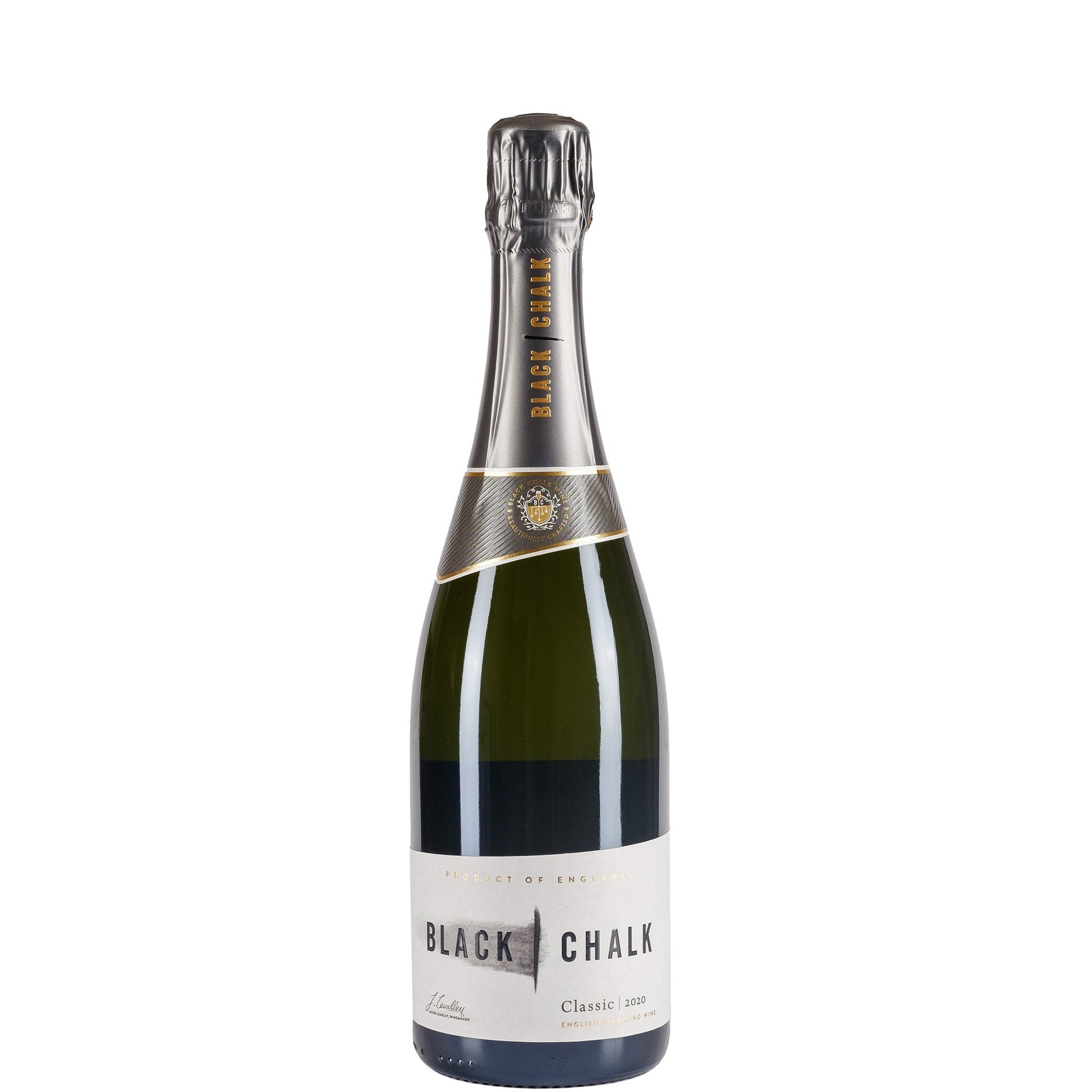
Black Chalk, Classic Cuvée, 2020
Black Chalk, Classic Cuvée, 2020
- 75cl
- 12%
- White Sparkling
- Chardonnay, Pinot Meunier, Pinot Noir
- Organic
- Vegetarian
- Vegan
Couldn't load pickup availability

Optimal drinking window: 2026 - 2032
About Black Chalk, Classic Cuvée, 2020
The 2020 Black Chalk Classic Cuvée offers a delightful balance of freshness, elegance, and complexity. Each sip reveals a fine mousse, vibrant acidity, and a harmonious blend of fruit and mineral notes.
Black Chalk winery has a rich history rooted in the picturesque English countryside. Founded by husband-and-wife team Phil and Lynette Bowden in 2015, the winery is a relatively young player in the industry, but it has quickly made a name for itself by producing exceptional sparkling wines. With a focus on the traditional Champagne method and a commitment to sustainable viticulture, Black Chalk showcases the unique terroir of Hampshire.
Currently drinking beautifully with vibrant primary fruit balanced by developing brioche complexity from lees ageing. The intense black fruit character will integrate over the next few years, allowing the spice layers and mineral backbone to become more prominent. Peak drinking will be around 2026-2032, when the honeyed richness fully harmonises with the bright acidity. After 2033, the fruit intensity may begin to fade, though the wine's substantial structure suggests it could hold longer.
What the critics say:
"An unusually juicy, black-fruited sparkling wine. I've recently tasted a cassis from Burgundy, and this bears a remarkable resemblance – albeit dry and sparkling and white. But the fruit on this wine is quite remarkable. It's intensely vibrant, almost outrageously so, but far from simple. It's interleaved with layer upon layer of spice (caraway seed, star anise, liquorice root), a drizzle of sweetness that is on the cusp of maple syrup, and the pillowy softness of warm, new-baked brioche overwhelming the fine, tiny tingle of bubbles."
"Toasty citrus, seashells and crushed minerals on the nose. With dosage at 9g/l, it's honeyed on the palate with brioche and ripe blood orange. The base wine hasn't been through malolactic fermentation thus retained bright acidity (8.6g/l). Honey-roasted hazelnuts on the finish. 2020 is the first vintage sourced entirely from the producer's own vineyards."
Tasting Notes
AppearancePale gold with persistent fine bubbles and excellent mousse.
NoseImmediately striking with blackcurrant intensity that's almost burgundian in character. Layers of spice emerge - caraway seed, star anise, liquorice root - alongside toasty citrus and crushed seashells. There's a hint of maple sweetness weaving through the complexity.
PalateJuicy and vibrant with that remarkable black fruit core, honeyed from the 9g/l dosage but kept fresh by bright acidity at 8.6g/l. Brioche richness from lees ageing creates pillowy softness that almost overwhelms the fine bubble texture. Blood orange and honey-roasted hazelnuts add further layers.
FinishLong and spiced with lingering hazelnut richness and mineral precision.
Overall impressionAn unusually intense and complex English sparkling wine that punches well above its weight.
Food Pairings
In Hampshire, this would naturally accompany the county's famous watercress in a fresh salad with smoked trout, the peppery leaves playing beautifully against the wine's spice layers. Local game like venison or partridge would match the wine's intensity, whilst Hampshire's artisan cheeses - particularly the creamy Tunworth or aged Winchester - would echo the brioche richness. The traditional ploughman's lunch with proper Hampshire ham and crusty bread makes perfect sense with this wine's substantial character.
We think this wine would go well with
Serve well-chilled at 6-8°C in proper flutes or white wine glasses to appreciate the aromatics. No need to decant - pour directly from the chilled bottle. The wine benefits from a few minutes in the glass to open up and show its complexity, so don't rush the first sip.
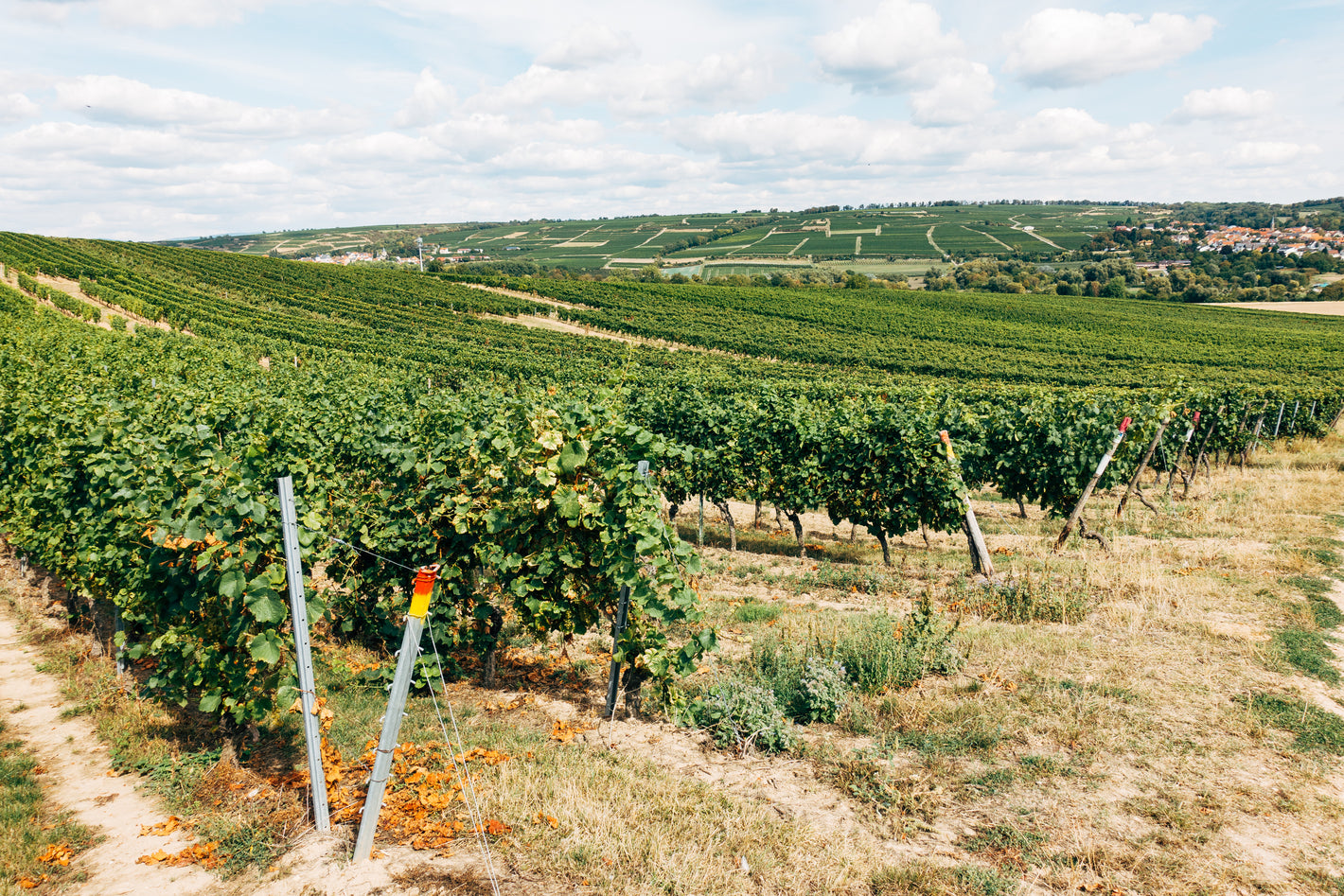
Black Chalk's Hampshire vineyards benefit from the same chalk downlands that run through Champagne, providing excellent drainage and mineral complexity. The southern English climate offers long, cool ripening seasons that preserve acidity whilst allowing full flavour development. The chalky soils impart a distinctive mineral backbone that underpins the wine's intensity and gives it serious ageing potential.
Hampshire sits within England's burgeoning sparkling wine region, sharing similar chalk soils and climate conditions with Champagne. English sparkling wines must follow traditional method production, with secondary fermentation in bottle and extended lees contact. The region has gained international recognition for producing wines that rival their French counterparts, with Hampshire's downland sites proving particularly successful for premium cuvées.
Hampshire's 2020 vintage arrived with the kind of drama that keeps winemakers awake at night and then rewards them handsomely. The growing season brought England's second-warmest year on record, with a dry spring followed by perfectly timed summer rainfall that kept the vines happy without compromising ripeness. September delivered exactly what sparkling wine producers pray for: warm days, cool nights, and crucially, no late-season rain to dilute the fruit just before harvest.
What emerged from this golden year showcases Hampshire at its most confident. The Chardonnay shows real depth and mineral precision, whilst Pinot Noir achieved colour and structure that older vintages could only dream of. These aren't wines that need coaxing or excuses - they're drinking superbly now and the best examples will cellar happily until 2028. We find ourselves reaching for 2020 Hampshire sparklers when we want to prove a point about English wine's coming of age.
FAQs
What does this sparkling wine taste like?
Unusually intense for English fizz, with blackcurrant richness, brioche depth, and complex spice layers including caraway and star anise, all kept fresh by bright acidity.
When should I drink this bottle?
Drinking beautifully now and will continue to develop complexity, with peak drinking around 2026-2032.
What food pairs well with this wine?
The intensity works brilliantly with smoked fish, game dishes, or Hampshire's local specialities like watercress salad with trout or proper ploughman's lunch.
How should I serve this sparkling wine?
Serve well-chilled at 6-8°C in flutes or white wine glasses, allowing a few minutes in the glass to show its full aromatics.
Is this worth cellaring?
Absolutely - this has the structure and complexity to reward cellaring until 2032, developing greater integration and showing its mineral backbone with time.
How does this compare to Champagne?
The intensity and complexity rival serious Champagne, with a distinctively English mineral precision from Hampshire's chalk soils and a more exuberant fruit character.
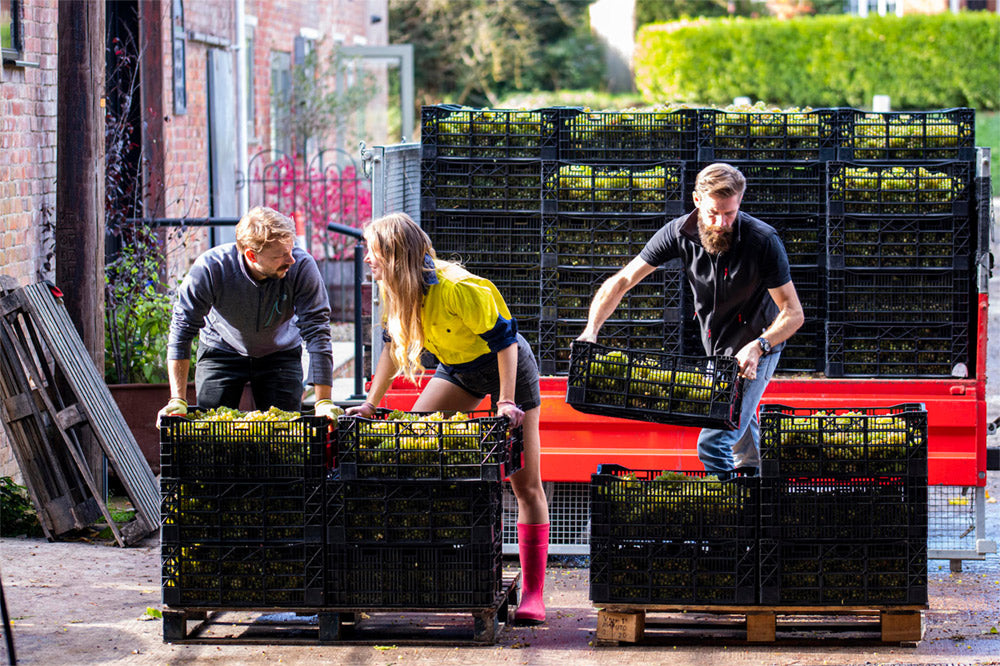
OUR GROWERS
Black Chalk
Explore related wines


What are you looking for tonight? Tell me the occasion, a grape, a region — or just try a suggestion below.
Your recommendations will appear here.
-
-
Speak to one of our Wine Gurus
Speak to a Wine GuruWith years of experience, our team can help you with all your wine buying and selling needs