
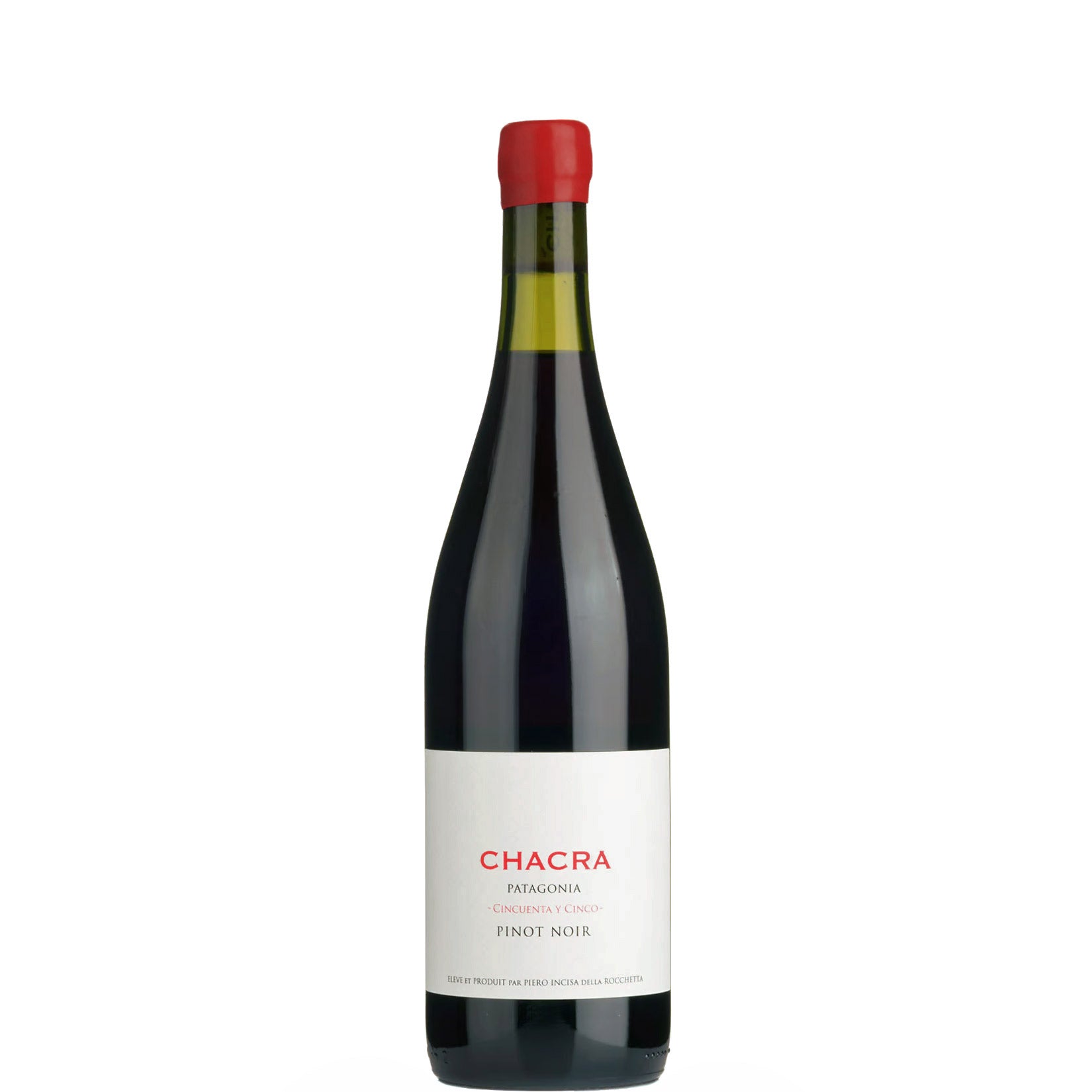
Bodega Chacra, Cincuenta Y Cinco '55' Pinot Noir, 2025
Bodega Chacra, Cincuenta Y Cinco '55' Pinot Noir, 2025
- 75cl
- 11.8%
- Red Still
- Pinot Noir
- Organic
- Biodynamic
Couldn't load pickup availability

Optimal drinking window: 2026 - 2034
Chacra's '55' takes its name from the year those Pinot Noir vines were planted in the Río Negro valley of Patagonia; it's one of the oldest Pinot plantings in Argentina, and the spiritual heart of everything Piero Incisa della Rocchetta has built here.
This is not a wine chasing Burgundian imitation; it's something genuinely its own: cool-climate, wind-scoured, iron-rich, with a translucency and nervous energy that remind you how far south you actually are.
What the critics say:
"Strawberry, spice, nutmeg and orange peel aromas follow through to a medium body with fine tannins and underlying salinity. Crunchy, tight and classy. Only 11.8% alcohol. Drink now."
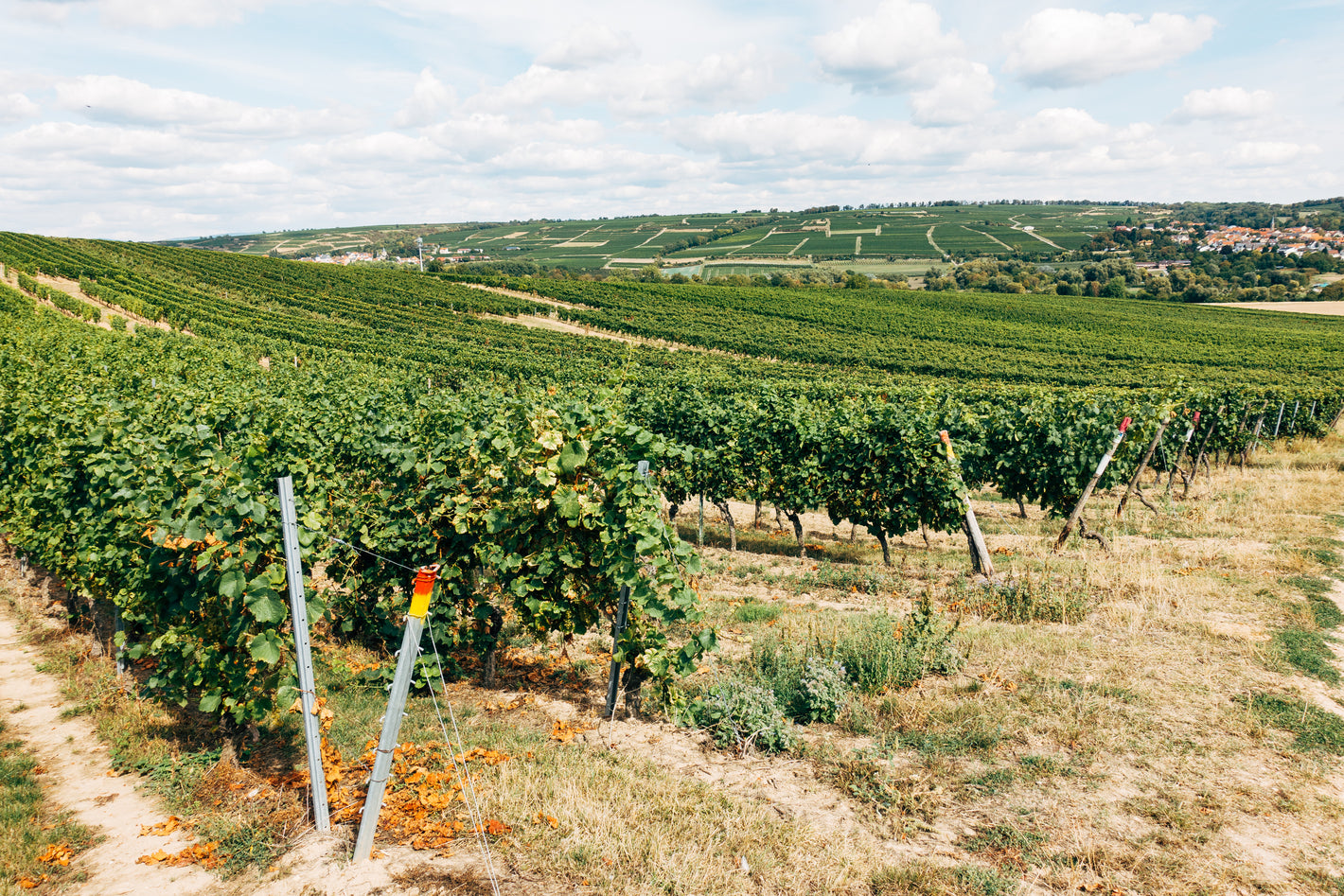
The Río Negro valley sits at roughly 38-39 degrees south, where Patagonian winds, low humidity, and intense sunlight create a naturally disease-free environment perfectly suited to old-vine Pinot Noir. Soils are sandy loam over river-deposited alluvium with a significant iron and mineral content, which gives Chacra's wines their characteristic savoury, almost blood-orange edge. The diurnal temperature range is dramatic, preserving acidity and keeping alcohol in check despite the long, sunny growing season. These conditions produce small, concentrated berries with real structural tension.
Río Negro is Patagonia's most significant wine region, situated in the northern reaches of Argentine Patagonia some 1,200 kilometres south of Mendoza. It carries its own Indicación Geográfica status and is increasingly recognised as one of South America's most exciting cool-climate zones, particularly for Pinot Noir and aromatic whites. Unlike Mendoza, there are no legal constraints on yields or varieties beyond the IG framework, so producers here largely self-regulate. The region's isolation has kept land prices lower and ambitions higher than almost anywhere else in Argentina.
Patagonia's 2025 vintage is, frankly, too recent for firm conclusions — harvest data and critical assessments are still filtering through, and we'd rather be straight with you than dress up uncertainty in confident language. What we do know is that the region's high-altitude Río Negro and Neuquén vineyards continued to benefit from the wide diurnal temperature swings that define Patagonian growing seasons: warm days building phenolic ripeness, cold nights locking in freshness. Early indications suggest a season without dramatic disruption, which in Patagonia typically points towards wines of good natural balance rather than forced concentration.
The region's Pinot Noir and Malbec are the ones to watch, as ever. From what we're hearing, the Pinots look particularly promising — taut, with the kind of red-fruit clarity that the best Patagonian sites deliver when the season doesn't push too hard. Malbec from this latitude tends to run leaner and more structured than its Mendoza cousins, and 2025 appears to follow that logic. Most wines should drink well from 2026 or 2027, with the more serious reds worth holding until 2029 or beyond.
Explore related wines


-
-
Speak to one of our Wine Gurus
Speak to a Wine GuruWith years of experience, our team can help you with all your wine buying and selling needs