

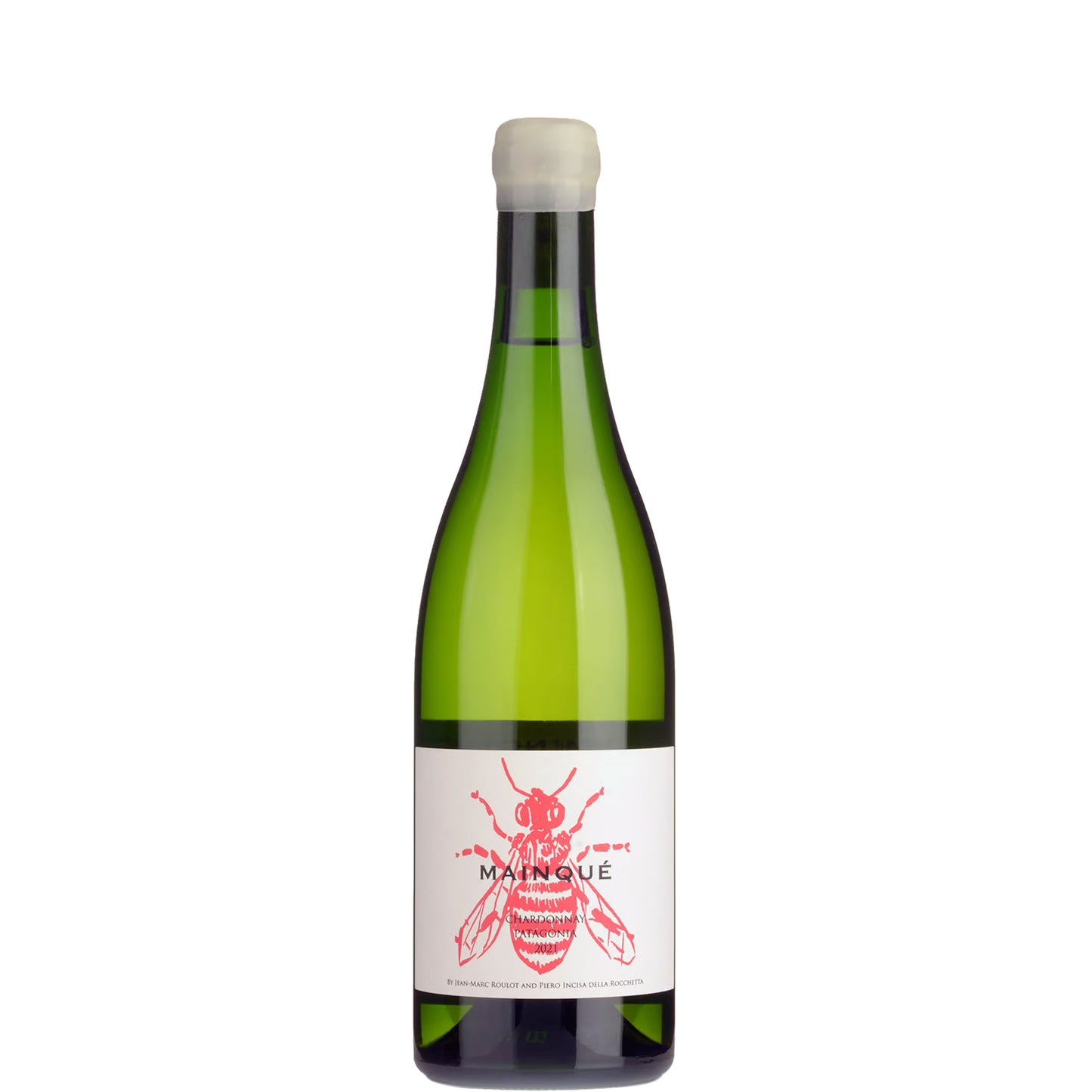
Bodega Chacra, 'Mainqué' Chardonnay, 2025
Bodega Chacra, 'Mainqué' Chardonnay, 2025
- 75cl
- 12.5%
- White Still
- Chardonnay
- Organic
- Biodynamic
Couldn't load pickup availability

Optimal drinking window: 2026 - 2032
Crafted in collaboration with renowned Burgundian winemaker Jean-Marc Roulot, the Mainqué Chardonnay from Bodega Chacra offers a harmonious blend of Old World elegance and New World energy. The unique position of the vineyards, nestled right in the middle of the desert and cultivation only possible thanks to the nearby Rio Negro river, means they can flood irrigate up to three times per year, preventing the dreaded Phylloxera and other pests, which also allows them to cut down on chemicals so that organic viticulture is practised here. Where pests struggle, Pinot Noir and Chardonnay on the other hand thrive, producing wines of exquisite quality in the right hands.
Mainqué is the name of a small town in the Río Negro province of Patagonia, Argentina, where Bodega Chacra is located. In Mapuche, Mainqué is often interpreted to mean "condor," referencing the majestic bird that soars over the Andes and is a powerful symbol in South American indigenous culture.
What the critics say:
"The saltiness in this chardonnay is so impressive, with aromas of sliced apples, honey, crushed stones and honeysuckle. Medium-bodied, crunchy, vivid and flavorful, with hints of peaches and grape skin. Drink now or hold."
The Mainqué vineyard sits in the Upper Río Negro Valley at around 300 metres altitude, where sandy soils over river-deposited gravel and limestone give excellent drainage and very low fertility. Patagonia's diurnal temperature swings — often exceeding 20°C between day and night — are the key to the wine's freshness, preserving acidity and delicate aromatics despite the intense daytime sun. Constant wind off the Andes also plays a role, cooling the canopy and keeping yields naturally low. The result is Chardonnay with a structural grip that has no business existing this far south on a map.
The Río Negro Valley in Argentine Patagonia sits around 650km south of Mendoza and operates under the broader Indicación Geográfica framework for Argentine wines rather than a tightly regulated DOC system. The region is defined more by its extreme climate and ancient alluvial soils than by any appellation rules, and producers here have enormous freedom in how they work. What sets it apart from Mendoza is the cold: harvests happen weeks later, yields are naturally lower, and the wines carry a freshness and nerve that warmer Argentine regions rarely achieve.
Patagonia's 2025 vintage is, frankly, too recent for firm conclusions — harvest data and critical assessments are still filtering through, and we'd rather be straight with you than dress up uncertainty in confident language. What we do know is that the region's high-altitude Río Negro and Neuquén vineyards continued to benefit from the wide diurnal temperature swings that define Patagonian growing seasons: warm days building phenolic ripeness, cold nights locking in freshness. Early indications suggest a season without dramatic disruption, which in Patagonia typically points towards wines of good natural balance rather than forced concentration.
The region's Pinot Noir and Malbec are the ones to watch, as ever. From what we're hearing, the Pinots look particularly promising — taut, with the kind of red-fruit clarity that the best Patagonian sites deliver when the season doesn't push too hard. Malbec from this latitude tends to run leaner and more structured than its Mendoza cousins, and 2025 appears to follow that logic. Most wines should drink well from 2026 or 2027, with the more serious reds worth holding until 2029 or beyond.
Explore related wines


-
-
Speak to one of our Wine Gurus
Speak to a Wine GuruWith years of experience, our team can help you with all your wine buying and selling needs