

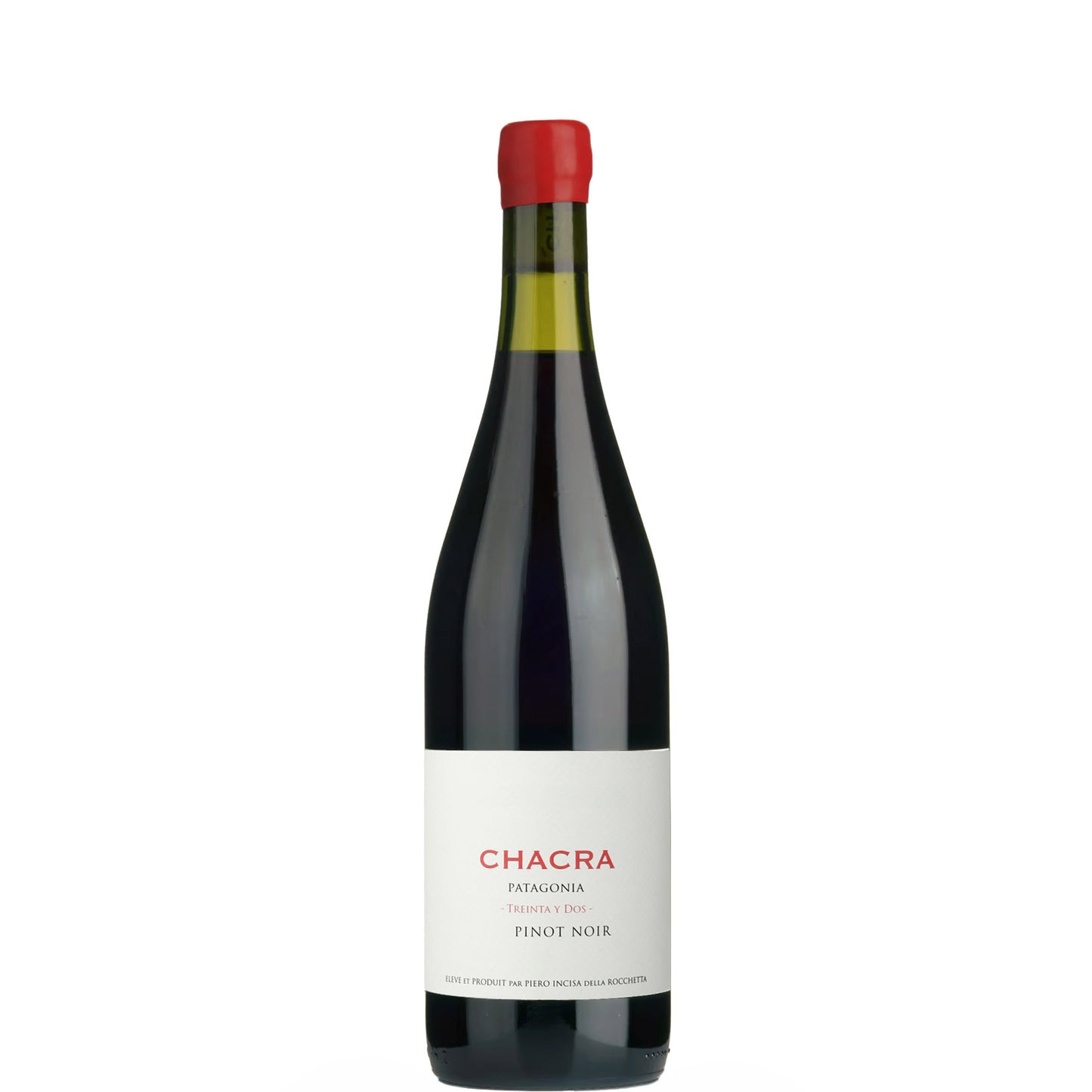
Bodega Chacra, Treinta Y Dos '32' Pinot Noir, 2024
Bodega Chacra, Treinta Y Dos '32' Pinot Noir, 2024
- 75cl
- 11.2%
- Red Still
- Pinot Noir
- Organic
- Biodynamic
Couldn't load pickup availability

Optimal drinking window: 2026 - 2034
Chacra's '32' is named after the year the ungrafted Pinot Noir vines were planted in the Río Negro valley of Patagonia — vines that were old when Piero Incisa della Rocchetta arrived and decided, rightly, that they deserved serious attention.
This is Patagonian Pinot from a part of the world that still surprises people who haven't tried it: high-desert conditions, sandy soils, and a diurnal shift so dramatic it practically gifts the wine its freshness. The result is something genuinely Burgundian in spirit without being a pastiche of it.
What the critics say:
"The aromas of this red are rather endless, with rose petals, rose stems, strawberries, sliced oranges, crabapples and hints of white pepper and peaches. Medium-bodied with depth of fruit. intensity and crushed stone flavors. Linear, racy and vibrant, with brightness and energetic length. From vineyards planted in 1932. 11.2% alcohol. Drink or hold."
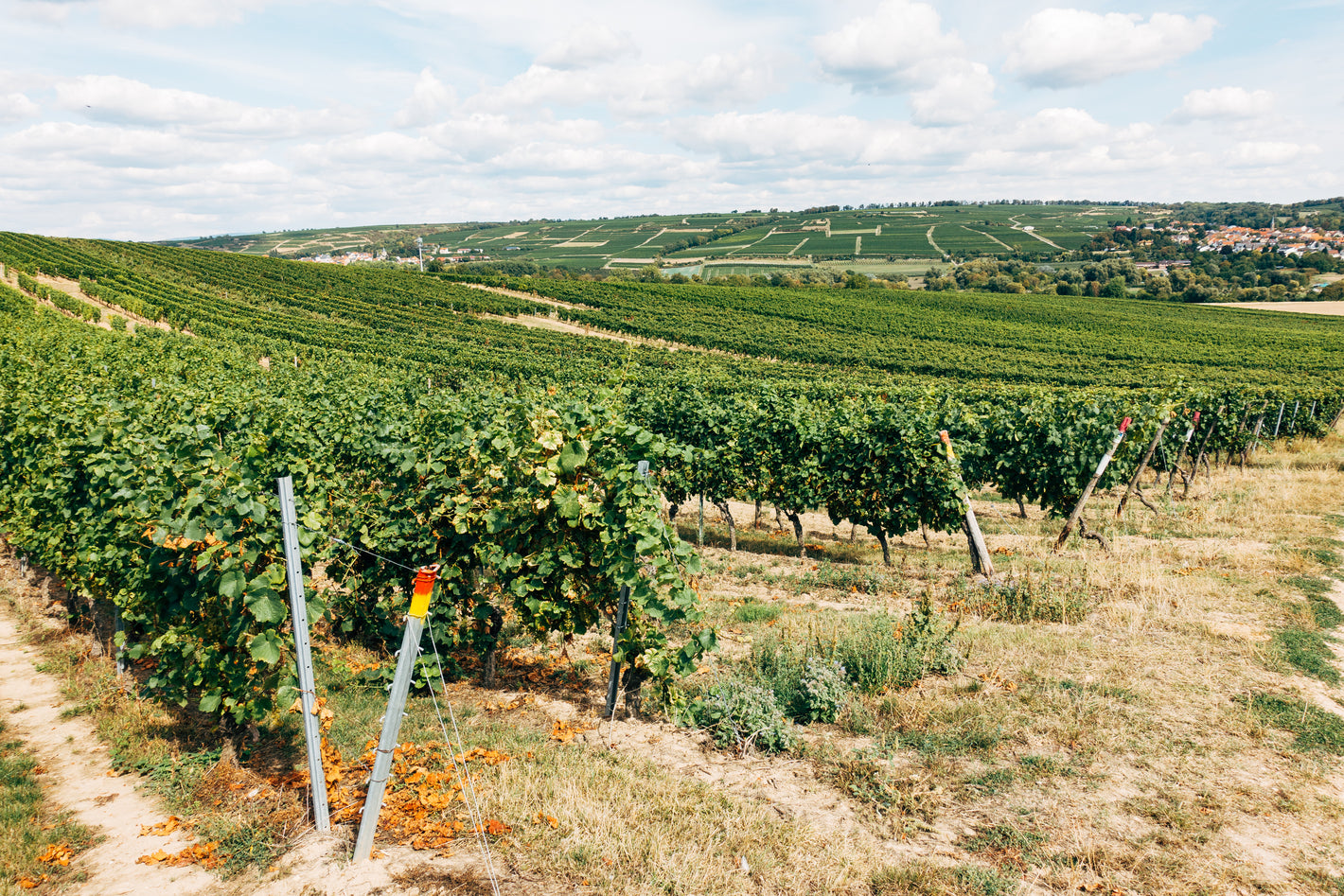
The Río Negro valley sits at the northern tip of Patagonia, where the Andes' rain shadow creates an almost desert-like climate — hot days, bitterly cold nights, and precious little rain. The soils are sandy and alluvial, poor in nutrients and well-drained, which keeps yields naturally low and concentrates flavour without forcing it. The diurnal temperature shift, often exceeding 20°C between day and night, is the engine of the wine's freshness and aromatic precision. The ungrafted vines, planted directly into sandy soils that phylloxera cannot navigate, draw from deep reserves with the unhurried confidence of age.
Patagonia is Argentina's southernmost and most dramatically cool wine region, centred on the Río Negro and Neuquén provinces. Unlike Mendoza, which dominates Argentine wine production, Patagonia operates on a smaller, more artisanal scale, with a handful of producers farming in conditions that more closely resemble cool-climate Europe than the rest of South America. There are no strictly enforced appellation rules in the way of a French AOC, but the GI (Geographical Indication) of Río Negro is increasingly recognised as one of Argentina's most distinctive wine zones. The cool climate and old vines make it particularly well-suited to Pinot Noir and aromatic whites.
The 2024 vintage in Patagonia delivered what growers had been hoping for after a string of challenging seasons. Spring arrived with steady temperatures and well-timed rainfall, setting the vines up beautifully before a warm, dry summer allowed for slow, even ripening. The key was avoiding the dramatic temperature swings that can plague this windswept region—instead, we saw consistent conditions that let the grapes develop real concentration while holding onto their natural freshness.
What emerged from the cellars shows Patagonia at its most compelling: wines with real backbone but none of the austere edges that can mark cooler years here. The Malbecs have depth and spice without losing their distinctive mineral thread, while Pinot Noir achieved that sweet spot between richness and the bright acidity this region does so well. Most 2024s are drinking superbly now, though the reds have the structure to reward cellaring until 2032. We think this vintage captures exactly why Patagonia has become such an exciting frontier—power married to precision, with that unmistakable sense of place shining through.
Explore related wines



-
-
Speak to one of our Wine Gurus
Speak to a Wine GuruWith years of experience, our team can help you with all your wine buying and selling needs