
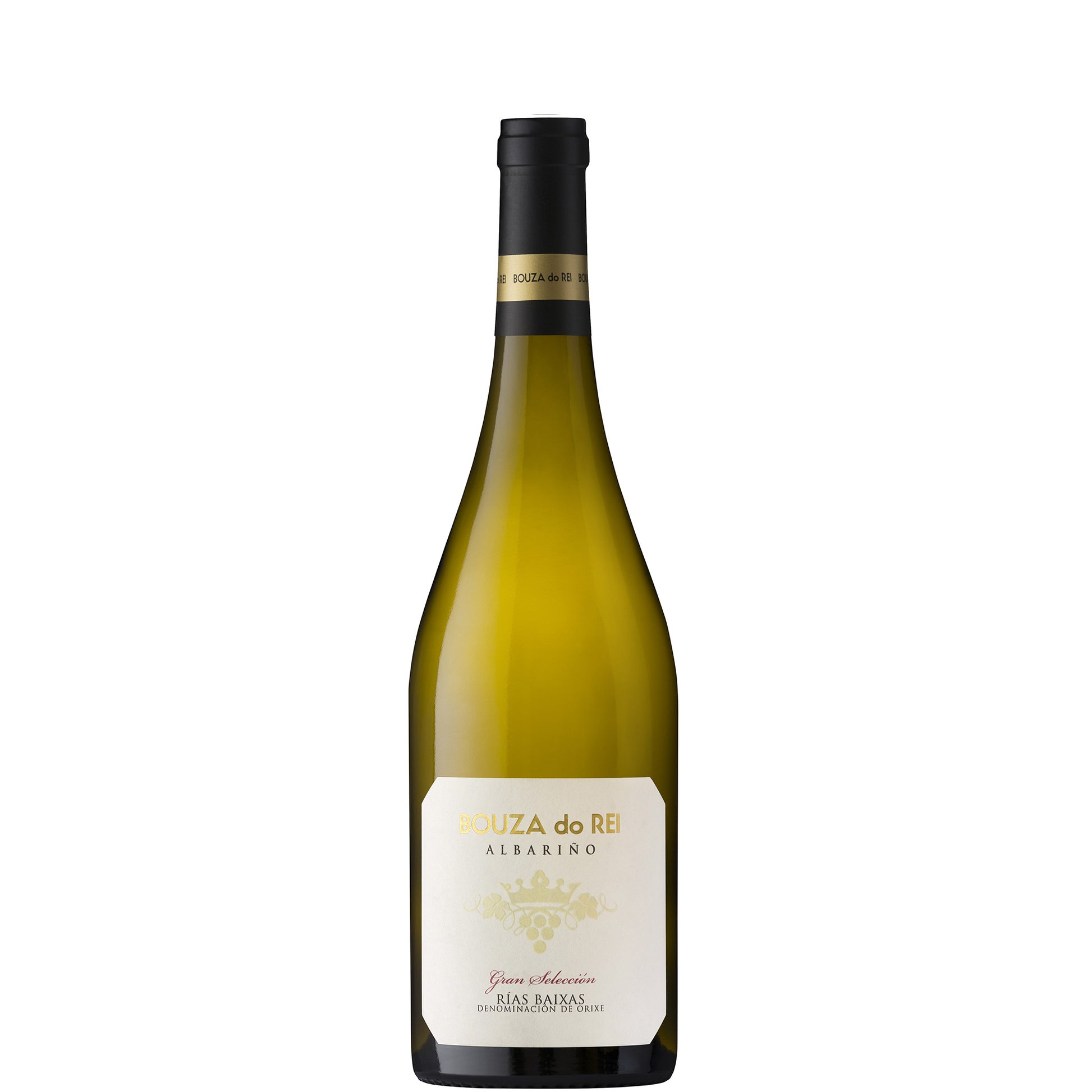
Bouza do Rei, Gran Seleccion, 2021
Bouza do Rei, Gran Seleccion, 2021
- 75cl
- 12.5%
- White Still
- Albariño
Couldn't load pickup availability

Optimal drinking window: 2026 - 2029
About Bouza do Rei, Gran Seleccion, 2021
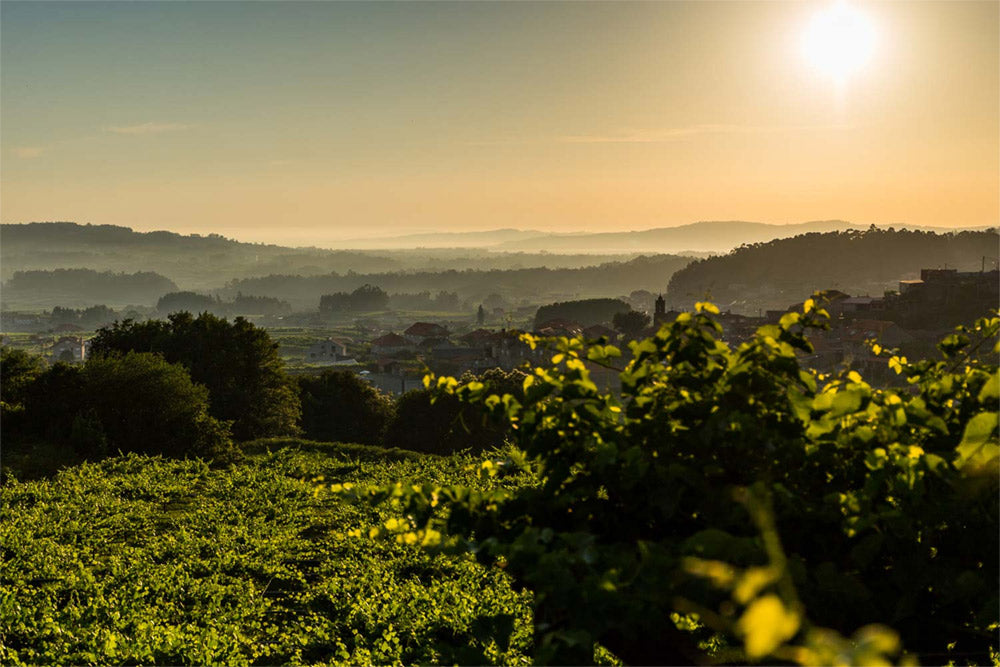
Nestled within the captivating Ribadumía region, amidst the heart of the Salnés Valley between the Arousa and Pontevedra estuaries, lies Bouza do Rei.
Born in 1984, it stood as one of DO Rías Baixas' pioneering wineries, rooted on a modest 49.4-acre expanse. Today, Bodegas Bouza do Rei orchestrates over 247.1 acres of vineyards, their average age spanning two decades. Adhering to tradition, vines elegantly sprawl on granite posts, fostering sun-soaked fruit while warding off moisture. The winery employs cutting-edge technology for crafting its esteemed wines, employing pneumatic presses, advanced cooling systems, and stainless steel tanks for vinification and preservation.
Radiating a brilliant golden straw hue, this wine opens with an intense bouquet—papaya, lychees, and water pear interlace with menthol, minerals, and a hint of brine. The palate delights in pineapple, yellow apple, and hints of aromatic herbs, framed by a mineral core. The journey culminates in a persistently pleasurable bitter finish.
Pair with seafood, pork, veal, or mussels to unlock the full gastronomic delight of Bouza do Rei's creation.
At five years old, the 2021 is right in its prime drinking window and there is no compelling reason to wait. The tropical fruit is still vivid and the acidity is at its most electric. Over the next year or two, expect the fruit to soften slightly and the mineral and herbal qualities to become more prominent. By 2029, the wine will likely be past its best, with primary fruit fading and the freshness that defines it beginning to flatten. Gran Selección examples can occasionally surprise with a little extra longevity, but this style of Albariño is fundamentally built for pleasure in the near term rather than the cellar.
Tasting Notes
AppearanceBright golden straw with a faint green tinge and good clarity.
NoseOpens with ripe tropical fruit, papaya and lychee leading, then settles into something cooler and more mineral. There is a saline lift, almost like sea spray, alongside a whisper of white blossom and fresh herbs.
PalateCrisp and focused, with yellow apple and a touch of pineapple framed by firm, mouthwatering acidity. The granite soils make themselves felt in a chalky, almost electric mineral quality that runs through the middle of the palate and keeps the fruit honest.
FinishClean and persistent, with a pleasantly bitter, almost almond-skin edge that is classic Albariño and very good with food.
Overall impressionA precise, coastal Albariño that earns its Gran Selección designation through focus and character rather than weight.
Food Pairings
In Galicia, Albariño is inseparable from the seafood that comes out of the same estuaries that shape the wine's character. Pulpo a la gallega, octopus dressed with olive oil, paprika, and sea salt on a wooden board, is the classic pairing, and it is a classic for good reason. Steamed mussels from the Arousa estuary, berberechos (cockles) with lemon, or a plate of percebes (barnacles) eaten standing up at a market stall are all natural partners. Further inland, it works well with the region's empanada gallega, a pastry filled with tuna or salt cod and slow-cooked onion. The wine's bitter finish makes it particularly good with anything that has a little brininess or umami to it.
We think this wine would go well with
Serve at around 10 to 12 degrees Celsius, cold enough to keep the acidity lively but not so cold that the aromatic complexity closes up. No need to decant, though giving it five minutes in the glass once poured does no harm. A tulip-shaped white wine glass with a reasonably narrow opening works well here, concentrating the saline and floral aromatics rather than letting them dissipate. Drink within an hour or two of opening.
The vineyards sit in the Salnés Valley, hemmed in by the Arousa and Pontevedra estuaries, which means the Atlantic influence is impossible to ignore: cool, humid summers, plenty of wind, and a constant saline presence in the air. Soils are predominantly granite-derived, sandy and free-draining, which keeps vine stress moderate and preserves natural acidity in the fruit. Vines are trained on granite posts in the traditional pergola style, lifting the canopy off the ground to improve air circulation and reduce the risk of rot. The result is a particular kind of Albariño: tense, mineral, and distinctly coastal rather than exuberantly fruity.
DO Rías Baixas covers the cool, wet, Atlantic-facing corner of Galicia in northwest Spain, and it is almost synonymous with Albariño, which accounts for the vast majority of what is planted here. The appellation divides into five sub-zones, of which Salnés Valley is the largest and most celebrated, setting the benchmark for the crisp, saline, high-acid style that the DO is famous for. Gran Selección is a classification within the rules that allows producers to highlight single-vineyard or superior-quality lots, typically with stricter yield limits and a requirement for some additional ageing. If you know Vinho Verde from across the Minho River, think of Rías Baixas as the Spanish cousin: more structured, more alcoholic, and generally more serious in ambition.
The 2021 growing season in Rías Baixas was shaped by the kind of Atlantic volatility the region knows well — a cool, damp spring that pushed growers into careful canopy management to keep mildew at bay, followed by a warmer, drier summer stretch that allowed the Albariño to recover and ripen steadily. Yields were down in places, but that pressure on the vine concentrated what remained. The harvest came in with grapes in good condition, and the lower volumes focused minds on quality rather than quantity.
The resulting wines have a brightness and tension that make 2021 a vintage worth paying attention to. Albariño from this year tends to carry real grip — citrus pith, saline mineral character, the kind of acidity that keeps things lively rather than just sharp. These are not wines that demand cellaring, but the better producers' single-vineyard and barrel-fermented bottlings will repay patience until 2025 or 2026. For everyday Rías Baixas, drink now with confidence.
FAQs
What does this wine taste like?
Think crisp, coastal, and focused. There is tropical fruit on the nose, papaya and lychee, that gives way to yellow apple and a stony, saline mineral quality on the palate. The finish has a clean, slightly bitter edge that is very typical of good Albariño and makes it particularly good alongside food.
When should I drink this wine?
Now is the right moment. The 2021 is in its prime in 2026, with bright fruit and electric acidity both at their best. We would drink it over the next two to three years rather than holding it any longer. Albariño at this level is built for near-term pleasure rather than long cellaring.
What food should I pair with it?
Seafood is the obvious answer, and for good reason. Mussels, clams, prawns, grilled fish, or octopus with olive oil and paprika are all outstanding matches. The wine also works well with lighter pork dishes, salt cod preparations, or anything with a briny, umami quality. It is a genuinely versatile food wine.
How should I serve it?
Serve it at around 10 to 12 degrees Celsius, which is colder than most white wines but right for a high-acid, aromatic style like this. No decanting needed. A tulip-shaped white wine glass is ideal. Drink it within a couple of hours of opening.
What makes this a Gran Selección?
Within DO Rías Baixas, Gran Selección is a designation for superior-quality, typically single-vineyard Albariño produced under stricter yield restrictions and with some additional ageing requirements. It is the appellation's way of distinguishing its most serious, site-specific bottles from the broader category. Think of it as the step up from standard Rías Baixas into something with more focus and ambition behind it.
Is this wine worth cellaring?
Honestly, no. This is a wine that rewards drinking sooner rather than later. The qualities that make it distinctive, its freshness, saline lift, and vivid acidity, are at their most compelling right now. Hold it much beyond 2029 and you risk losing the very things that make it worth opening.
Explore related wines


What are you looking for tonight? Tell me the occasion, a grape, a region — or just try a suggestion below.
Your recommendations will appear here.
-
-
Speak to one of our Wine Gurus
Speak to a Wine GuruWith years of experience, our team can help you with all your wine buying and selling needs