

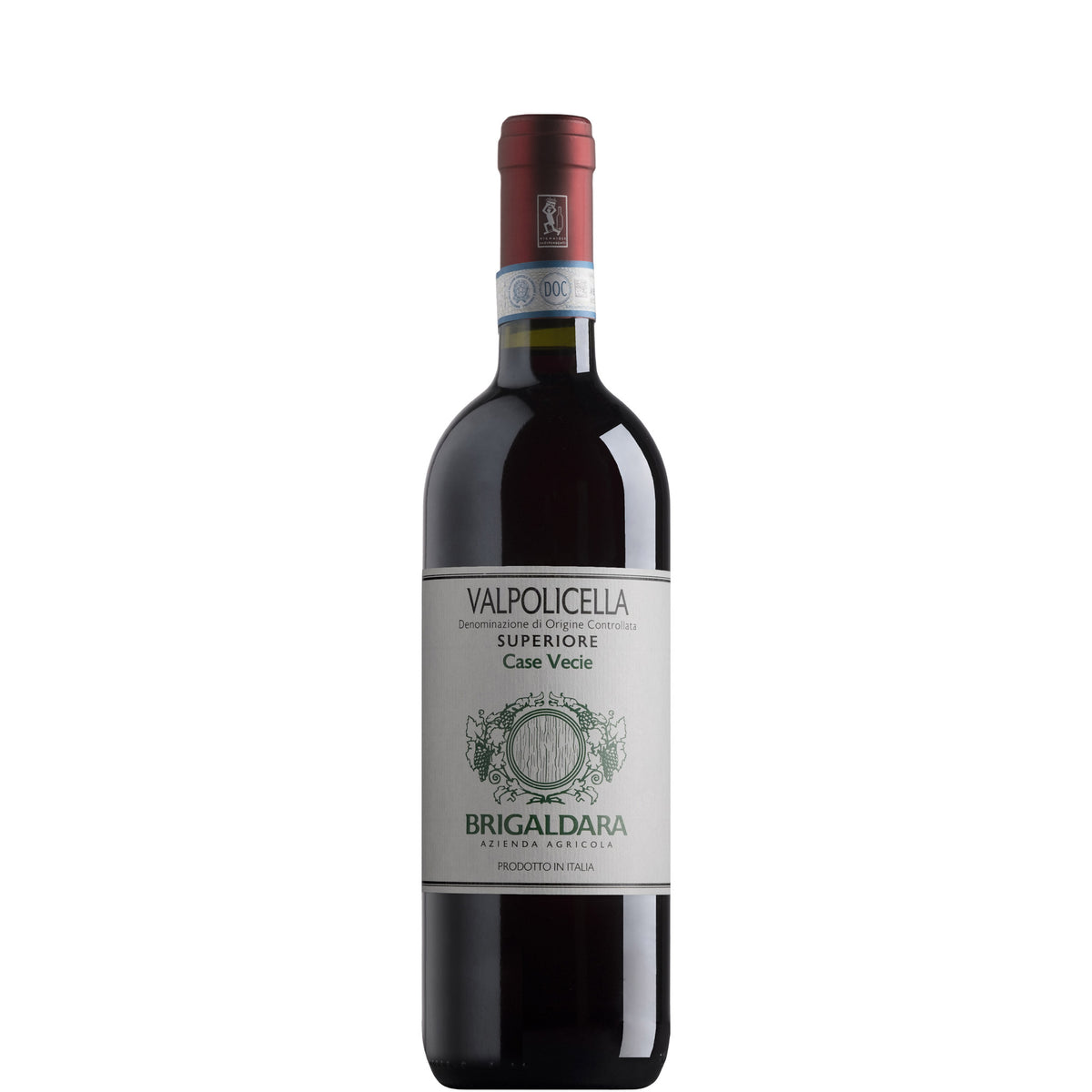
Brigaldara, Case Vecie, Valpolicella Superiore, 2022
Brigaldara, Case Vecie, Valpolicella Superiore, 2022
- 75cl
- 13.5%
- Red Still
- Corvina, Corvinone, Rondinella
Couldn't load pickup availability

Optimal drinking window: 2026 - 2038
Est. delivery mid-November, 2026
Case Vecie is named for the old farmhouse ruins that once stood among these vines on the estate's highest, oldest parcels in Valpolicella Classico. Made in the Superiore style, with a portion of the grapes given a shorter appassimento than you'd find in Amarone, it has all the richness of dried-fruit concentration but none of the heaviness. This is Valpolicella with its collar straightened: serious, structured, built to last rather than to charm on first pour.
In the glass it shows the darker, more brooding side of Corvina, Corvinone and Rondinella, with firm tannins and real savoury depth rather than the jammy sweetness some associate with the region's lesser bottlings. This will reward anyone patient enough to let it unwind at the table over a long Sunday lunch.
In its first few years the dried cherry and plum fruit will dominate, still a touch brooding and tightly wound. By 2027-2029, secondary notes of leather, tobacco and dried herbs will start to emerge, softening the tannic grip. The wine should hit its stride through the early 2030s, with fruit and savoury elements in balance.
What the critics say:
"Medium garnet red with a brightening rim. Fine aromas of wild strawberries, raspberries and morello cherries on the nose, with a hint of liquorice. Very fruity on the palate with pleasant freshness and fine tannins, very juicy on the finish."
Tasting Notes
AppearanceDeep garnet with a faint brick edge at the rim.
NoseDried cherry and dark plum sit alongside crushed bay leaf and a whisper of tobacco, with a savoury, almost meaty edge underneath.
PalateFull-bodied and firm, with ripe but serious tannins and a dark chocolate bitterness that cuts through the fruit's richness, never letting it turn sweet.
FinishLong, dry and savoury, with a lingering note of bitter orange peel.
Overall impressionA serious, structured Valpolicella that rewards patience over immediate gratification.
Food Pairings
Around Verona, a wine like this belongs with braised beef in Amarone sauce, or the slow-cooked ox cheek dish pastissada, rich enough to match the tannins without being overwhelmed. Aged Monte Veronese cheese, hard and nutty, is a local favourite alongside it. Risotto all'Amarone, stained deep purple and finished with butter, is practically designed for bottles like this. Game birds, roasted with juniper and herbs, also find a natural partner here.
We think this wine would go well with
Serve at 17-18°C, slightly below typical room temperature, to keep the tannins in check. Decant for at least an hour, longer if the bottle is young, to let the dried-fruit and savoury notes open fully. A large-bowled Bordeaux glass suits it well, giving the wine room to breathe.
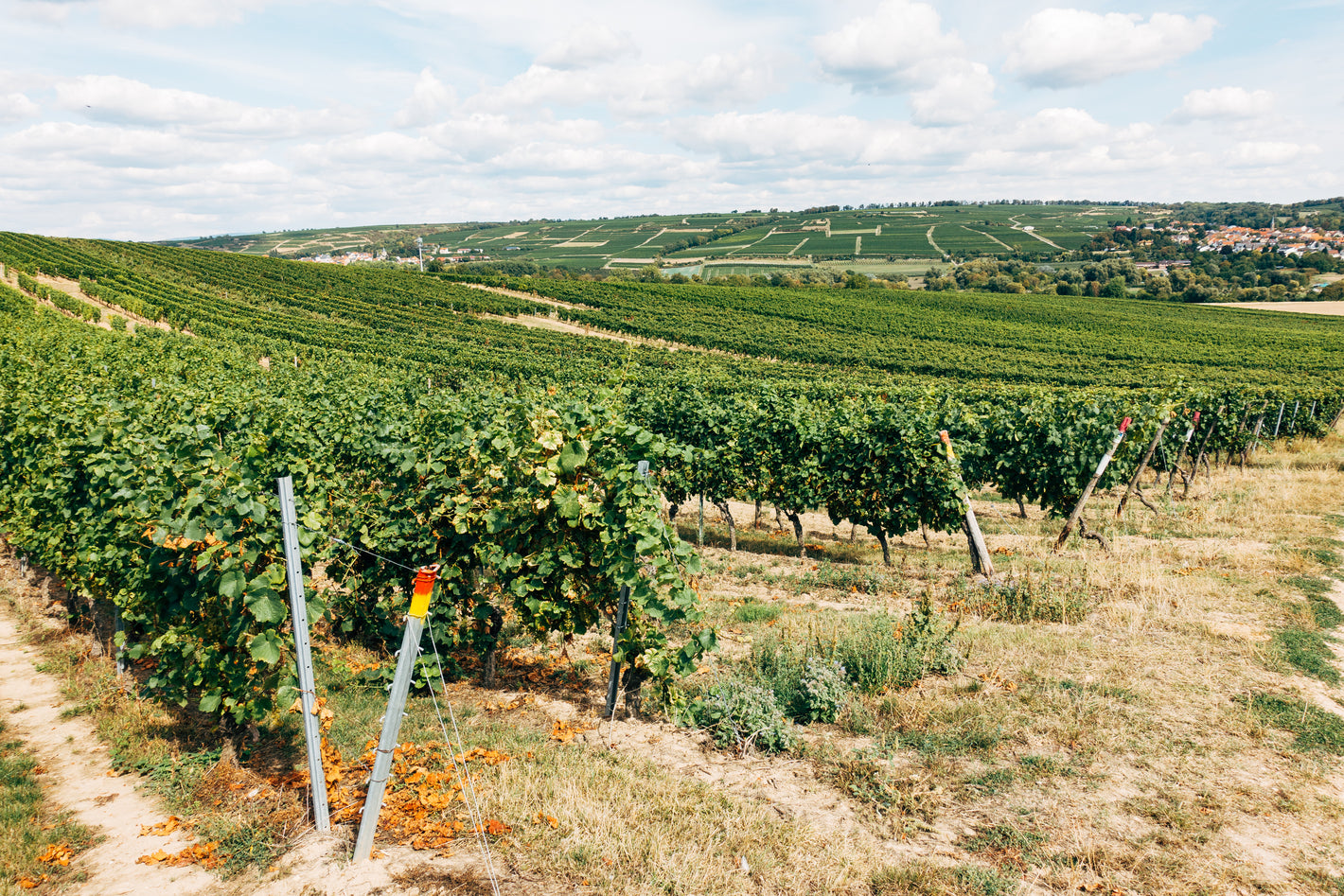
The Case Vecie vineyards sit on the higher slopes of Valpolicella Classico, around 300 metres, where volcanic and calcareous soils drain well and cool night air helps preserve freshness despite the appassimento process. The old vines here, some over fifty years old, yield small, concentrated berries that handle partial drying without losing acidity. This combination of altitude, poor soils and old vines gives the wine its backbone, a far cry from the softer, valley-floor Valpolicella many people think they know.
Valpolicella Superiore requires a minimum of one year's ageing and slightly higher minimum alcohol than basic Valpolicella, generally signalling a more serious, structured wine from better sites. It sits between everyday Valpolicella and the raisined richness of Amarone, often using a partial appassimento technique, drying a portion of the grapes to add concentration without tipping into full sweetness or power. Within this, Valpolicella Classico denotes the original, hillier heartland zone, where Brigaldara's best vineyards lie.
The 2022 vintage in Veneto started with a deceptively mild winter, followed by a spring that threw curveballs at every turn. Early budbreak looked promising until late frosts in April caught some vineyards off guard, particularly in the hillier zones around Soave and Valpolicella. Summer brought the real drama: scorching temperatures and prolonged drought stressed the vines something fierce, forcing growers to dig deep into their bag of tricks with strategic leaf management and whatever irrigation they could muster.
What emerged was a vintage of surprising concentration, though yields dropped considerably across the board. Garganega in Soave developed intense minerality alongside ripe stone fruit flavours, while Corvina and the Valpolicella blend gained serious structure without losing their characteristic bright acidity. The reds show more muscle than usual but retain their drinkability—think of them as the athletic cousin of a typical Veneto vintage. Most wines are drinking beautifully now, though the better Amarones will reward patience until 2028 and beyond.
FAQs
What does Brigaldara Case Vecie taste like?
Dried cherry, dark plum and bitter chocolate, with savoury herbs and firm tannins rather than sweetness.
When should I drink this wine?
It's best from 2026 and will continue to reward patience until 2038.
What food should I pair it with?
Rich, slow-cooked dishes like braised beef, game, or risotto all'Amarone suit it best.
Should I decant it?
Yes, give it at least an hour in the decanter, longer if the bottle is young.
How does this differ from Amarone?
It uses a shorter, partial appassimento process, giving concentration and structure without Amarone's full raisined power.


What are you looking for tonight? Tell me the occasion, a grape, a region — or just try a suggestion below.
Your recommendations will appear here.
-
-
Speak to one of our Wine Gurus
Speak to a Wine GuruWith years of experience, our team can help you with all your wine buying and selling needs