

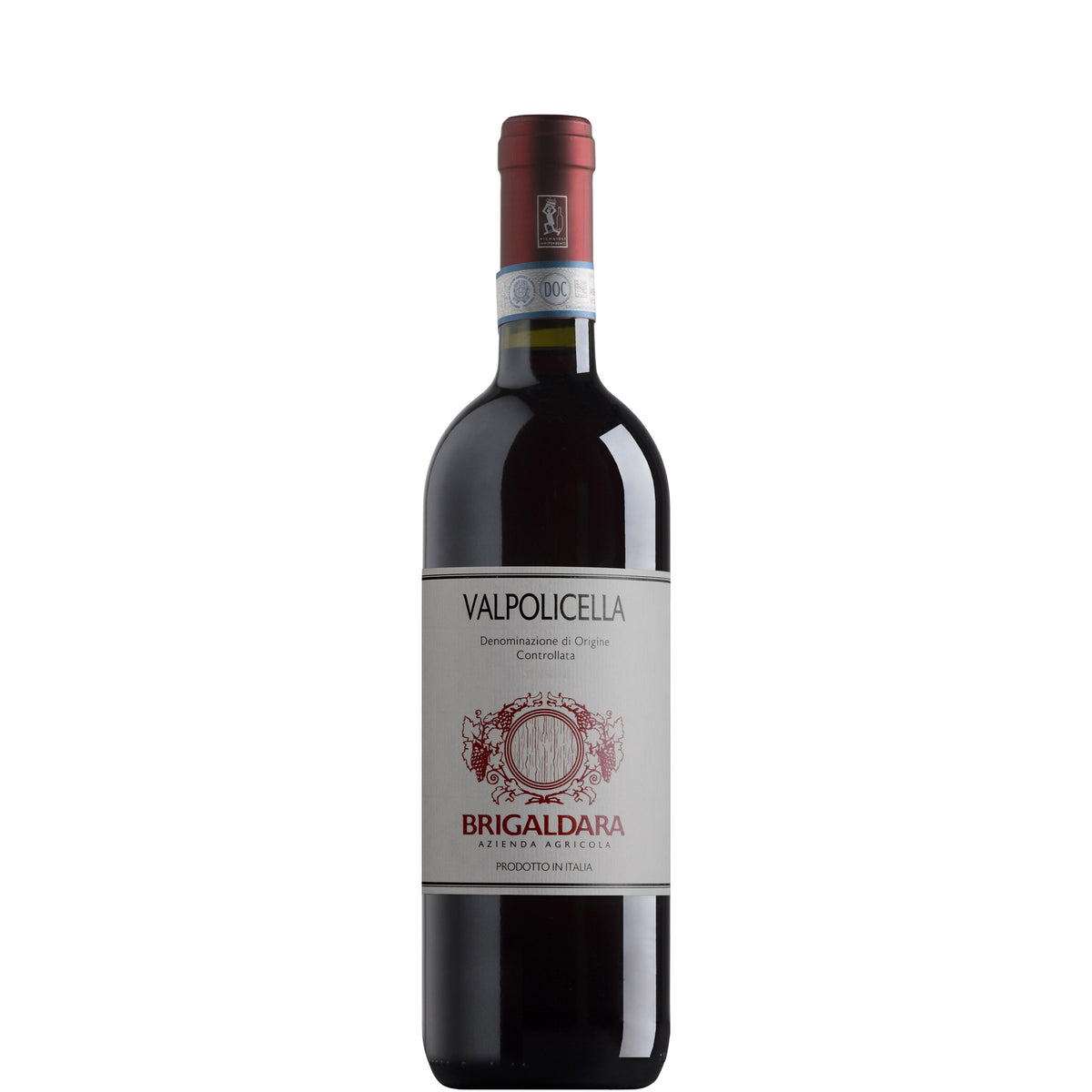
Brigaldara, Valpolicella, 2025
Brigaldara, Valpolicella, 2025
- 75cl
- 12.5%
- Red Still
- Corvina, Corvinone, Rondinella
Couldn't load pickup availability

Optimal drinking window: 2026 - 2029
Est. delivery mid-November 2026
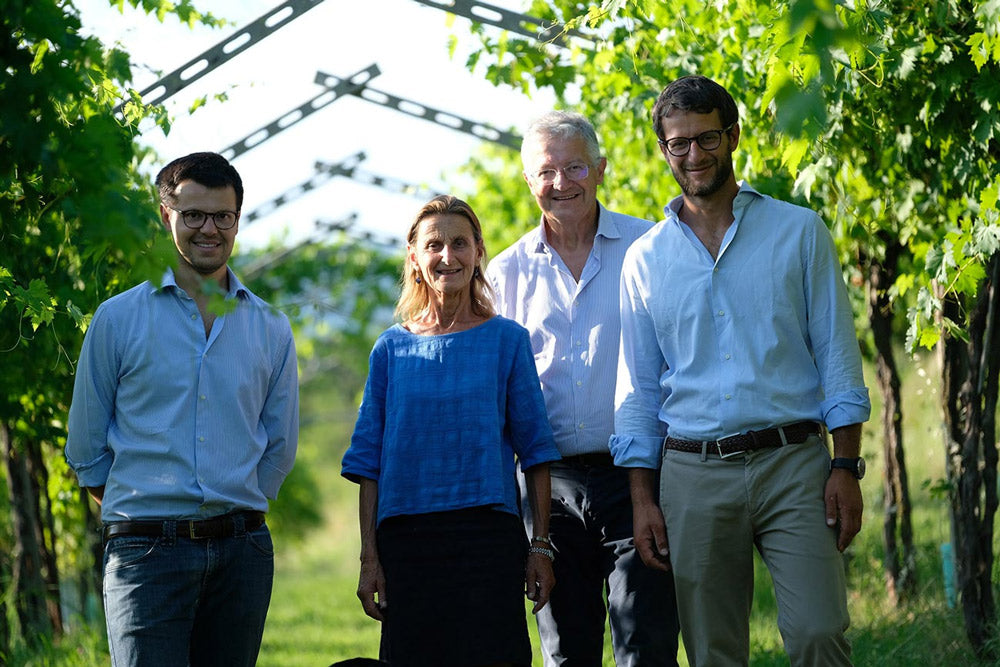
Brigaldara is one of Valpolicella's quietly brilliant family estates, based in Sant'Ambrogio and better known to many for their Amarone and Ripasso. But it's this entry-level Valpolicella that tells you who they really are, because it takes real skill to make something this unpretentious taste this good. There's nothing showy here, just honest, bright, Veronese red wine done properly.
Expect a glassful of cherry and redcurrant with a herby, almost savoury edge, light on its feet and built for drinking rather than pondering. This is the wine Valpolicella farmers drink at their own kitchen tables, and we'd suggest you do the same.
This is a wine to enjoy in its youth, when the cherry fruit is at its most vivid and the texture at its most playful. There's little to be gained from ageing it, as the charm here lies in freshness rather than development. We'd drink it within two to three years of the vintage, before that bright fruit begins to fade and flatten.
What the critics say:
"Bright ruby red with lighter-colored edges. On the nose, cherry and hibiscus, along with a hint of lavender and white pepper. On the palate, it’s exceptionally juicy and lively, with great drinkability, juicy acidity, and a salty finish."
"Layered and perfumed, a characteristic expression of corvina, offering roses, violets and a hint of peonies as well as red cherries, blood oranges and black pepper. Medium-bodied with good weight and silky tannins, showing long, refreshing and well-integrated acidity. Delicious. Drink or hold."
Tasting Notes
AppearancePale to medium ruby, bright and translucent at the rim.
NoseMorello cherry and redcurrant with a dusting of white pepper and dried herbs.
PalateLight-bodied and juicy, with tart cherry fruit, gentle tannins, and a savoury, almost bitter-almond edge.
FinishClean, dry, and refreshingly short.
Overall impressionAn honest, everyday red that proves Valpolicella doesn't need Amarone's weight to charm.
Food Pairings
Around Verona this would be poured alongside pastissada de caval, the local horsemeat stew, or more accessibly with risotto all'Amarone and grilled sausages. It's equally at home with a plate of soppressa and local cheeses, or simply a bowl of pasta e fagioli. The wine's bright acidity and light tannins make it a natural match for tomato-based dishes too, which is handy given how much pasta gets eaten in this part of the Veneto.
We think this wine would go well with
Serve lightly chilled, around 14-16°C, to keep the fruit lifted and the acidity singing. No decanting required, this is a wine for pouring and drinking, not ceremony. A simple Burgundy-style glass or all-purpose tulip glass suits it fine.
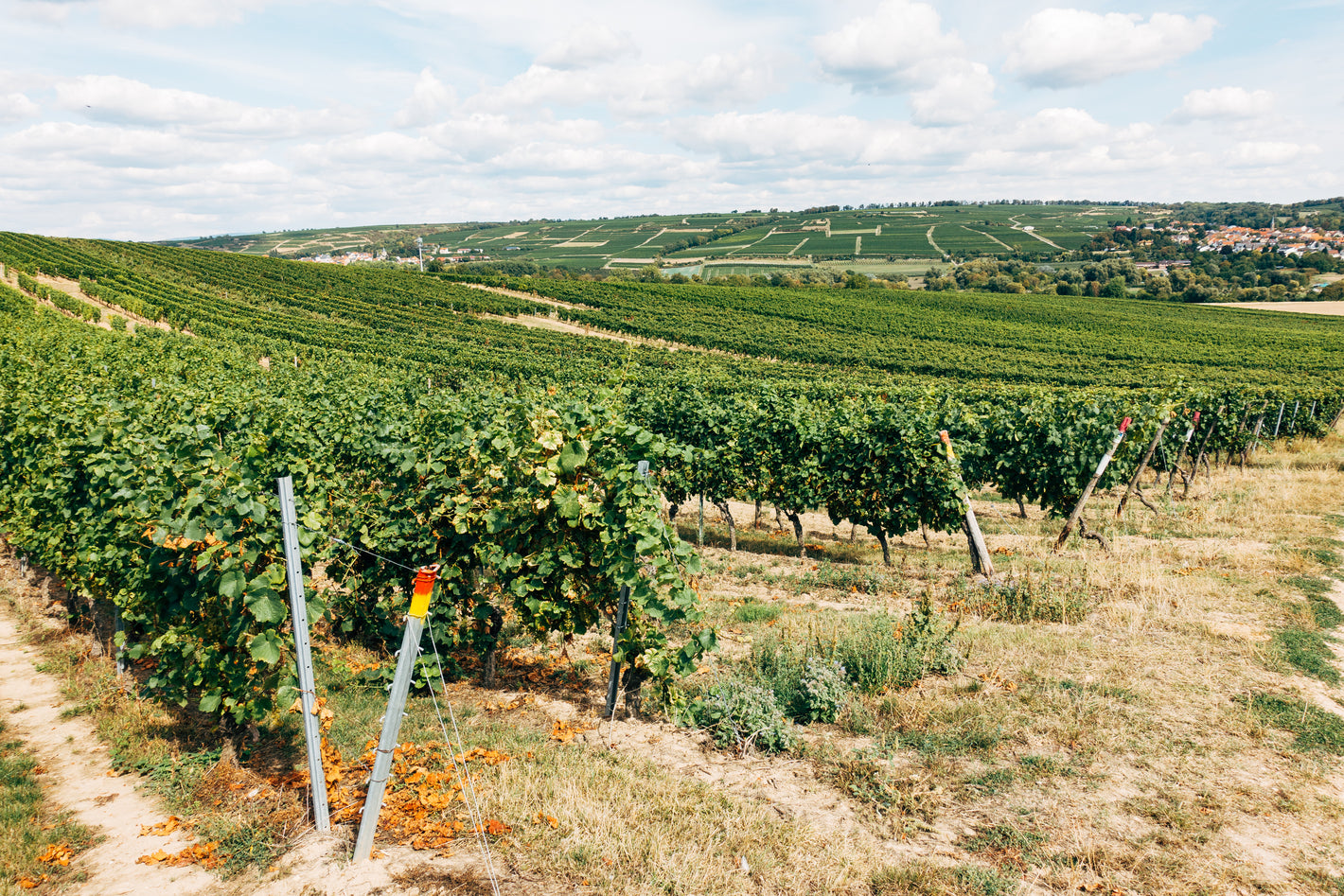
The vineyards sit on the calcareous, well-drained hillsides of Valpolicella Classico, where cool nights and good diurnal swing keep acidity fresh even in warmer vintages. Altitude varies across their holdings, but most sit at modest elevations that help retain the perfume and brightness this style depends on. It's terrain built for elegance rather than brawn.
Valpolicella DOC covers the hills north of Verona and is built on the Corvina-led blend that also underpins Amarone and Ripasso, but in its base form the wine is meant to be light, fresh, and immediate. Unlike its grander siblings, there's no extended drying of grapes here, just straightforward fermentation that keeps the wine youthful and food-friendly. It's the entry point to the region, but at Brigaldara's hands it's no afterthought.
The 2025 harvest in Veneto — like much of northern Italy — is still very recent, and detailed vintage assessments are still forming as wines settle in barrel and bottle. What we do know is that the region experienced another season shaped by the broad patterns now familiar across Europe: variable spring conditions followed by a warm, largely dry summer, with producers keeping a careful eye on hydric stress in some of the flatter appellations. Soave's volcanic and limestone hillsides and the elevated slopes of Valpolicella Classico tend to handle these conditions better than the plains, and early indications suggest those terroirs came through with their usual composure.
Too early to call 2025 a classic, but the signals are encouraging — particularly for Garganega and Corvina, both of which suit a season where warmth is tempered by decent diurnal range. If those conditions held into September, we'd expect whites with real definition and reds built for medium-term cellaring rather than immediate drinking. We'll update our notes as more bottles reach us, but the wines we've seen so far have us paying attention. Watch this space — and if you're shopping 2025s now, lean towards the higher-altitude sites.
FAQs
What does this wine taste like?
Bright cherry and redcurrant fruit with a peppery, savoury edge and a clean, dry finish.
When should I drink this wine?
Now until 2029, while the fruit is fresh and vivid. This isn't one for the cellar.
What food should I pair it with?
Classic Veronese fare such as risotto all'Amarone, grilled sausages, or simple tomato-based pasta dishes.
How should I serve it?
Lightly chilled at 14-16°C in a simple, everyday glass, no decanting needed.
Is this wine worth cellaring?
No, this is a wine for drinking young and often, not for the cellar.


What are you looking for tonight? Tell me the occasion, a grape, a region — or just try a suggestion below.
Your recommendations will appear here.
-
-
Speak to one of our Wine Gurus
Speak to a Wine GuruWith years of experience, our team can help you with all your wine buying and selling needs