

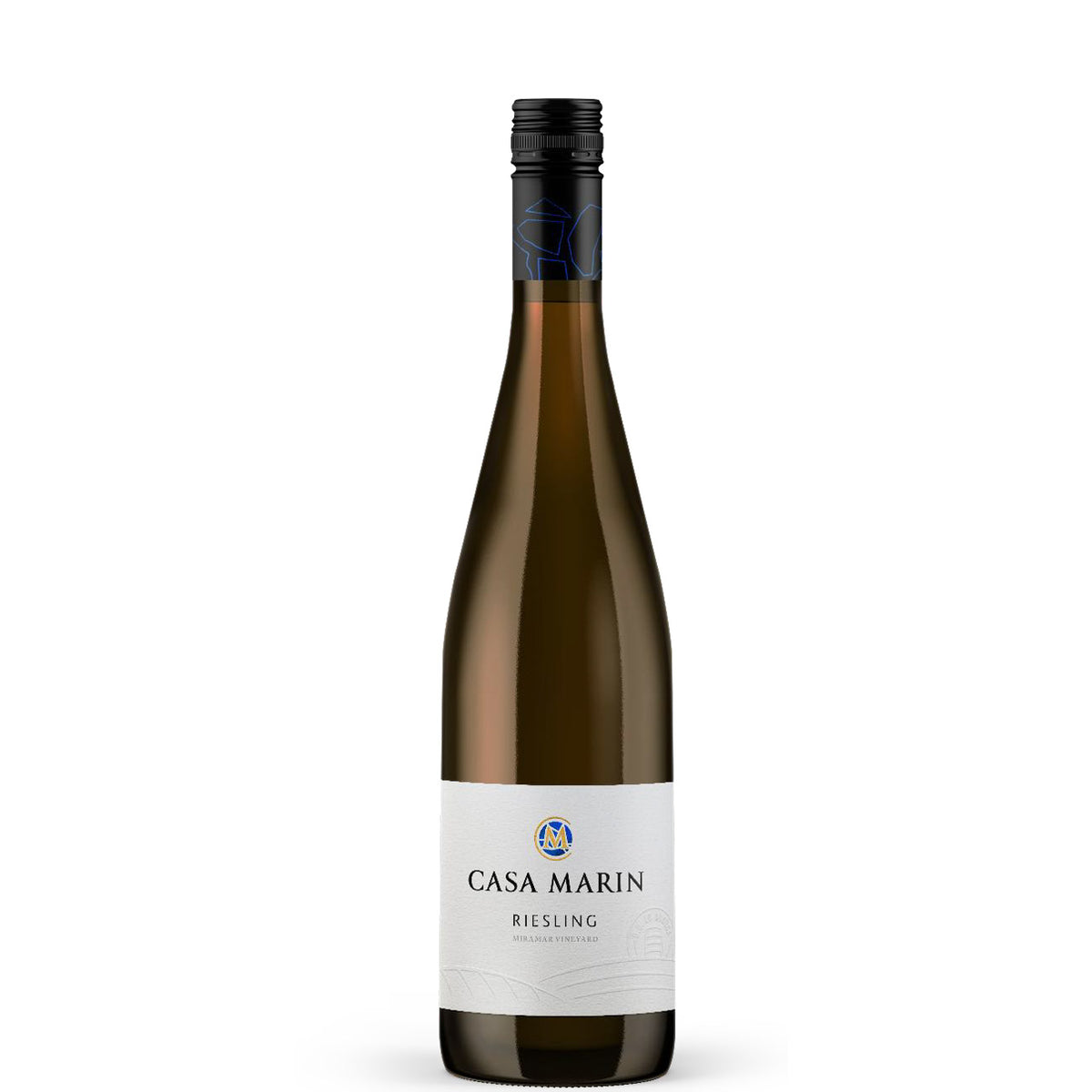
Casa Marin, 'Miramar Vineyard' Riesling, 2024
Casa Marin, 'Miramar Vineyard' Riesling, 2024
- 75cl
- 12.5%
- White Still
- Riesling
Couldn't load pickup availability

Optimal drinking window: 2026 - 2040
Available duty paid
Casa Marin's Miramar Vineyard Riesling is one of the more improbable wines in Chile — improbable in the best possible sense. María Luz Marin planted this windswept coastal site in Lo Abarca, just four kilometres from the Pacific, when almost nobody was looking this far west for fine wine.
The result is a Riesling with genuine tension: cool-climate acidity, a saline minerality that speaks directly to the ocean influence, and fruit that sits closer to green apple and lime zest than the tropical sweetness you might expect from a Chilean white. It is lean, focused, and quietly compelling.
What the critics say:
"The 2024 Riesling Miramar Vineyard is from Lo Abarca in San Antonio and spent seven months on lees in stainless steel. With a delicate floral profile, it reveals tuberose, white rose, a touch of mango and subtle spices. On the palate, it offers a precise, slightly off-dry entry balanced by vibrant acidity. Expressive, layered and long, this is a delicious coastal Riesling."
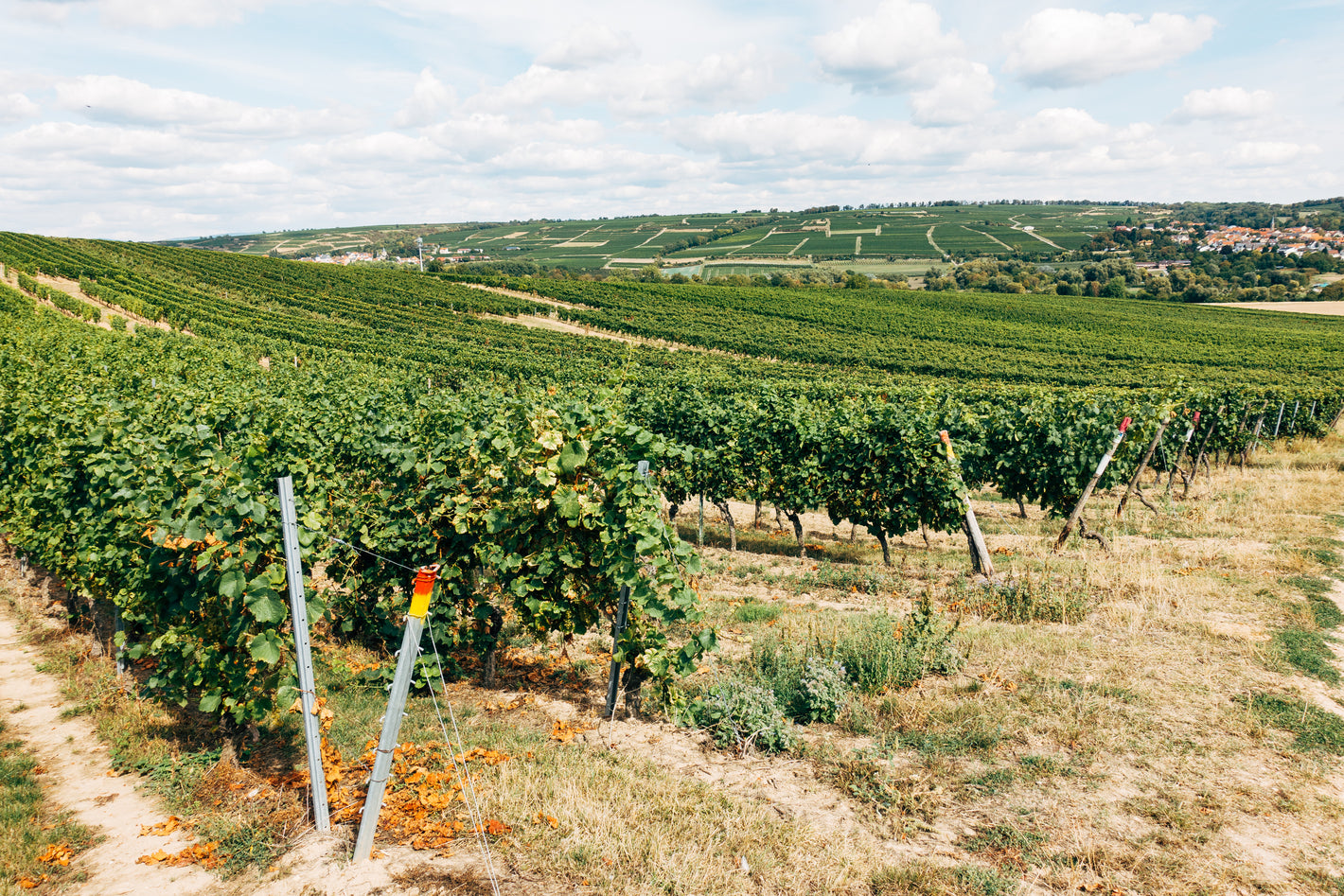
The Miramar Vineyard sits in Lo Abarca within the San Antonio Valley, a sub-zone of the broader Aconcagua coastal area, at around 300 metres above sea level and only a few kilometres from the Pacific. Soils are predominantly decomposed granite and clay, which drain well and stress the vines just enough to concentrate flavour without sacrificing freshness. The proximity to the ocean means persistent afternoon winds and morning fog, keeping temperatures dramatically lower than Chile's inland valleys and preserving the natural acidity that makes this site so well suited to aromatic varieties like Riesling.
The San Antonio Valley DO sits on Chile's western coastal edge, carved out as a distinct appellation in recognition of how dramatically different the climate is from the country's more famous inland valleys. Cooling maritime influence from the Pacific keeps average temperatures low and growing seasons long, favouring aromatic whites and Pinot Noir over the bold reds that dominate Maipo or Colchagua. It sits within the broader Aconcagua region but is climatically closer to cool-climate New World regions than to the image most people carry of Chilean wine.
The 2024 vintage in Aconcagua Valley arrived after a growing season marked by the kind of climatic swings this dramatic, wind-scoured corridor between the Andes and the Pacific handles better than most. Dry conditions through much of the growing period kept yields in check and disease pressure low, while the cooling influence of the Humboldt-driven Pacific winds did what they always do here — slowing ripening just enough to preserve the freshness that defines the valley's best wines. We should be honest that 2024 is still a vintage the wider wine world is getting to grips with, so sweeping proclamations feel premature. What we can say is that the conditions pointed firmly in the right direction.
Cabernet Sauvignon, the valley's calling card, appears to have produced wines with taut, well-defined structure and fruit that feels precise rather than overblown — the opposite of the jammy Andean stereotype. Syrah, increasingly the variety we get most excited about from Aconcagua, looks similarly promising: concentrated but with the peppery, cool-climate drive that separates the serious examples from the merely ripe. Most reds will reward another two to three years in the cellar, though the better-balanced examples should drink well from 2026 until 2034 or so.

OUR GROWERS
Casa Marin
Explore related wines


-
-
Speak to one of our Wine Gurus
Speak to a Wine GuruWith years of experience, our team can help you with all your wine buying and selling needs