
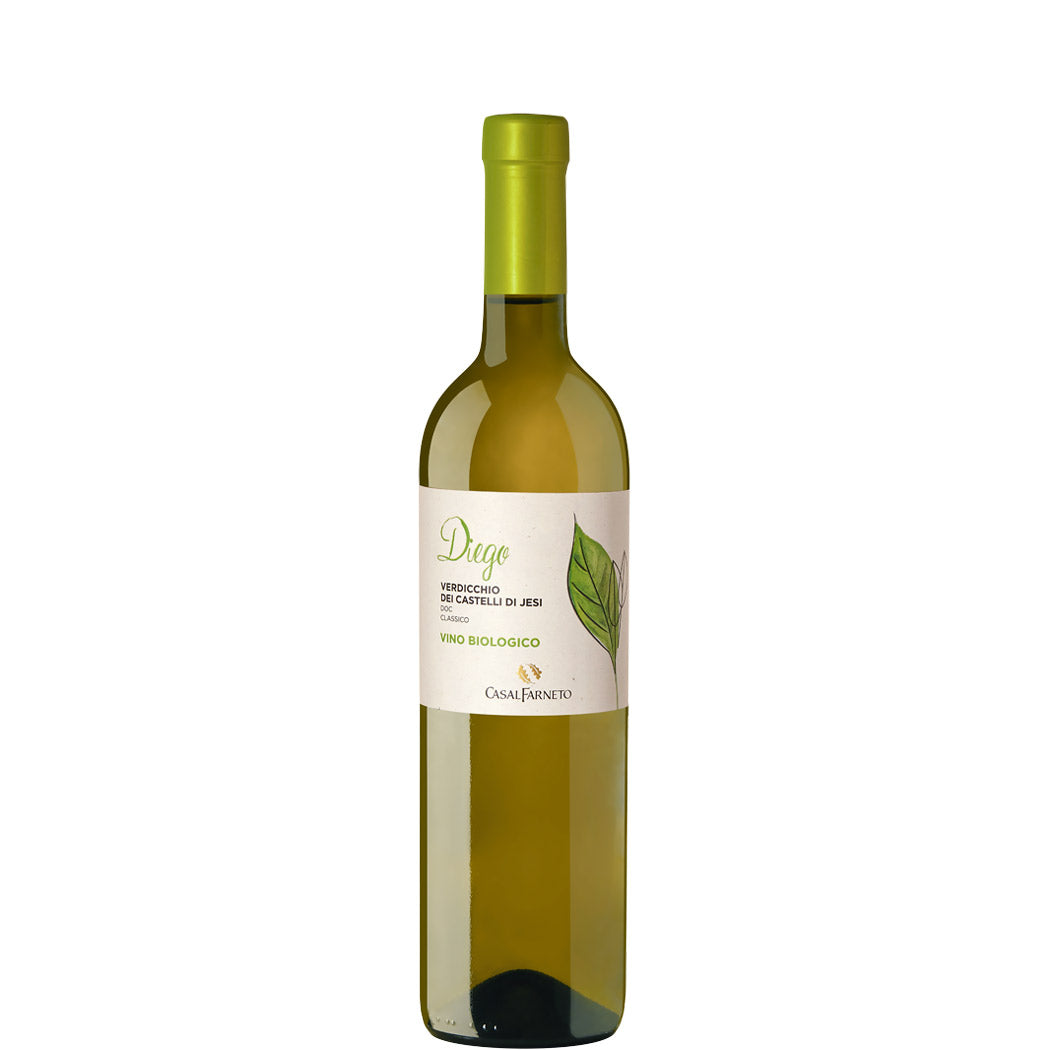
Casalfarneto, Diego Verdicchio Dei Castelli Di Jesi Classico, 2020
Casalfarneto, Diego Verdicchio Dei Castelli Di Jesi Classico, 2020
- 75cl
- 12.5%
- White Still
- Verdicchio
- Organic
Couldn't load pickup availability

Optimal drinking window: 2026 - 2028
About Casalfarneto, Diego Verdicchio Dei Castelli Di Jesi Classico, 2020
In Le Marche region, in between the sea and the Apennines, one of the most beautiful hilly landscapes of Ancona’s province unfolds – it’s the land of prestigious wines such as Verdicchio dei Castelli di Jesi.
Here, with its 35 acres of vineyard, CasalFarneto Wine Estate is located, where technology, tradition and sustainability combine to produce wines of excellence. Under the shade of Farnetto oaks, from which the Estate gets its name, the farmhouse boasts the cultivation of white and red grapes, with particular attention to organic wine.
Loads of green almonds, white flowers and a twist of lime zest on the nose. Lovely mid weight, crisp and dry wine with more lime leaf notes and a lingering finish. Very classy.
This will pair well with more delicate and oily fish such as salmon and grilled mackerel, and hearty salads with tomatoes and artichokes.
The 2020 Diego is drinking well right now and is exactly where it wants to be: the primary fruit is vivid, the acidity is carrying everything cleanly, and the bitter-almond finish has that satisfying precision that defines good young Verdicchio. Over the next year or two it will hold at this level with no drama, but this is not a wine that transforms with time — the freshness is the point.
Tasting Notes
AppearancePale straw with the faintest greenish glint at the rim.
NoseFresh and precisely defined, leading with green almond and white blossom before a twist of lime zest lifts everything. There is a quiet mineral quality underneath, clean and saline, that anchors the aromatics without weight.
PalateMid-weight and dry, with bright acidity that carries lime leaf and a faint herbal edge across the palate. The texture is smooth without being fat, and the bitterness that is the Verdicchio hallmark arrives just at the right moment to keep things honest.
FinishClean and lingering, the almond-bitter note staying pleasingly long after the fruit has faded.
Overall impressionA crisp, focused Verdicchio that punches well above its modest price with real class.
Food Pairings
In Le Marche, this wine would find its natural home alongside the region's celebrated brodetto, the rich Adriatic fish stew that varies from port to port but always has acidity and salinity at its core. Locals would equally pour it with vincisgrassi, the region's own lasagne made with offal and a porcini ragu — the wine's bitter edge cutting through the richness with real purpose. Grilled or pan-fried oily fish is an obvious match: sgombro (mackerel) in particular is a staple along the Marche coast and a brilliant pairing. Simply dressed fried anchovies or a plate of fritto misto di mare with lemon are about as good as food-and-wine matching gets at this level.
We think this wine would go well with
Serve well chilled at around 8 to 10 degrees Celsius — cold enough to keep the acidity bright and the aromatics focused, but not so icy that the delicate almond notes disappear. No need to decant; pour straight from the fridge and let it open a little in the glass over ten minutes. A standard white wine glass with a slightly tapered bowl will do the job perfectly well, though a wider-bowled glass will coax out a little more of the floral character if you want to linger.
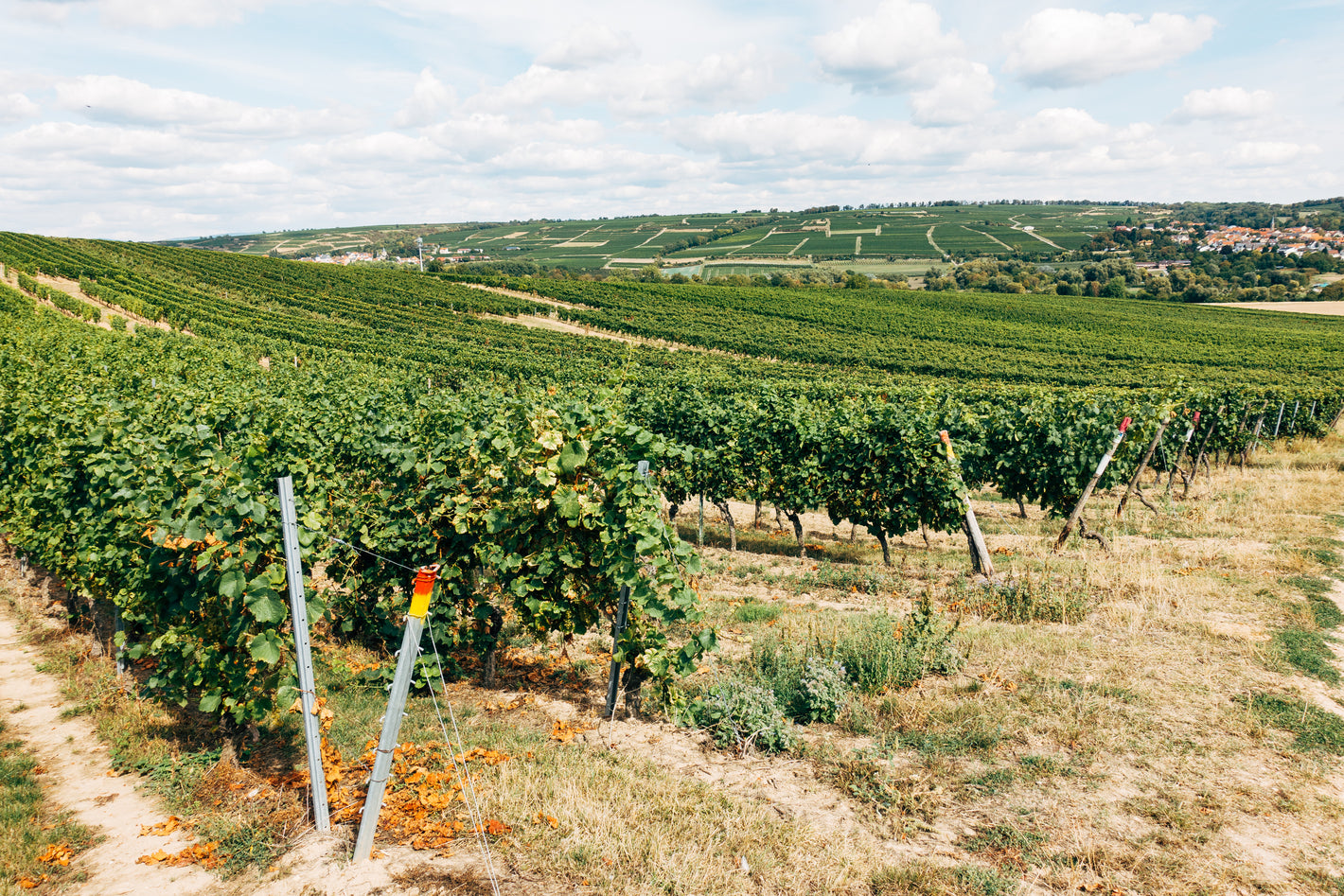
The vineyards sit in the Classico zone of Castelli di Jesi, the original and most prized heartland of the appellation, where the hills rise and cool between the Adriatic coast and the Apennine foothills. Soils here are predominantly clay and limestone, which give the wines their characteristic mineral backbone and fresh acidity. The altitude and the corridor of sea breezes that push inland help maintain freshness and aromatic precision, keeping alcohol in check and giving Verdicchio that clean, lime-edged snap it is known for.
Verdicchio dei Castelli di Jesi DOC covers a broad zone in Le Marche, with the Classico subzone — the original, smaller area — historically considered the superior growing territory. The grape is ancient and indigenous to the region, producing dry whites with high natural acidity, a pronounced bitter almond finish, and considerable mineral salinity. It sits a world apart from its better-known Italian white counterparts: less floral than Soave, leaner than Greco di Tufo, and with a structural grip that makes it unusually food-friendly. The Classico designation requires stricter yield limits and represents the appellation's most expressive expression.
2020 was a warm, dry vintage across much of central Italy, and Marche was no exception. The growing season brought low rainfall and above-average temperatures that pushed ripeness along at pace, with growers needing to move quickly at harvest to preserve freshness and avoid overripeness. Those who got their timing right — picking before the heat took the edge off the acidity — were rewarded with grapes in excellent condition. Those who hesitated ended up with something flatter and more alcoholic than they'd have liked. It was a vintage that separated the careful from the complacent.
The best wines from 2020 have real substance to them — Verdicchio in particular came through with concentration and a mineral, saline backbone that gives it impressive staying power despite the warmth of the year. Rosso Conero and Rosso Piceno reds are ripe and generous, with fruit that sits forward in the glass right now. These aren't wines that need years in the cellar to reveal themselves; most are drinking well now and will hold until 2026 to 2028, though the finest Verdicchio Riservas will comfortably go further.
FAQs
What does this wine taste like?
Crisp, dry, and precisely built, with green almond, lime zest, and white blossom on the nose and a clean bitter snap on the finish that is the hallmark of good Verdicchio. It is mid-weight and fresh rather than rich or weighty.
When should I drink it?
Now, with enthusiasm. This is a wine that is drinking beautifully in 2026 and will hold until around 2028, but the vivid freshness that makes it so appealing is not going to improve with age. Open it, pour it cold, and enjoy it.
What food should I pair it with?
Oily fish is the obvious answer — grilled mackerel, salmon, or sardines work particularly well. It is also excellent with artichoke-based dishes, hearty salads with sharp dressings, fritto misto, or anything from the Italian coast where acidity and salinity are welcome at the table.
How should I serve it?
Straight from the fridge at around 8 to 10 degrees Celsius. No need to decant — just pour and let it open slightly in the glass. A standard white wine glass works well, though a slightly wider bowl will help the floral notes come forward.
What makes Verdicchio different from other Italian whites?
That distinctive bitter almond finish sets it apart. It is leaner and more mineral than Greco di Tufo, less obviously floral than Soave, and with a structural grip and salinity that makes it unusually good with food. It is one of the most food-friendly white grapes in Italy and, frankly, one of the most underrated.

OUR GROWERS
Casalfarneto
Explore related wines


What are you looking for tonight? Tell me the occasion, a grape, a region — or just try a suggestion below.
Your recommendations will appear here.
-
-
Speak to one of our Wine Gurus
Speak to a Wine GuruWith years of experience, our team can help you with all your wine buying and selling needs