

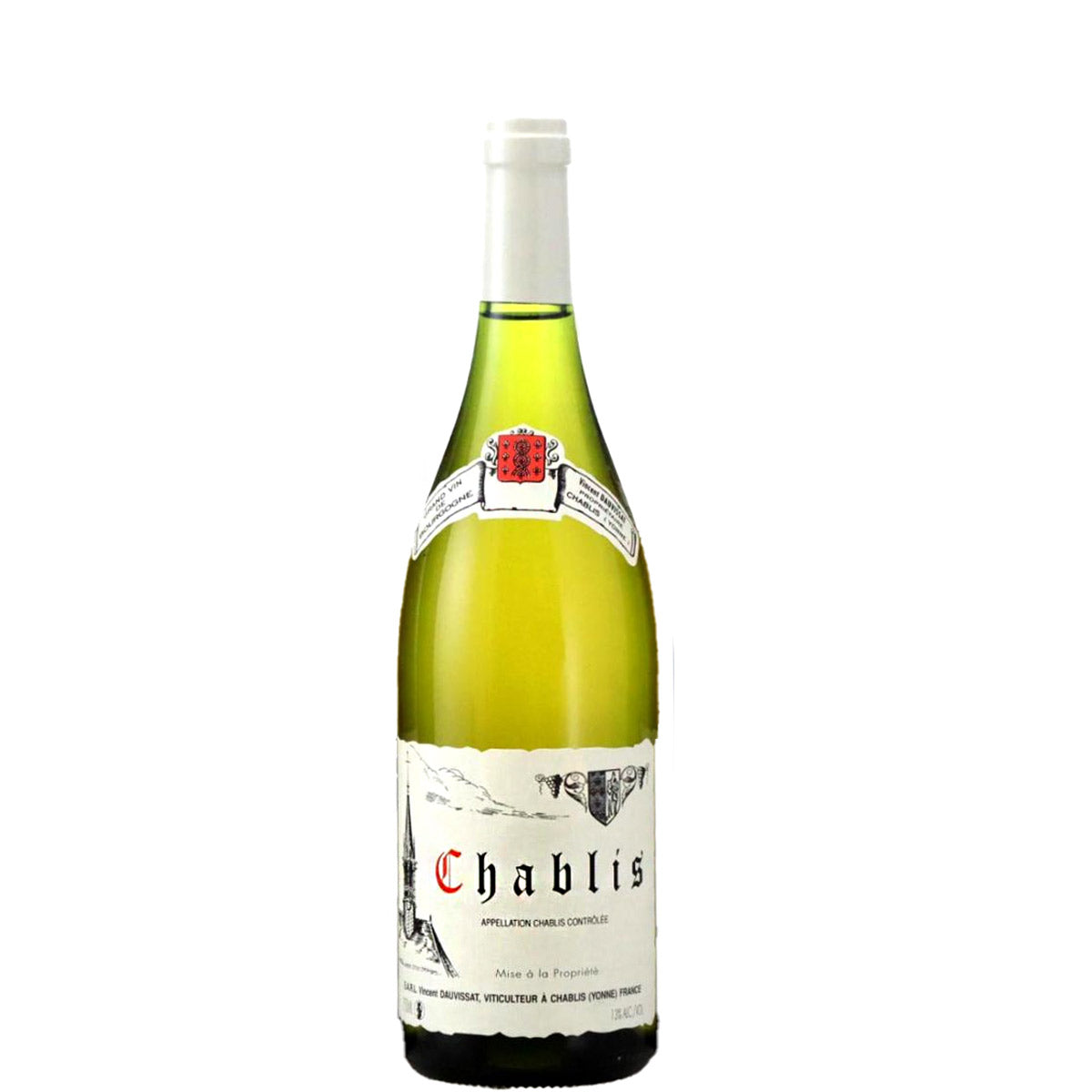
Chablis, Vincent Dauvissat, 2003
Chablis, Vincent Dauvissat, 2003
- 75cl
- 13.5%
- White Still
- Chardonnay
Couldn't load pickup availability

Optimal drinking window: 2026 - 2030
The 2003 vintage is Burgundy's great oddity — a summer so scorching it rewrote the rulebook, and nowhere was that more disorienting than Chablis, where cool-climate tension is the whole point. In Dauvissat's hands, though, 2003 produced something that has aged with surprising grace. The heat gave weight and richness where you'd normally expect razor-sharp acidity, but twenty-three years on, the wine has settled into a compelling, almost Meursault-like register: waxy, broad, and golden, with that flinty, oyster-shell mineral character Dauvissat coaxes from his old vines still very much present.
Vincent Dauvissat is one of Chablis's most revered names — not for volume or showmanship, but for quiet, obsessive precision. This village-level wine punches well above its appellation, and while the drinking window is now rather narrow, what's left in good bottles is worth every moment of attention. Drink now until 2030, with something on the plate to match its richness.
At twenty-three years old, this wine is firmly in its mature phase and should be treated accordingly — the primary fruit has long since given way to secondary and tertiary character: wax, nuts, dried citrus, and mineral complexity. It is not a wine to sit on any further without good reason, as the relatively low acidity of the 2003 vintage means there is less structural insurance than you'd have with a cooler-year Dauvissat. Bottles in perfect cellar conditions might hold until 2030-2032, but the plateau is now rather than ahead.
Tasting Notes
AppearanceDeep golden amber with a warm, slightly burnished rim — unmistakably a mature white Burgundy from a hot year.
NoseRoasted hazelnut, beeswax, and dried chamomile lead, with preserved lemon and a faint smoky, struck-flint edge that tells you this is still Chablis at heart. There's a whisper of brioche and warm stone that the vintage gave and the years have deepened.
PalateBroader and more generous than a classic Dauvissat village wine, but the structure holds: there's grip from the limestone-derived minerality, and a saline, almost oyster-shell salinity that cuts through the richness. The acidity, lower than any normal Chablis vintage, has integrated rather than faded, leaving a wine that feels complete rather than tired.
FinishLong and quietly mineral, with dried citrus peel and a flinty persistence that lingers longer than the vintage has any right to deliver.
Overall impressionA vintage that Chablis purists still argue about, made by the one producer who gave it a fighting chance of ageing well — and it has.
Food Pairings
In Chablis, this style of wine is inseparable from the local oysters farmed along the Normandy coast — the fossil-rich soils and the shellfish share a mineral kinship that makes the pairing feel almost geological. Locals would also reach for andouillette de Chablis, the pungent, earthy tripe sausage that the wine's acidity and minerality cut through with quiet authority. A simple roast chicken from Bresse with butter and tarragon is another regional instinct — the richness of 2003 makes it particularly well suited. Gougères fresh from the oven, or a wedge of Époisses if you're feeling bold, would round out any serious tasting table in the region.
We think this wine would go well with
Serve at around 13-14°C — slightly warmer than you might serve a younger Chablis, to allow the wine's developed complexity to open up fully rather than shutting it down with a chill. No need to decant, but do open the bottle twenty to thirty minutes before pouring and let it breathe gently in the glass. A wide-bowled white Burgundy glass, rather than a narrow tulip, will give the wine the air it needs to show its full, evolved character.
Dauvissat's village Chablis vineyards sit on the classic Kimmeridgian limestone and clay soils that define the appellation, dense with ancient oyster fossils that are widely credited with giving Chablis its distinctive saline, flinty character. The 2003 growing season, the hottest in living memory across France, pushed the vines to their physiological limits, producing grapes with dramatically lower acidity and higher sugars than any textbook Chablis vintage. Dauvissat's old vines — which tap deeper into the rock and resist climatic extremes better than younger plantings — were a crucial buffer against the worst of the heat.
Chablis sits at the northern tip of Burgundy, about halfway between Paris and Beaune, and produces exclusively unoaked or lightly oaked Chardonnay across four quality tiers: Petit Chablis, Chablis, Premier Cru, and Grand Cru. The village appellation covers a broad sweep of Kimmeridgian limestone hillsides and produces wines that are leaner, crisper, and more mineral-driven than white Burgundy from the Côte de Beaune — think green apple and oyster shell rather than butter and vanilla. The 2003 vintage was a significant departure from type across all four tiers, producing wines that are richer and more oxidative than Chablis drinkers typically expect.
2003 is Burgundy's heatwave vintage — the one everyone remembers, for better or worse. The summer was ferocious, with temperatures across France reaching historic highs in August and the harvest coming in unusually early, sometimes before the end of that month. The vines cooked, yields collapsed, and grapes arrived at the winery with very high sugar levels and, in many cases, compromised acidity. It was a year that sorted producers ruthlessly: those who picked at the right moment and worked sensitively in the winery made wines of real character; those who hesitated were left with something closer to jam.
The reds are the more compelling story. Pinot Noir produced wines that are thick, generous, and low in the nervous acidity that defines great Burgundy — so whether you love or merely tolerate 2003 depends rather on what you want from the region. The whites, broadly, are past their best; the reds from serious producers are drinking well now and have been for some time, with most bottles not built for the very long haul. Drink up, rather than squirrel away.
FAQs
What does this wine taste like?
Rich and evolved, with roasted hazelnut, beeswax, preserved lemon, and a flinty, saline mineral backbone that keeps it anchored in Chablis rather than drifting into richer white Burgundy territory. The 2003 vintage added weight and warmth; twenty-three years of age have added depth and complexity.
Is 2003 a good vintage for Chablis?
Honest answer: it is a controversial one. The summer of 2003 was the hottest on record across France, and Chablis — built on cool-climate tension and high acidity — was among the most dramatically affected appellations. Most 2003 Chablis aged quickly and without grace. Dauvissat's version is a significant exception, largely thanks to old vines and careful winemaking, but it is richer and more atypical than any other year in his cellar.
When should I drink this wine?
Now, without much hesitation. The wine is fully mature and at or very near its peak. Good bottles in ideal storage conditions could hold until 2030-2032, but there is no reward for further patience and some risk in waiting. Open it with something worth eating alongside it.
What food works best with this wine?
Given its richness and maturity, this is a wine for the table rather than the aperitif glass. Oysters remain the classic regional pairing, but the weight of 2003 also suits roast chicken with butter and herbs, a gratin dauphinois, or simply a good piece of aged Comté. Avoid anything too light or delicate — the wine will overwhelm it.
How should I serve it?
Around 13-14°C is ideal — slightly warmer than you'd serve a young Chablis, to let the mature complexity breathe. Open it half an hour before pouring and use a wide-bowled white Burgundy glass. No need to decant.
Is Dauvissat's village Chablis worth buying over his premier or grand cru wines?
At the right price, absolutely. Dauvissat brings the same obsessive care to his village wine as to his grand cru La Moutonne. The village wine will always be leaner and less complex at the top level, but in a vintage like 2003 — where the heat compressed the usual gap between appellations — it punches well above its classification and offers a genuine window into what makes this domaine so special.

OUR GROWERS
Vincent Dauvissat
Explore related wines


What are you looking for tonight? Tell me the occasion, a grape, a region — or just try a suggestion below.
Your recommendations will appear here.
-
-
Speak to one of our Wine Gurus
Speak to a Wine GuruWith years of experience, our team can help you with all your wine buying and selling needs