
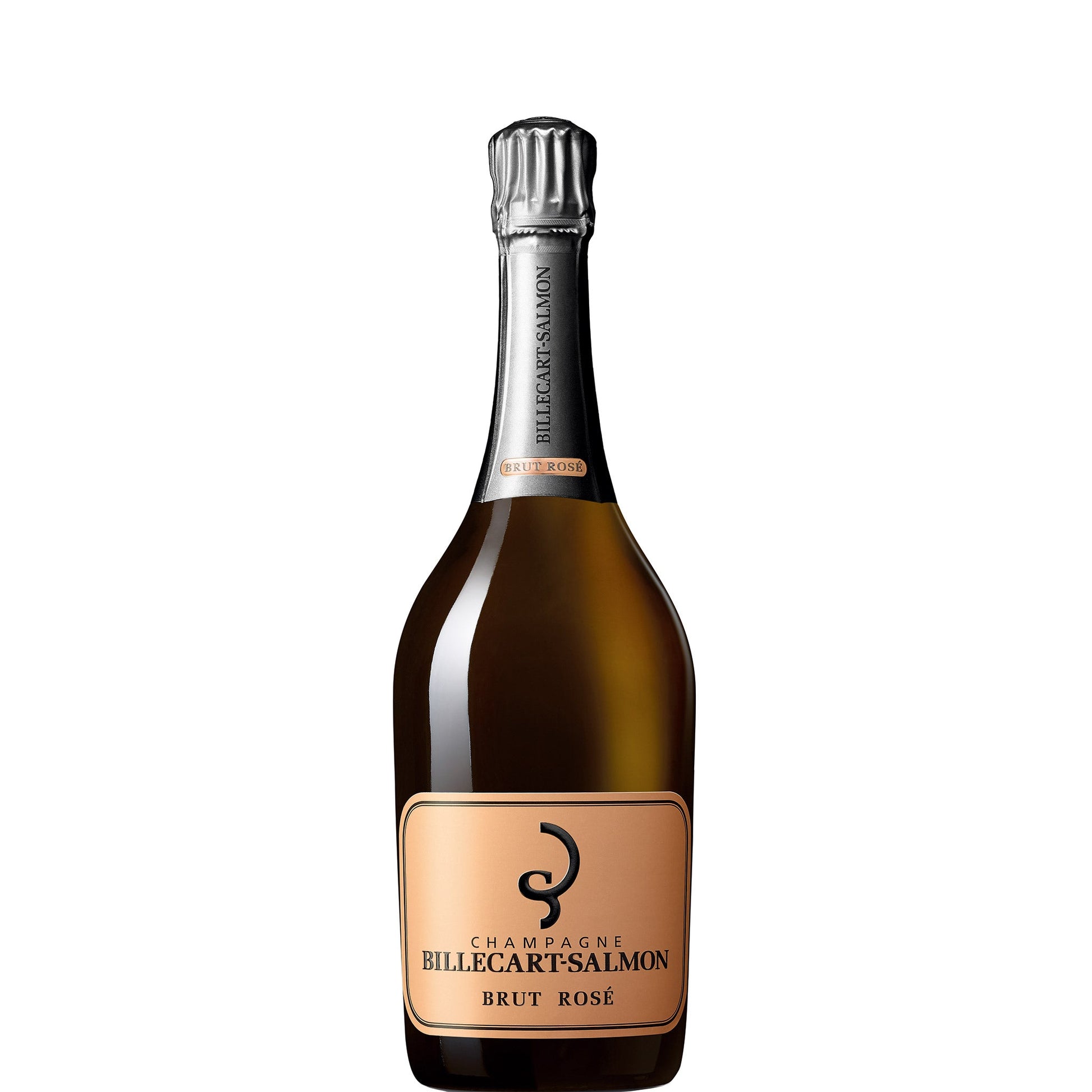
Champagne Billecart-Salmon, Brut Rosé, Nv
Champagne Billecart-Salmon, Brut Rosé, Nv
- 75cl
- 11%
- Rosé Sparkling
- Chardonnay, Pinot Meunier, Pinot Noir
Couldn't load pickup availability

Optimal drinking window: 2026 - 2032
Billecart-Salmon's Brut Rosé is one of those rare wines that has genuinely earned its reputation rather than merely inherited it.
Made from a blend of Pinot Noir, Meunier, and Chardonnay, with a small dash of still red wine from Mareuil-sur-Aÿ, it is precise, pale, and utterly poised - the kind of rosé Champagne that makes you wonder why anyone would want it bigger or bolder. The colour is barely blush, the bubbles are fine and persistent, and everything about it speaks of restraint deployed with real confidence.
Non-vintage Billecart Brut Rosé is released ready to drink and is at its most vibrant and expressive within the first two to three years of disgorgement. The primary strawberry and cream character is at its freshest right now, and most bottles will be enjoyed at their peak between 2026 and 2029. With an extra two to four years in a cool, dark cellar, the fruit will soften and integrate, secondary notes of dried flowers, almond, and toast beginning to emerge. Beyond 2031 or so, it risks losing the freshness that defines it — rosé Champagne is not built for the long haul, and this one is no exception. Drink it while it still has that electric, mouth-watering snap.
What the critics say:
"Vivid, almost luscious strawberry aromas. Flecks of nutmeg and clove spice amid the lively, refreshing fruit on its slender, fresh body. A real joyful classic."
"Cinnamon and dried nutmeg add to the experience of bread dough and rose petals. Flavorful on the medium-bodied palate and finely poised with bright acidity. Medium-long on the finish. Drink now."
Tasting Notes
AppearancePale onion-skin pink with a fine, persistent mousse and a luminous clarity that suggests careful winemaking at every stage.
NoseFresh wild strawberry and raspberry sit alongside a creamy, brioche-like softness, with the faintest suggestion of rose petal and dried citrus rind. It is understated in the best possible sense — you have to lean in, and when you do, it rewards you.
PalateCrisp and precise on entry, with that signature Billecart tension between fruit generosity and chalky, mouth-watering acidity. Red cherry, cream, and a whisper of almond play out across the palate with a lightness of touch that never tips into dilution.
FinishLong, clean, and mineral, with the acidity carrying the fruit elegantly through to a dry, satisfying close.
Overall impressionThe standard by which other rosé Champagnes are quietly, inevitably judged.
Food Pairings
In the Champagne region, rosé like this is poured at the table rather than just as an aperitif, and it pairs naturally with the pink-fleshed fish of the Marne — trout meunière, pike quenelles in a cream sauce, or simply grilled salmon with a squeeze of lemon. Locals would also reach for it alongside a plate of local charcuterie, andouillette aside, or with a ripe Chaource cheese, the region's own soft, chalky cow's milk fromage that mirrors the wine's creamy-yet-taut character. It is equally at home with a dish of langoustines or a crab salad — anything where delicate sweetness and acidity need to be in conversation.
We think this wine would go well with
Serve at 8-10°C, well chilled but not so cold that the aromas close down — thirty minutes in an ice bucket rather than two hours in the fridge door. No decanting needed; the mousse will take care of itself. A tulip-shaped Champagne glass is ideal here, giving the wine enough room to open up while keeping the bubbles focused; avoid the wide coupe, which will flatten it before you have taken a second sip.
Billecart sources fruit from across the Marne, with the Brut Rosé drawing on Pinot Noir from the Montagne de Reims and Chardonnay from the Côte des Blancs — chalk and chalk, in other words, which is precisely why the wine has such electric acidity and mineral grip. The cool continental climate of Champagne means grapes ripen slowly and retain that nervous energy that makes the region's wines so thrillingly tense. Mareuil-sur-Aÿ itself sits in the Grande Vallée de la Marne, where the south-facing slopes give good ripeness without sacrificing freshness.
Champagne is the most tightly regulated sparkling wine appellation in the world, covering around 34,000 hectares across five sub-regions in north-eastern France. Only wine produced in this zone from the permitted varieties — principally Pinot Noir, Chardonnay, and Pinot Meunier — using the traditional method can carry the name. Non-vintage blending is the region's great skill, as it allows houses to maintain a consistent house style across harvests. Rosé Champagne can be made either by brief skin contact or, as at Billecart, by blending in a small proportion of still red wine — a method that gives greater control over colour and flavour.
FAQs
What does Billecart-Salmon Brut Rosé taste like?
Pale, precise, and elegant — think wild strawberry, cream, and a chalky, refreshing acidity rather than anything jammy or heavy. It is one of the most restrained and beautifully balanced rosé Champagnes made, and that is exactly why it has the following it does.
When should I drink it?
Now is perfect. Non-vintage Billecart Brut Rosé is designed for freshness, and we would drink it between 2026 and 2029 to catch it at its brightest. It can handle a few years in the cellar, but the electric, mouth-watering character that makes it special does fade over time.
What food works well with it?
It is a natural with anything delicate and a little rich — crab, langoustines, smoked salmon, or a creamy fish dish. It also works well as a standalone aperitif, and a ripe Chaource cheese alongside a glass is one of life's underrated pleasures.
How should I serve it?
Chill it to around 8-10°C — thirty minutes in an ice bucket is ideal. Pour into a tulip-shaped glass rather than a flat coupe, which will kill the bubbles and flatten the aromatics before you get a proper sense of the wine.
Is it worth the price?
Rosé Champagne can feel like a premium for pink colour alone, but Billecart's version genuinely justifies itself on quality. The winemaking is meticulous, the house style is consistent year on year, and it remains one of the most referenced benchmark rosé Champagnes in the world. For a special occasion, or simply because you want the best rosé Champagne available, it earns its place.
How is the pink colour achieved?
Billecart uses the assemblage method, blending a small proportion of still Pinot Noir red wine into the base blend before secondary fermentation. This gives the winemaker precise control over both colour and flavour, which is one reason the wine is so consistently pale and so consistently good.
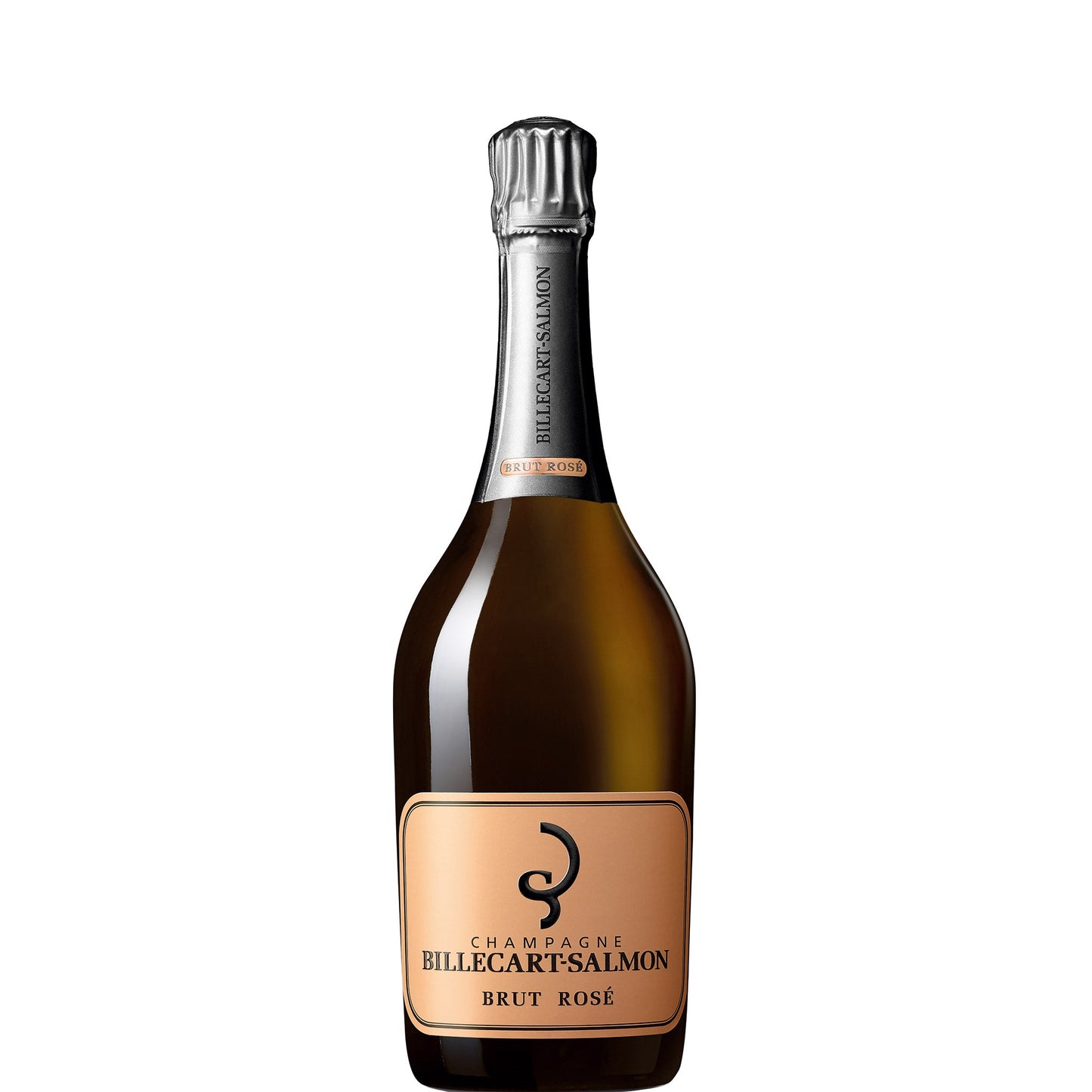

OUR GROWERS
Champagne Billecart-Salmon
Explore related wines


What are you looking for tonight? Tell me the occasion, a grape, a region — or just try a suggestion below.
Your recommendations will appear here.
-
-
Speak to one of our Wine Gurus
Speak to a Wine GuruWith years of experience, our team can help you with all your wine buying and selling needs