

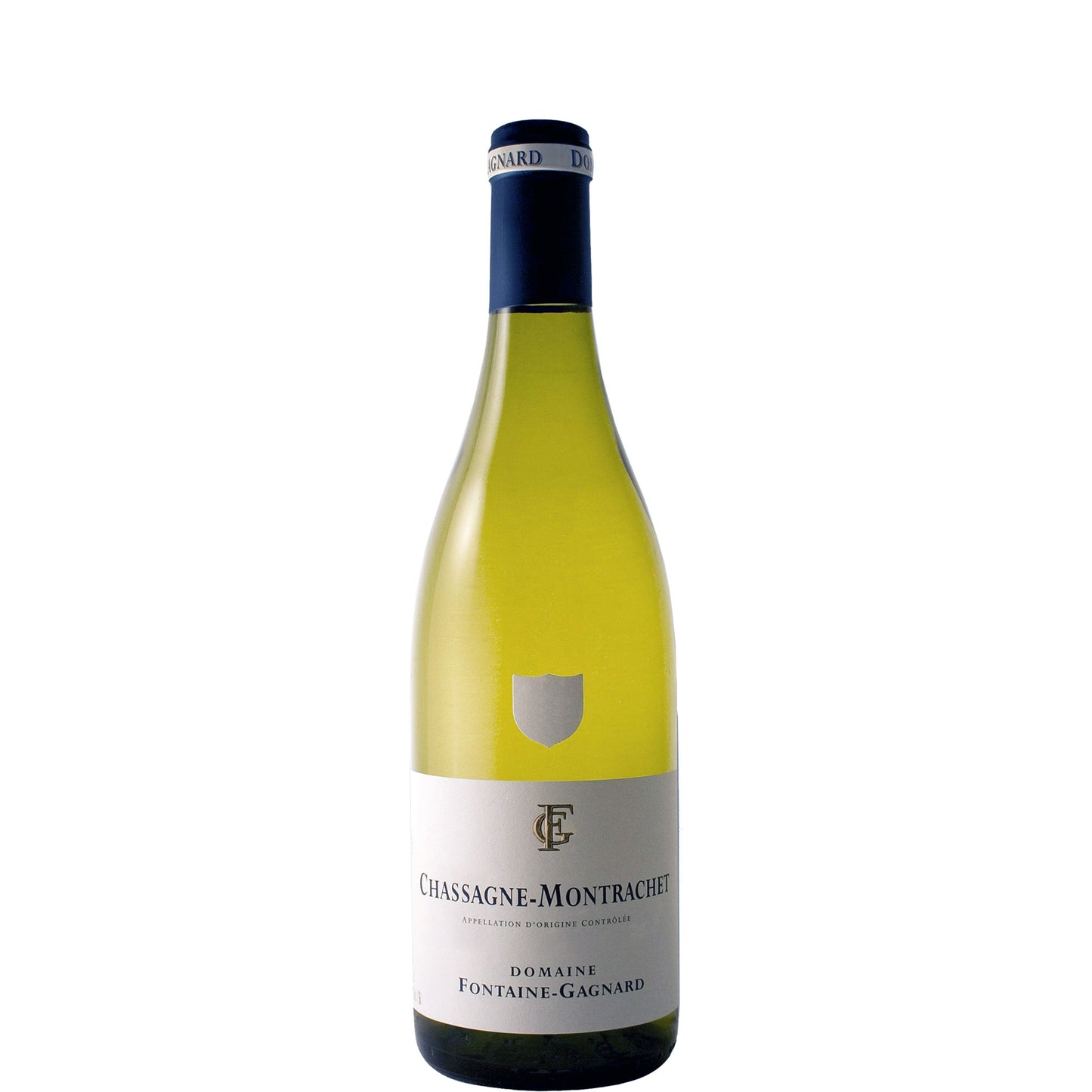
Chassagne-Montrachet Blanc, Domaine Fontaine-Gagnard, 2021
Chassagne-Montrachet Blanc, Domaine Fontaine-Gagnard, 2021
- 75cl
- 13%
- White Still
- Chardonnay
- Organic
Couldn't load pickup availability

Optimal drinking window: 2026 - 2034
Domaine Fontaine-Gagnard sits right in the heart of Chassagne-Montrachet, where the Gagnard family has been crafting some of Burgundy's most reliable white wines for decades. This village-level Chassagne shows exactly why the appellation punches above its weight - it's got the mineral spine and citrus precision you want from great white Burgundy, without the eye-watering price tags of the grands crus up the hill.
The 2021 vintage brought ideal ripening conditions, and it shows in the wine's balance of fresh acidity and subtle richness.
The 2021 is drinking well now, showing primary citrus and stone fruit flavours with well-integrated oak. Over the next 2-3 years, expect the fruit to settle and secondary characters to emerge - honey, hazelnuts, and deeper mineral complexity. The wine should hit its sweet spot around 2028-2030, when the acidity will have softened slightly while the mineral core remains intact. After 2032, it may begin to show tertiary development with more oxidative notes, though well-stored bottles could continue evolving gracefully for several more years.
Tasting Notes
AppearancePale gold with bright clarity and a slight green tinge that speaks to the wine's youth.
NoseFresh citrus peel and green apple lead, followed by white flowers and a hint of struck flint. There's subtle oak integration - vanilla and brioche rather than overwhelming spice. A mineral thread runs through everything, like wet limestone after rain.
PalateMedium-bodied with excellent tension between the ripe fruit and mineral acidity. White peach and pear flesh give way to lemon zest and chalky minerality. The oak is well-judged, adding texture rather than flavour. There's a saline quality that makes you want another sip.
FinishLong and precise, with citrus pith and mineral salts lingering well after the last sip.
Overall impressionClassic Chassagne that shows both immediate appeal and the structure to reward patience.
Food Pairings
In Burgundy, this would naturally accompany the local specialities: poulet de Bresse roasted with herbs, escargots swimming in garlic and parsley butter, or pike-perch from the Saône served with a cream sauce. The wine's mineral acidity cuts beautifully through rich preparations, while its subtle oak complements the nutty flavours of aged Comté cheese. During truffle season, locals might pair it with œufs à la coque topped with shaved black truffles - the wine's earthy undertones creating a perfect marriage with the fungi's intense aroma.
We think this wine would go well with
Serve at 10-12°C - cool enough to preserve the wine's mineral freshness but not so cold that you miss the subtle oak integration. No need to decant, though the wine benefits from 30 minutes of breathing time in the glass. Use a medium-sized white wine glass with a slight tulip shape to concentrate the delicate aromatics. If you're planning to age it, store on its side in a cool, dark place with consistent temperature.
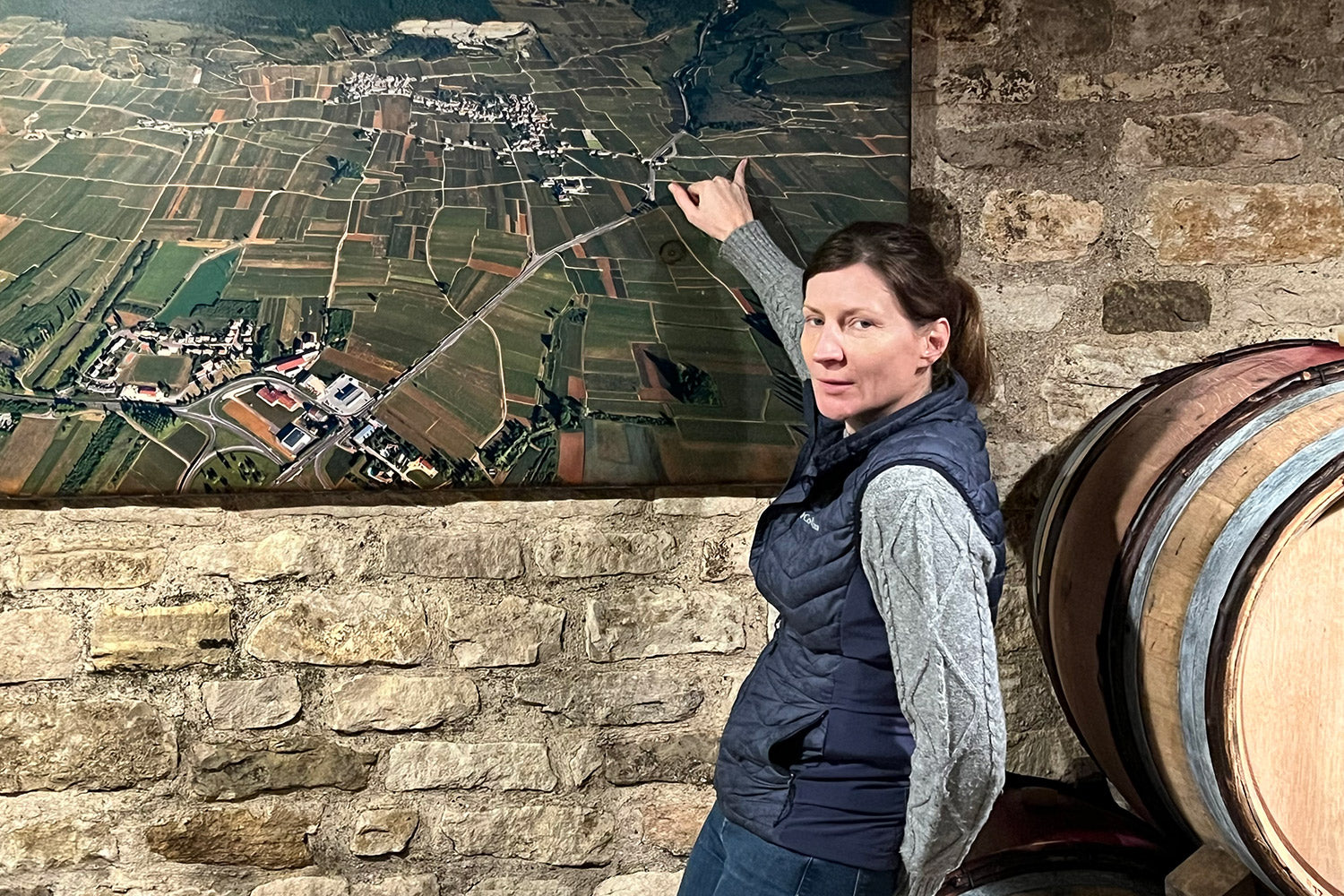
Chassagne-Montrachet's village vineyards sit on predominantly limestone and clay soils, with the best sites facing east and southeast on gentle slopes that catch the morning sun. The limestone provides the mineral backbone that defines great white Burgundy, while the clay adds weight and texture. The cool mornings and warm afternoons create ideal conditions for chardonnay to ripen slowly while retaining the crisp acidity that makes these wines so food-friendly and age-worthy.
Chassagne-Montrachet is the southern bookend of the Côte de Beaune's great white wine communes, sharing the famous Montrachet vineyard with Puligny to the north. While Puligny gets more attention, we think Chassagne often delivers better value - the village wines show similar mineral precision and aging potential, but at more approachable prices. The appellation produces both red and white wines, though it's the chardonnays that have made Chassagne's reputation. Village-level wines like this one must come from approved vineyard sites within the commune boundaries and meet strict yield limits.
The 2021 growing season in Burgundy started badly and got worse before pulling off one of wine's great escapes. Spring frost in April devastated vineyards across the Côte d'Or, followed by a summer that alternated between biblical downpours and scorching heat. Many producers lost 50% or more of their crop to the frost alone, then watched hail batter what remained in some unlucky villages. By August, with rot creeping through rain-soaked vineyards, even the most optimistic vignerons were writing off the vintage.
What emerged from this chaos surprised everyone: wines with remarkable freshness and purity, if you can find them. The tiny yields meant those grapes that survived were intensely concentrated, while the September sunshine saved the day with perfect ripening conditions. We find the reds show beautiful fruit clarity without heaviness, drinking with an immediacy that makes them irresistible now but promising a decade or more of evolution. The whites are particularly stunning, with a mineral intensity that cuts through their richness. Yes, there's not much 2021 Burgundy about, and yes, it's expensive, but this is one of those vintages where disaster bred greatness.
FAQs
What does this Chassagne-Montrachet taste like?
It's got the mineral precision and citrus freshness you expect from great white Burgundy, with white stone fruit, lemon zest, and a chalky backbone that speaks of limestone soils. The oak is subtle and well-integrated.
When should I drink this wine?
It's drinking beautifully now and will continue to improve until around 2034. The sweet spot will be 2028-2030 when the fruit and mineral elements are perfectly balanced.
What food pairs well with Chassagne-Montrachet?
Classic matches include roast chicken, fish in cream sauce, and aged hard cheeses. The wine's acidity cuts through rich dishes while its subtle oak complements nutty flavours.
How should I serve this wine?
Serve at 10-12°C in a medium-sized white wine glass. Give it 30 minutes to breathe in the glass - no need to decant. Don't serve it too cold or you'll miss the subtle complexity.
Is this wine worth cellaring?
Absolutely. While approachable now, it will reward patience with increased complexity and integration. Store it properly and it should develop beautifully over the next 6-8 years.
How does village-level Chassagne compare to the premier crus?
Village Chassagne offers excellent value while showing the same mineral backbone as the premier crus. You get classic Burgundian character at a more accessible price, though the premier crus will have more concentration and aging potential.
Explore related wines


What are you looking for tonight? Tell me the occasion, a grape, a region — or just try a suggestion below.
Your recommendations will appear here.
-
-
Speak to one of our Wine Gurus
Speak to a Wine GuruWith years of experience, our team can help you with all your wine buying and selling needs