

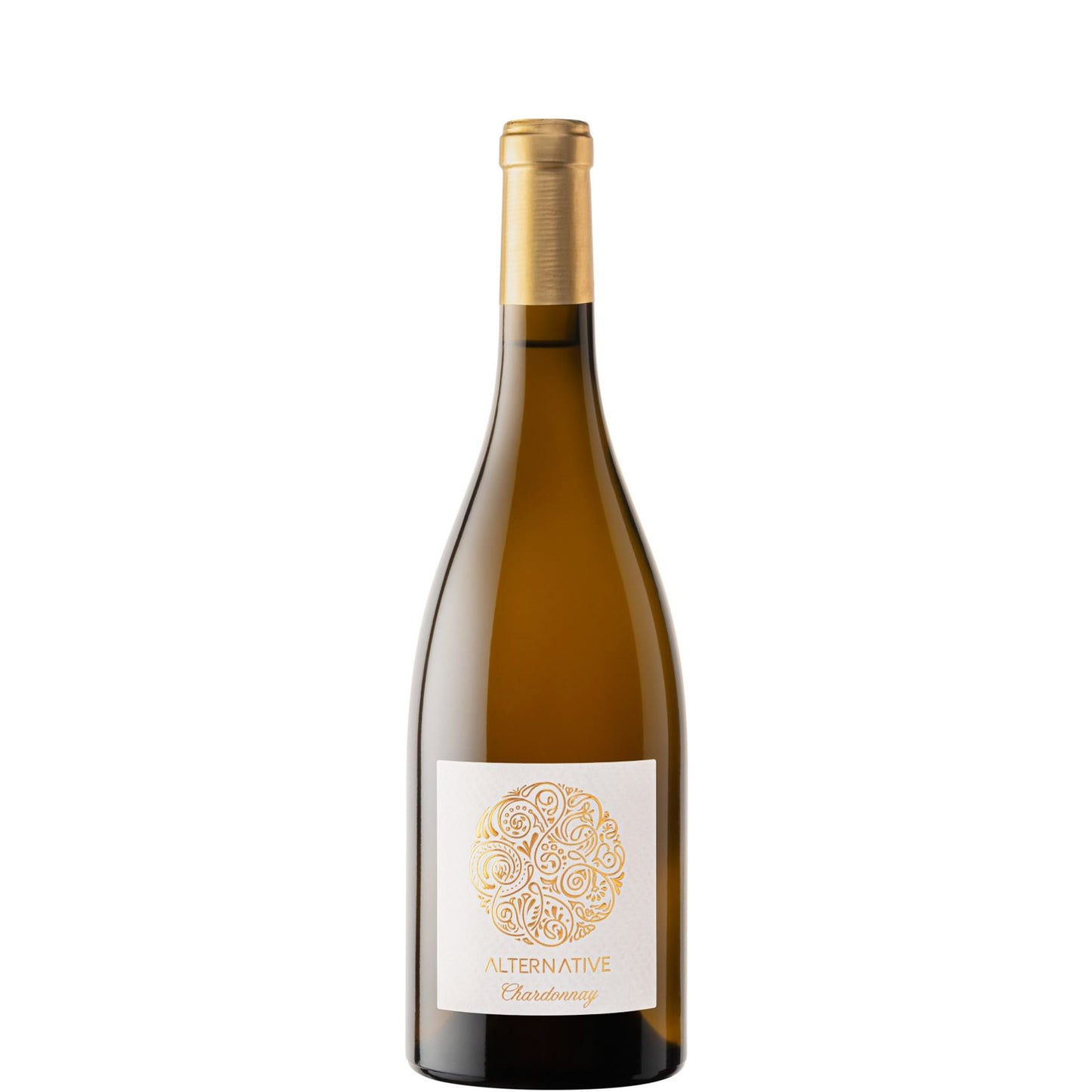
Château Canet, Chardonnay Alternative, 2024
Château Canet, Chardonnay Alternative, 2024
- 75cl
- 14%
- White Still
- Chardonnay
Couldn't load pickup availability

Optimal drinking window: 2026 - 2031
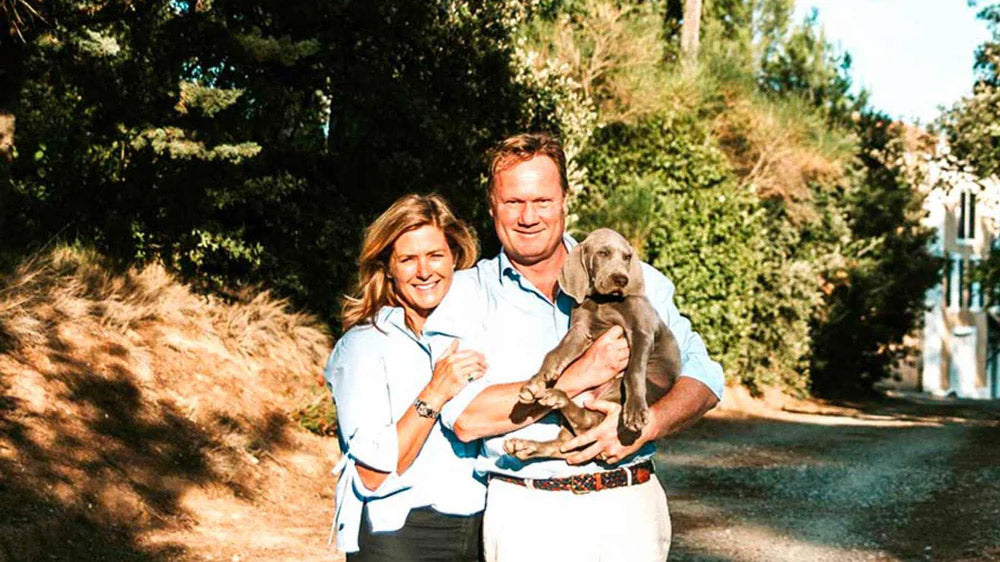
Floris Lemstra's ambitions are not modest. Having spent his formative years in Burgundy, he returned to Château Canet with a very specific idea: find the right mineral soils, plant Chardonnay, and make something that could hold its own against the Côte d'Or. The Alternative Chardonnay is the result — picked in the cool of the day, pressed, and then vinified and aged for twelve months in new French oak barrels. Rich and structured, with brioche and vanilla riding over pure, focused fruit, it has the freshness and backbone to hold its shape as it develops.
This is a wine that wears its Burgundian inspiration openly but is very much its own thing. We'd drink it now with something substantial on the plate.
Right now, the 2024 is in an open, generous phase where the primary fruit and oak are working in easy harmony — this is a good moment to drink it. Over the next two to three years the oak will integrate further and the mineral character should sharpen and become more expressive. By 2028-2029 it should be at its most complete, with the brioche and fruit deepened and the freshness still intact.
Tasting Notes
AppearanceBright golden yellow with a greenish rim and good clarity.
NoseWarm brioche and vanilla lead, backed by ripe pear and white peach. There's a stony, mineral quality underneath that keeps it from feeling over-oaked or heavy.
PalateCreamy and generous in texture, with the fruit sitting firmly at the centre — ripe apple and nectarine with a lick of toasted oak. The acidity is bright enough to keep the whole thing focused and alive.
FinishLong and clean, with the mineral note returning alongside a gentle, spiced oak warmth.
Overall impressionA Chardonnay built on conviction, with the structure to back it up.
Food Pairings
Given Lemstra's Burgundian frame of reference, the instinct is to pair this with the food of that region: a roast chicken with tarragon butter, or a comté-topped gratin dauphinois would be well suited. Closer to home at Château Canet, rich river fish like pike or perch in a cream sauce would be a natural match. A simple plateau of aged sheep's cheeses would also work well, letting the wine's mineral edge and oak spice do the talking. If you're going further afield, a lobster thermidor or crab with brown butter would be hard to argue with.
We think this wine would go well with
Serve at 11-13°C — cold enough to keep the acidity lively, warm enough to let the oak and fruit express themselves properly. No need to decant, though giving it ten minutes in the glass does open it up. A large-bowled white Burgundy glass is the right call here, giving the wine the space it needs to breathe.
The vineyard Lemstra selected for this wine is distinguished by a particularly mineral soil structure, which he identified as the key to producing Chardonnay with the kind of precision and freshness that Burgundy's limestone-driven sites deliver. Cool overnight temperatures allow for early-morning harvesting, preserving acidity and aromatic clarity. That combination of mineral soils and careful thermal management gives the wine its spine and stops the oak from dominating.
FAQs
What does this wine taste like?
Rich and creamy, with brioche, vanilla, and ripe orchard fruit at the fore. There's a mineral undercurrent and enough bright acidity to keep it fresh rather than heavy. The twelve months in new French oak give it structure without overwhelming the fruit.
When should I drink it?
It's drinking well now and will continue to do so until around 2031. The sweet spot is probably 2027-2029, when the oak will have fully integrated and the mineral character should be at its most expressive. Don't sit on it much beyond that.
What food should I serve it with?
Think rich, savoury dishes: roast chicken with cream and tarragon, gratin dauphinois, river fish in a butter sauce, or aged sheep's cheeses. It has the weight and texture to stand up to something substantial on the plate.
Is this a Burgundy alternative worth taking seriously?
That's the explicit ambition, and on the evidence of this wine, Floris Lemstra is making a credible case. It's not trying to be a village Meursault or a Puligny-Montrachet — it's its own thing — but the precision, mineral quality, and oak handling are clearly informed by years spent learning from the best. We think it more than holds its own.
How should I serve it?
At 11-13°C in a large-bowled white Burgundy glass. No need to decant, but give it ten minutes in the glass before drinking. Don't serve it too cold or you'll lose the mid-palate richness that makes it interesting.
Is it worth cellaring?
Yes, for a few years. It's open and enjoyable now, but it has the acidity and structure to develop further until around 2029-2031. If you have a few bottles, open one now and hold the rest for two or three years to see how it changes.
Explore related wines


What are you looking for tonight? Tell me the occasion, a grape, a region — or just try a suggestion below.
Your recommendations will appear here.
-
-
Speak to one of our Wine Gurus
Speak to a Wine GuruWith years of experience, our team can help you with all your wine buying and selling needs