

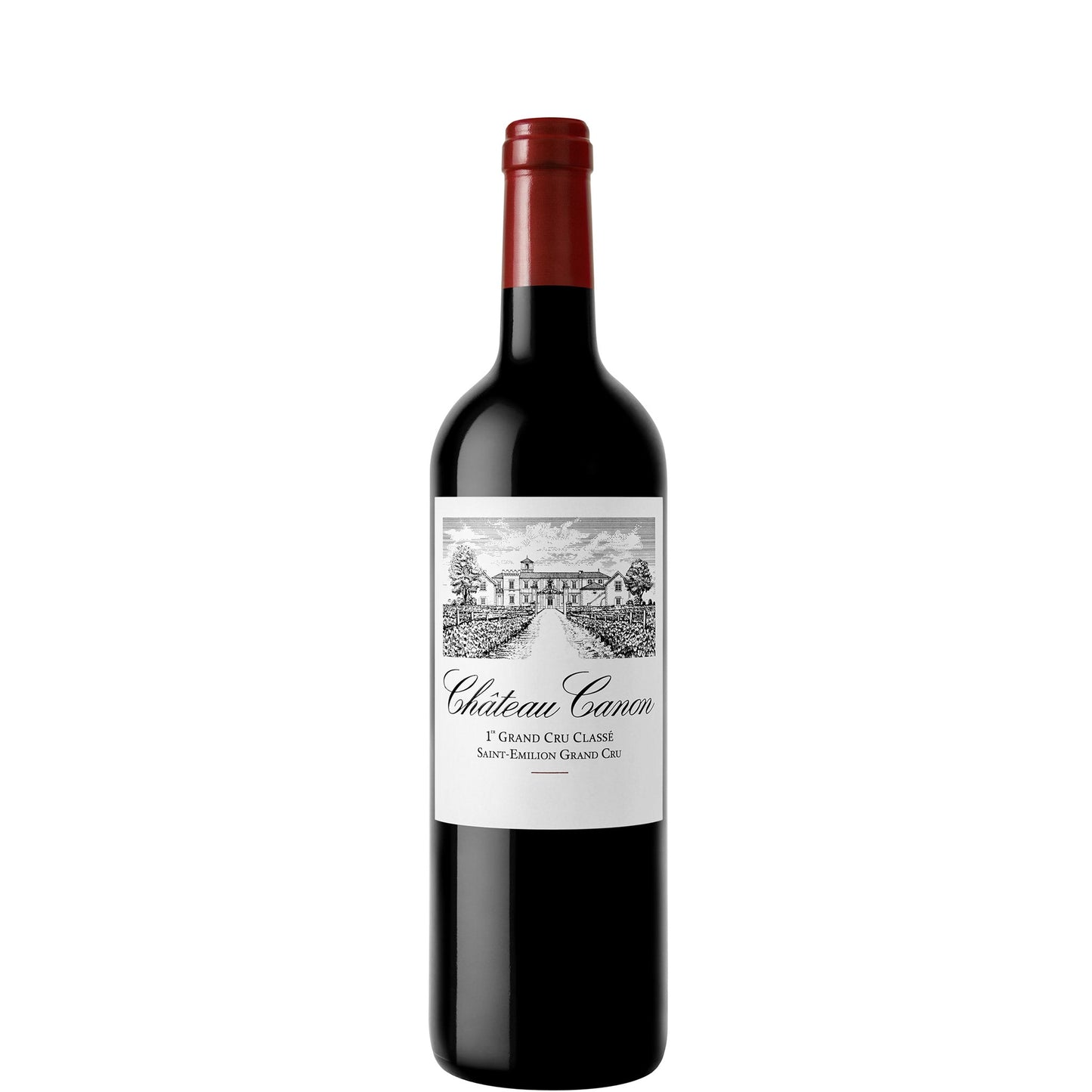
Château Canon, 2017
Château Canon, 2017
- 75cl
- 14%
- Red Still
- Merlot, Cabernet Franc
Couldn't load pickup availability

Optimal drinking window: 2026 - 2055
Château Canon sits on Saint-Émilion's prized limestone plateau, crafting some of the Right Bank's most distinguished wines. This 2017 blends the estate's signature elegance with serious structure, marrying Merlot's richness with Cabernet Franc's spine.
The 2017 vintage perfectly captures Canon's ability to be both powerful and graceful. The wine shows deep fruit concentration wrapped in fine tannins, with the mineral precision that makes great Saint-Émilion so compelling.
This 2017 is currently in its primary phase, with fruit concentration masking some of the secondary complexity that will emerge with time. Around 2028, the dense tannins should begin integrating more fully, allowing cedar and tobacco notes to become more prominent. The wine should reach its peak drinking window between 2030-2050, when primary fruit and secondary complexity achieve perfect balance.
What the critics say:
"Nicolas Audebert and his team have done it again. The 2017 Canon is shaping up to be one of the wines of the vintage. Rich and vertical in construction, the 2017 possesses off-the-charts richness and intensity in all of its dimensions. In the glass, the 2017 is sumptuous and layered, with superb detail and tons of sheer pedigree. In 20 years, readers will have a fabulous time tasting the 2015, 2016, 2017 and 2018 together and debating their respective merits. Dark plum fruit, striking Franc aromatics and the clean, focused energy of Saint-Émilion's limestone plateau make for a ravishing, exquisite wine of the highest level. In a word: breathtaking."
"Showing spectacularly, the 2017 Chateau Canon checks in as a final blend of 77% Merlot and 23% Cabernet Franc that’s from one of the most exceptional terroirs in the appellation. Hitting 14% alcohol (the pH is 3.66), it reveals a ruby/purple hue as well as gorgeously sweet raspberries and cassis-like fruit interwoven with notes of spring flowers, rose petal, white chocolate, and spice. While it doesn’t have the massive opulence of the 2015 and 2016, it’s more classically styled as well flawlessly balanced, with a terrific sense of minerality, ultra-fine tannins, and a brilliant finish. Give bottles 5-7 years in the cellar, and it will evolve gracefully for 30-40 years. Hats off to Nicolas Audebert as well as the team of Thomas Duclos for one of the wines of the vintage!"
Tasting Notes
AppearanceDeep garnet with a concentrated, almost opaque core and slight brick hints at the rim.
NoseConcentrated blackcurrant and dark plum emerge first, followed by cedar shavings and fresh tobacco leaf. There's a distinctive limestone minerality underneath, along with subtle violet and graphite notes that speak to the terroir.
PalateFull-bodied and structured, with dense dark fruit balanced by impressive freshness. The tannins are firm but fine-grained, providing backbone without overwhelming the fruit. A chalky mineral thread runs through the centre, typical of limestone-grown Saint-Émilion.
FinishLong and mineral-driven, with tobacco and cedar lingering alongside persistent dark fruit.
Overall impressionA serious, age-worthy Canon that perfectly balances power with the estate's trademark elegance.
Food Pairings
In Saint-Émilion, this wine would traditionally accompany the rich cuisine of the Périgord region. Think côte de boeuf grilled over vine cuttings, served with cèpe mushrooms and duck fat potatoes. The locals also pair it with confit de canard, where the wine's structure cuts through the richness beautifully. Game birds like pigeon or partridge, often prepared with juniper berries, make excellent matches. Aged hard cheeses from the region, particularly those with crystalline textures, complement the wine's mineral backbone perfectly.
We think this wine would go well with
Serve at 17-18°C to allow the wine's complexity to unfold properly. Decant for at least 90 minutes, as this vintage is still quite tight and benefits from aeration. Use large Bordeaux glasses to concentrate the aromatics and provide adequate surface area for the wine to breathe. Given its current youth, consider double-decanting to maximise exposure to air.
Canon's vineyards occupy the limestone plateau and côtes of Saint-Émilion, with vines planted on thin topsoil over pure limestone bedrock. This elevated position provides excellent drainage whilst the limestone stores water and reflects heat back to the vines. The combination creates wines of remarkable mineral precision and natural acidity, with the limestone imparting a distinctive chalky backbone that defines the estate's character.
Saint-Émilion Premier Grand Cru Classé represents the pinnacle of Right Bank Bordeaux, with Canon holding this prestigious classification since 1955. The appellation favours Merlot and Cabernet Franc over the Cabernet Sauvignon-dominant blends of the Left Bank, creating wines that are often more approachable young yet equally age-worthy. The classification system, revised roughly every decade, ensures only the most consistent estates maintain their status.
The 2017 growing season in Bordeaux reads like a masterclass in how vines adapt to extremes. April frost damaged budbreak across the region, reducing yields significantly, then July and August delivered serious heat that pushed ripening along at pace. The saving grace came with cooler nights and a perfectly timed return to moderate conditions in September, allowing whatever fruit remained to develop proper balance rather than simply racing to sugar.
What emerged was a vintage of surprising concentration—not because the fruit was inherently powerful, but because there was simply less of it to go around. The Cabernets, particularly Cabernet Sauvignon, show real intensity without the hard edges that scorching summers often produce, while Merlot varies more dramatically depending on terroir and timing. We find these wines drinking beautifully now, offering immediate pleasure with their forward fruit and supple tannins, though the better examples will happily cruise until 2030. This isn't a vintage for the cellar obsessives, but for those who actually open bottles.
FAQs
What does Château Canon 2017 taste like?
Dense blackcurrant and plum with cedar, tobacco, and a distinctive limestone minerality. It's powerful yet refined, with firm but fine tannins and excellent freshness.
When should I drink this wine?
While approachable now with decanting, it's best from 2028 onwards. The optimal drinking window is 2030-2038, though it will remain excellent until 2042.
What food pairs well with this Saint-Émilion?
Beef dishes, particularly grilled côte de boeuf, duck confit, game birds, and aged hard cheeses. The wine's structure handles rich, savoury preparations beautifully.
How should I serve Château Canon 2017?
Serve at 17-18°C in large Bordeaux glasses. Decant for at least 90 minutes, as the wine is still young and tight. Consider double-decanting for maximum aeration.
Is this wine worth cellaring?
Absolutely. This is a serious, age-worthy Canon that will reward patience. The limestone terroir provides natural freshness and longevity, making it ideal for long-term cellaring.
How does this compare to Left Bank Bordeaux?
As a Right Bank wine, it's Merlot-dominant rather than Cabernet Sauvignon-led, making it more approachable young while remaining equally age-worthy. The limestone terroir gives it distinctive mineral precision.
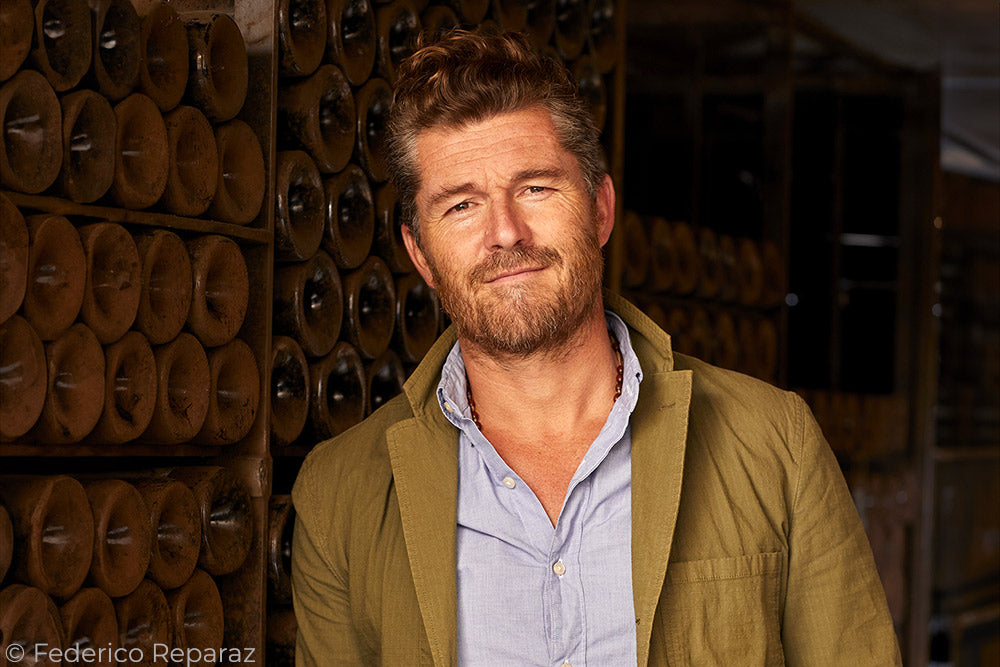
OUR GROWERS
Château Canon


What are you looking for tonight? Tell me the occasion, a grape, a region — or just try a suggestion below.
Your recommendations will appear here.
-
-
Speak to one of our Wine Gurus
Speak to a Wine GuruWith years of experience, our team can help you with all your wine buying and selling needs