

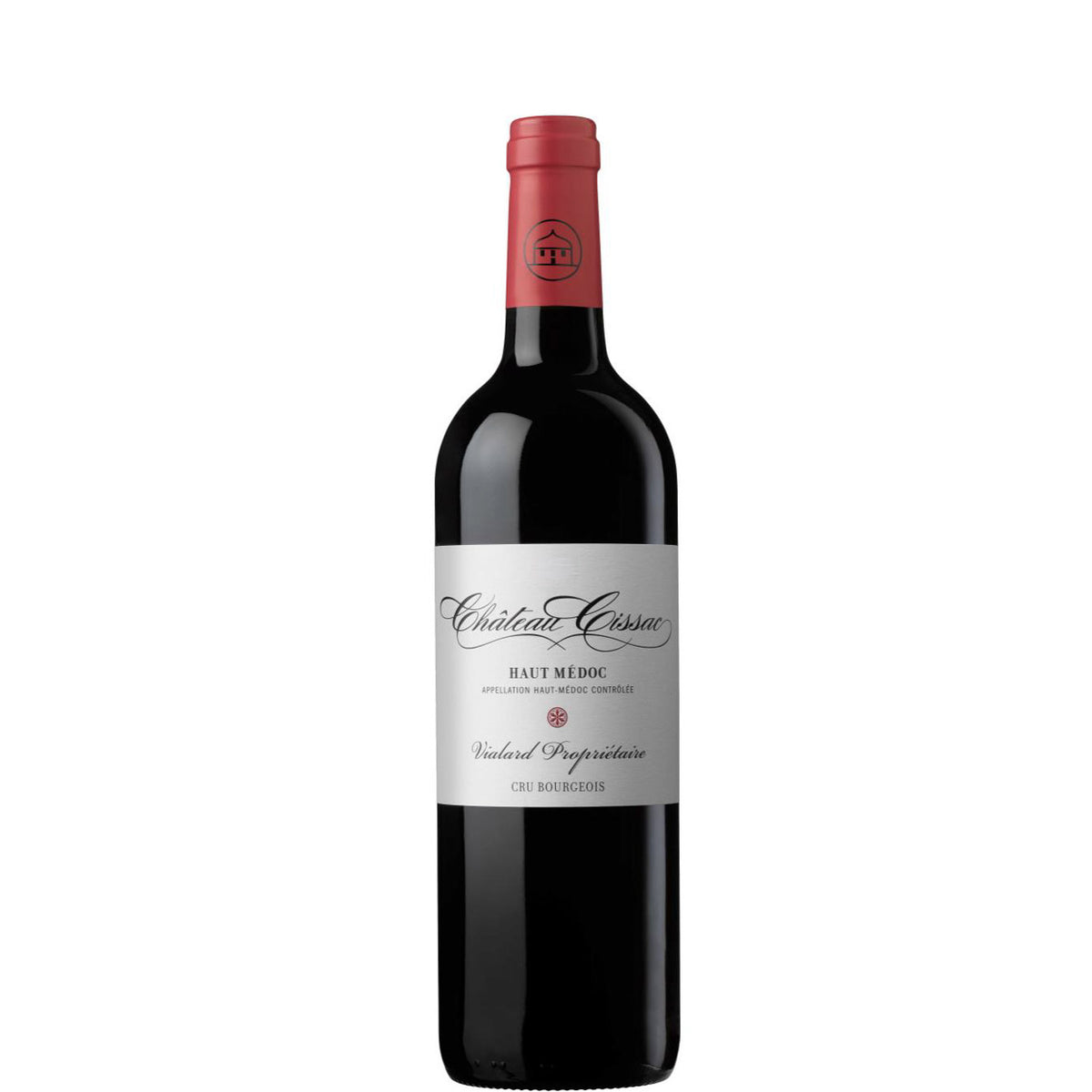
Château Cissac, 2018
Château Cissac, 2018
- 75cl
- 14%
- Red Still
- Cabernet Sauvignon, Merlot, Petit Verdot
Couldn't load pickup availability

Optimal drinking window: 2026 - 2038
Château Cissac sits in the Haut-Médoc, just inland from the grander communes of Pauillac and Saint-Estèphe, and has long punched above its unclassified weight. The 2018 is a vintage of real substance here: warm, dry conditions gave ripe, concentrated fruit without losing the estate's characteristic firmness, and the result is a wine with more muscle than charm in its youth.
Expect blackcurrant and black cherry wrapped around cedar, graphite, and a rustic, savoury edge that marks this out as proper claret rather than crowd-pleaser. Tannins are sturdy and the structure demands food and time rather than immediate indulgence.
The 2018 is still carrying plenty of primary blackcurrant and cherry fruit, but the tannins need until around 2028 to truly soften. Expect cedar, tobacco, and a more savoury, leathery complexity to emerge from 2030 onwards as the fruit recedes a touch. It should plateau comfortably through the early 2030s before a slow, graceful decline, with 2038 a sensible outer limit for most cellars.
What the critics say:
"This is an impressive wine. Dominated by Cabernet Sauvignon, it is full of black-plum fruits, rich tannins and great potential. The velvet texture brings out an opulent, succulent character that will remain as the wine ages. It needs to age, so drink from 2025."
"Deep dark ruby, violet tints, delicate bright rim. Ripe plums, tobacco, a touch of blackberries and herbal savouriness, nougat and orange zest in the background. Medium complexity, red cherries, well-integrated tannins, salty-mineral finish, a versatile food match."
Tasting Notes
AppearanceDeep garnet with a youthful purple edge.
NoseBlackcurrant and black cherry meet cedar and graphite, with a faint whiff of tobacco leaf underneath.
PalateFull-bodied and firm, with dark plum and damson fruit held in check by chalky, assertive tannins and a savoury, earthy undertow.
FinishLong, dry, and mineral, with the tannins lingering well after the fruit has faded.
Overall impressionA proper, old-school claret that rewards those willing to wait.
Food Pairings
This is a wine for the Médoc table: roast lamb with garlic and rosemary, or a rare entrecôte with bordelaise sauce. Locals might reach for duck confit or a wood-pigeon terrine to match the tannic grip, while a mature Comté or Cantal would do the job equally well at the cheese course. Avoid anything too delicate; this wine wants fat, char, and a little iron in its food.
We think this wine would go well with
Serve at 17-18°C, properly cool rather than room-warm. Decant for at least an hour to soften the tannins and let the cedar and graphite notes open out. A classic Bordeaux glass with a generous bowl will do the structure justice.
The vineyard sits on one of the highest points in the Haut-Médoc, with gravel and clay-limestone soils that drain well and force the vines to dig deep. This elevation and gravel base give the wine its structure and freshness, while the clay beneath lends weight and grip rather than fleshy generosity.
Haut-Médoc AOC covers a broad sweep of the left bank, sitting below the grander communal appellations like Pauillac and Margaux in prestige but often offering better value. Rules require a minimum Cabernet Sauvignon-led blend and typically demand more structure and less immediate charm than Médoc AOC wines from flatter land closer to the estuary. Cissac, though unclassified, has a reputation that regularly outperforms its official standing.
The 2018 growing season in Bordeaux delivered exactly what vignerons pray for: a long, warm summer that ripened both Cabernet Sauvignon and Merlot to perfection without the punishing heat that can shut down the vines. After a wet spring that had everyone fretting about mildew, the weather gods smiled with consistent sunshine and just enough rain to keep the vines happy. The harvest stretched into October under glorious conditions, allowing producers to pick each parcel at optimal ripeness rather than racing against the clock.
What emerged from the cellars shows Bordeaux at its most seductive: wines with immediate charm that don't sacrifice depth or aging potential. The Left Bank Cabernets have that lovely cassis purity we adore, while Right Bank Merlots are plush and welcoming without being flabby. These aren't the austere, intellectual wines that demand decades of patience, but rather bottles that reward both early drinking and cellaring. Most are singing beautifully now, though the best will happily evolve until 2035 and beyond.
FAQs
What does this wine taste like?
Dense blackcurrant and black cherry with cedar, graphite, and firm, savoury tannins. Proper structured claret rather than a soft crowd-pleaser.
Should I decant it?
Yes, at least an hour before serving. It's a firm, structured wine that benefits from some air.
What food should I pair it with?
Roast lamb, steak with bordelaise sauce, or duck confit. Something with enough fat and char to stand up to the tannins.
Is this wine worth cellaring?
Absolutely. Cissac has a long track record of ageing gracefully well beyond its unclassified status, and the 2018 has the structure to reward patience.
What grape varieties are in this wine?
A Cabernet Sauvignon-led blend with Merlot and a touch of Petit Verdot, typical of the Haut-Médoc.

OUR GROWERS
Château Cissac
Explore related wines


What are you looking for tonight? Tell me the occasion, a grape, a region — or just try a suggestion below.
Your recommendations will appear here.
-
-
Speak to one of our Wine Gurus
Speak to a Wine GuruWith years of experience, our team can help you with all your wine buying and selling needs