

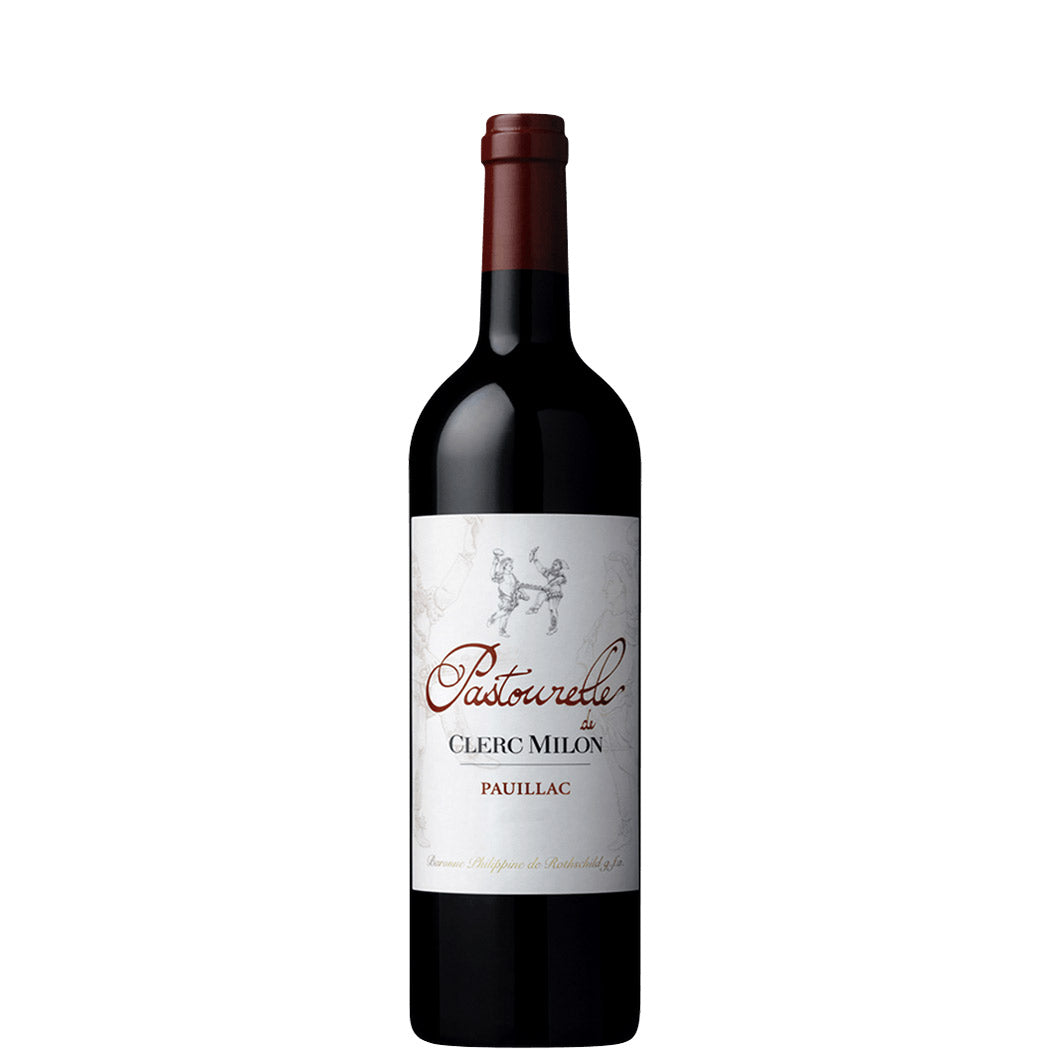
Château Clerc Milon, Pastourelle de Clerc Milon, 2015
Château Clerc Milon, Pastourelle de Clerc Milon, 2015
- 75cl
- 13.5%
- Red Still
- Cabernet Sauvignon, Merlot, Cabernet Franc
Couldn't load pickup availability

Optimal drinking window: Now - 2030
About Château Clerc Milon, Pastourelle de Clerc Milon, 2015
Another wonderful wine from the Rothschild stable, this is the second wine of Château Clerc Milon, and it benefits from the same care and attention as the main wine. Dominated by Cabernet Sauvignon with a decent dollop of Merlot and touches of Cabernet Franc, it will become quite complex with ageing.
The Pastourelle de Clerc Milon is an elegant wine with plenty of black fruit aromas and flavours such as blackcurrant and cherry. As well as the ripe fruit flavours, there are also hints of leather and some pencil shavings. The finish is full, long and fine with some chocolate notes too.
The 2015 vintage gave the Médoc ripe, generous fruit with naturally balanced acidity, which means the Pastourelle is already drinking well without the austerity that can make younger second wines a test of patience. The primary black fruit is still very much centre stage, but cedar and earthy complexity are beginning to integrate around it. Between 2026 and 2030 we'd expect that transition to deepen, with more savoury, leathery notes emerging as the fruit slowly settles.
What the critics say:
"Perfumed aromas of blackberries and cherries with hints of flowers. Full body, round and linear tannins and resounding freshness and brightness. Polished and fine tannins. Hard not to drink now. Beauty. Second wine of Clerc Milon. Drink or hold."
Tasting Notes
AppearanceDeep ruby-garnet with a dense, youthful core and only the faintest softening at the rim.
NoseBlack cherry, cassis, and a flicker of cedar lead, with graphite and a subtle dried herb quality emerging with air. There's a polish to it — nothing rough or unresolved — that speaks to the vintage's natural generosity.
PalateMedium-to-full bodied with Cabernet's structure clearly in charge, though the Merlot softens the edges into something approachable. Dark plum and blackcurrant are the headline act, with pencil shavings and a hint of dark chocolate bringing up the rear on the mid-palate.
FinishLong and fine-grained, with tannins that are present but polished, and a mineral persistence that lingers well past the last sip.
Overall impressionA second wine that makes a strong case for not always needing the first.
Food Pairings
In the Médoc, this kind of structured Cabernet-led red is the natural companion to entrecôte bordelaise — thick-cut rib steak finished with a red wine and bone marrow sauce that is the region's great culinary gift to the world. Rack of lamb with Pauillac's own milk-fed agneau de Pauillac is the classic local pairing, the wine's cassis and cedar finding a perfect counterpart in the sweet, delicate meat. Aged Comté or Cantal cheese works beautifully at the table if you're going the fromage route, and a slow-braised shoulder of lamb with flageolet beans would be equally at home.
We think this wine would go well with
Serve at 17-18°C — too warm and the alcohol flattens the fruit, too cool and the tannins close up. Decant for 45 minutes to an hour; the wine is accessible but benefits from a little coaxing to show its full hand. A large-bowled Bordeaux glass gives the aromas room to open and lets the tannins settle into the right proportion.
Clerc Milon's vineyards sit on the classic Médoc mix of deep Günzian gravel over clay-limestone subsoils, with parcels close to both Mouton Rothschild and Pontet-Canet. The gravel drains rapidly and forces the vines to root deep, producing small, concentrated berries. The proximity to the Gironde estuary moderates temperature extremes and reduces frost risk, a consistent advantage in a vintage like 2015.
Pauillac is the undisputed heavyweight of the Médoc, home to three First Growths and a concentration of classified estates unmatched anywhere in Bordeaux. The appellation's deep gravel beds are uniquely suited to Cabernet Sauvignon, producing wines of structure, longevity, and that unmistakable cassis-and-cedar character. Compared to its neighbours Saint-Estèphe and Saint-Julien, Pauillac tends to be more powerful and defined, with a firm tannic spine that demands patience but rewards it handsomely.
We absolutely adore 2015 Bordeaux, and frankly, we think it might be the most underrated vintage of the decade. The growing season was a fairy tale: a warm, dry summer with just enough rain in September to plump up the grapes before a gloriously sunny harvest. The Right Bank had a particularly brilliant time of it, with Merlot ripening to perfection, whilst the Cabernet Sauvignon on the Left Bank achieved that magical balance between power and elegance that makes collectors weak at the knees.
What emerged were wines of remarkable concentration and finesse – think 2010's structure with 2009's generosity, but with their own distinct personality. The tannins are silky rather than muscular, the fruit is pure and focused, and there's an underlying freshness that keeps everything in perfect harmony. We find these wines utterly charming already, drinking beautifully now with a few hours in the decanter, but the best will happily cellar for another 15-20 years. If you're looking for Bordeaux that combines immediate pleasure with serious ageing potential, 2015 is your vintage.
FAQs
What does the Pastourelle de Clerc Milon taste like?
Dark blackcurrant, black cherry, cedar, and graphite, with chocolate and a pencil-shaving quality on the mid-palate. The tannins are firm but polished, and the finish is long and fine. It's structured rather than opulent — very much in the classic Pauillac mould.
When should I drink this wine?
It's drinking well now, and with a decant it shows generously. That said, there's real structure here that will reward patience. We'd aim for the 2028 to 2033 window for peak complexity, though it will hold happily until 2040.
Is this worth cellaring over the grand vin of Clerc Milon?
The grand vin will develop more complexity and depth over a longer arc, but the Pastourelle is no consolation prize. If you want something approachable sooner and at a more accessible price point, it makes a very strong case for itself — especially from a vintage as good as 2015.
What food should I pair with this wine?
Rack of lamb is the classic Pauillac pairing, particularly the local milk-fed agneau de Pauillac if you can find it. A well-aged ribeye with bone marrow sauce works brilliantly, as does slow-braised lamb with flageolet beans. Aged hard cheeses like Comté are a good match if you're keeping things simple.
How should I serve this wine?
Aim for 17-18°C and decant for around 45 minutes to an hour. A large-bowled Bordeaux glass gives the aromatics room to open up and lets the tannins soften into the right proportion.
What is the relationship between Pastourelle de Clerc Milon and Château Clerc Milon?
The Pastourelle is the second wine of Château Clerc Milon, a Fifth Growth Pauillac estate owned by Domaine Barons de Rothschild (Lafite). It is made from younger vines and barrels not selected for the grand vin, but benefits from exactly the same winemaking philosophy and attention. In a vintage like 2015, the gap between first and second wine narrows considerably.
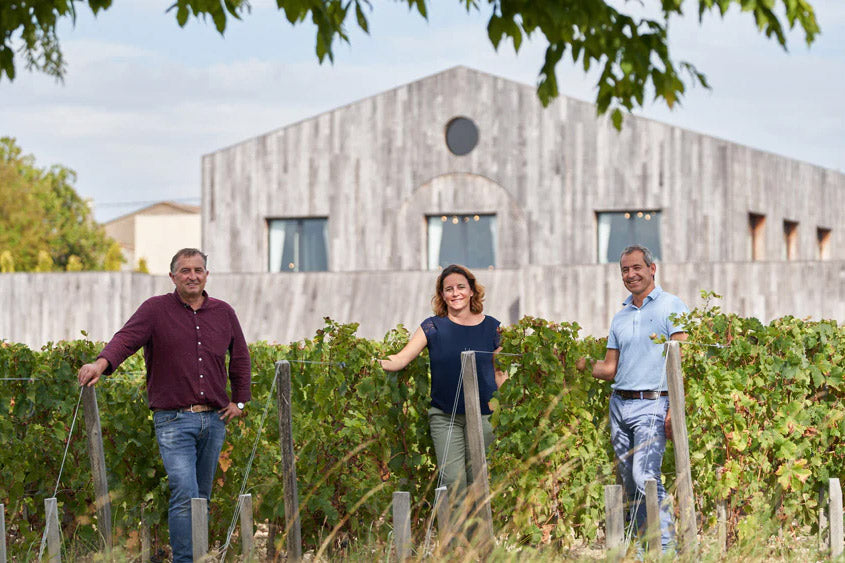
OUR GROWERS
Château Clerc Milon
Explore related wines


What are you looking for tonight? Tell me the occasion, a grape, a region — or just try a suggestion below.
Your recommendations will appear here.
-
-
Speak to one of our Wine Gurus
Speak to a Wine GuruWith years of experience, our team can help you with all your wine buying and selling needs