

Château De La Gardine, Châteauneuf-Du-Pape Tradition, 2019 - Magnum
Château De La Gardine, Châteauneuf-Du-Pape Tradition, 2019 - Magnum
- 150cl
- 15%
- Red Still
- Grenache, Mourvèdre, Syrah, Muscardin
Couldn't load pickup availability

Optimal drinking window: 2026 - 2038
Château De La Gardine’s Châteauneuf-du-Pape Tradition 2019 is a full-throttle southern Rhône classic packed with dark berry fruit, cracked pepper, and a touch of earthy spice. It’s rich and layered, with firm tannins and a long, savoury finish that sings alongside roast lamb or slow-cooked game.
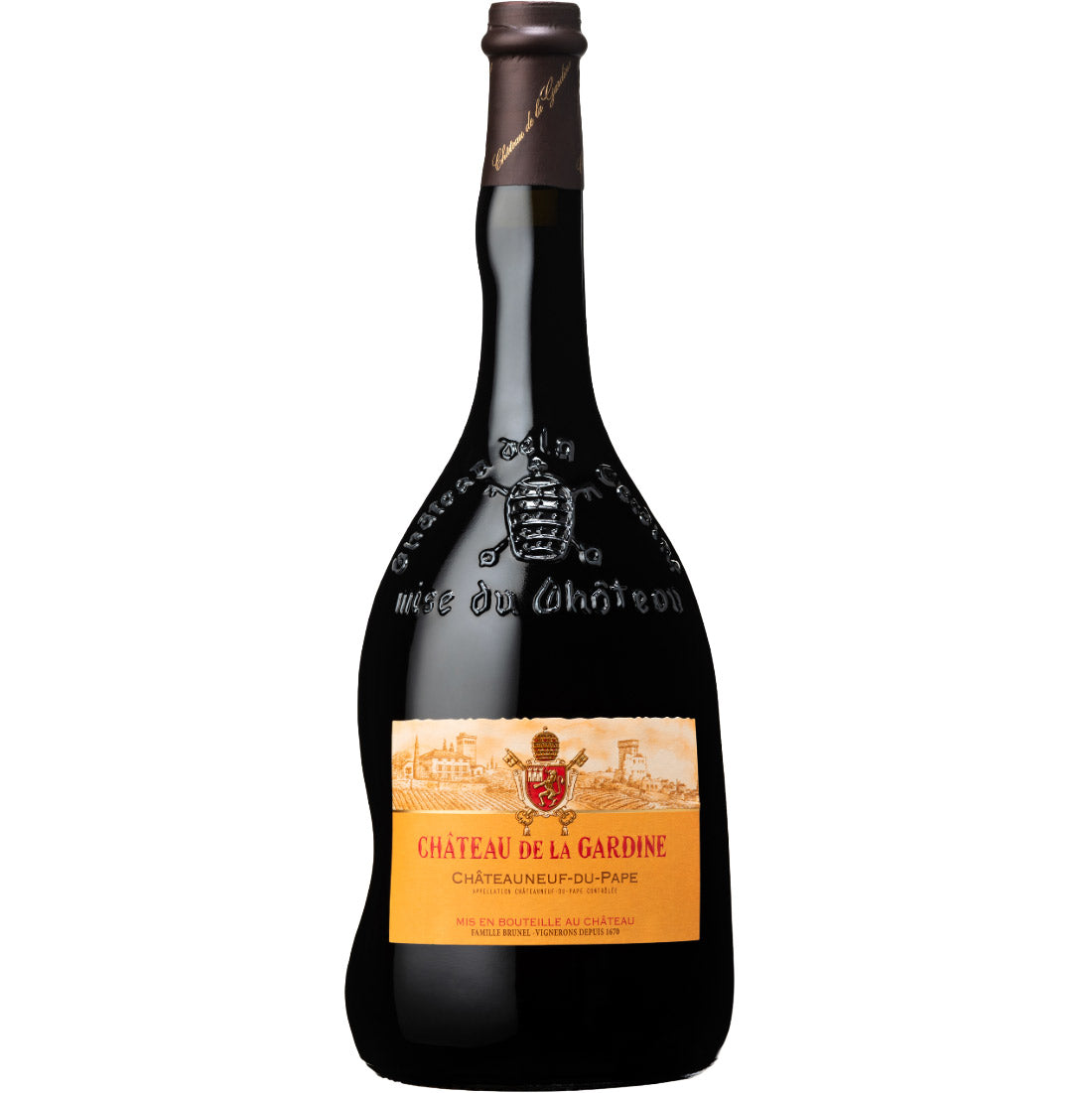
The estate’s instantly recognisable bottle shape adds its own touch of history. In the early 1960s, Gaston Brunel unearthed a beautifully irregular, hand-blown bottle while digging out a new cellar. Captivated by its shape, he decided to recreate it for all Gardine wines; a distinctive hallmark that’s now as much a part of the family’s identity as their bold, expressive reds.
The 2019 vintage in Châteauneuf was warm and generous, so the primary fruit is vibrant and front-footed right now — particularly in magnum, where the wine is currently showing its best exuberant self. Over the next three to four years, the tannins will knit in further and secondary complexity — leather, dried fig, tobacco, forest floor — will start to emerge with more clarity. The magnum format slows all of this down pleasingly, so expect the plateau of full maturity somewhere around 2030 to 2034. By the late 2030s it may begin to lose its freshness, so don't leave it too long after that.
Tasting Notes
AppearanceDeep, dense ruby with a dark garnet core and very little fade at the rim — it means business.
NoseDark cherry, black plum, and a hit of cracked black pepper lead, followed by dried lavender, smoked meat, and something earthy and garrigue-like — wild herbs baked in afternoon sun. The magnum format keeps everything fresher and more primary than you might expect from a seven-year-old wine.
PalateFull-bodied and generous, with plush dark fruit at the core and enough grippy tannin to give the whole thing shape. There's a savoury, almost iron-edged quality mid-palate that stops it tipping into jammy territory, and the fruit stays lifted and expressive rather than heavy. It's a big wine, but not a clumsy one.
FinishLong, warm, and spiced, with cracked pepper and dried herbs lingering well after the glass is empty.
Overall impressionClassic southern Rhône with real ambition — a magnum that will reward those willing to wait it out.
Food Pairings
Around Châteauneuf-du-Pape, this is the kind of wine that ends up on the table alongside a slow-roasted leg of lamb rubbed with herbes de Provence and garlic, the fat rendered down into the pan juices over four hours. Wild boar daube — braised with olives, orange peel, and local wine — is another Provençal staple that meets the wine's weight and spice perfectly. The Camargue's gardian stew, made with bull meat and black olives, is the region's most rustic and satisfying match. Strong aged cheeses from the Ardèche, or a slab of tapenade on crusty bread, would handle an early evening glass with ease.
We think this wine would go well with
Serve at 17-18°C — any warmer and the alcohol starts to dominate. This wine needs decanting: at least 90 minutes for a standard bottle, and ideally two hours given the magnum format, which tends to develop more slowly. A large-bowled Burgundy or Rhône glass gives the wine the space it needs to open up and show its aromatic range properly.
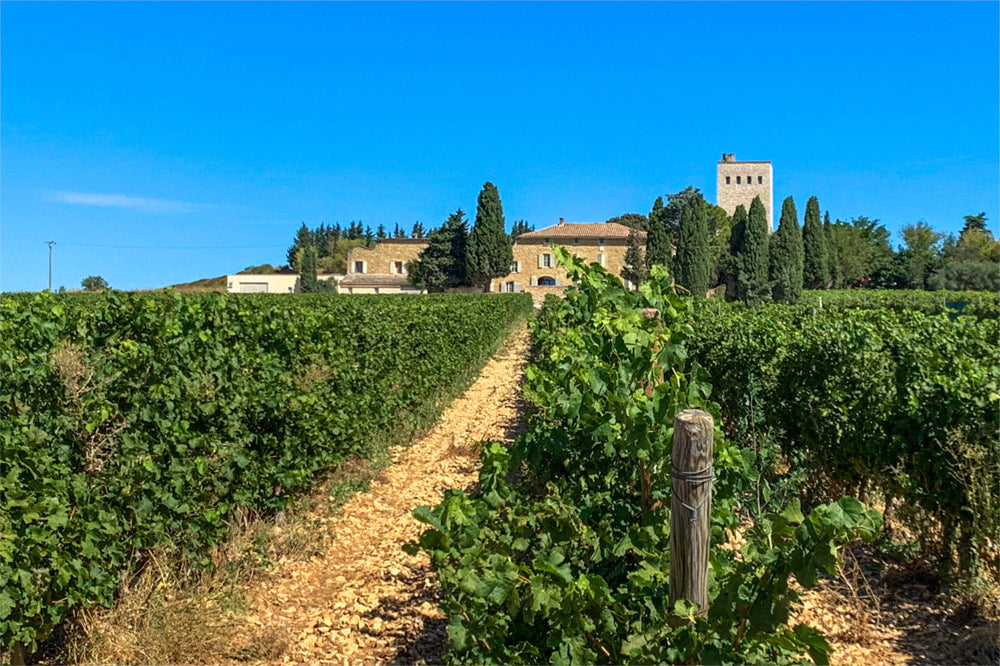
Gardine's vineyards span several of Châteauneuf-du-Pape's distinct soil types, from the famous galets roulés — large, rounded quartzite pebbles that absorb heat during the day and radiate it back at night — to sandier, more clay-rich parcels that bring freshness and structure to the blend. The vineyards sit at relatively modest altitude but benefit from the Mistral, the region's famous north wind, which controls humidity and keeps the vines healthy. The combination of heat, reflected light, and that constant drying wind produces grapes of exceptional ripeness and concentration.
Châteauneuf-du-Pape is the southern Rhône's most prestigious appellation and one of France's most historically significant, having established France's first appellation laws in the 1930s. Up to 13 grape varieties are permitted in red blends, though Grenache dominates across most estates, typically supported by Syrah and Mourvèdre. The wines are known for their richness, power, and complexity — Mediterranean in spirit, deeply spiced, and capable of ageing far longer than their sunny, sun-baked personality might suggest. They are fundamentally different from their Rhône neighbours to the north; where Hermitage or Côte-Rôtie rely on a single variety and granite soils, Châteauneuf is an ensemble production built on warmth, diversity, and weight.
The 2019 season in the Rhône was defined by heat — a summer that arrived early and stayed late, with a fierce heatwave in late June pushing temperatures well above seasonal norms across both north and south. Yields were down in some areas as a result, but dry conditions through the growing season meant disease pressure was low and growers who managed their canopies well brought in fruit in exceptional condition. Harvest came early, and the raw material was ripe, concentrated, and healthy.
The resulting wines reflect that intensity. In the north, Syrah from Hermitage and Côte-Rôtie produced wines of real density and structure — dark-fruited, serious, and built to last. The southern appellations, Châteauneuf-du-Pape especially, delivered Grenache of striking depth and warmth without tipping into overripeness, which is precisely where the vintage could have gone wrong in lesser hands. Whites across the region are drinking well now. For the serious reds, 2019 rewards patience — most are just beginning to open up, and the best will repay cellaring until 2030 and well beyond.
FAQs
What does this wine taste like?
Rich and full-bodied, with dark cherry and black plum fruit, cracked black pepper, dried herbs, and a savoury, meaty depth that's characteristic of serious Châteauneuf-du-Pape. The finish is long and spiced, with firm but well-managed tannins.
When is the best time to drink this wine?
It's approachable now with a long decant, but the magnum format means it's still integrating. We think it will hit its best form from around 2028 and will drink well until 2038. If you can sit on it for another year or two, you'll be rewarded.
Why is it in a magnum, and does that change anything?
Magnums age more slowly and gracefully than standard bottles because the ratio of wine to oxygen ingress is more favourable. For a wine like this, that means more primary fruit for longer and a more composed, integrated result when it does reach its peak. It also makes a considerable impression at the dinner table.
What food should I serve with this?
Slow-roasted lamb is the classic match — something cooked long and low with garlic and rosemary. Wild boar, beef daube, or any rich, herb-laden braise will work equally well. It's a wine built for a proper Sunday lunch or a serious dinner party main course.
How should I serve it?
Decant for at least two hours before serving — the magnum format needs more time than a standard bottle to open up. Serve at around 17-18°C in a large-bowled glass, and don't rush it; it takes time to show its best.
Is Château de la Gardine a reliable producer?
Absolutely. The Brunel family have been farming in Châteauneuf-du-Pape since 1942 and are considered one of the appellation's benchmark estates. The Tradition is their entry point into the range but it's far from a second wine — it's a serious, age-worthy red with a genuine sense of place.


What are you looking for tonight? Tell me the occasion, a grape, a region — or just try a suggestion below.
Your recommendations will appear here.
-
-
Speak to one of our Wine Gurus
Speak to a Wine GuruWith years of experience, our team can help you with all your wine buying and selling needs