

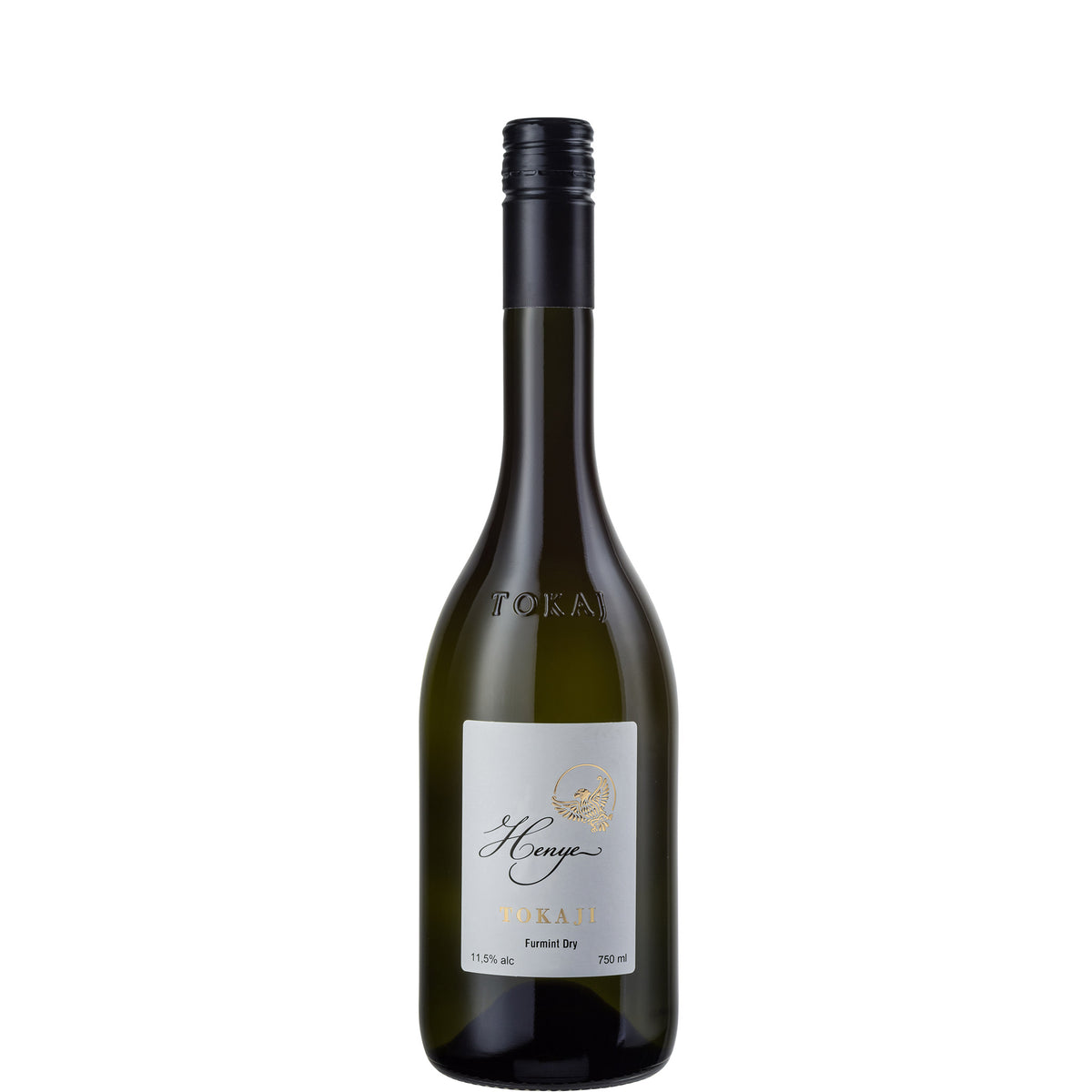
Château Dereszla, Henye Tokaji Furmint Dry, 2023
Château Dereszla, Henye Tokaji Furmint Dry, 2023
- 75cl
- 11.5%
- White Still
- Furmint
Couldn't load pickup availability

Optimal drinking window: 2026 - 2030
Tokaji is synonymous with luscious, golden sweetness — so a bone-dry Furmint from here still feels like a pleasant provocation. Château Dereszla's Henye bottling comes from a single-vineyard site in the heart of the region, and it makes a compelling case for what Furmint can do without a drop of botrytis in sight. The grape's naturally ferocious acidity is the thing here: it cuts clean through the wine like a blade, carrying lemon zest, white peach, and something stony and saline that speaks directly to the volcanic soils beneath.
The 2023 vintage has a brightness and tension that rewards a cold glass and a plate of something sharp and fresh alongside it. We'd open bottles now without hesitation — the fruit is vivid and the acidity a genuine pleasure.
The 2023 Henye is in its prime right now, with fruit that is vivid, acidity that is bracingly fresh, and nothing holding it back from immediate pleasure. Over the next two to three years the citrus notes will soften slightly and a little more of that waxy, honeyed Furmint character will emerge on the nose without any loss of structure. By 2028 or so it will likely have reached its ceiling, with the mineral complexity at its most expressive. Beyond 2030 the acidity may begin to feel less like energy and more like austerity — drink it while it still sparkles.
Tasting Notes
AppearancePale gold with a greenish rim, bright and clear in the glass.
NoseFresh and immediate — lemon curd, white peach, and a struck-flint quality that lifts everything. There's a faint waxy note underneath, classic Furmint, and a whisper of dried apricot that stops well short of sweetness.
PalateThe acidity arrives first and sets the tone for everything that follows — sharp, precise, and genuinely invigorating. Citrus and green apple sit at the core, with a saline, almost oyster-shell quality on the mid-palate that is the volcanic soil making itself heard. The body is medium, the texture lean and focused.
FinishClean and mineral, with the acidity carrying a lemon-zest echo well past the swallow.
Overall impressionDry Tokaji Furmint at its most direct and food-hungry — precise, saline, and alive.
Food Pairings
In Tokaji, a wine like this would most naturally appear alongside the region's freshwater fish — fogas, the prized pike-perch from Lake Balaton, pan-fried with brown butter and lemon, is a pairing of near-perfect logic. Locals would also reach for it with lángos topped with sour cream, or alongside a plate of thinly sliced mangalica pork with pickled vegetables, where the acidity does the work of cutting through the fat. A sharp, crumbly sheep's cheese from the Hungarian plains — körözött, the paprika-spiked cottage cheese spread — is another natural companion. The wine's saline edge makes it particularly good with anything cured, smoked, or brined.
We think this wine would go well with
Serve well chilled at around 8-10°C — this is not a wine that needs warming up; its tension and freshness are the point. No decanting required; pour straight from a cold bottle. A tulip-shaped white wine glass works well, something with enough taper at the top to concentrate the citrus and mineral aromas without letting them dissipate too quickly.
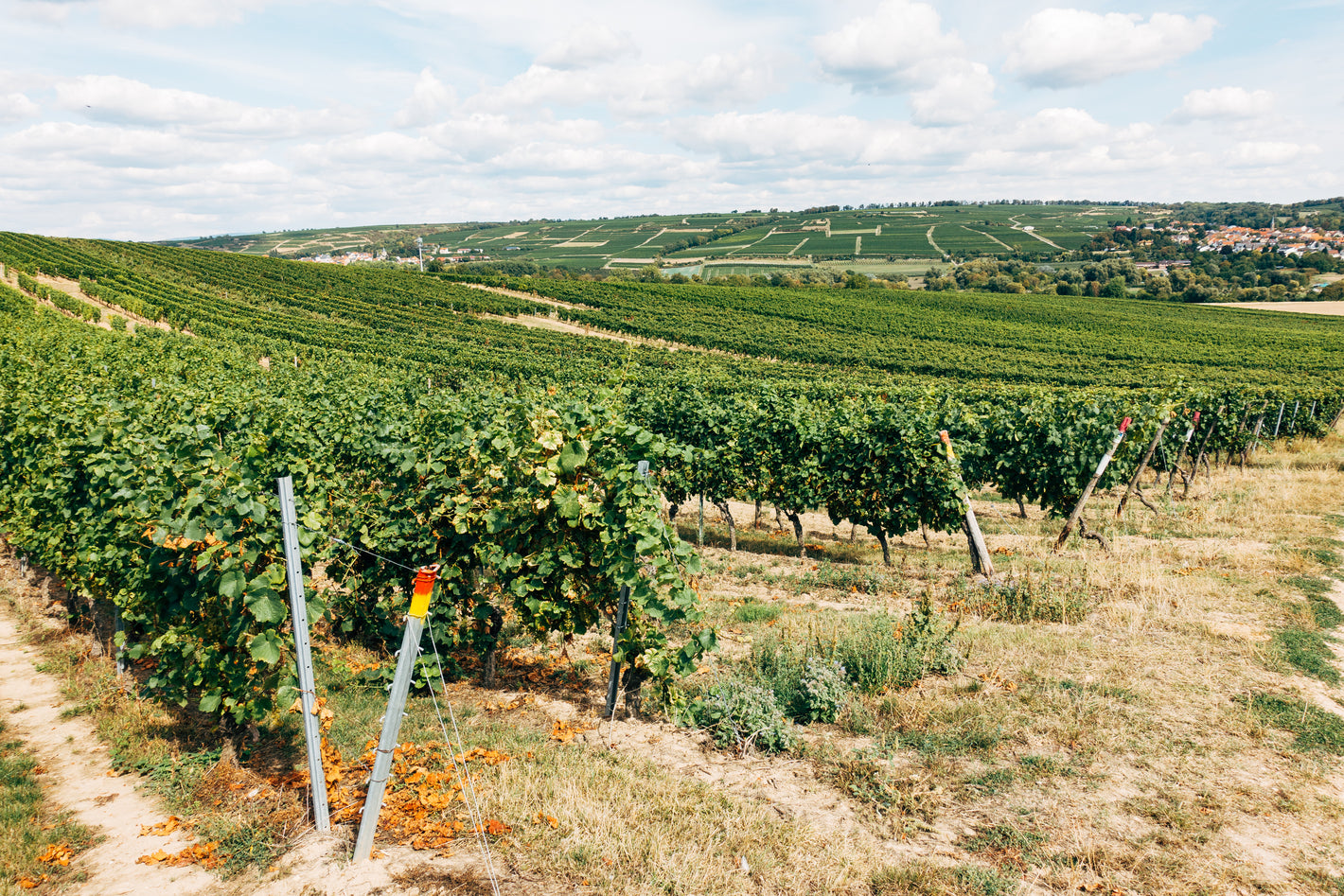
The Henye vineyard sits on the volcanic soils that define Tokaji's finest sites — a mix of rhyolite and loess that drains freely and retains heat through the growing season. This combination gives Furmint its characteristic tension: ripe stone fruit on one hand, a nervy, mineral edge on the other. The continental climate brings warm summers and cool nights, which preserve the variety's naturally high acidity, and the proximity to the Bodrog and Tisza rivers adds the humidity that, in other vintages, encourages botrytis — though here the grapes were harvested dry and clean.
Tokaji is one of the world's oldest classified wine regions, demarcated in 1737 — a full century before Bordeaux. It sits in northeastern Hungary at the confluence of the Bodrog and Tisza rivers, and its reputation was built entirely on Aszú, the luscious botrytised wine made from individually picked, shrivelled grapes. Dry Furmint from the region is a more recent chapter in the story, though the grape — high acid, naturally powerful, and deeply expressive of its volcanic soils — has always been well suited to it. The appellation permits both styles, and the best dry examples sit confidently alongside serious white Burgundy in terms of structure and age-worthiness.
The 2023 growing season in Tokaji was shaped by a warm, dry summer that kept disease pressure low across the Hegyalja — good news for growers who have learned, often painfully, that humidity and Botrytis cinerea have a complicated relationship in these hills. That same dryness, however, meant that noble rot arrived unevenly and in smaller quantities than in a classic aszú year, so the harvest leaned heavily towards dry Furmint and late-harvest styles rather than the richly botrytised wines that put Tokaji on the map. It is a vintage defined by what was abundant rather than what was rare.
The dry wines are where 2023 really delivers. Furmint in particular produced grapes with bright acidity and real structural tension — the kind that makes you sit up rather than sink back — and the best examples are already showing well with some air. We would not rush to open the serious aszú bottlings if you can find them; they are more compact than generous right now and have time on their side. Think drinking windows starting around 2026 for the dry wines at their peak, and considerably further out for anything botrytised.
FAQs
What does this wine taste like?
Dry, precise, and mineral — lemon zest, white peach, and a saline, stony quality that comes straight from the volcanic soils. The acidity is the wine's defining feature: sharp, clean, and invigorating rather than aggressive.
Is this wine sweet like traditional Tokaji?
Not at all. This is a fully dry white wine made from Furmint, the same grape used in Tokaji Aszú, but harvested before any botrytis develops. It sits closer to a tightly wound white Burgundy in style than to the luscious golden wines Tokaji is famous for.
When should I drink this wine?
Now, without hesitation. The 2023 vintage is bright, fresh, and at its most vivid. It will hold well until 2030, but there is no benefit in waiting — this is a wine built for near-term pleasure, not long-term patience.
What food should I serve it with?
It is made for the table. Seafood is the obvious starting point — grilled fish, oysters, or anything with a squeeze of lemon. It also works brilliantly with sharp cheeses, cured meats, or a simple salad with a good vinaigrette. The acidity cuts through fat and salt with real conviction.
How should I serve it?
Straight from a cold bottle, well chilled at around 8-10°C. No decanting needed. Use a tulip-shaped white wine glass to keep the aromas focused.

OUR GROWERS
Château Dereszla


What are you looking for tonight? Tell me the occasion, a grape, a region — or just try a suggestion below.
Your recommendations will appear here.
-
-
Speak to one of our Wine Gurus
Speak to a Wine GuruWith years of experience, our team can help you with all your wine buying and selling needs