
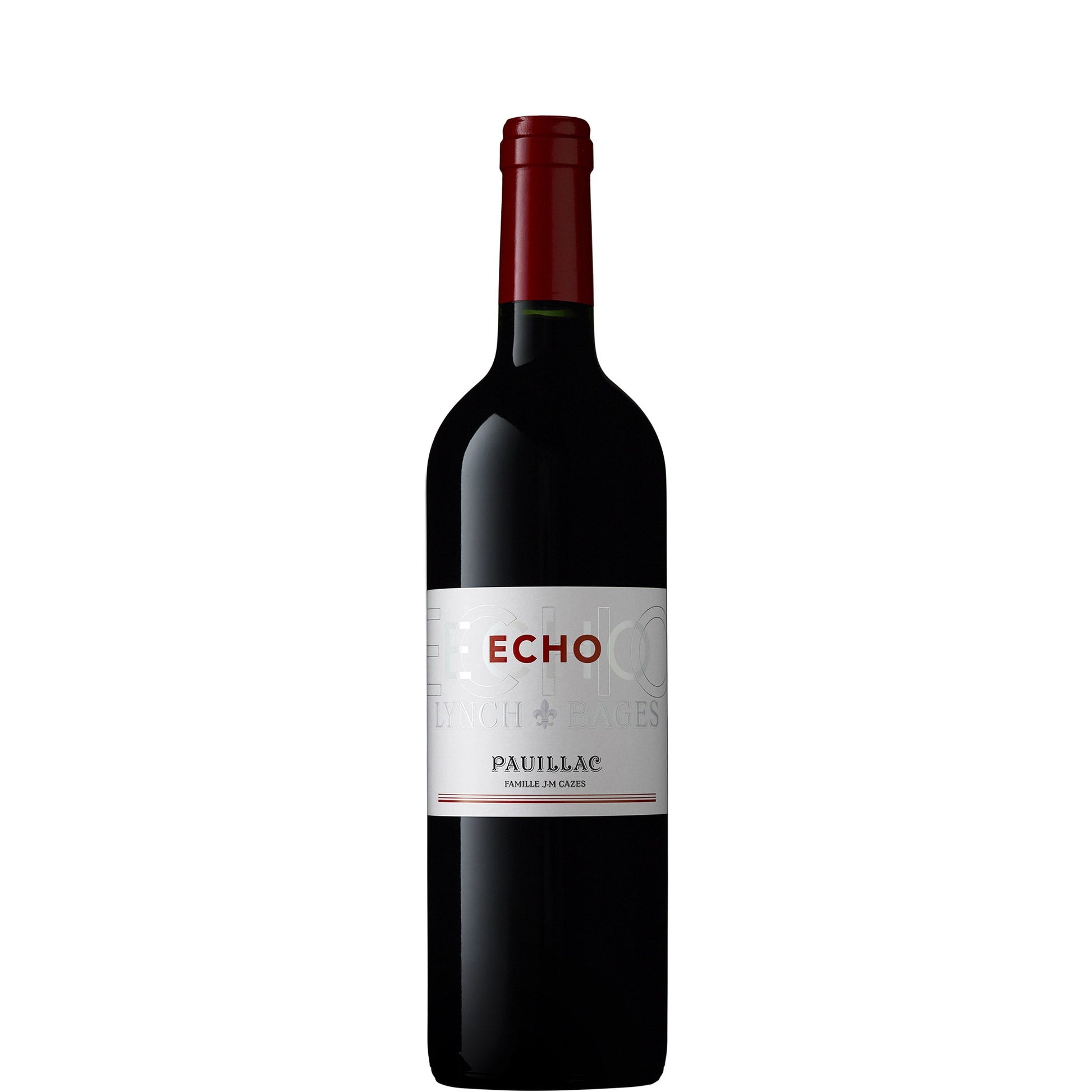
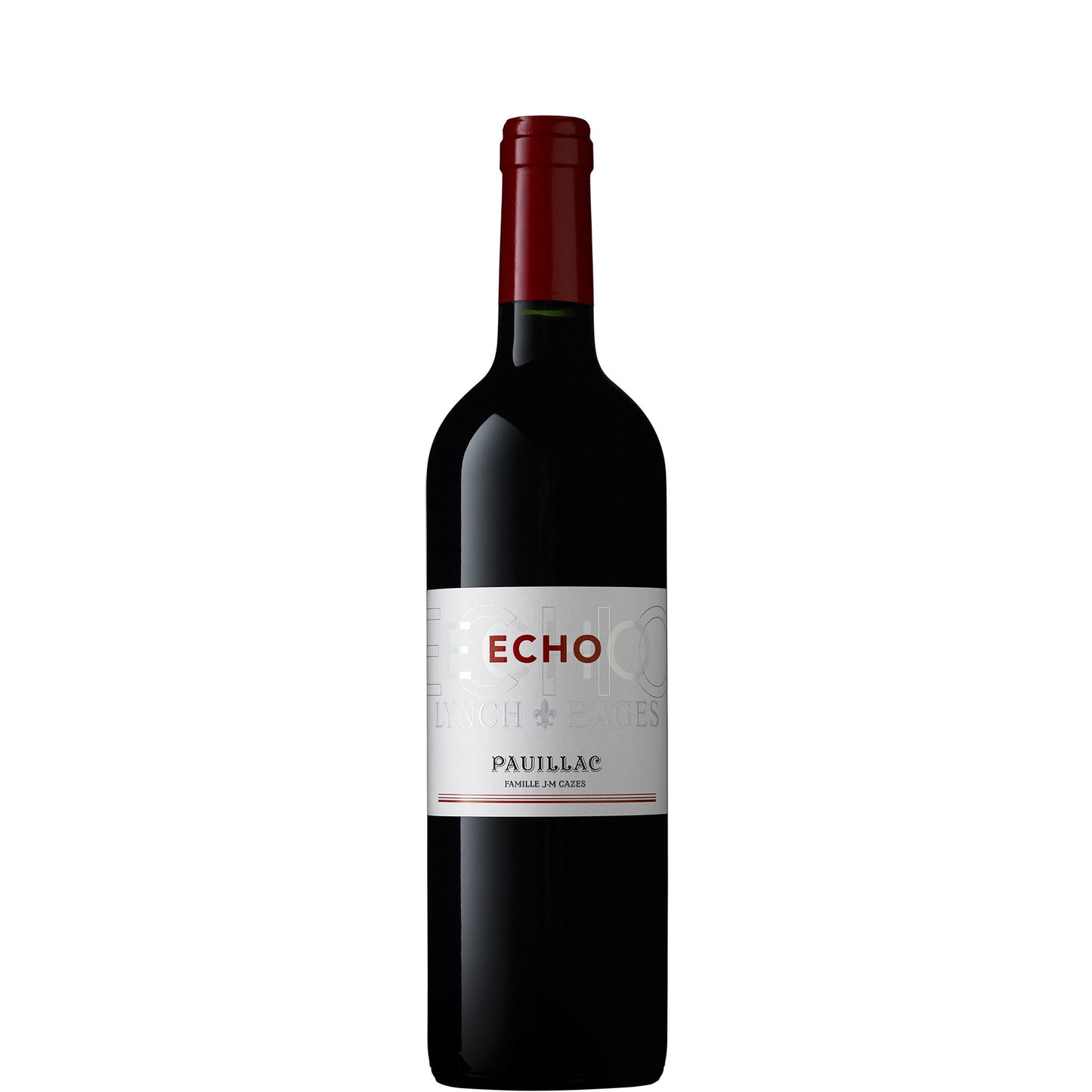
Château Lynch-Bages, Echo De Lynch-Bages, 2020
Château Lynch-Bages, Echo De Lynch-Bages, 2020
- 75cl
- 13%
- Red Still
- Cabernet Sauvignon, Merlot
Couldn't load pickup availability

Optimal drinking window: Now - 2040
Like its big brother, Echo de Lynch-Bages displays the characteristic taste, aromas and length of Pauillac wines. As an echo of the first wine, it receives the same care and attention from the vine to the cellars, the result of a selection of Lynch-Bages' youngest vines and specific plots which represent between 25 to 40 % of the harvest depending on the vintage.
The 2020 Echo de Lynch-Bages is round, soft and seductive in its youth with a great potential for bottle age.
Currently showing primary blackcurrant fruit with those telltale Pauillac minerals already asserting themselves. Over the next 3-5 years, the tannins will integrate and secondary notes of cedar, tobacco, and leather will emerge alongside the fruit. The wine should hit its stride around 2030-2035, when power and elegance find perfect balance. With proper cellaring, it will hold this plateau until at least 2040, gradually developing tertiary complexity of forest floor and dried herbs before beginning its gentle decline.
What the critics say:
"Intense graphite and violet character with lead pencil. It’s full and firm with chewy and balanced tannins. Iodine coming through. So intense. Super second wine. Like the grand vin of Lynch from the 1980s. 60% cabernet sauvignon and 40% merlot."
"Bramble fruit, toasty aromas and soft florality. Structured and serious from the get go with super fine tannins that fill the mouth and coat the tongue and cheeks, but with a cool, graphite grip to them. Supple but not plush at all, definitely more lean but not strict as this has a soft chew giving a lovely appealing, welcome weight in the mouth. Juicy and vibrant, this has energy and life but remaining refined and elegant, nothing has been overworked here. A really impressive second wine with terroir speaking. Succulent and easy but also confident and well built."
Tasting Notes
AppearanceDeep ruby with a purple core, suggesting youth and concentration.
NoseClassic Pauillac aromatics of blackcurrant and cedar box, lifted by violet florals and a distinctive graphite minerality. There's something almost sculptural about the precision here, each element clearly defined yet harmonious.
PalateMedium to full-bodied with succulent yet firm tannins that coat the mouth. The fruit shows depth rather than exuberance, with dark plum and cassis supported by that signature lead pencil character. A saline quality emerges mid-palate, adding complexity and lift.
FinishLong and mineral-driven, with graphite and dark fruit lingering well beyond the swallow.
Overall impressionThis captures Lynch-Bages' approachable style whilst maintaining serious structure for the cellar.
Food Pairings
In Bordeaux, wines like this are the natural partner to côte de boeuf, slow-roasted with shallots and thyme until the meat falls from the bone. The local agneau de Pauillac, raised on salt marshes near the estuary, matches the wine's mineral edge perfectly. Duck confit with garlic and parsley, or the region's famous entrecôte à la Bordelaise with its rich shallot and red wine reduction, create the kind of harmony that makes you understand why these traditions endured. Even a simple plateau de fromages featuring aged Comté or Roquefort finds beautiful resonance with the wine's structure.
We think this wine would go well with
Serve at 17-18°C to show the wine's full character without masking its mineral precision. Decant for at least an hour to soften those youthful tannins, though two hours won't hurt if you have the patience. Use proper Bordeaux glasses with generous bowls to concentrate the aromatics. This style rewards a bit of ceremony, so don't rush the ritual.
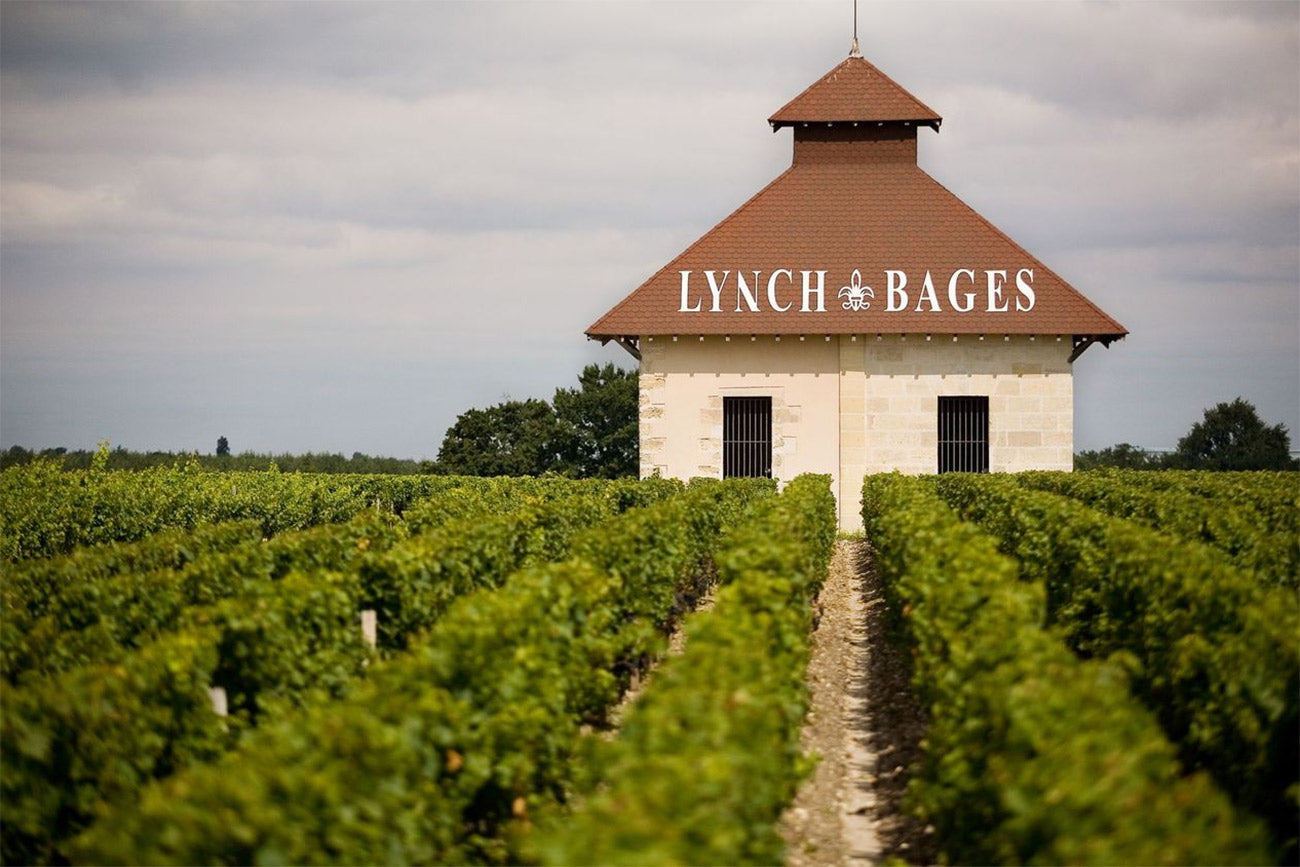
Lynch-Bages sits on deep Günzian gravel beds over limestone subsoil in the heart of Pauillac, giving the wines their characteristic power and mineral backbone. The estate's 100 hectares benefit from proximity to the Gironde estuary, which moderates temperature swings and extends the growing season. These well-draining soils force the vines to dig deep, concentrating flavours and creating wines with both immediate appeal and serious ageing potential.
Pauillac stands as the most powerful commune in the Médoc, home to three first growths and a style that defines left bank Bordeaux. The appellation's wines must be predominantly Cabernet Sauvignon, supported by Merlot and the other permitted Bordeaux varieties. Where Margaux offers elegance and Saint-Estèphe delivers structure, Pauillac strikes a balance between power and refinement that has made it the archetype of age-worthy claret.
The 2020 Bordeaux vintage began with one of the wettest winters on record, followed by a scorching summer that nearly broke temperature records across the region. What could have been a disaster became salvation: those deep winter water reserves carried the vines through the heat, while the dry conditions from July onwards concentrated flavours beautifully. The harvest started early and moved quickly, with most châteaux picking under ideal September skies.
We find 2020 Bordeaux surprisingly charming for such a hot year - the wines show ripe, generous fruit without the baked character you might expect. The Merlot-based Right Bank wines are particularly successful, displaying plush damson and blackberry flavours with enough freshness to keep them lively. Cabernet Sauvignon on the Left Bank delivers power and concentration, though some properties struggled more than others with the heat. Most 2020s are drinking beautifully now - this isn't a vintage that demands decades of patience, and we rather like that about it.
FAQs
What does this wine taste like?
Classic Pauillac character with blackcurrant, cedar, and distinctive graphite minerality, supported by firm but approachable tannins.
When should I drink this wine?
Approachable now for those who enjoy structure, but will reward patience with greater complexity emerging from 2030 onwards.
What food pairs well with this wine?
Perfect with roasted red meats, duck confit, or aged hard cheeses. The mineral backbone makes it particularly good with lamb.
Should I decant this wine?
Yes, decant for at least an hour to soften the youthful tannins and allow the aromatics to open fully.
How long will this wine keep?
With proper storage, this will develop beautifully until 2040 and possibly beyond, reaching its peak around 2030-2035.
Is this a good introduction to Lynch-Bages?
Absolutely. Echo captures the essence of the grand vin at a more approachable price, showing the same care and Pauillac character.
Explore related wines


What are you looking for tonight? Tell me the occasion, a grape, a region — or just try a suggestion below.
Your recommendations will appear here.
-
-
Speak to one of our Wine Gurus
Speak to a Wine GuruWith years of experience, our team can help you with all your wine buying and selling needs