

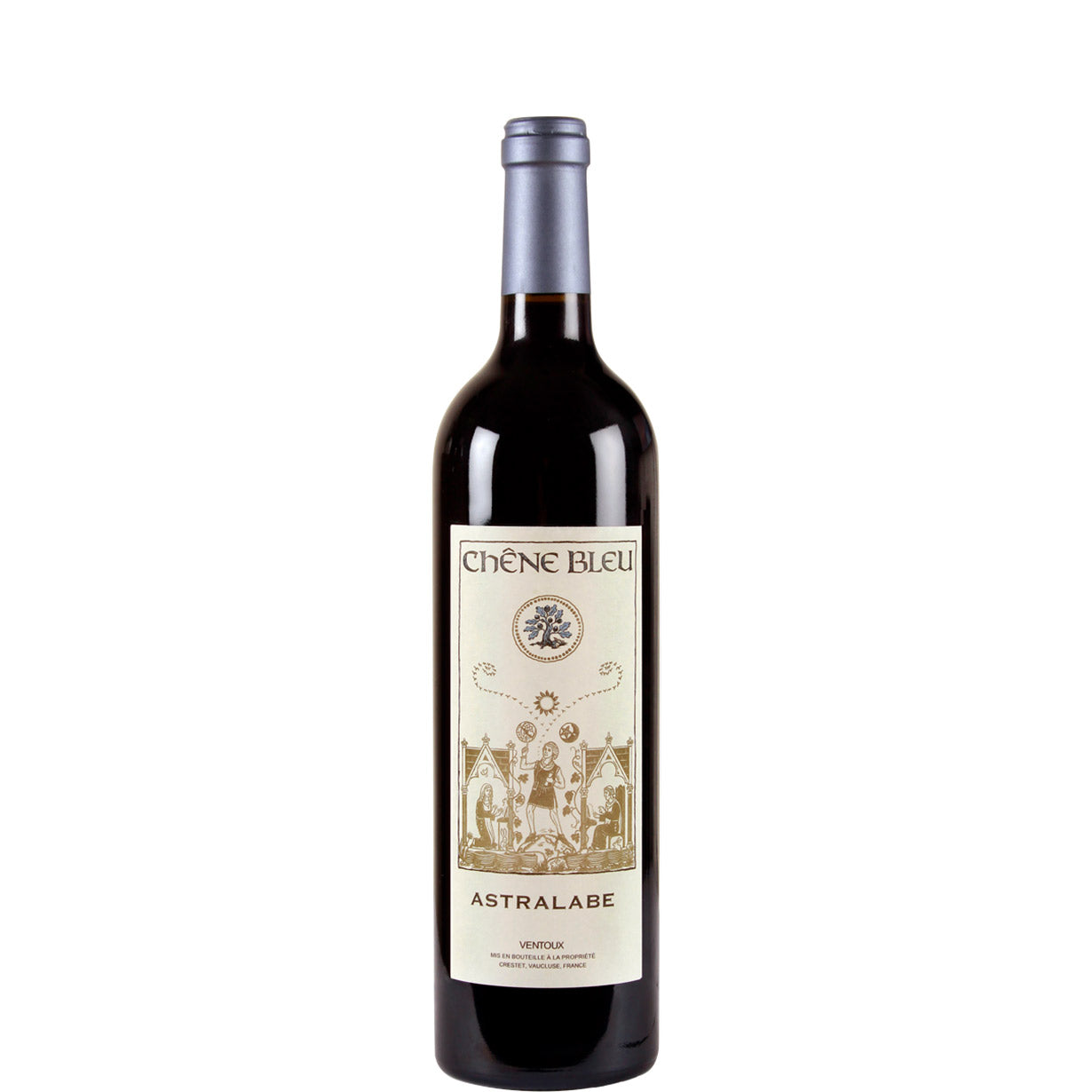
Chêne Bleu, Ventoux 'Astralabe', 2020
Chêne Bleu, Ventoux 'Astralabe', 2020
- 75cl
- 14.5%
- Red Still
- Grenache, Syrah
- Organic
- Biodynamic
Couldn't load pickup availability

Optimal drinking window: 2026 - 2035
Chêne Bleu sits on a dramatic limestone plateau in the northern Ventoux, high enough to feel more Rhône than Provence, and the Astralabe is their calling card for Southern French red. A Syrah-led blend with Grenache and Mourvèdre, it has all the sun-drenched generosity you'd expect at this latitude, but the altitude keeps things honest: there's freshness here that cheaper Ventoux rarely manages, and a stony mineral thread that runs through the whole wine like a spine.
The 2020 vintage was warm and precocious across the south, and you can feel it in the weight and ripeness of the fruit, but Astralabe wears it well. Dark plum, dried herbs, smoked meat, and a finish that lingers longer than the price suggests it should.
The 2020 is approachable now, with its generous fruit forward and the tannins already well-integrated thanks to the warm vintage. Over the next two to three years the primary plum and blackberry will begin to settle, making room for more savoury, leathery secondary characters.
Tasting Notes
AppearanceDeep ruby-purple with a dense, youthful core and a clean, bright rim.
NoseDark plum and blackberry lead, backed by dried garrigue, wild thyme, and a waft of smoked meat that is pure Syrah. There's a subtle floral lift, violet or dried lavender, that the altitude seems to preserve even in a warm year.
PalateFull-bodied but not heavy, with the Syrah providing structure and the Grenache adding warmth and flesh. The tannins are ripe and well-integrated, and there's a limestone-driven mineral note through the mid-palate that keeps everything honest.
FinishLong, stony, and gently spiced, with the garrigue and dark fruit lingering well past the swallow.
Overall impressionA genuinely serious Ventoux red that earns its ambitions without losing sight of why this part of France is so pleasurable to drink.
Food Pairings
In the Ventoux and the broader Provence-Rhône borderlands, this kind of wine finds its natural home with lamb: a slow-roasted gigot with herbes de Provence, or a daube cooked with olives and orange peel. Grilled wild boar sausages with a smear of tapenade would be very much in the spirit. Locally they'd also reach for this alongside a platter of aged Banon cheese wrapped in chestnut leaves. It's food wine first and foremost, built for the table rather than the tasting room.
We think this wine would go well with
Serve at around 17°C, no warmer: this wine can get heavy and lose its freshness if over-warmed. Decanting for 30 to 45 minutes will open it up nicely, softening the tannins and letting the aromatic complexity come forward. A large-bowled Rhône or Burgundy-style glass gives the Syrah's aromatics room to breathe. If you're serving it straight from the cellar, give it a few minutes in the glass before diving in.
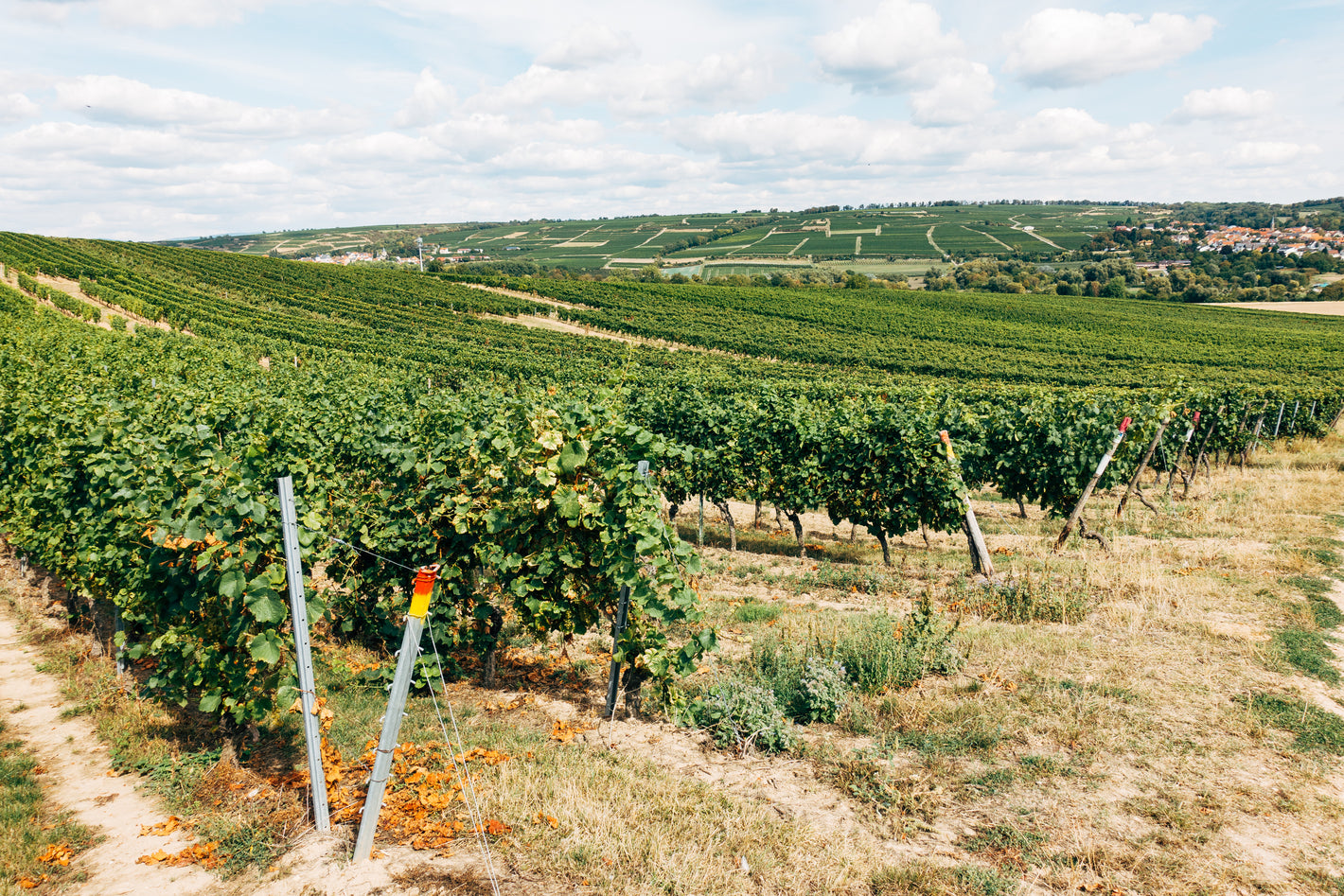
The Chêne Bleu vineyards sit at between 400 and 600 metres altitude on the northern face of Mont Ventoux, on soils of limestone, clay, and red sandstone. The elevation is the key: it brings cooler nights that preserve acidity and aromatics even in warm vintages, moderating what would otherwise be a very hot, dry growing season. The Mistral wind plays its part too, keeping the vines healthy and reducing the need for intervention. The result is wines with more tension and definition than the Ventoux name alone might lead you to expect.
Ventoux is a large Southern Rhône appellation stretching across the slopes of Mont Ventoux, elevated in 2010 from VDQS to full AOC status. It permits reds from Grenache, Syrah, Mourvèdre, and Cinsault, with no single variety required to dominate. Compared to its more famous neighbours in Châteauneuf-du-Pape and Gigondas, Ventoux is generally lighter and earlier-drinking, though producers at altitude like Chêne Bleu are quietly rewriting that reputation. It remains one of the south's better-value hunting grounds, even as ambition and land prices creep upwards.
The 2020 growing season across Southern France was defined above all by heat and drought. A warm, dry spring accelerated vine development, and a summer that delivered several intense heat episodes pushed the vines hard, compressing the growing season and bringing harvest dates forward. Yields were down across Languedoc, Roussillon, and the Southern Rhône, with some growers losing a meaningful share of their crop to the combination of water stress and shrivelling. Those who managed canopy well and held their nerve on picking dates came out considerably better than those who didn't.
What landed in the cellar was ripe, concentrated, and structured — the best 2020s have real substance without tipping into overworked territory. Grenache, which thrives in punishing conditions, performed particularly well across the Southern Rhône and Roussillon, producing wines with depth and grip that reward patience. The Languedoc, with its diversity of altitude and terroir, threw up some rewarding surprises from producers farming at height. These aren't wines to rush; the better bottles are only now starting to open up properly, and most serious reds will carry confidently until 2028 to 2035.
FAQs
What does the Astralabe taste like?
Dark plum, smoked meat, dried garrigue, and a stony mineral finish. It's full-bodied but freshened by the estate's high-altitude vineyards, so it carries its weight without feeling heavy or over-ripe.
When is the best time to drink the 2020 Astralabe?
It's already drinking well. The sweet spot is probably 2027 to 2032, when the primary fruit has settled and the secondary complexity has had time to emerge. No need to rush, but no need to wait a decade either.
What food goes well with this wine?
Slow-roasted lamb is the classic match, especially with herbes de Provence. It's also excellent with grilled pork, wild boar, aged sheep's cheese, or anything cooked over a wood fire. Think rustic, generous food from the south of France.
How should I serve it?
Around 17°C and decanted for 30 to 45 minutes. A large-bowled glass helps the Syrah aromatics open up. Avoid serving it too warm or you'll lose the freshness that makes this wine interesting.
Is Chêne Bleu Astralabe worth cellaring?
Yes, for five to seven years from the vintage, but it's not a wine that demands patience. The 2020 is already generous and expressive. If you can resist for a few more years, you'll be rewarded with more complexity, but you won't feel you've wasted a bottle by opening one tonight.
What makes Chêne Bleu different from other Ventoux producers?
Altitude, ambition, and investment. Most Ventoux is made from lower-lying, hotter vineyards and is built for early drinking. Chêne Bleu farms at between 400 and 600 metres on the cooler northern face of Mont Ventoux, farming organically and biodynamically, which gives their wines a tension and definition that puts them in a different conversation entirely.

Explore related wines


What are you looking for tonight? Tell me the occasion, a grape, a region — or just try a suggestion below.
Your recommendations will appear here.
-
-
Speak to one of our Wine Gurus
Speak to a Wine GuruWith years of experience, our team can help you with all your wine buying and selling needs