

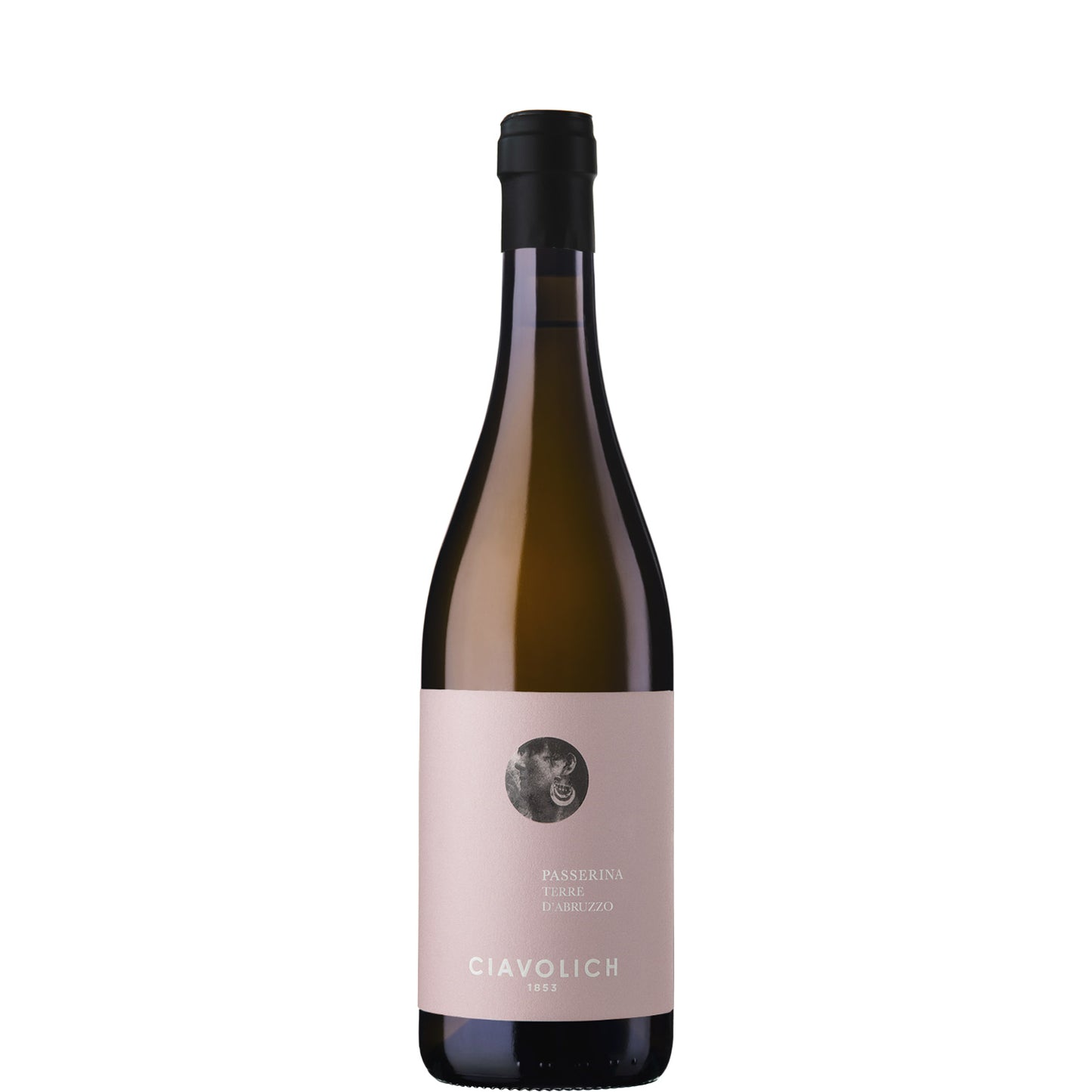
Ciavolich, Passerina, Colline Pescaresi, 2023
Ciavolich, Passerina, Colline Pescaresi, 2023
- 75cl
- 12.5%
- White Still
- Passerina
Couldn't load pickup availability

Optimal drinking window: 2026 - 2028
Est. delivery in late summer, 2026
Passerina is one of those grapes that gets talked about less than it deserves. Native to central-eastern Italy and long overshadowed by Trebbiano and Pecorino, it makes wines of real personality when handled well — and Ciavolich, one of Abruzzo's most serious and respected estates, handles it very well indeed. This 2023, from the Colline Pescaresi IGT, is fragrant and focused: white flowers, green apple skin, a whiff of fennel frond, and a saline, almost chalky edge that gives it lift without sharpness.
This is exactly the kind of wine you open on a warm evening without overthinking it — and then find yourself reaching for a second glass before dinner's even on the table. Drink it now and over the next year or two while that freshness is still singing.
This is a wine built for freshness, not the cellar. Right now, in 2026, it is at its liveliest — the fruit is vivid, the acidity is bright, and the floral aromatics are still intact. By 2027 it will still be pleasurable but may lose a little of that snap. Much beyond 2028 and we'd expect the fruit to flatten and the wine to feel tired rather than evolved. Drink it young, drink it cold, and don't overthink it.
Tasting Notes
AppearancePale straw with a faint green glint, bright and clear in the glass.
NoseWhite blossom and green apple lead, with a subtle fennel and fresh almond note underneath. There's a gentle waxy quality — think beeswax rather than oak — that gives it a little more depth than you might expect.
PalateCrisp and medium-bodied, with good natural acidity keeping everything taut. The fruit is clean and precise — citrus pith, pear, a squeeze of white peach — and there's a saline, chalky mineral edge on the mid-palate that is the best thing about it.
FinishClean and refreshing, with a linger of salted almond and lemon zest.
Overall impressionPrecisely the kind of honest, characterful Italian white that makes you wonder why Passerina doesn't get more attention.
Food Pairings
Along the Abruzzo coast, a wine like this would be poured without ceremony alongside a plate of spaghetti alle vongole or grilled scampi with nothing more than lemon and good olive oil. Further inland, the locals would reach for it with chitarra pasta in a light fish broth, or a simple bruschetta piled with broad beans and pecorino fresco. Fritto misto di mare — the kind where the batter is barely there — is the classic match, the wine's salinity amplifying everything the sea brings to the plate.
We think this wine would go well with
Serve well-chilled at around 8-10°C, which is colder than most would instinctively pour a white but exactly right for Passerina's style. No need to decant — just open and pour. A standard tulip-shaped white wine glass works perfectly; you don't need anything more specific.
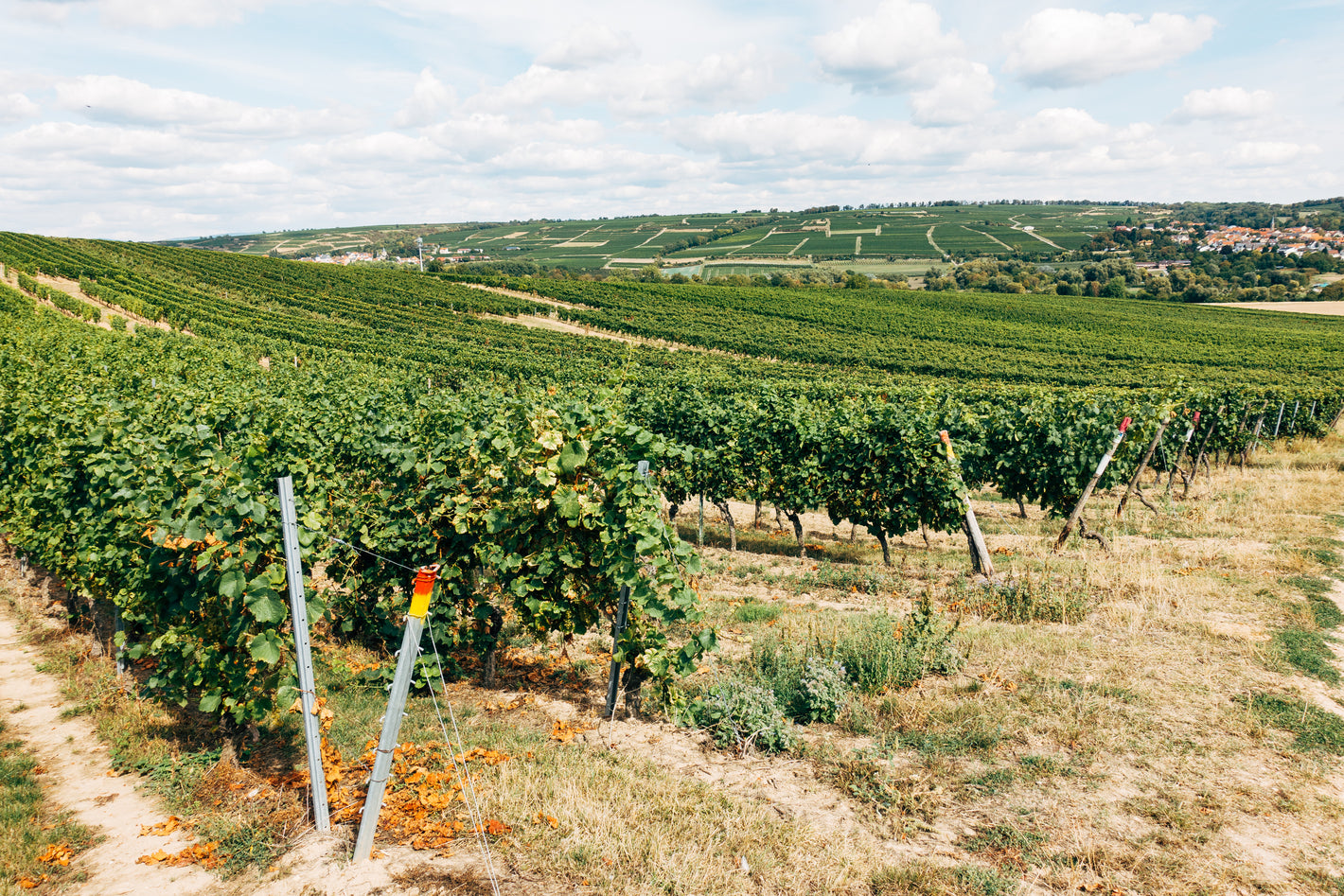
The Colline Pescaresi — the hills around Pescara — sit inland from the Adriatic at moderate altitude, where cooling breezes off the sea temper what can be a hot continental climate. Soils here are predominantly clay-limestone, giving wines a structural backbone and that characteristic saline mineral edge you find running through the best whites of the region. The altitude keeps night temperatures lower, preserving the natural acidity that makes Passerina so appealing in a warm vintage like 2023.
Colline Pescaresi is an IGT (Indicazione Geografica Tipica) designation covering the hills of the Pescara province in Abruzzo — a catch-all that allows producers more flexibility in grape variety and winemaking than the stricter DOC rules permit. It sits alongside more famous Abruzzo designations like Montepulciano d'Abruzzo DOC and Trebbiano d'Abruzzo DOC, but its looser framework has made it a useful home for growers working with varieties like Passerina and Pecorino that don't always have a natural DOC home. Think of it as the creative space where Abruzzo's most interesting whites tend to live.
Abruzzo in 2023 was shaped by a hot, dry summer that put growers under real pressure, particularly during the critical ripening window when temperatures climbed well above seasonal averages across much of central Italy. Those who managed their canopies carefully and held their nerve on harvest timing were rewarded; those who didn't found themselves with fruit that had pushed past freshness into something flabbier. Montepulciano d'Abruzzo, the region's workhorse, responded well where yields were kept in check — delivering the kind of deep, saturated colour and firm tannin structure the grape does best, with enough acidity preserved to give the wines real grip.
The overall picture is a vintage of concentration and weight rather than finesse, with the best wines showing real personality and staying power. Pecorino and Trebbiano d'Abruzzo whites are drinking well now and won't necessarily improve with keeping, but the better Montepulcianos want a year or two yet to settle — we'd be opening the mid-range bottles from 2025, and holding anything serious until 2027 or beyond.
FAQs
What does this wine taste like?
Clean and crisp with white blossom, green apple, and a saline mineral edge. There's a subtle waxy almond quality that gives it a little more character than your average easy-drinking Italian white.
What is Passerina?
Passerina is a native white grape variety from central-eastern Italy, found mainly in Abruzzo and the Marche. It tends to make fresh, aromatic wines with good natural acidity and a distinctive chalky, slightly nutty character. It has been somewhat overshadowed by Trebbiano and Pecorino but is well worth seeking out.
When should I drink this wine?
Now is ideal. This is a 2023 vintage built for freshness, and it is at its best until around 2027 or 2028. There's no advantage to cellaring it — the whole point is that lively, bright quality it has right now.
What food should I pair it with?
Think seafood, simply prepared. Grilled fish, spaghetti alle vongole, fritto misto, or anything with lemon and olive oil. It also works well as an aperitivo wine alongside light antipasti or bruschetta with broad beans and fresh cheese.
How should I serve it?
Serve well-chilled — around 8-10°C. No need to decant. A standard white wine glass is all you need.
Is this wine worth cellaring?
No. This is a drink-young style, and its freshness and floral aromatics are its greatest assets. Enjoy it over the next year or two while it's still at its most vibrant.

OUR GROWERS
Ciavolich


What are you looking for tonight? Tell me the occasion, a grape, a region — or just try a suggestion below.
Your recommendations will appear here.
-
-
Speak to one of our Wine Gurus
Speak to a Wine GuruWith years of experience, our team can help you with all your wine buying and selling needs