
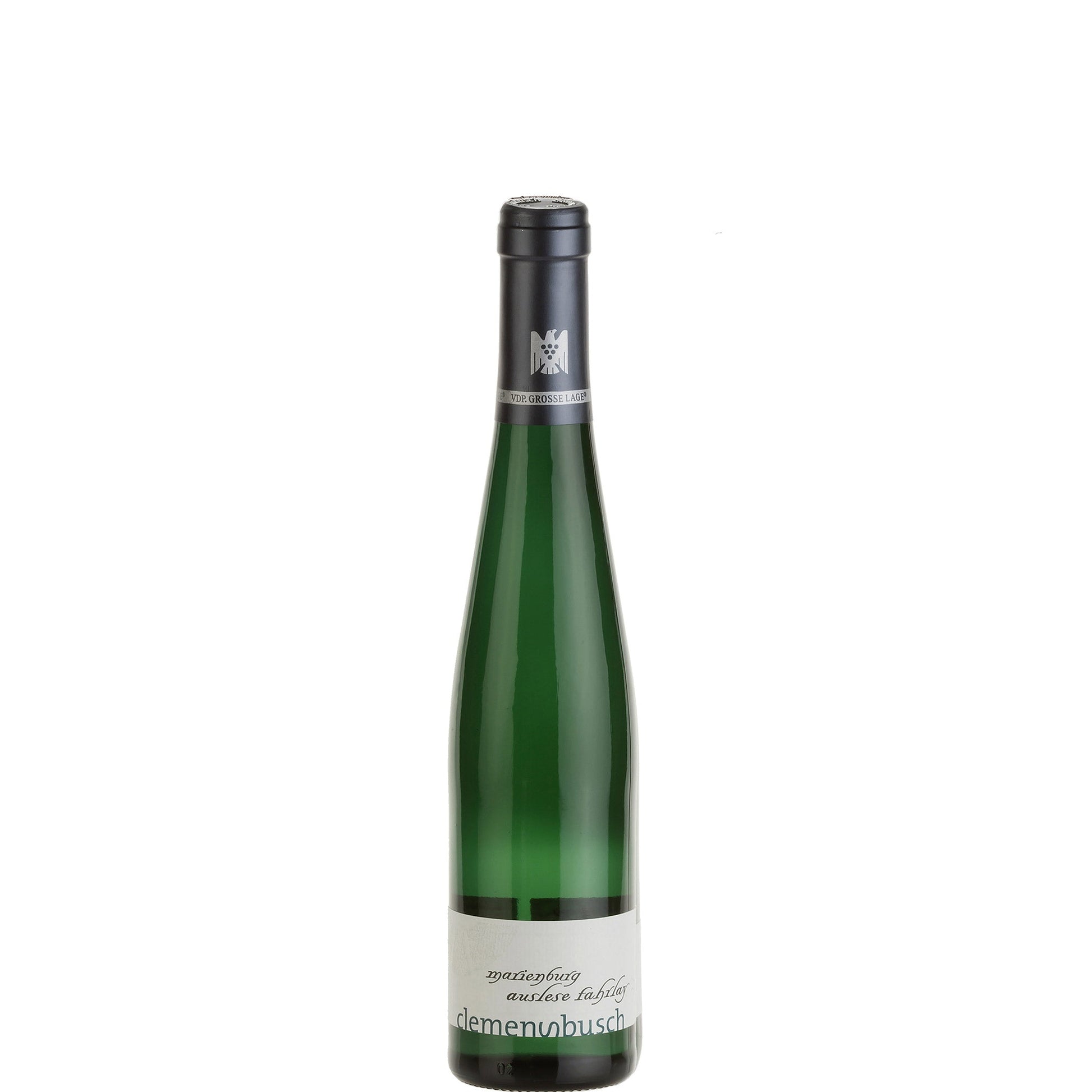
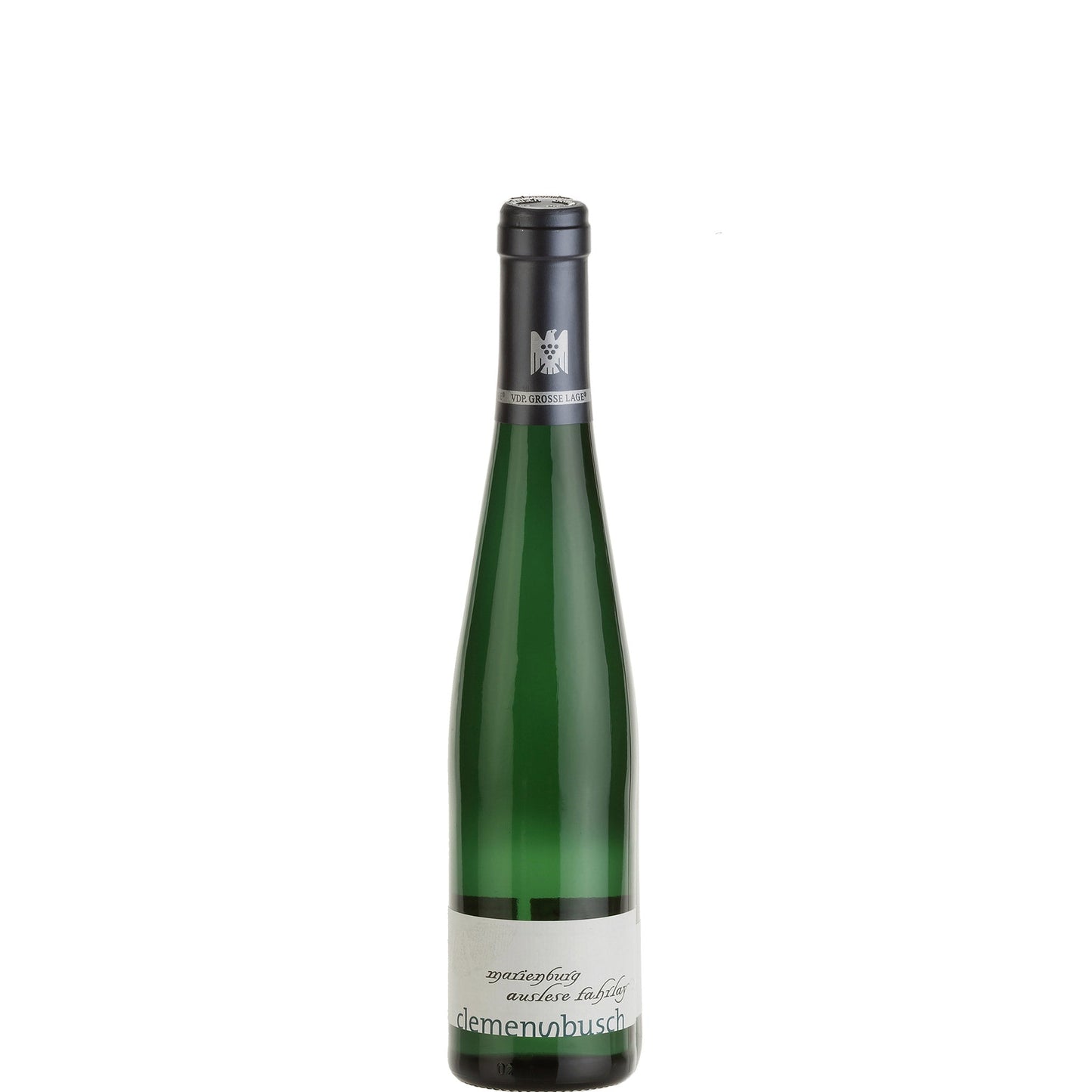
Clemens Busch, Marienburg Fahrlay Beerenauslese Riesling, 2018 - Half-bottle
Clemens Busch, Marienburg Fahrlay Beerenauslese Riesling, 2018 - Half-bottle
- 37.5cl
- 6.5%
- Dessert
- Riesling
- Organic
- Biodynamic
- Vegetarian
- Vegan
Couldn't load pickup availability

Optimal drinking window: Now - 2050
About Clemens Busch, Marienburg Fahrlay Beerenauslese Riesling, 2018 - Half-bottle
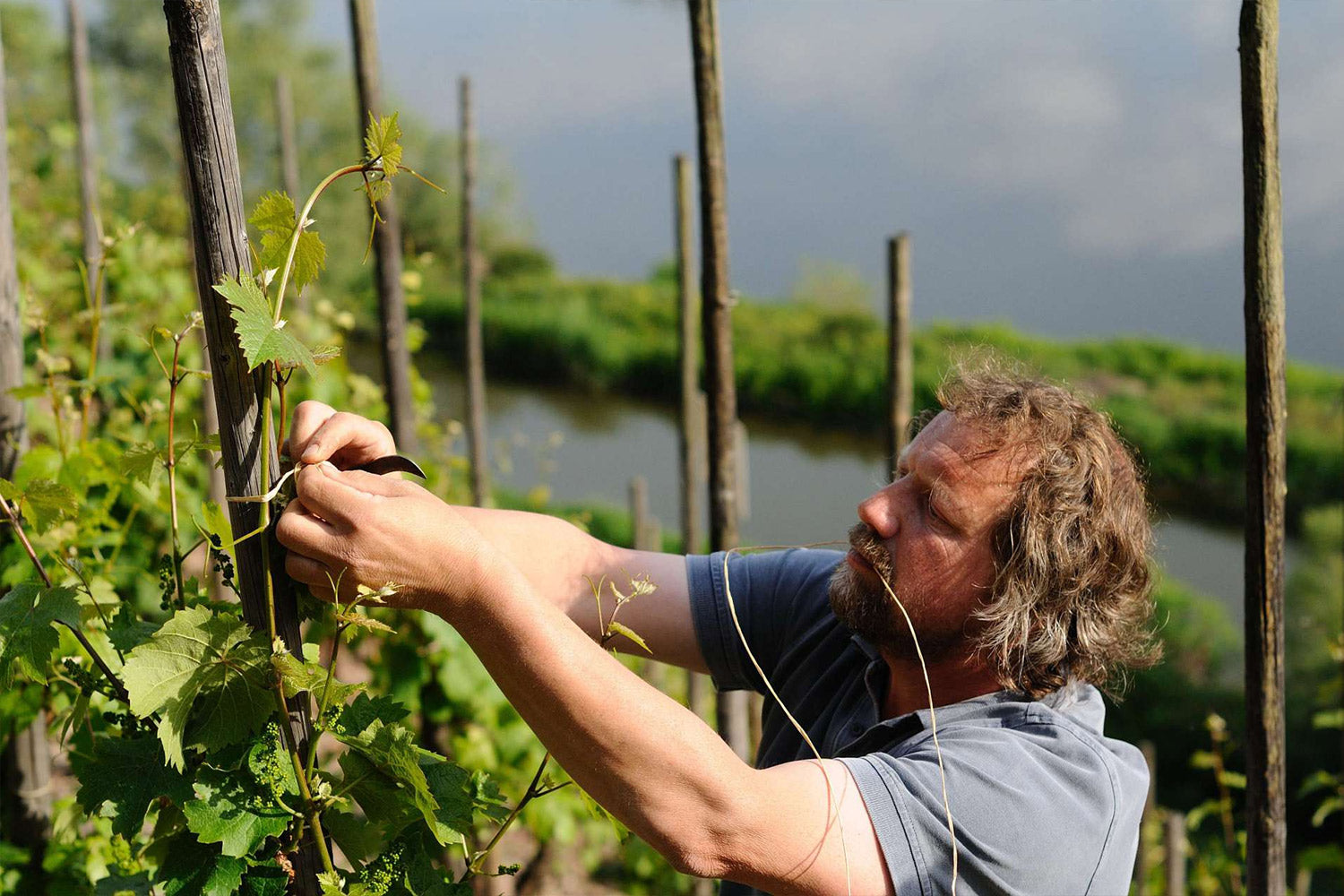
Clemens and his wife Rita are the charming and humble couple behind Clemens Busch, a winery that has gained a cult following over the past three decades for their laser-sharp, richly textured, terroir-defined wines.
Among the first German winemakers to embrace organic farming in 1984, their estate fully transitioned to biodynamic production in 2005. They are members of the prestigious VDP organisation of the top producers in Germany.
Currently showing beautifully with primary stone fruit character dominating, though the underlying structure suggests this is just the beginning. Over the next 5-10 years, the fruit will integrate further with the mineral backbone, developing honeyed complexity and deeper tertiary notes. The wine should reach a sublime plateau around 2035-2045, when the slate minerality will be perfectly balanced with evolved fruit character.
What the critics say:
"The 2018 Marienburg Beerenauslese Fahrlay offers a clear, refined and intense bouquet of perfectly ripe stone fruits intertwined with an elegant, very delicate slate aroma. Playful and filigreed on the palate, this is a beautifully refined and noble BA with a crystalline, sustainable structure and lingering, almost mouthwatering salinity. A fabulous and stimulating sweet wine from the Fahrlay plot."
Tasting Notes
AppearanceDeep golden amber with brilliant clarity, the concentration evident in its viscous legs.
NoseIntense stone fruits – apricot and white peach – interweave with honeyed richness and the signature slate minerality of Marienburg. There's remarkable refinement here, the sweetness never cloying, always lifted by an underlying tension. Delicate floral notes emerge with time in the glass.
PalateConcentrated yet graceful, with perfectly ripe stone fruits balanced by piercing Mosel acidity. The slate influence provides a crystalline structure that carries the sweetness beautifully, whilst a mouthwatering salinity adds complexity and length. The texture is rich but never heavy, showing the precision that defines Busch's style.
FinishLong and mineralic, the slate character lingering alongside stone fruit echoes and a cleansing saline note.
Overall impressionA sublime expression of Mosel Beerenauslese that balances concentration with elegance, built for decades of graceful evolution.
Food Pairings
In the Mosel, this would traditionally accompany rich pâtés and foie gras, the wine's acidity cutting through the richness whilst its minerality complements the earthy flavours. Local bakers pair such wines with their famous plum tarts and apricot strudels, where the stone fruit character creates perfect harmony. Blue cheeses like Roquefort or aged German blues find their match in the wine's sweetness and acidity. For a more contemporary approach, try it with duck confit or venison with fruit reductions.
We think this wine would go well with
Serve well-chilled at 8-10°C to highlight the wine's precision and minerality. No decanting required – this wine shows beautifully straight from the bottle, though it will evolve gracefully in the glass over several hours. Use smaller dessert wine glasses to concentrate the aromatics, and consider serving in small measures given its richness and half-bottle format.
The Marienburg vineyard rises dramatically above Pünderich on impossibly steep slopes of blue Devonian slate. The Fahrlay plot sits at the heart of this amphitheatre-shaped site, where the slate's heat retention and excellent drainage concentrate flavours whilst maintaining the piercing acidity that defines great Mosel wine. These ancient soils, formed 400 million years ago, impart the distinctive mineral backbone that makes Marienburg wines instantly recognisable.
Mosel represents Germany's finest Riesling terroir, where steep slate slopes along the river's meandering path create perfect conditions for this noble grape. The region's Einzellagen (single vineyard sites) like Marienburg are classified under the VDP system, with Grosse Lage designating the finest plots. Beerenauslese requires grapes affected by noble rot or extreme ripeness, representing one of Germany's traditional prädikat levels for naturally sweet wines.
The 2018 Mosel vintage was shaped by a relentlessly dry, hot summer that had growers nervously watching their vines through the longest drought in decades. The parched conditions concentrated flavours wonderfully but also meant careful canopy management became absolutely critical. Harvest came early and fast, with many estates picking their Kabinett fruit in September rather than the usual October marathon.
What emerged were Rieslings with surprising power wrapped in that unmistakable Mosel delicacy - think intense citrus and stone fruit flavours but with the mineral backbone intact. The best wines manage to be both ripe and racy, though some producers struggled with the balance and ended up with wines that feel a touch heavy for the region. We're drinking these with real pleasure now, as they've developed lovely honeyed textures whilst keeping their freshness, and they should continue rewarding cellaring until 2030.
FAQs
What does this Beerenauslese taste like?
Concentrated stone fruits with honeyed richness, balanced by piercing acidity and distinctive slate minerality that creates a crystalline, elegant sweetness rather than anything cloying.
When should I drink this wine?
Drinking beautifully now but will reward patience – this has the structure to evolve gracefully for 30+ years, reaching peak complexity around 2035-2045.
What food pairs well with this dessert wine?
Classic pairings include blue cheese, foie gras, and stone fruit desserts. Try it with plum tart, apricot strudel, or simply on its own as a meditation wine.
How should I serve this wine?
Serve well-chilled at 8-10°C in small dessert wine glasses. No decanting needed, and the half-bottle format is perfect for sharing between 4-6 people.
What makes Clemens Busch special?
One of Germany's most respected producers, pioneering biodynamic farming on the Mosel's steepest slopes since the 1980s. Their wines show remarkable precision and mineral clarity.
Is this wine worth cellaring?
Absolutely – great German dessert wines like this can age gracefully for decades, developing deeper complexity whilst maintaining their essential freshness and mineral character.


What are you looking for tonight? Tell me the occasion, a grape, a region — or just try a suggestion below.
Your recommendations will appear here.
-
-
Speak to one of our Wine Gurus
Speak to a Wine GuruWith years of experience, our team can help you with all your wine buying and selling needs