

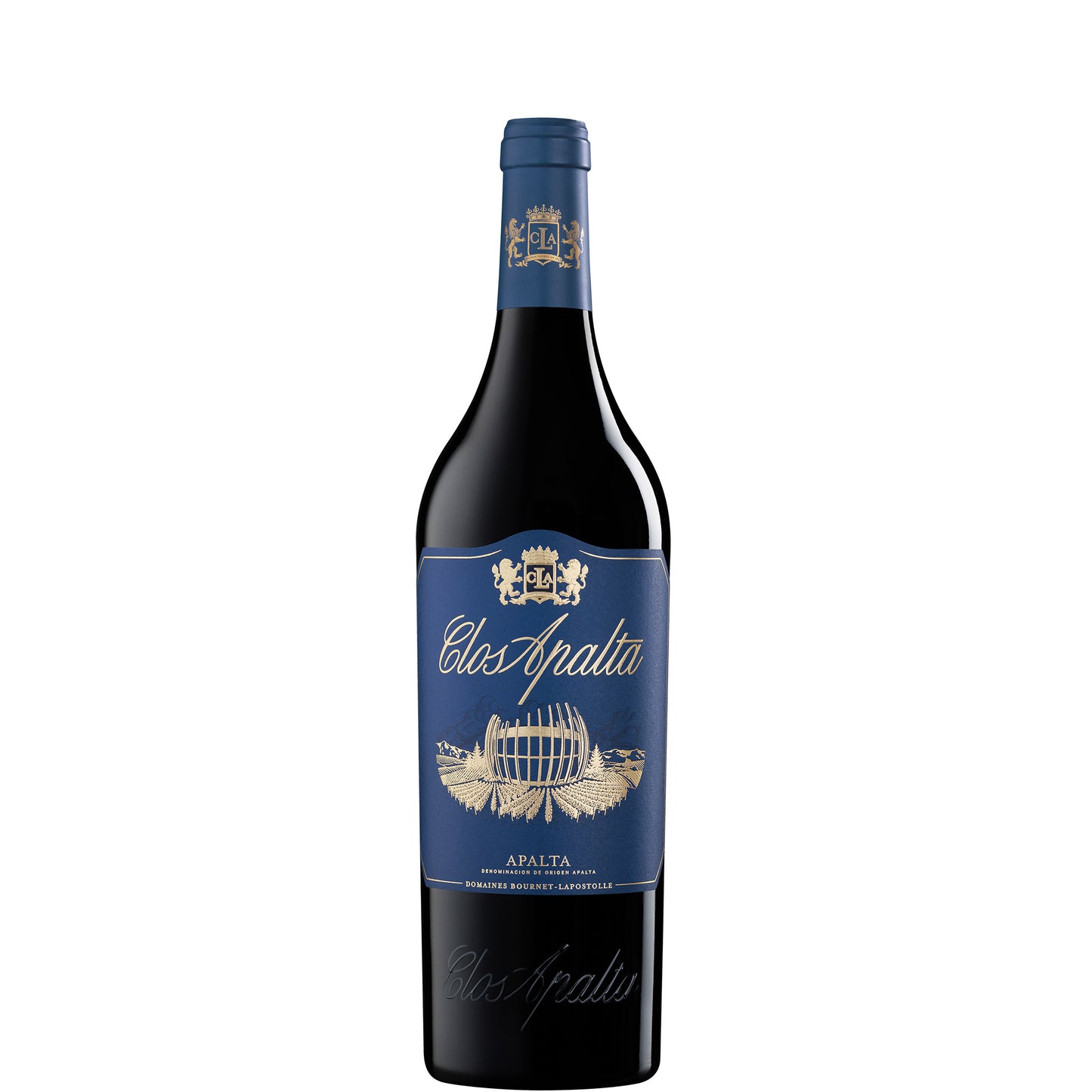
Clos Apalta, 2023
Clos Apalta, 2023
- 75cl
- 14.5%
- Red Still
- Carmenère, Cabernet Sauvignon, Merlot
- Organic
- Biodynamic
Couldn't load pickup availability

Optimal drinking window: 2027 - 2048
Est. delivery in 2027
Clos Apalta is about as close as Chile gets to a cult wine with genuine global standing. Made from old-vine Carmenère-led blends grown on the steep, sun-drenched slopes of the Apalta vineyard in Colchagua, it is a wine that has spent the last thirty years making the case that Chile can produce reds that sit comfortably alongside the finest in the world.
The 2023 vintage was cool and unhurried, allowing the fruit to ripen slowly and the natural acidity to stay sharp — which for a wine of this ambition is exactly what you want.
What the critics say:
"The 2023 Clos Apalta (66% Carmenere, 21% Cabernet Sauvignon, 13% Merlot) opens with bofdo and black fruit, along with a hint of soft ash and well-defined oak on the nose. The vintage streamlines the palate and adds fluidity, while lightly grippy tannins provide structure and grip, balanced by the estate's plush style. It is long on the finish, filling the palate and echoing the aromatics. A serious wine that increasingly reflects its origin and terroir. "
"Deep but fleshier and rounder this year, showing more openness and supple fruit. A touch of balsamic as well, with some dark olives and hints of violets and paprika to the rich but honest core. Full-bodied with a creamy center palate. Long and resolved in the finish. A blend of 66% carmenere, 21% cabernet sauvignon and 13% merlot. Aged 19 months in barrels, including 70% new oak. Drink or hold."
"Spiced plum, cassis, liquorice root, fennel, this is full of powerful brambled fruit character, mouthwatering salinity on the finish, great quality, intense and full of estate character. 70% new oak, 15% in larger oak. Andrea Léon winemaker."
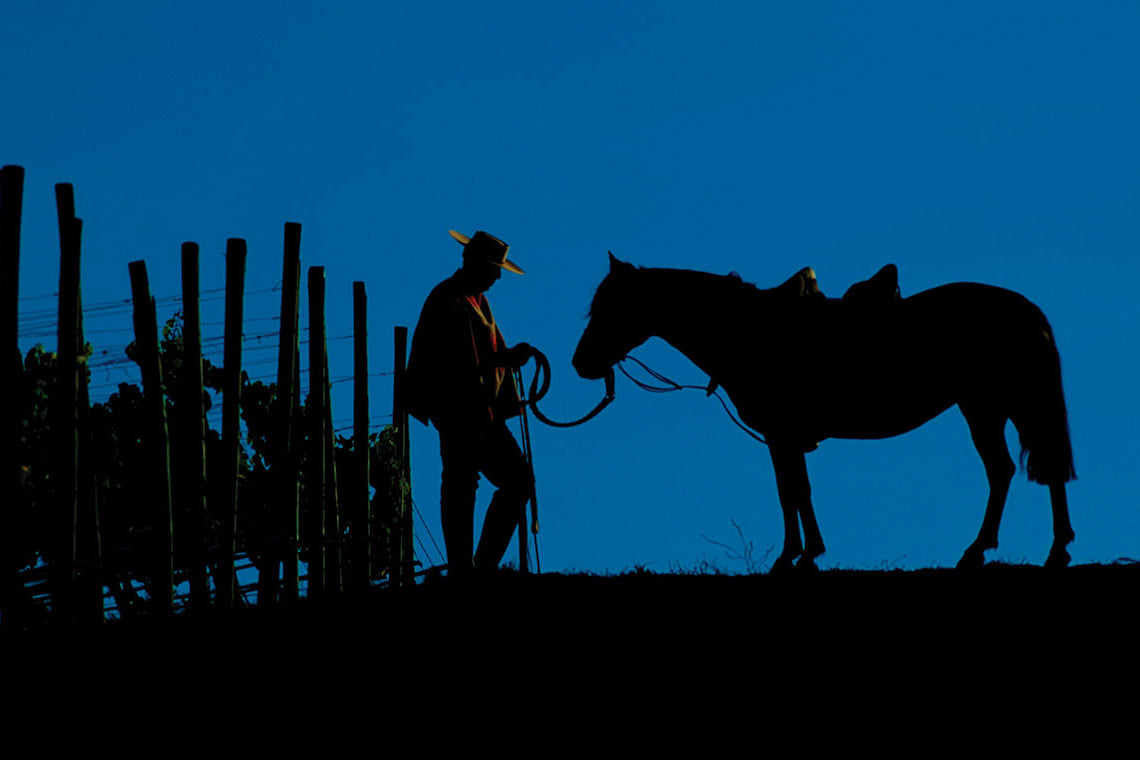
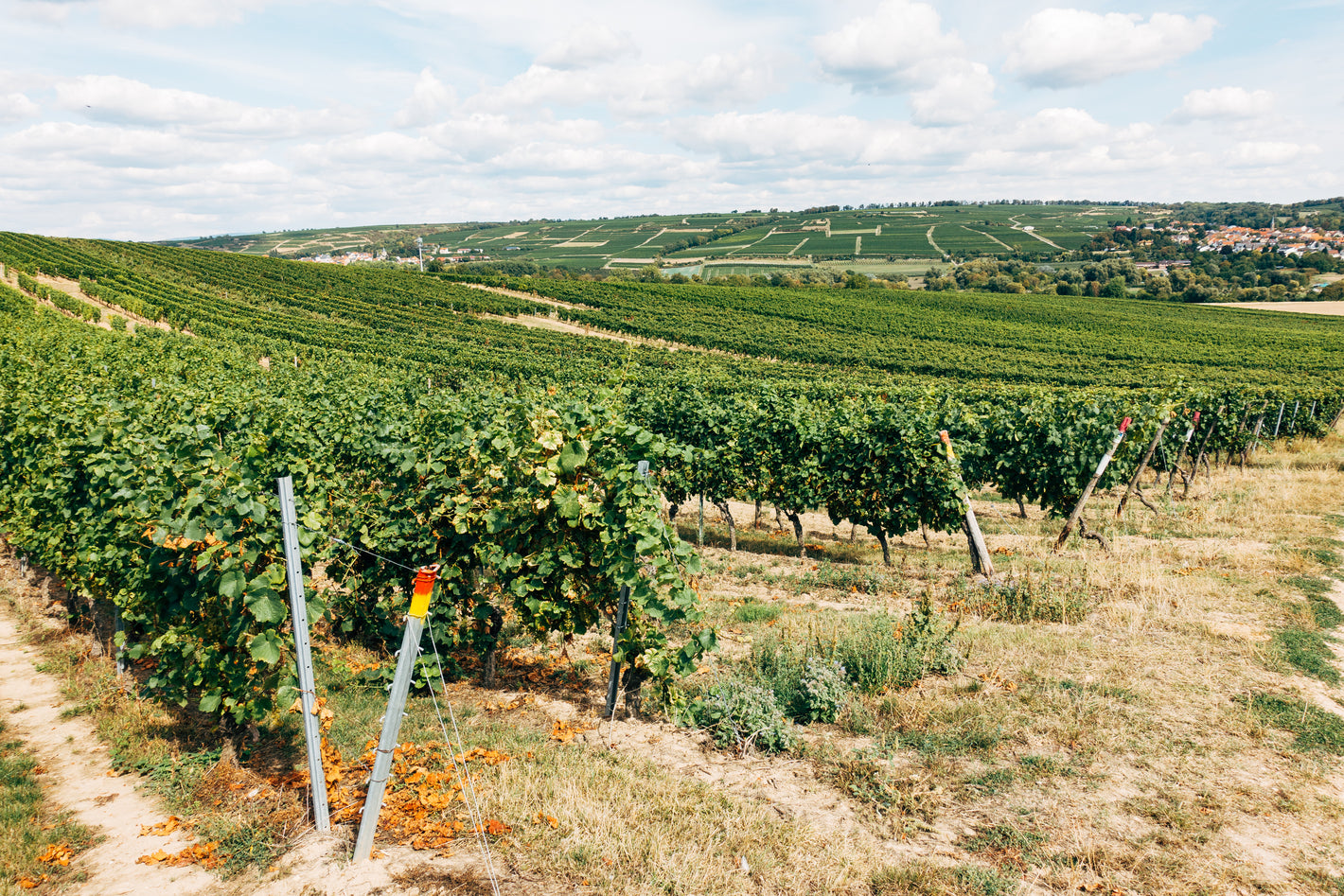
The Apalta vineyard sits on a steep, north-facing amphitheatre of granite and clay soils at around 400 metres altitude in the heart of Colchagua, where the natural bowl concentrates heat during the day and funnels cool Pacific air down through the valley at night. The old vines — some over a century old — are ungrafted and dry-farmed, sending roots deep into the rocky subsoil to produce small, intensely flavoured berries. That combination of warm days, cool nights, and stressed, low-yielding old vines is what gives Clos Apalta its signature density without loss of freshness.
Colchagua Valley is part of Chile's broader Rapel Valley region, sitting roughly 180 kilometres south of Santiago, and has become the country's most celebrated address for full-bodied red blends and Carmenère in particular. The valley runs east-west, drawing cool maritime influence from the Pacific while retaining enough daytime heat for thorough ripening — a balance that makes it well suited to ambitious, age-worthy reds. Unlike neighbours such as Maipo, which has long been associated with Cabernet Sauvignon, Colchagua leans into the Bordeaux varieties that thrive in its warmer, richer soils, with Carmenère as its adopted signature grape.
The 2023 growing season in Colchagua Valley was defined by a drier-than-average summer with well-regulated temperatures that allowed grapes to ripen steadily rather than in fits and starts. The valley's continental conditions — hot days, cool nights — did their usual good work, preserving freshness without compromising ripeness. Harvest came in at a measured pace, with fruit arriving in good condition and without the pressure of racing against autumn rains. Not the sort of vintage that writes itself into legend through drama, but sometimes the quiet ones deliver the most honest expression of the terroir.
Cabernet Sauvignon and Carménère, the region's twin pillars, both performed well — the Cab showing firm, well-resolved tannins and the kind of dark fruit concentration Colchagua does reliably, while Carménère hit a particularly good stride, with the freshness that separates the best examples from the overripe style the variety spent years trying to shake. We think the mid-range bottles are drinking well now, and the better-structured reds will reward patience until 2028 or beyond.
OUR GROWERS
Clos Apalta
Explore related wines


-
-
Speak to one of our Wine Gurus
Speak to a Wine GuruWith years of experience, our team can help you with all your wine buying and selling needs