

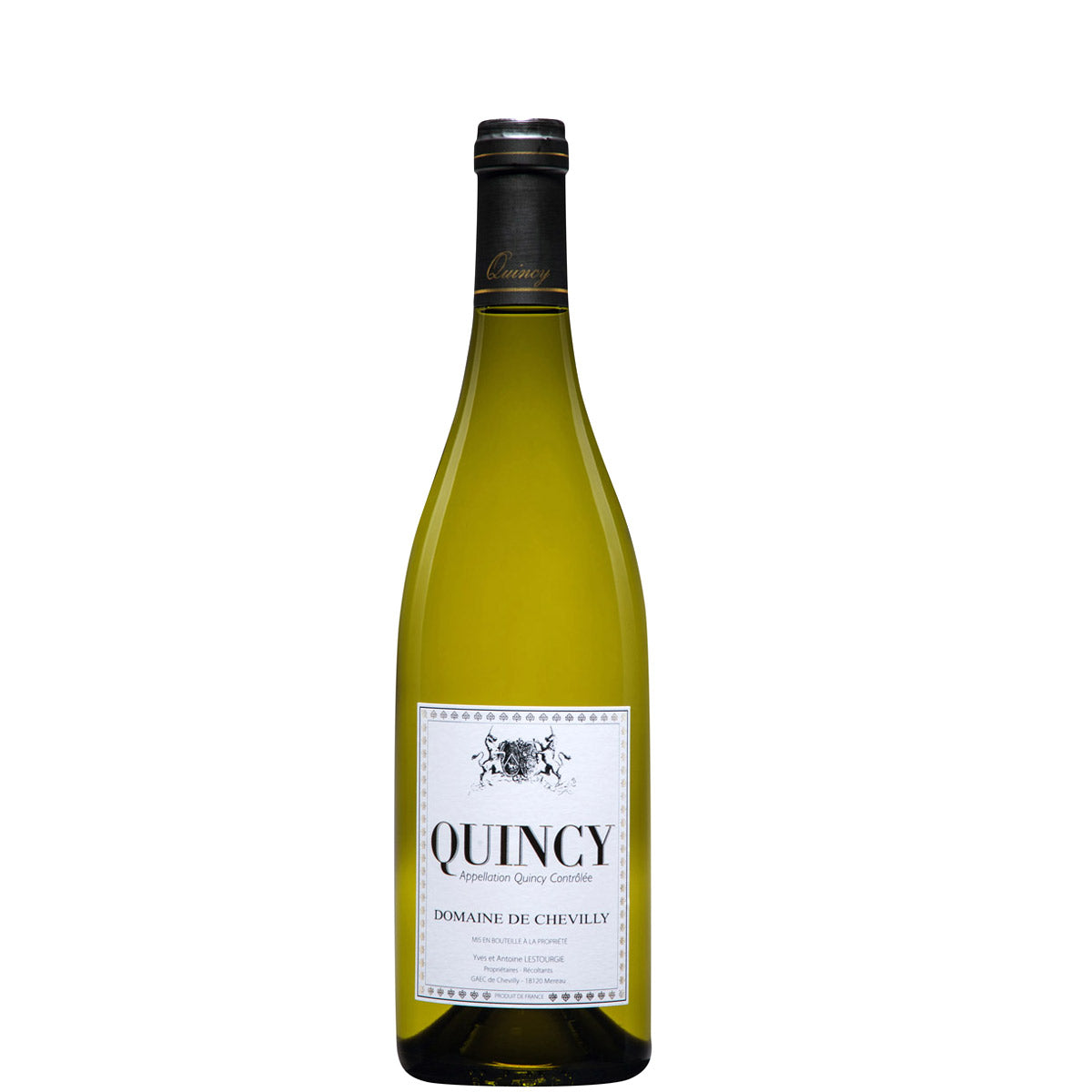
Domaine De Chevilly, Quincy, La Licorne d'Or, 2025
Domaine De Chevilly, Quincy, La Licorne d'Or, 2025
- 75cl
- 14%
- White Still
- Sauvignon Blanc
- Vegetarian
- Vegan
Couldn't load pickup availability

Optimal drinking window: 2026 - 2028
Quincy is one of the Loire's lesser-sung appellations, sitting quietly to the west of Sancerre and Pouilly-Fumé while producing Sauvignon Blanc of real character and considerably less fanfare. Domaine de Chevilly's La Licorne d'Or is a fine argument for paying it more attention. This is pure, precise Sauvignon Blanc grown on the appellation's characteristic sandy and gravelly soils over a Kimmeridgian limestone base — the same geological backbone that makes the Centre-Loire so compelling for the grape. Expect bright citrus, a chalky mineral edge, and a clean tension that keeps everything feeling alive.
The 2025 vintage across the Loire was marked by good growing conditions with enough warmth to ripen fully without sacrificing freshness - ideal for this style.
La Licorne d'Or is designed for drinking young, when its primary citrus fruit and mineral freshness are at their most vivid. Over the next year or two, the fruit will remain bright and expressive. By 2028, the wine may begin to lose some of its snap and freshness, softening in a way that is pleasant but less characterful.
What the critics say:
"Bright and pungent, there is no doubt that Sauvignon Blanc is waltzing through here. Notes of green pepper, passion fruit, and a real twist of pineapple and mango making for a surprisingly tropical Quincy. There's a leanness to the texture, possibly due to the tricky vintage, but the length of flavour makes up for it."
Tasting Notes
AppearancePale gold with a faint green tint and good clarity.
NoseWhite grapefruit, green apple, and a whisper of cut grass open things up cleanly. There's a chalky, almost flinty quality underneath that lifts the whole picture. Fresh and inviting without being showy.
PalateLively and focused, with citrus fruit held in check by crisp acidity and a dry, mineral backbone. The texture is light but not thin — there's real presence here, driven by the soil rather than the fruit. Bone dry with good concentration for the style.
FinishClean, mineral, and pleasingly persistent with a final squeeze of lemon zest.
Overall impressionExactly what you want from Quincy: pure, precise, and built for the table.
Food Pairings
In the Berry region around Quincy, this style of Sauvignon Blanc is the natural companion to crottin de Chavignol, the local goat's cheese whose tangy richness is a perfect foil for the wine's acidity. River fish from the Cher and Loire — pike, perch, or trout — cooked simply with butter and herbs are the local instinct. Freshwater crayfish gratin is another classic pairing you'll find on menus in Bourges. Further afield along the Loire, rillettes, asparagus, and light vegetable terrines all find a natural partner in wines like this.
We think this wine would go well with
Serve well chilled at around 8-10°C — this is a wine that wants to be cold and fresh, not opened up by warmth. No need to decant; just pour and enjoy. A standard white wine glass with a tulip-shaped bowl works well, keeping the aromatics focused without overwhelming the wine's naturally delicate frame.
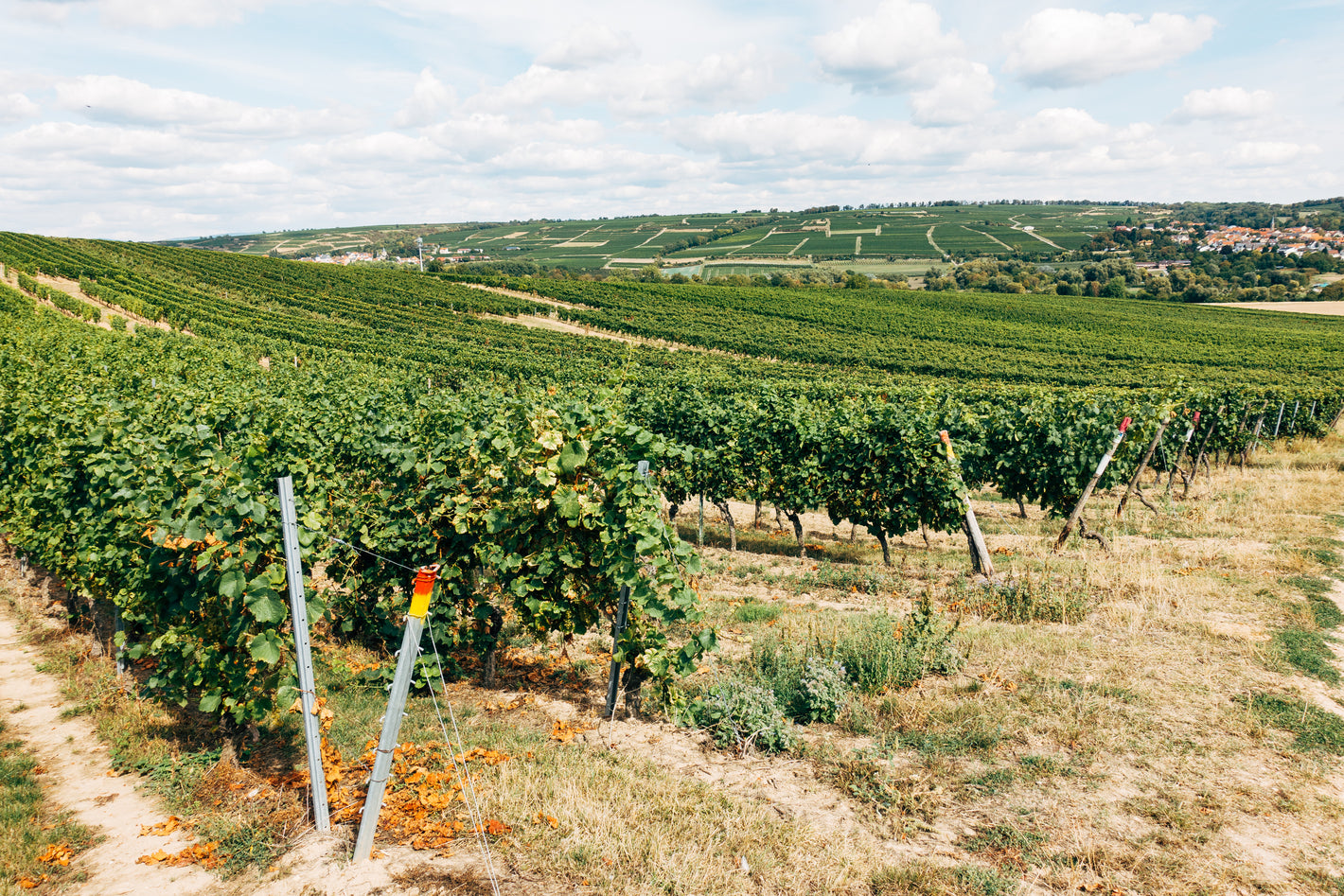
Quincy's vineyards sit on a plateau above the Cher river, on soils that are notably sandier and more gravelly than those of Sancerre or Pouilly-Fumé, with Kimmeridgian limestone beneath. This combination produces Sauvignon Blanc with a slightly softer texture than its more famous neighbours, but with a characteristic chalky, flinty mineral quality and bright natural acidity. The continental climate brings warm summers and cold winters, which preserves freshness in the fruit while achieving full phenolic ripeness.
Quincy is one of the oldest AOCs in France, granted appellation status in 1936, and covers a small area of around 270 hectares west of Bourges in the central Loire. Like Sancerre and Pouilly-Fumé, it is exclusively Sauvignon Blanc for whites — no blending permitted — which makes it a pure expression of the grape and its soils. Where Sancerre can show more weight and Pouilly-Fumé more flint and gunsmoke, Quincy tends towards a lighter, crisper, more immediately refreshing style, with lower prices that frankly don't reflect the quality on offer.
The 2025 vintage hasn't happened yet — we're still firmly planted in 2024, watching this year's grapes ripen along the Loire. While we'd love to peer into our crystal decanter and predict what nature has in store, even our most enthusiastic soothsaying has its limits. What we can tell you is that the Loire continues to deliver some of France's most thrilling wines, vintage after vintage, from the mineral-driven Muscadet of the Atlantic coast to the profound Cabernet Franc of Chinon and Bourgueil.
For now, we're busy celebrating the brilliant 2022s that are drinking superbly, the structured 2020s that reward patience, and the occasional treasure from earlier decades that reminds us why Loire wines age so gracefully. Check back with us in late 2025 when we've actually tasted what the vines produce, rather than what our imagination conjures. We promise the wait will be worth it — the Loire rarely disappoints, and when it does deliver, we'll be the first to tell you exactly why you should be excited.
FAQs
What does La Licorne d'Or taste like?
Pure, dry Sauvignon Blanc with white grapefruit, green apple, and a chalky mineral edge. Think precise and focused rather than aromatic and exuberant — this is a wine built around freshness and tension.
How does Quincy compare to Sancerre?
They share the same grape and a similar geological backbone, but Quincy tends to be lighter, crisper, and more immediately refreshing than Sancerre, with less of the weight and richness you get from the Kimmeridgian clay slopes around Chavignol. It also tends to be noticeably more affordable, which only adds to its appeal.
When should I drink this wine?
Now. This is a wine that thrives on freshness, and the 2025 vintage is well-suited to drinking over the next year or two. We'd aim to have it open before 2028 to catch it at its liveliest.
What food should I pair this with?
Goat's cheese is the classic match — crottin de Chavignol if you want to go local. Beyond that, oysters, grilled white fish, seafood salads, asparagus, or simply a plate of charcuterie on a warm evening. The acidity cuts through fat and richness with ease.
How should I serve it?
Serve it cold, around 8-10°C. No need to decant — just pull the cork, pour, and enjoy. A standard tulip-shaped white wine glass is all you need.
Is this worth cellaring?
No, and that's not a criticism. This is a wine made for the moment, and its charm lies in the freshness of its youth. Open it, chill it, and drink it with good company and something from the sea.

OUR GROWERS
Domaine de Chevilly
Explore related wines


What are you looking for tonight? Tell me the occasion, a grape, a region — or just try a suggestion below.
Your recommendations will appear here.
-
-
Speak to one of our Wine Gurus
Speak to a Wine GuruWith years of experience, our team can help you with all your wine buying and selling needs