

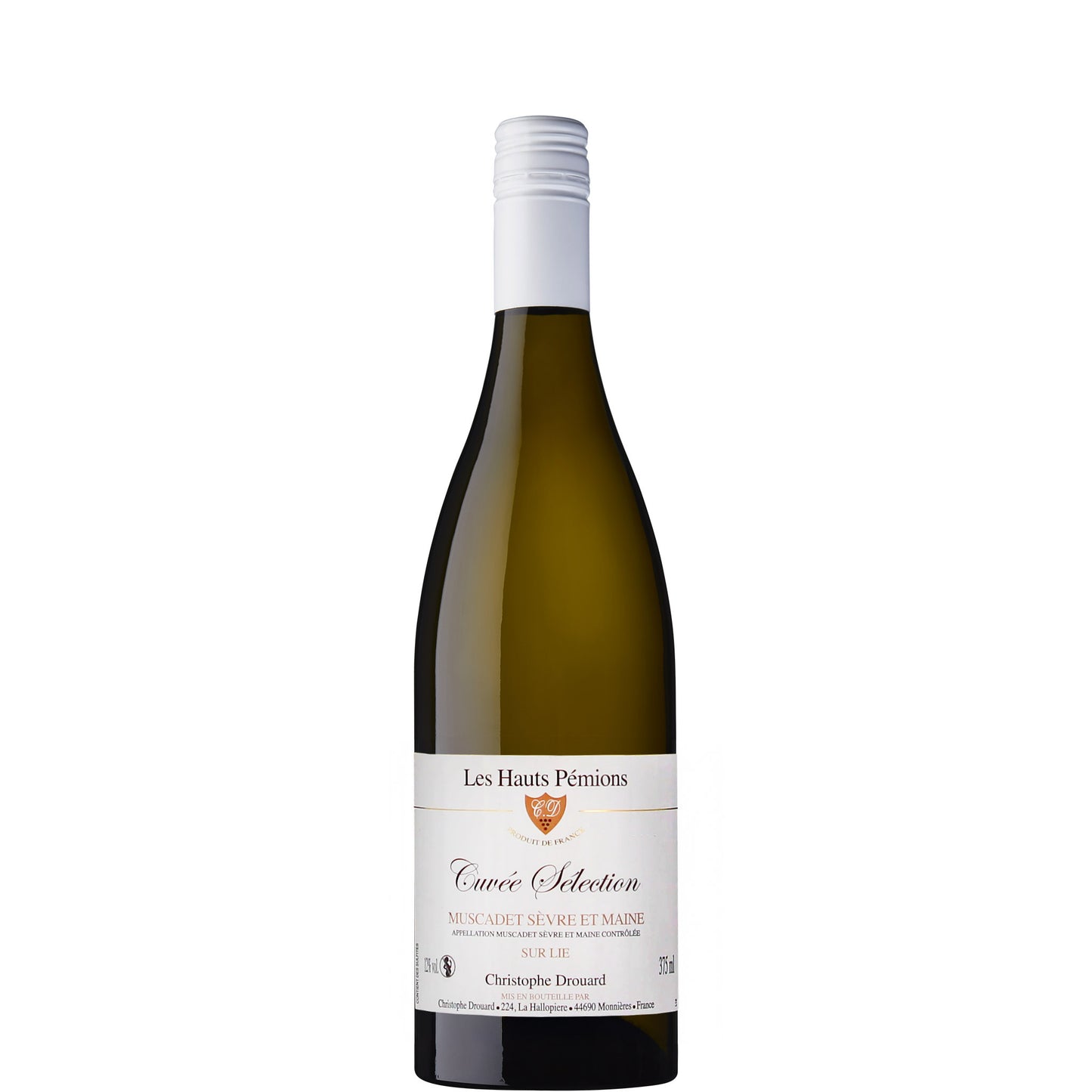
Domaine Les Hauts Pémions, Muscadet de Sèvre et Maine sur Lie, 2024
Domaine Les Hauts Pémions, Muscadet de Sèvre et Maine sur Lie, 2024
- 75cl
- 12%
- White Still
- Melon de Bourgogne
- Organic
Couldn't load pickup availability

Optimal drinking window: 2026 - 2029
Muscadet gets a bad rap, unfairly so, and wines like this are the rebuttal. Les Hauts Pémions sits in the Sèvre et Maine, the heartland of the appellation and the only part worth arguing about. The 2024 is a sur lie release, meaning the wine has spent time resting on its spent yeast cells after fermentation, which gives it that characteristic savouriness and textural weight that lifts it clean above the watery, anonymous Muscadet of the 1980s that gave the whole region its reputation problem.
Melon de Bourgogne is a grape of almost wilful restraint: no aromatics, no showmanship, just stony precision and a mouth-watering acidity that makes it one of the great seafood wines on earth. The 2024 vintage delivered freshness and good natural acidity across the Loire, and this is drinking brilliantly now. Don't overthink it. Open it cold, pour it generously, and put something from the sea in front of it.
The 2024 is in excellent shape right now and the freshness that defines the vintage means there's no need to wait. The primary citrus and apple fruit is vivid and clean, and the lees texture is already well integrated. Over the next year or two, the wine may gain a little more richness and a slightly more pronounced saline, stony character as the primary fruit settles. By 2029 it will likely begin to flatten and lose its defining freshness, so the window here is real and relatively short. Drink it while it's singing.
Tasting Notes
AppearancePale straw with a faint greenish glint, bright and clear in the glass.
NoseLean and fresh to start, with green apple, lemon pith, and a subtle yeasty, bread-dough quality from the lees. There's a stony, almost chalky edge underneath that keeps it focused and precise.
PalateCrisp and mouth-watering, with good weight for the style — the sur lie contact has given it a slight creaminess that rounds out the edges without softening the acidity. Green citrus, white peach, and a saline, mineral finish arrive in clean succession.
FinishClean, refreshing, and persistent, with a lingering chalkiness that makes you reach for another sip.
Overall impressionExactly what great entry-level Muscadet should be: precise, honest, and completely compelling with the right food.
Food Pairings
In the Pays Nantais, this is what you drink with moules marinières — a pot of mussels steamed in white wine, shallots, and parsley, the cooking liquid tasting uncannily like the wine itself. Oysters from the nearby Atlantic coast are the other natural partner, particularly the fines de claires of the Vendée. Locals would also put this on the table with a simple fish soup, a bowl of cooked prawns with mayonnaise, or a platter of charcuterie from the Vendée on a summer afternoon. It's a wine built for the table, not the cellar.
We think this wine would go well with
Serve well chilled, between 8 and 10°C — this is not a wine that benefits from warming up. No need to decant; just pour it straight from the fridge and let it open very slightly in the glass. A standard white wine glass works perfectly here; you don't need anything wider or more elaborate, as the aromatic restraint of Melon de Bourgogne won't reward the extra surface area.
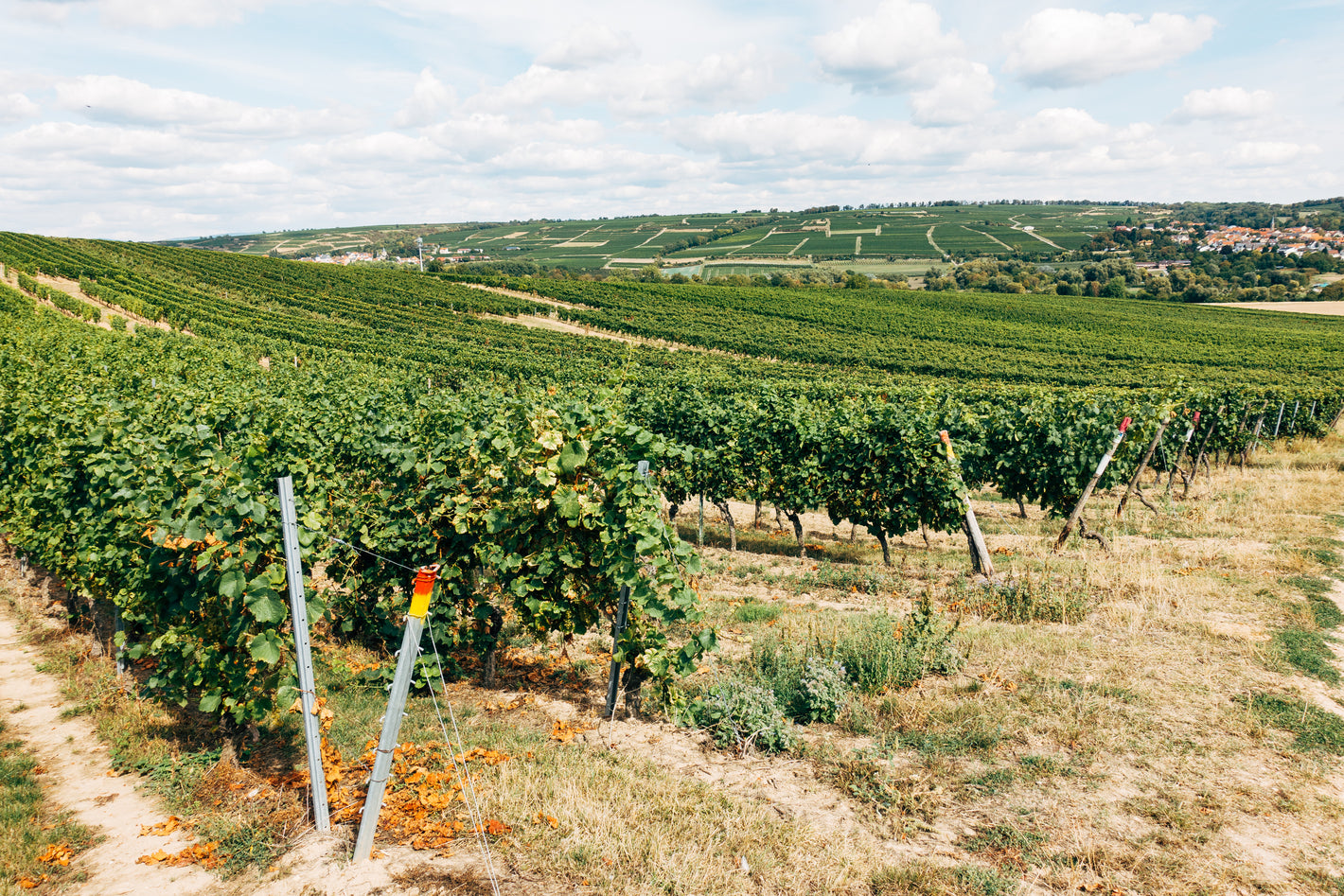
The vineyards of the Sèvre et Maine are defined by their ancient soils: a mix of gabbro, granite, and gneiss — hard, crystalline rocks that drain freely and stress the vines just enough to concentrate flavour without sacrificing acidity. These soils have very low fertility, which keeps yields in check and pushes the roots deep, pulling up that characteristic saline, stony mineral quality you find in the best wines of the sub-zone. The maritime influence of the Atlantic tempers the continental extremes, keeping the growing season long and cool.
Muscadet de Sèvre et Maine is the quality tier of the broader Muscadet appellation, covering the area around the confluence of the Sèvre Nantaise and Maine rivers, southeast of Nantes. Sur lie is not just a label term here but a legal requirement for wines carrying that designation: the wine must remain on its lees until bottling, with a minimum ageing period that varies by cru. The result is a wine with more texture, a faint bready quality, and greater capacity to age than the basic appellation allows. Sèvre et Maine produces the vast majority of quality Muscadet and is where the region's three premier cru communaux — Clisson, Gorges, and Le Pallet — are found.
We're still learning what 2024 gave us in the Loire, but the early signs are promising. The growing season brought its share of drama — a challenging spring that kept vignerons on their toes, followed by a summer that delivered just enough sunshine without tipping into the punishing heat that can flatten the region's trademark freshness. Harvest timing varied considerably across the valley's sprawling length, with producers picking earlier than usual in some appellations while others waited for that final push of ripeness.
What we're tasting shows wines with lovely energy and balance, particularly from Sancerre and Pouilly-Fumé where the Sauvignon Blanc has that mineral backbone we adore without the green aggression of cooler years. The Chenin Blanc from Vouvray and the Coteaux du Layon seems to have found its sweet spot between richness and acidity, while early tastings of Chinon suggest the Cabernet Franc has real potential for structured, age-worthy reds. Most 2024s are drinking beautifully now with their youthful vibrancy intact, though we suspect the better examples will reward patience over the next three to five years.
FAQs
What does this Muscadet taste like?
Crisp, stony, and refreshing, with green apple, lemon zest, and a subtle yeasty quality from its time on the lees. It's lean and precise rather than rich, with a saline edge that makes it one of the most food-friendly whites around.
Should I cellar this wine or drink it now?
Drink it now — this is the point. The 2024 vintage has great freshness and the wine is at its best between 2026 and 2028. Muscadet sur lie can age, particularly from top producers and crus, but this style rewards immediacy rather than patience.
What food goes best with this Muscadet?
Seafood, full stop. Oysters and mussels are the classic pairings for very good reason — the saline, mineral quality of the wine mirrors what's on the plate in a way that feels almost designed. Grilled fish, prawns, crab, or a simple fish soup all work equally well.
How should I serve it?
Cold — between 8 and 10°C. Pull it straight from the fridge and pour. No decanting needed, and a standard white wine glass does the job perfectly well.
Is Muscadet a serious wine?
It's a question worth asking, and the honest answer is yes, when it's made properly. The sur lie designation and the best terroirs of Sèvre et Maine produce wines with real texture, minerality, and longevity. The reputation for thin, cheap plonk belongs to a different era — and to different producers. This is the good stuff.

OUR GROWERS
Domaine Les Hauts Pémions
Explore related wines


What are you looking for tonight? Tell me the occasion, a grape, a region — or just try a suggestion below.
Your recommendations will appear here.

-
-
Speak to one of our Wine Gurus
Speak to a Wine GuruWith years of experience, our team can help you with all your wine buying and selling needs