

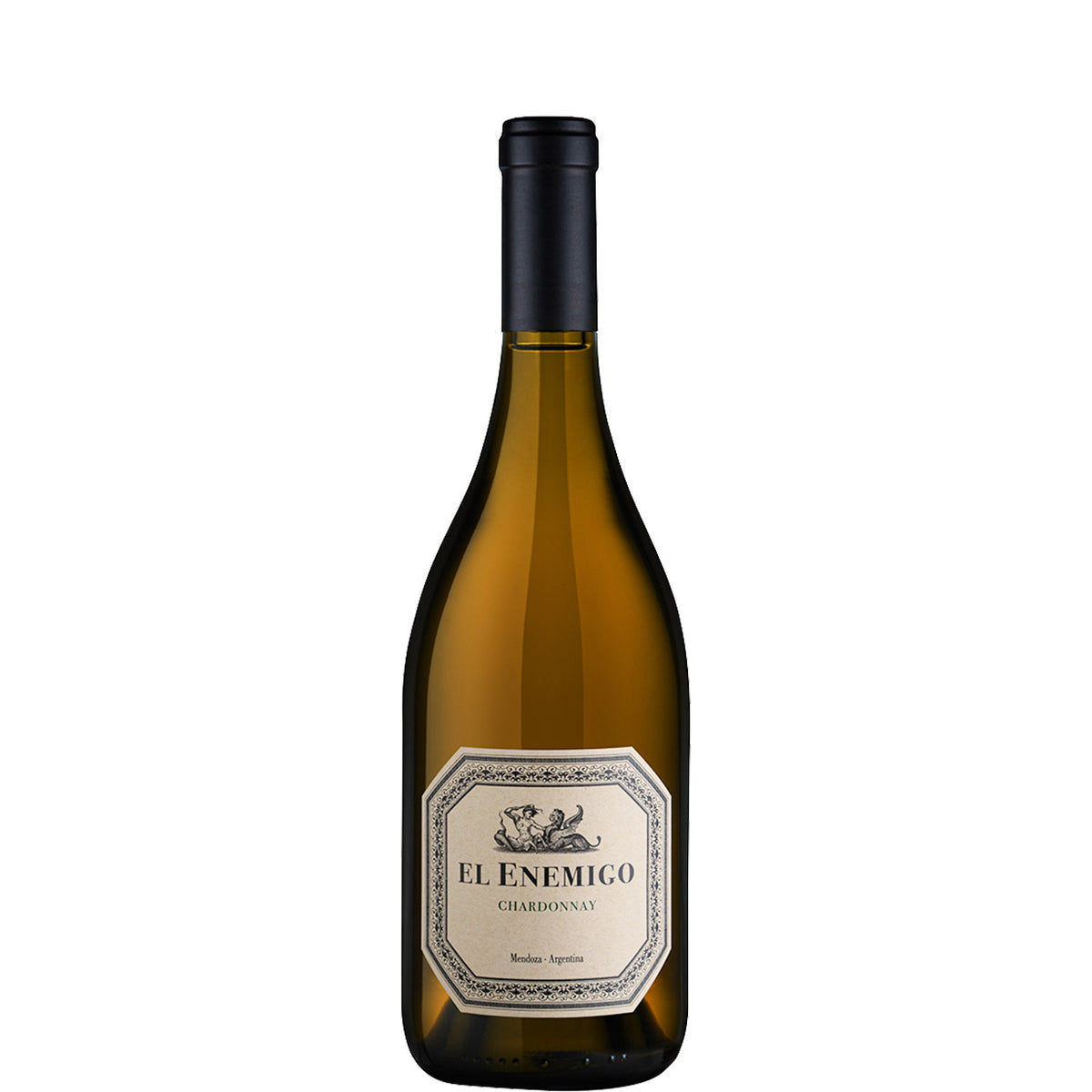
El Enemigo, Chardonnay, 2023
El Enemigo, Chardonnay, 2023
- 75cl
- 13%
- White Still
- Chardonnay
Couldn't load pickup availability

Optimal drinking window: 2026 - 2033
El Enemigo — the enemy — takes its name from Adrianna Catena's somewhat tongue-in-cheek description of Alejandro Vigil, now one of Argentina's most restless and respected winemakers. Their Chardonnay comes from high-altitude Mendoza vineyards where the diurnal swings are dramatic enough to keep the variety on its toes, yielding a wine with genuine tension rather than the tropical weight that once defined Argentine Chardonnay's reputation.
The 2023 is bright, precise, and confident — white peach and lemon curd meeting toasted almond and a flinty, almost saline finish. Oak is present but held on a tight leash; this is about the fruit and the altitude, not the barrel.
Right now, in 2026, the 2023 is in a very appealing primary phase with its fruit vivid and the oak sitting neatly in the background. Over the next two to three years the stone fruit will begin to integrate more deeply with the mineral thread, adding a little more complexity without losing freshness. By 2028-2029 it should be at its most complete.
What the critics say:
"Salty and spicy, with aromas of ginger, cardamom, lemons and sea salt. The palate is medium- to full-bodied, sharp and pungent, with a precise, saline character. Rich, focused and delicious. From grapes grown in Gualtallary. Fermented and aged in French oak, of which 35% was new. Drink or hold."
"The 2023 Chardonnay El Enemigo comes from Gualtallary, Uco Valley. Aged in 500-liter French oak barrels, it opens with green apple, chamomile, white peach, herbs and a subtle vermouth note. Dry, compact and saline, the oak broadens the palate where richness is otherwise restrained. The 2023 is a modern, refined profile for Gualtallary Chardonnay in a warm vintage."
Tasting Notes
AppearancePale gold with a green tint and good clarity — bright in the glass.
NoseWhite peach and lemon curd lead, with a subtle thread of toasted almond and brioche from restrained oak. There is a flinty, almost struck-match quality underneath that lifts the whole thing and stops it reading as simply fruity.
PalateCrisp and focused, with the altitude doing its job — acidity is the backbone here, carrying ripe stone fruit without tipping into tropical richness. The oak integrates well, adding texture rather than flavour, and a saline edge on the mid-palate gives the wine a sense of place.
FinishClean, long, and mineral, with lemon zest and almond lingering well after the glass is down.
Overall impressionA Chardonnay that makes the case for what Mendoza can do when altitude and restraint replace exuberance.
Food Pairings
In Mendoza, this would most naturally sit alongside a simple asado of pollo a la parrilla — grilled chicken over embers — where the wine's freshness cuts through the char without competing. River trout from the Andean streams, cooked simply with olive oil and lemon, is a local pairing that makes perfect sense. Further into the city, a cazuela of vegetables and white beans would work well, as would a plate of fresh chèvre-style goat's cheese from the region's small artisan producers.
We think this wine would go well with
Serve at around 10-12°C — cold enough to preserve freshness but not so cold that it shuts the nose down. No need to decant; just pour and give it five minutes in the glass to open up. A tulip-shaped white wine glass with a reasonably generous bowl will let the stone fruit and mineral notes find their shape without dispersing too quickly.
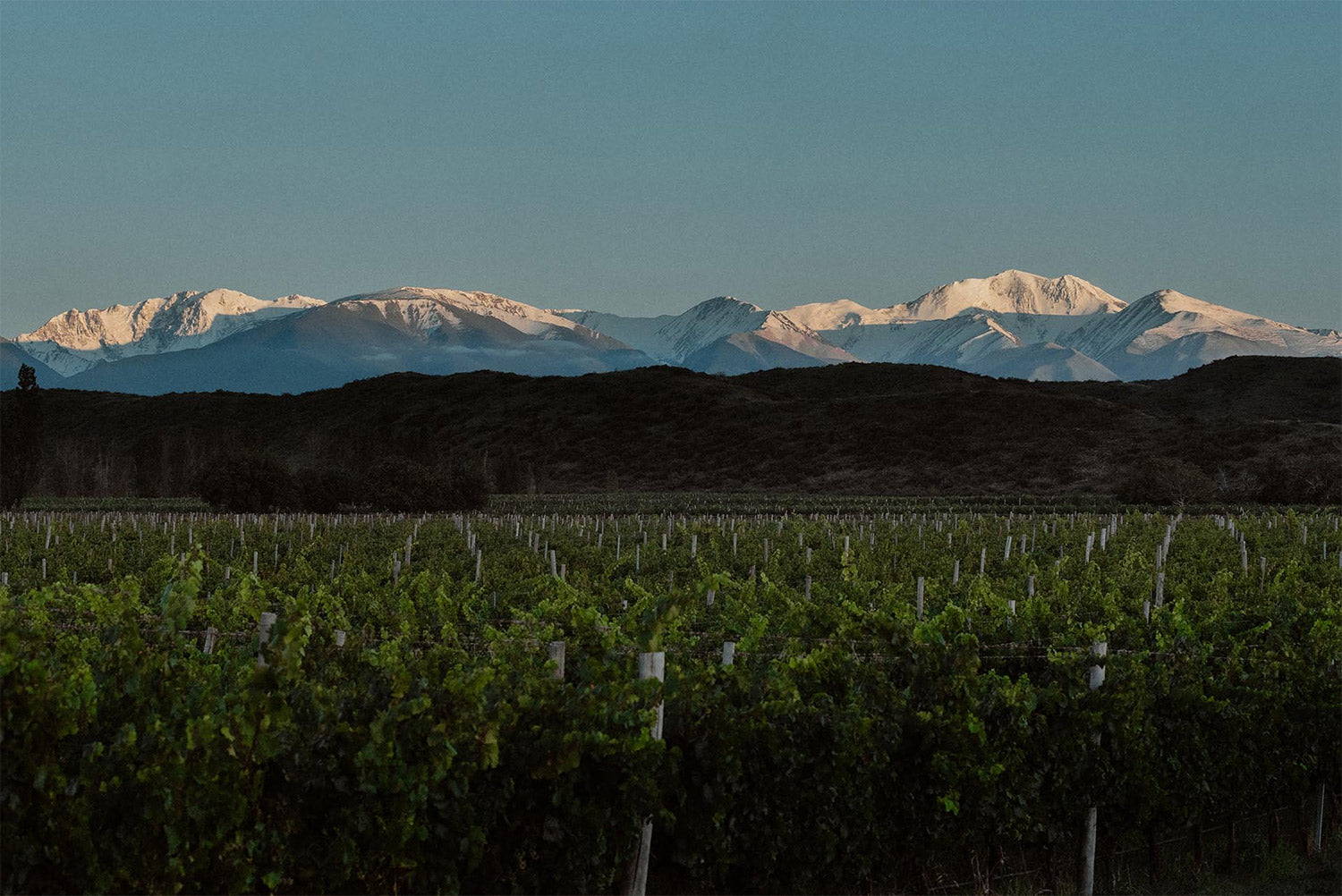
The Chardonnay fruit comes from high-altitude vineyards in Mendoza, sitting above 900 metres where the combination of intense Andean sun and cool nights preserves acidity and slows ripening to a pace that builds genuine complexity. Soils here are alluvial, stony, and relatively poor, which keeps yields in check and concentrates flavour without sacrificing freshness. The altitude is the key: without it, Chardonnay in Mendoza tends towards richness over precision.
Mendoza is Argentina's most important wine region by volume and reputation, accounting for around 70% of the country's production. It sits in the rain shadow of the Andes at elevations ranging from 600 to over 1,500 metres, with a continental climate of dry summers and cold winters. There are no strict varietal rules in the way that European appellations impose them, which gives producers like El Enemigo significant freedom to work with altitude and site rather than regulatory frameworks. Sub-zones like Luján de Cuyo and the Uco Valley have distinct characters, but the broader Mendoza designation covers a wide range of styles and ambitions.
The 2023 vintage in Mendoza arrived with its own particular rhythm. Spring brought adequate rainfall to replenish the soils after several drier years, though producers had to stay alert during flowering to manage the increased humidity. Summer unfolded with the kind of temperature swings that make Mendoza tick: hot days balanced by those crucial cool nights that flow down from the Andes, preserving acidity whilst allowing phenolic ripening to proceed at its own pace.
What emerged from the cellars shows Mendoza at its most expressive. The Malbecs display that wonderful combination of concentrated dark fruit and mineral backbone that comes when the vines have enough water early on but must work a bit harder later in the season. Cabernet Sauvignon benefited particularly well from the conditions, producing wines with structure and depth that should reward patience. Most 2023s are drinking beautifully now, offering immediate pleasure, though the better examples will happily cellar until 2035 or beyond.
FAQs
What does this Chardonnay taste like?
Think white peach and lemon curd with toasted almond and a flinty, saline edge. It is precise and fresh rather than rich and buttery — the high altitude keeps everything in check and gives it real tension.
When should I drink this wine?
It is drinking well right now and will continue to do so until around 2030. There is no great advantage to waiting long — this is a wine built for pleasure in the near term rather than the cellar.
What food should I pair it with?
Grilled chicken, river trout with lemon, goat's cheese, or a simple vegetable cazuela. It has enough focus to handle richness and enough freshness to lift lighter dishes.
How should I serve it?
At around 10-12°C in a tulip-shaped white wine glass. No need to decant — just give it a few minutes in the glass after pouring.
Is this typical of Argentine Chardonnay?
Not really — and that is the point. Much Argentine Chardonnay leans tropical and generous. This one uses altitude to stay precise and mineral, which puts it closer in style to a well-made Mâcon than anything from the warmer lowland sites.
Who makes El Enemigo?
Alejandro Vigil, Catena Zapata's head winemaker, alongside Adrianna Catena — who named the label after him. It is a small, experimental project that sits outside the main Catena portfolio and gives Vigil room to work with restraint and site specificity rather than commercial scale.
OUR GROWERS
El Enemigo
Explore related wines


What are you looking for tonight? Tell me the occasion, a grape, a region — or just try a suggestion below.
Your recommendations will appear here.
-
-
Speak to one of our Wine Gurus
Speak to a Wine GuruWith years of experience, our team can help you with all your wine buying and selling needs