
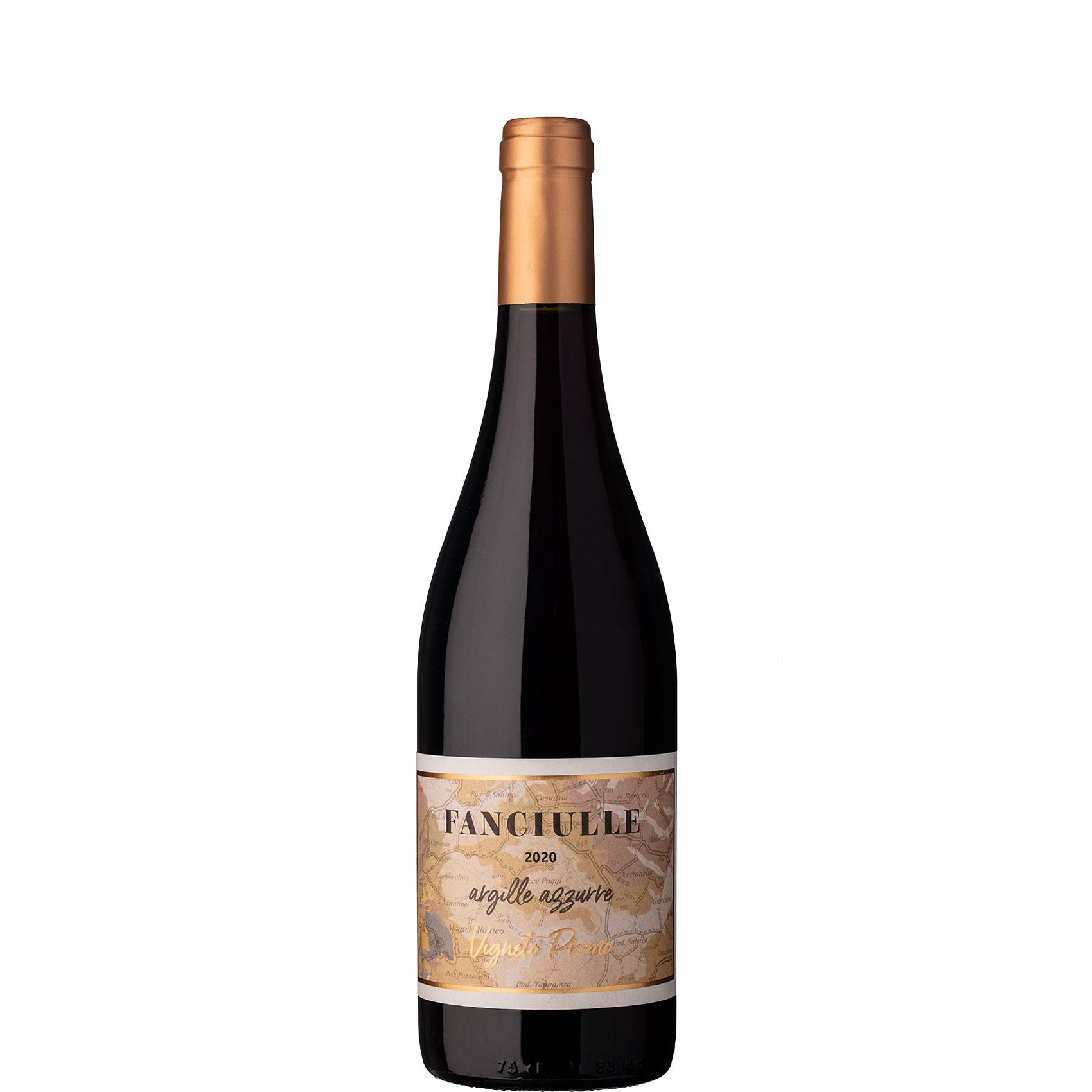
Fanciulle, Vigneto Primo, 2020
Fanciulle, Vigneto Primo, 2020
- 75cl
- 13%
- Red Still
- Sangiovese
- Organic
Couldn't load pickup availability

Optimal drinking window: 2026 - 2032
About Fanciulle, Vigneto Primo, 2020
"Red plums and cherry pastille, note of hibiscus, resin and rosehips. Some new leather and cherry tobacco Palate is pretty lateral with soft, satin tannins, and a lactic note across the mid-palate but there is more tension on the finish which leaves some cinnamon stick and sandalwood sweetness alongside more plums and sweet herbs."
Tom, Head Wine Guru
Jem Macy is the founder and winemaker of Fanciulle, the gorgeous boutique estate from the sun-drenched hills of Tuscany. Every wine that Fanciulle produces is either biodynamically or organically grown across her range of single (predominantly) Sangiovese sites.
Fanciulle typicity would be described as elegant and opulent whilst being fresh and invigorating, or to put it in Jem's own (and incredibly accurate) words, 'Sangiovese for Burgundy lovers'.
The 2020 is already drinking with real pleasure, the fruit expressive and the tannins smooth enough to need no apology. Over the next two to three years, the cherry and plum will begin to integrate more fully with the spice and leather, and the finish will gain a little more complexity. By 2028 to 2030 it should be at its most complete, the lactic mid-palate softened further and the sandalwood and herb notes more prominent.
Tasting Notes
AppearanceClear, mid ruby with a lively garnet edge and good depth for the vintage.
NoseRed plum, cherry pastille, and dried hibiscus lead, with something resinous and herbal — rosehip and dried sage — underneath. A little new leather and cherry tobacco add intrigue without weight.
PalateThe texture is the first thing you notice: satin tannins and a soft, almost lactic mid-palate that makes it immediately approachable. There is more going on beneath the surface though — sweet plum flesh, gentle spice, and a quiet mineral tension that starts to assert itself as the wine opens up.
FinishThe finish is where the wine earns its keep, tightening to cinnamon stick and sandalwood with lingering sweet herb and plum skin.
Overall impressionPrecisely the Sangiovese-for-Burgundy-lovers that Jem set out to make — elegant, fresh, and surprisingly hard to put down.
Food Pairings
In Tuscany, a wine like this would land squarely alongside bistecca alla Fiorentina — simply seasoned, charred at the edges, rare in the middle. Equally at home with a slow-braised wild boar pappardelle, where the wine's spice and herb notes echo what is in the pot. Locally made pecorino, particularly aged stagionato, is a natural pairing for the lactic mid-palate and the plum and cherry fruit. A plate of cured meats — finocchiona salami especially — with Tuscan unsalted bread would suit a more casual pour perfectly.
We think this wine would go well with
Serve at around 16°C — cold enough to keep the freshness alive, warm enough to let the spice and leather open up. A 20-minute decant is enough for the 2020; it is not a wine that needs aggressive aeration, but it will reward a little patience in the glass. A standard Burgundy-shaped bowl works well here, amplifying the aromatic lift without overwhelming the wine's inherent delicacy.
Fanciulle's vineyards sit in the Tuscan hills where altitude and aspect moderate what would otherwise be fierce summer heat, preserving the freshness and lift that define Jem's wines. The soils are a mix of galestro — the flaky, fast-draining schist that is Tuscany's secret weapon for fine Sangiovese — and alberese clay, which adds structure and mineral backbone. This combination encourages deep root systems and concentration without sacrificing the aromatic delicacy that makes these wines so compelling.
Tuscany's appellation landscape is complex, and Fanciulle's single-vineyard wines sit within it on their own terms, prioritising site expression over denomination prestige. Sangiovese is the backbone of the region's greatest wines — from Brunello di Montalcino to Chianti Classico — but producers farming outside or across those tightly drawn DOC and DOCG boundaries often classify as IGT Toscana, giving them freedom to vinify without bureaucratic constraint. That freedom, in the right hands, is exactly the point.
The 2020 growing season in Tuscany threw everything it had at the vines, then delivered one of those dramatic turnarounds that makes wine people believe in providence. A cold, wet spring delayed budbreak and kept everyone on edge about flowering, whilst summer brought punishing heat that had producers reaching for shade nets and irrigation systems. Just when the vintage looked destined for mediocrity, September arrived with cooling temperatures and crucial rainfall that allowed the grapes to recover their composure and ripen properly rather than simply desiccate on the vine.
What emerged from the cellars shows Tuscany's resilience in fine form. The Sangiovese displays more immediate charm than we often see from the variety, with bright cherry fruit that doesn't sacrifice the underlying structure that makes Chianti and Brunello age so gracefully. Super Tuscans from the coastal areas fared particularly well, where Cabernet Sauvignon and Merlot thrived in the maritime influence and produced wines with both power and freshness. Most 2020s are drinking beautifully now, offering accessibility without compromising their long-term prospects, and we suspect the best will reward cellaring for another decade or more.
FAQs
What does Vigneto Primo taste like?
Red plum, cherry pastille, dried hibiscus, and rosehip on the nose, with a hint of resin and cherry tobacco. The palate is silky and lateral with soft tannins and a lactic quality across the mid-palate, before the finish tightens to cinnamon, sandalwood, and sweet herbs. Think Burgundy-inspired elegance with a distinctly Tuscan heartbeat.
When should I drink this wine?
It is genuinely good now — the tannins are soft and the fruit is vibrant. If you can wait until 2028 or 2029, the spice and leather notes will have integrated more fully and the finish will have gained further complexity. We would not hold it much past 2032.
What food should I pair with this wine?
It is a natural with bistecca alla Fiorentina or a slow-braised wild boar ragu. Aged pecorino or finocchiona salami work well for something more casual. The wine's spice and herb notes mean it also pairs nicely with roast lamb or duck with cherry sauce.
How should I serve it?
Around 16°C is ideal. A short 20-minute decant will open the wine up without stripping its freshness. Use a Burgundy-style bowl to give the aromatics room to breathe.
Is this wine worth cellaring?
It is worth holding for a few more years if you have the patience — it will be more complete by 2028 to 2030. That said, it is already a very fine drink right now, so there is no need to wait if you do not want to.
Who makes Fanciulle and what is their philosophy?
Fanciulle is the project of Jem Macy, a winemaker who set out to make Sangiovese that speaks to Burgundy lovers. She farms all her single-vineyard Tuscan sites biodynamically or organically, keeps yields low, and intervenes as little as possible in the winery. The wines are elegant, fresh, and entirely their own thing.

OUR GROWERS
Fanciulle
Explore related wines


What are you looking for tonight? Tell me the occasion, a grape, a region — or just try a suggestion below.
Your recommendations will appear here.
-
-
Speak to one of our Wine Gurus
Speak to a Wine GuruWith years of experience, our team can help you with all your wine buying and selling needs