

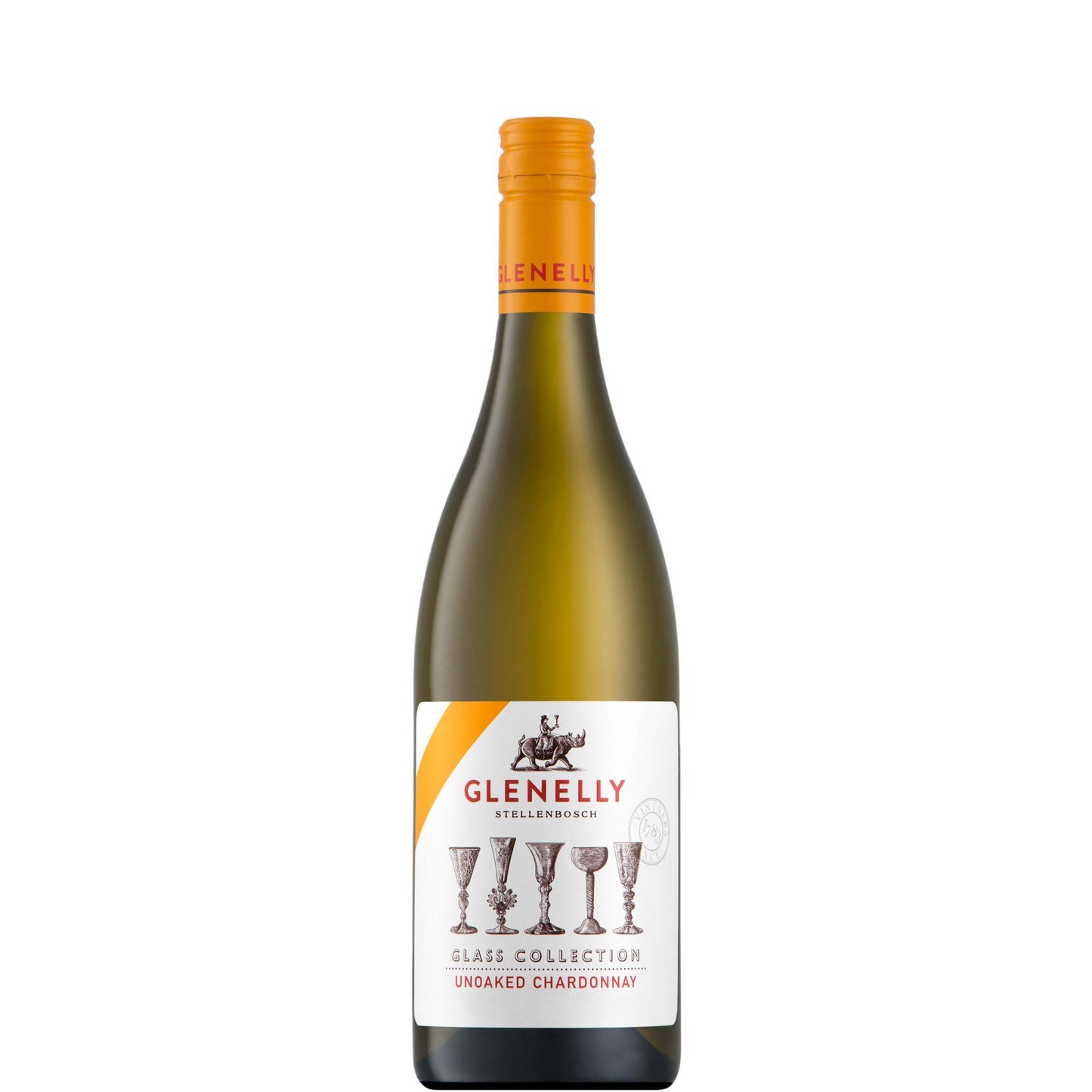
Glenelly, Glass Collection Chardonnay, 2023
Glenelly, Glass Collection Chardonnay, 2023
- 75cl
- 13%
- White Still
- Chardonnay
Couldn't load pickup availability

Optimal drinking window: 2026 - 2029
This 2023 Chardonnay is a genuinely charming introduction to Glenelly Estate. Unoaked or lightly wooded depending on the vintage, it leans into the freshness that the Cape's cooler pockets do so well — think white peach, lemon curd, and a flinty, mineral lift that keeps everything honest and bright. It's a wine built for pleasure rather than provocation, and there's nothing wrong with that.
It pairs effortlessly with simply grilled fish, a classic Cape snoek braai, or a bowl of good pasta with lemon and herbs. Unpretentious, well-made, and very easy to love.
The 2023 is in its prime right now, with the primary fruit vibrant and the acidity at its most refreshing. We wouldn't expect significant development over time — this is a wine designed for near-term pleasure rather than cellaring. Over the next year or two the fruit may soften slightly and gain a little roundness, which some will prefer.
What the critics say:
"As its name suggests, the Glenelly 2023 Stellenbosch Glass Collection Unoaked Chardonnay (in a screw-cap bottle) is a simple, entry-level white to drink with easy food partings. Fruit is blended from estate vines with outside grapes purchased in Stellenbosch. The grapes are hand-picked, destemmed, pressed and settled. Thanks to a good strain of yeasts, fermentation is natural. The wine stays on the lees for four to five months (depending on the vintage), giving it slight reduction and lots of inner tension. The bouquet reveals fresh tones of honeysuckle, green melon and crisp apple. This is a fun-drinking Chardonnay with a pretty mineral character."
Tasting Notes
AppearancePale gold with a greenish rim and good clarity.
NoseFresh white peach and lemon curd up front, with a subtle toasty note underneath that suggests brief oak contact. There's a flinty, almost chalky quality that gives it a lift beyond simple fruitiness.
PalateMedium-bodied and crisp, with bright citrus and stone fruit flavours that stay clean and focused. The acidity is the star here — precise without being sharp, keeping each sip lively and making it very easy to reach for another glass.
FinishClean and refreshing, with a pleasing mineral persistence and just a whisper of oak spice.
Overall impressionA textbook everyday Chardonnay from a serious estate that knows exactly what this wine is for.
Food Pairings
In the Cape, this kind of bright Chardonnay finds its natural home at a braai by the water, poured alongside grilled snoek with apricot jam — a combination that sounds unlikely and tastes exactly right. Locally, it would also be served with bobotie, the spiced minced meat dish that is a South African staple, where the wine's freshness cuts through the richness beautifully. Boiled crayfish with garlic butter is another Cape classic that suits this style perfectly. Further afield, think prawn piri-piri, lemon-dressed calamari, or a simple rotisserie chicken — anything where you want the wine to refresh rather than overwhelm.
We think this wine would go well with
Serve well chilled at around 10-12°C — any warmer and the freshness that defines this wine starts to feel flat. No need to decant; just pour straight from the fridge and let it open slightly in the glass over ten minutes. A standard white wine tulip glass works well, preserving the citrus aromatics without the formality of a large Burgundy bowl.
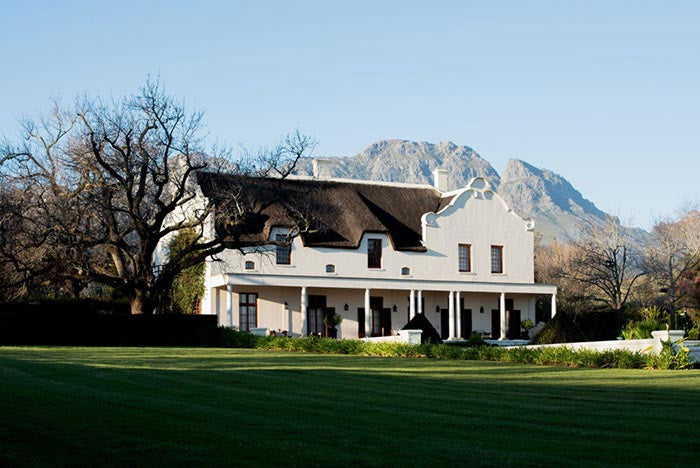
The Glenelly vineyards sit on the slopes of the Simonsberg Mountain in Stellenbosch, at elevations between 200 and 400 metres. The soils are predominantly decomposed granite, which drains well and encourages the vines to dig deep, producing wines with a natural freshness and mineral edge. The altitude brings cooler nights that preserve acidity — essential for a variety like Chardonnay, which can go flat and heavy in warmer conditions. The combination of mountain aspect and afternoon shade gives this part of Stellenbosch a distinctly more elegant character than the valley floor.
Stellenbosch is South Africa's most celebrated red wine appellation and arguably its most versatile, producing serious whites as well as its famous Cabernet Sauvignons and Bordeaux blends. The region spans dramatically varied soils and elevations, from the flat valley floor to the slopes of the Helderberg, Simonsberg, and Stellenbosch mountains, meaning neighbouring estates can produce wines of quite different characters. There are no strict varietal rules akin to French AOC law — the Wine of Origin system certifies origin, variety, and vintage rather than prescribing how a wine must be made. This freedom suits ambitious producers who want to experiment, and increasingly the mountain-facing vineyards are producing whites of genuine international quality.
The 2023 growing season in Stellenbosch was shaped by a relatively cool, dry summer, which gave growers the kind of measured ripening that makes viticulturalists quietly optimistic. Rainfall was well-distributed early in the season, building good vine reserves without encouraging disease pressure, and the harvest came in at a sensible pace rather than a panic. The result was fruit with genuine freshness alongside ripe tannins — the sort of balance that doesn't happen by accident.
Across the board, 2023 produced wines with real definition. Cabernet Sauvignon and the Bordeaux blends that Stellenbosch does so well have come out with firm but finely grained structure and the kind of concentrated dark fruit that rewards patience. Chenin Blanc and Syrah also performed strongly, with Syrah in particular showing the peppery, muscular character the cooler sites here do better than almost anywhere else. Most reds will drink well from now but have the architecture to develop further — we'd give the serious Cabernet-based wines until at least 2028 to 2032 before calling them truly ready.
FAQs
What does the Glass Collection Chardonnay taste like?
Fresh and bright, with white peach, lemon curd, and a flinty mineral quality that keeps it lively. There's a subtle toasty note suggesting light oak contact, but this is fundamentally a crisp, fruit-forward Chardonnay rather than a heavily wooded one.
When should I drink this wine?
Now is ideal. The 2023 vintage is at its most vibrant and refreshing right now, and we'd drink it until around 2029 while the primary fruit is still singing.
What food goes well with this wine?
Grilled fish, prawn piri-piri, lemon-dressed calamari, or a good rotisserie chicken are all natural partners. In the Cape tradition, it's excellent alongside grilled snoek with apricot jam. Basically anything where you want a wine that refreshes rather than dominates.
How should I serve it?
Straight from the fridge, served at around 10-12°C. No need to decant — just let it open for ten minutes in a standard white wine tulip glass and you're ready to go.
Who makes Glenelly?
Glenelly was founded by May de Lencquesaing, former owner of the famous Bordeaux estate Château Pichon Longueville Comtesse de Lalande. She brought serious Bordeaux winemaking discipline to the Stellenbosch hills, and even the entry-level Glass Collection reflects that commitment to finesse. It's an estate well worth paying attention to.
Explore related wines


What are you looking for tonight? Tell me the occasion, a grape, a region — or just try a suggestion below.
Your recommendations will appear here.
-
-
Speak to one of our Wine Gurus
Speak to a Wine GuruWith years of experience, our team can help you with all your wine buying and selling needs