

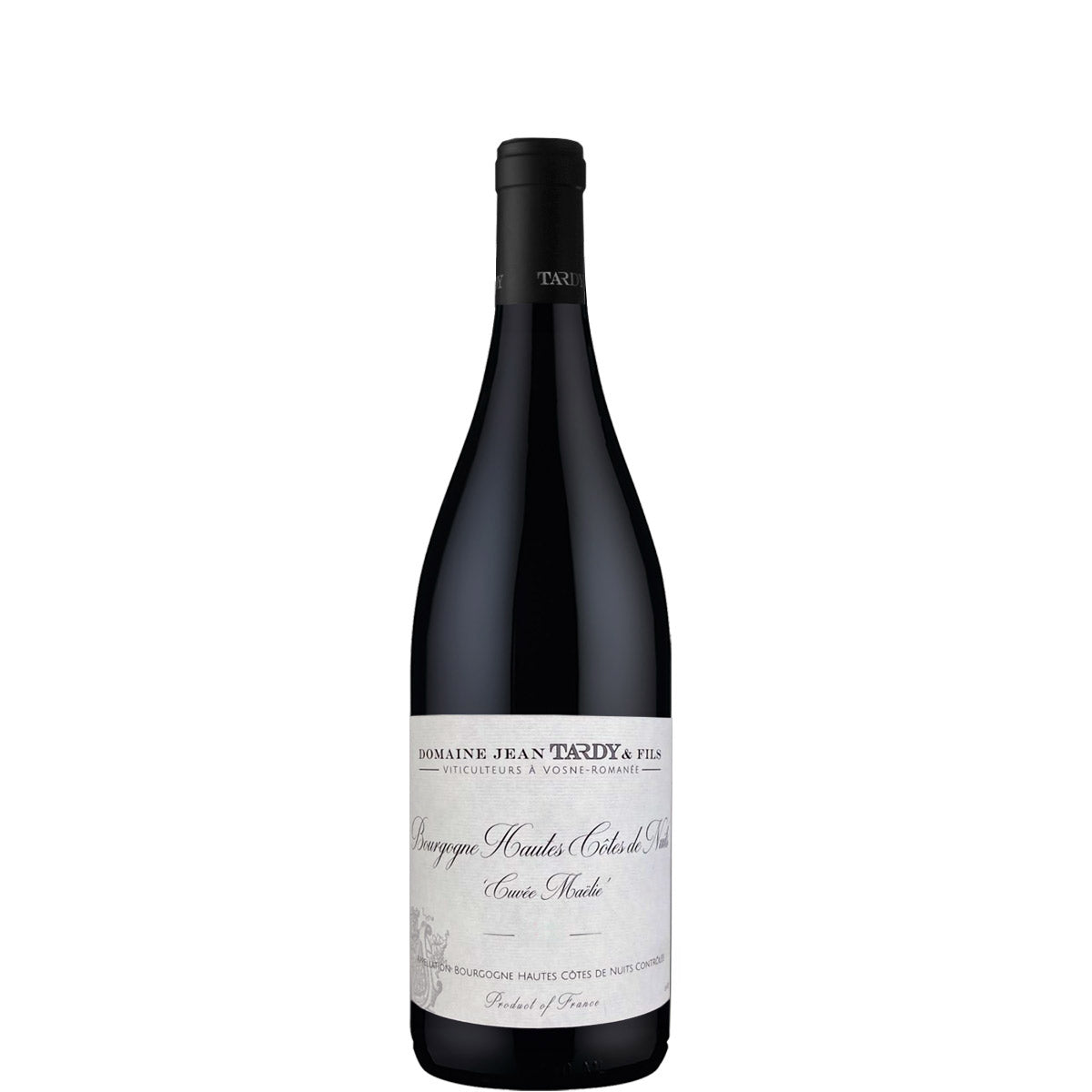
Hautes Côtes De Nuits 'Cuvée Maëlie', Domaine Jean Tardy et Fils, 2016
Hautes Côtes De Nuits 'Cuvée Maëlie', Domaine Jean Tardy et Fils, 2016
- 75cl
- 13%
- Red Still
- Pinot Noir
Couldn't load pickup availability

Optimal drinking window: Now - 2030
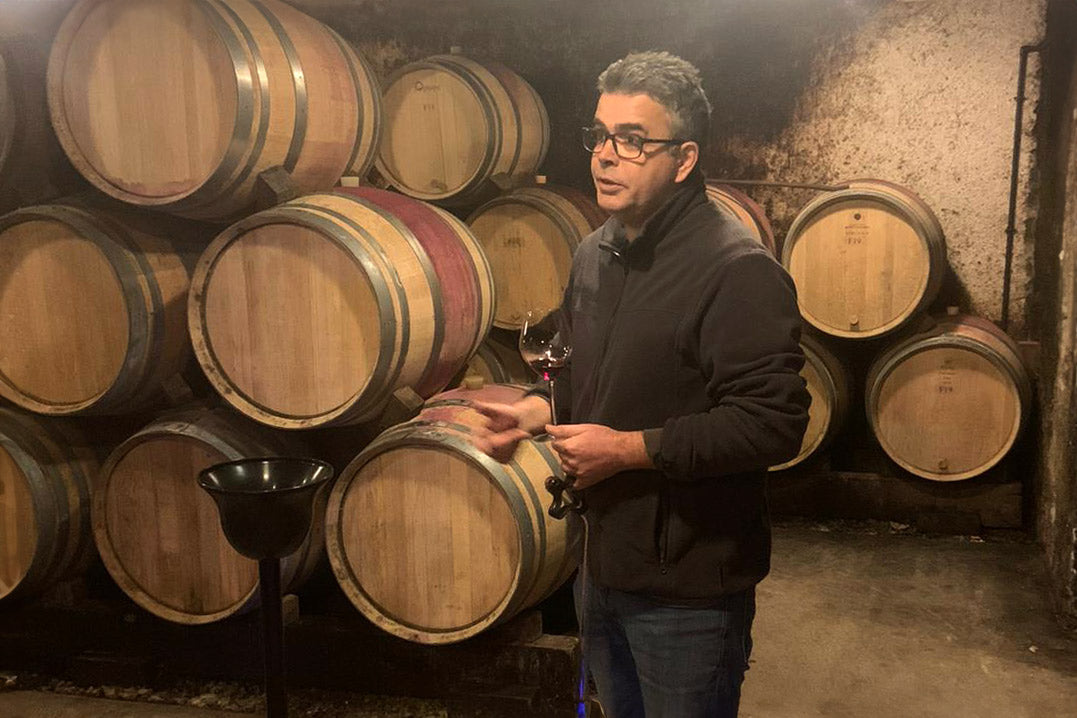
Jean Tardy is one of those quiet Burgundian names that those in the know pass around like a secret. Based in Vosne-Romanée, the domaine farms a scattering of parcels across the Côte de Nuits, and this cuvée named for daughter Maëlie comes from the higher-altitude villages above the famous côte itself.
This is pure, pretty Pinot Noir with real character. Bright red fruit, earthy undertones, and the sort of silky texture that makes you reach for a second glass before the first is finished.
At ten years old, this wine has already done most of its developing. The primary cherry fruit has softened and knitted with earthy, secondary complexity, and the tannins are fully resolved. We're in the drinking window now, and comfortably so. It won't improve significantly with further cellaring, but it won't fall apart either — it should hold at this level until around 2028 to 2030.
Tasting Notes
AppearanceClear, medium ruby with a faintly garnet rim showing the wine's age gracefully.
NoseLifted red cherry and wild strawberry lead, with a gentle undercurrent of damp earth and dried rose petal. There's a subtle woodland mushroom note that signals secondary development — this has been quietly evolving in bottle and it shows.
PalateSilky and medium-bodied with fine, well-integrated tannins and a freshness that belies the warm vintage. The fruit is ripe but not overblown — more Burgundian elegance than southern generosity — with a savoury, slightly mineral edge running through the mid-palate.
FinishClean and persistent, with a dry, earthy fade that lingers pleasantly.
Overall impressionA quietly accomplished Hautes Côtes that punches well above its appellation weight, and is drinking right in its sweet spot now.
Food Pairings
In the villages above the Côte de Nuits, this sort of wine would appear on the table alongside a classic Burgundian Sunday lunch: a poulet de Bresse roasted with butter and tarragon, or perhaps a lapin à la moutarde slow-cooked until the sauce clings. Oeufs en meurette — poached eggs in a red wine reduction with lardons and mushrooms — is another local staple that plays perfectly to the earthy, savoury qualities of village Pinot Noir. A simple plateau de fromages featuring Époisses or Comté would round out an evening happily. Nothing fancy is required; this wine is made for honest, good food.
We think this wine would go well with
Serve at around 15 to 16 degrees Celsius — slightly cooler than a full-bodied red, which suits the wine's freshness and aromatic lift. At eleven years old it doesn't need a long decant, but twenty minutes in a carafe will open it up nicely and let any slight reduction blow off. A standard Burgundy glass with a generous bowl will show it at its best, concentrating the red fruit and earthy aromatics without overwhelming them.
The Hautes Côtes de Nuits vineyards sit at altitudes of around 300 to 400 metres on the plateau above the famous Côte de Nuits villages, where the soils shift from the limestone-clay of the côte to thinner, stonier ground with more exposed limestone and marl. This elevation brings cooler temperatures and stronger diurnal variation, which preserves natural acidity and aromatics.
Hautes Côtes de Nuits is the appellation covering the villages and hamlets on the plateau above the Côte de Nuits, essentially the hills behind Gevrey-Chambertin, Vougeot, and Vosne-Romanée. The wines are made primarily from Pinot Noir for reds and Chardonnay for whites, and they sit outside the famous hierarchy of grand and premier crus. What they offer instead is honest, often very characterful Burgundy at a fraction of the price of their valley-floor neighbours — and from a conscientious producer, they can be seriously rewarding.
The 2016 growing season in Burgundy started promisingly but turned tricky, with spring frosts causing real damage in some vineyards before a warm, dry summer rescued what remained. Hail struck parts of the Côte de Beaune particularly hard, reducing yields but concentrating what survived. The harvest began earlier than usual, with growers picking healthy, ripe grapes under ideal September conditions.
What emerged from the cellars shows real class: reds with genuine depth and structure that sidestep the over-ripeness trap of some warmer years, while the whites display that brilliant tension between richness and minerality that makes great white Burgundy so compelling. The Pinot Noirs have lovely fruit intensity without losing their sense of place, and the Chardonnays show beautiful balance. We find these wines drinking beautifully now but reckon the better examples will reward patience until the late 2020s, particularly the premier and grand crus which have the stuffing to go much longer.
FAQs
What does this wine taste like?
Bright red cherry and wild strawberry with earthy, mushroomy undertones and a silky texture. It has the freshness you'd hope for from a higher-altitude Burgundy site, and the secondary complexity that comes with a decade in bottle. Savoury, elegant, and genuinely Burgundian in character.
When should I drink it?
Now is the ideal time, it's in its sweet spot — fruit and earthiness in balance, tannins fully resolved. Drink it over the next few years, and certainly before 2030.
Is it worth cellaring further?
Not really. This wine has reached its peak and will hold rather than improve. If you have bottles, start opening them — there's no reward for waiting at this stage.
What food should I serve it with?
Classic Burgundian food is the obvious answer: roast chicken, rabbit with mustard sauce, or oeufs en meurette. It's also very good with mushroom dishes and soft, washed-rind cheeses like Époisses. Straightforward, honest food suits it well.
How should I serve it?
Serve at around 15 to 16 degrees Celsius and give it twenty minutes in a carafe before pouring. A Burgundy glass with a wide bowl will show it at its best.
How does this compare to the more famous Côte de Nuits appellations?
The Hautes Côtes sits above and behind the famous villages — Vosne-Romanée, Gevrey, Nuits-Saint-Georges — on higher, cooler ground. The wines are lighter in structure and earlier-drinking than a village or premier cru from those communes, but from a serious producer like Jean Tardy they share the same Pinot Noir DNA. You're getting genuine Burgundian character at a fraction of the price.
Explore related wines


What are you looking for tonight? Tell me the occasion, a grape, a region — or just try a suggestion below.
Your recommendations will appear here.
-
-
Speak to one of our Wine Gurus
Speak to a Wine GuruWith years of experience, our team can help you with all your wine buying and selling needs