

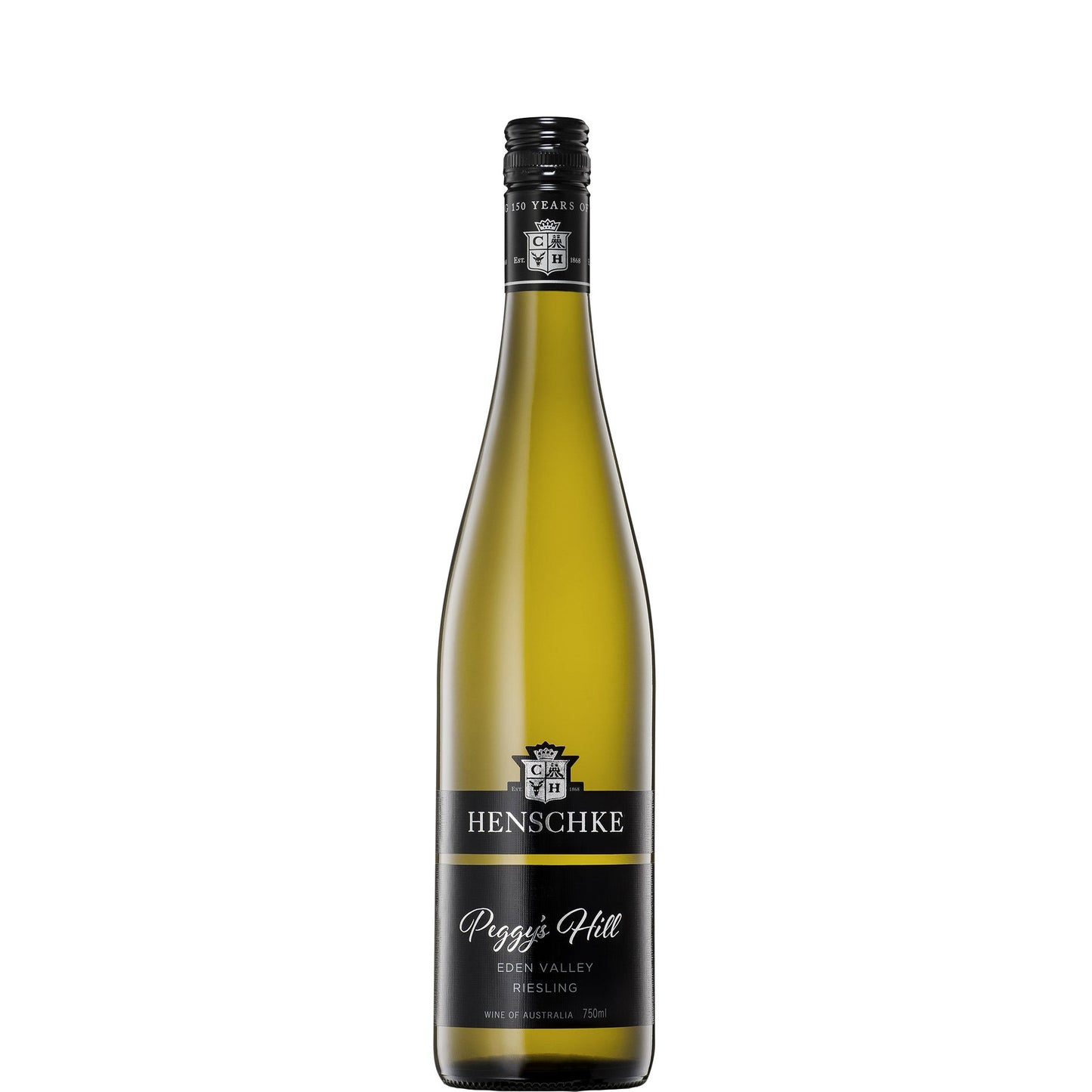
Henschke, Peggy's Hill Riesling, 2022
Henschke, Peggy's Hill Riesling, 2022
- 75cl
- 12.5%
- White Still
- Riesling
- Organic
- Biodynamic
Couldn't load pickup availability

Optimal drinking window: Now - 2030
About Henschke, Peggy's Hill Riesling, 2022
Henschke crafts some of the New World's greatest wines, with a vitality, energy and vibrancy you rarely see in Barossa. Riesling has a lesser known history in this region, likely brought over by German settlers in the 1800s, and Henschke are well-known for working wonders with this grape variety. The vineyard itself is up in the hills and shaded by trees, protecting the fruit from the intensity of Barossa's climate, and the 2022 in particular shows impressive salinity, with notes of yuzu, citrus, white flowers, lime pith and a briny, sea-spray note.
The Henschke wines are produced using biodynamic and organic methods, to preserve the quality of the vines and soil for the generations to come.
Currently showing primary lime and floral characters with that distinctive mineral backbone, this 2022 will begin developing secondary complexity around 2028-2029. The tight acidity and phenolic structure suggest the wine will gain richness and depth over the next 5-7 years, developing classic Eden Valley honeyed characters while retaining its mineral core. Peak drinking will likely occur around 2030, after which the wine will plateau gracefully for several more years before beginning its gentle decline.
What the critics say:
"An acidity-driven riesling with stone and sliced apple and juiciness at the same time. It’s medium-bodied with phenolics under the fruit and acidity. Lime zest and flowers."
"Tight, floral nose with strong lime and toast notes. Very youthful with lots of acidity. A fine, delicate example of Eden Valley Riesling which could already be enjoyed but clearly has potential for considerable development."
Tasting Notes
AppearancePale straw with a green tinge, bright and youthful.
NoseTight and mineral-driven with lime zest and white flowers taking the lead. There's a distinctive briny quality that speaks to the elevated vineyard sites, along with subtle toast development that adds complexity without overwhelming the fruit.
PalateMedium-bodied with impressive phenolic grip beneath the acidity, providing structure and texture. The lime and citrus pith dominate, but there's an underlying salinity that gives the wine its distinctive character and suggests serious ageing potential.
FinishLong and mineral with persistent lime zest and that characteristic Eden Valley salinity.
Overall impressionA Riesling built for development, showing classic Eden Valley precision and restraint.
Food Pairings
In South Australia, Eden Valley Riesling traditionally pairs with fresh seafood from the nearby coastline, particularly King George whiting and blue swimmer crab. The wine's mineral character complements char-grilled prawns with native finger lime, while its acidity cuts through the richness of Murray River cod. Local German heritage influences suggest serving alongside sauerbraten or schnitzel, where the wine's structure matches the hearty flavours. The salinity in this wine particularly suits oysters from the Spencer Gulf.
We think this wine would go well with
Serve well-chilled at 8-10°C in a tulip-shaped glass to concentrate the aromatics. No decanting required - this wine benefits from being poured straight from the bottle. Allow the wine to warm slightly in the glass to reveal its full aromatic complexity. Consider serving in smaller Riesling glasses rather than large bowls to maintain the wine's tight, focused character.
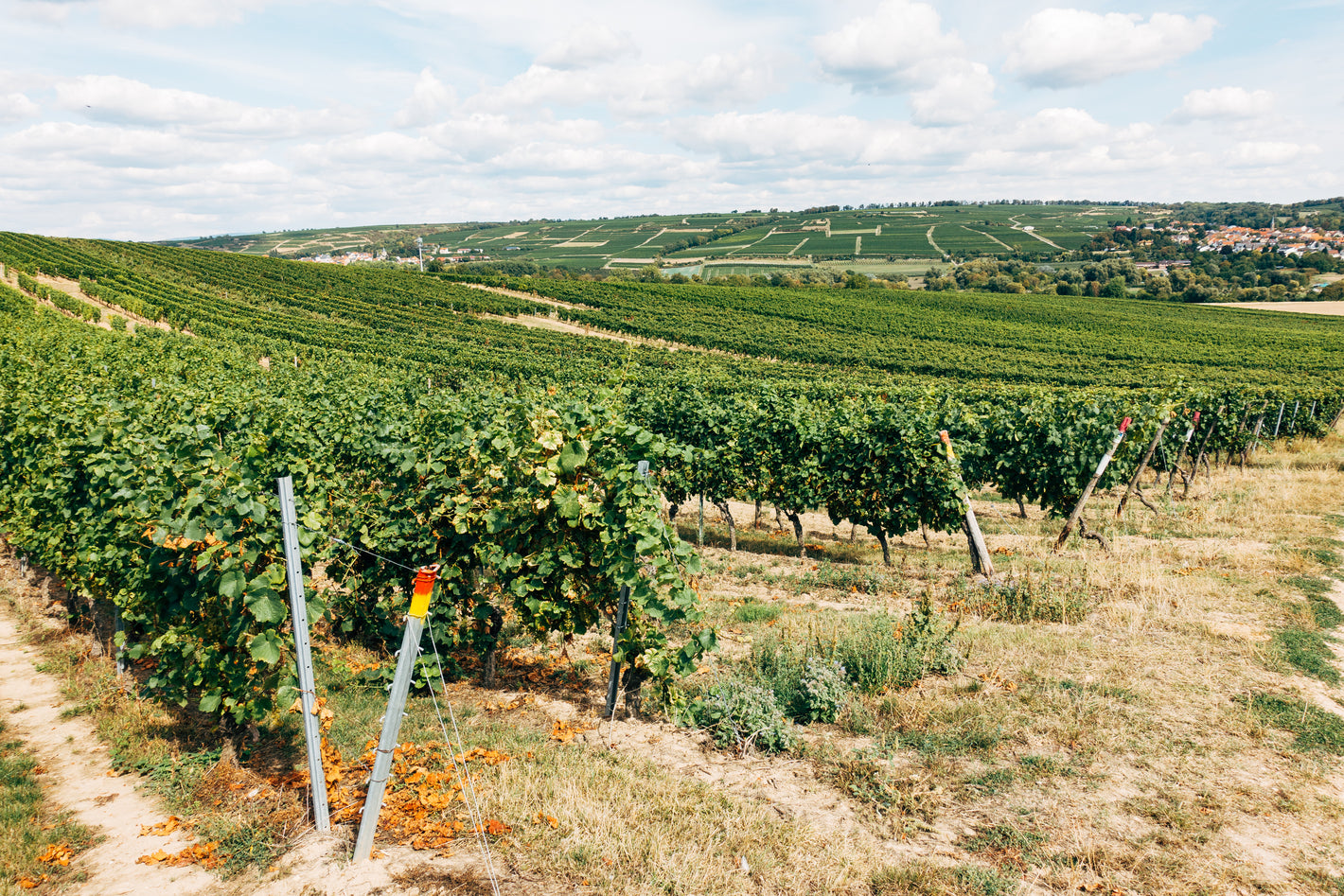
Peggy's Hill vineyard sits at elevation in the Eden Valley, where cooler temperatures and diurnal variation preserve acidity and extend the growing season. The vineyard benefits from tree coverage that provides natural shading, protecting the fruit from the intense Barossa heat while maintaining the mineral intensity that defines Eden Valley Riesling. The combination of altitude, aspect, and natural shelter creates ideal conditions for this variety's classic lime and floral character.
Eden Valley sits in the cooler, elevated eastern section of the Barossa, where altitude creates a markedly different climate from the warmer valley floor. The region has gained recognition for producing Australia's most age-worthy Rieslings, with a distinctive mineral character and natural acidity that rivals Germany's finest expressions. Unlike the Barossa Valley proper, Eden Valley's cooler sites favour aromatic varieties, particularly Riesling, which thrives in the granite and schist soils.
The 2022 Barossa tells a tale of two seasons. Winter delivered proper rainfall after years of drought stress, filling dam levels and giving vines the deep drink they desperately needed. Spring started promisingly until La Niña brought weeks of persistent rain that had growers nervously watching for disease pressure and dilution. Then summer turned the script entirely—extended dry conditions with several heat spikes pushed harvest dates later than expected, concentrating flavours but demanding careful canopy management to prevent burning.
What emerged was a vintage of surprising restraint for the Barossa, with Shiraz showing more savoury spice than the usual fruit-forward power, and Grenache displaying lovely perfume without the jammy weight we sometimes see. The reds have structure and freshness that suggests they'll age gracefully, though the best bottles are already drinking beautifully if you fancy them young. Riesling and Semillon from the Eden Valley performed particularly well, capturing bright acidity from those cooler nights. We'd celllar the serious reds until 2026, but honestly, they're rather good company right now.
FAQs
What does this Riesling taste like?
Tight and mineral-driven with lime zest, white flowers, and a distinctive briny salinity. It's more about precision and structure than tropical fruit.
What food pairs well with Eden Valley Riesling?
Excellent with fresh seafood, particularly oysters and white fish. The mineral character also complements Asian cuisine and lighter German dishes.
How should I serve this wine?
Serve well-chilled at 8-10°C in a tulip-shaped glass. No decanting needed - pour straight from the bottle and allow to warm slightly in the glass.
Is this wine worth cellaring?
Absolutely. The tight structure and acidity suggest this will develop considerable complexity over the next decade. Classic Eden Valley ageing potential.
How does this compare to German Riesling?
Similar mineral precision and ageing potential, but with distinctly Australian character. The salinity and phenolic grip are particularly Eden Valley traits.
Explore related wines


What are you looking for tonight? Tell me the occasion, a grape, a region — or just try a suggestion below.
Your recommendations will appear here.
-
-
Speak to one of our Wine Gurus
Speak to a Wine GuruWith years of experience, our team can help you with all your wine buying and selling needs