
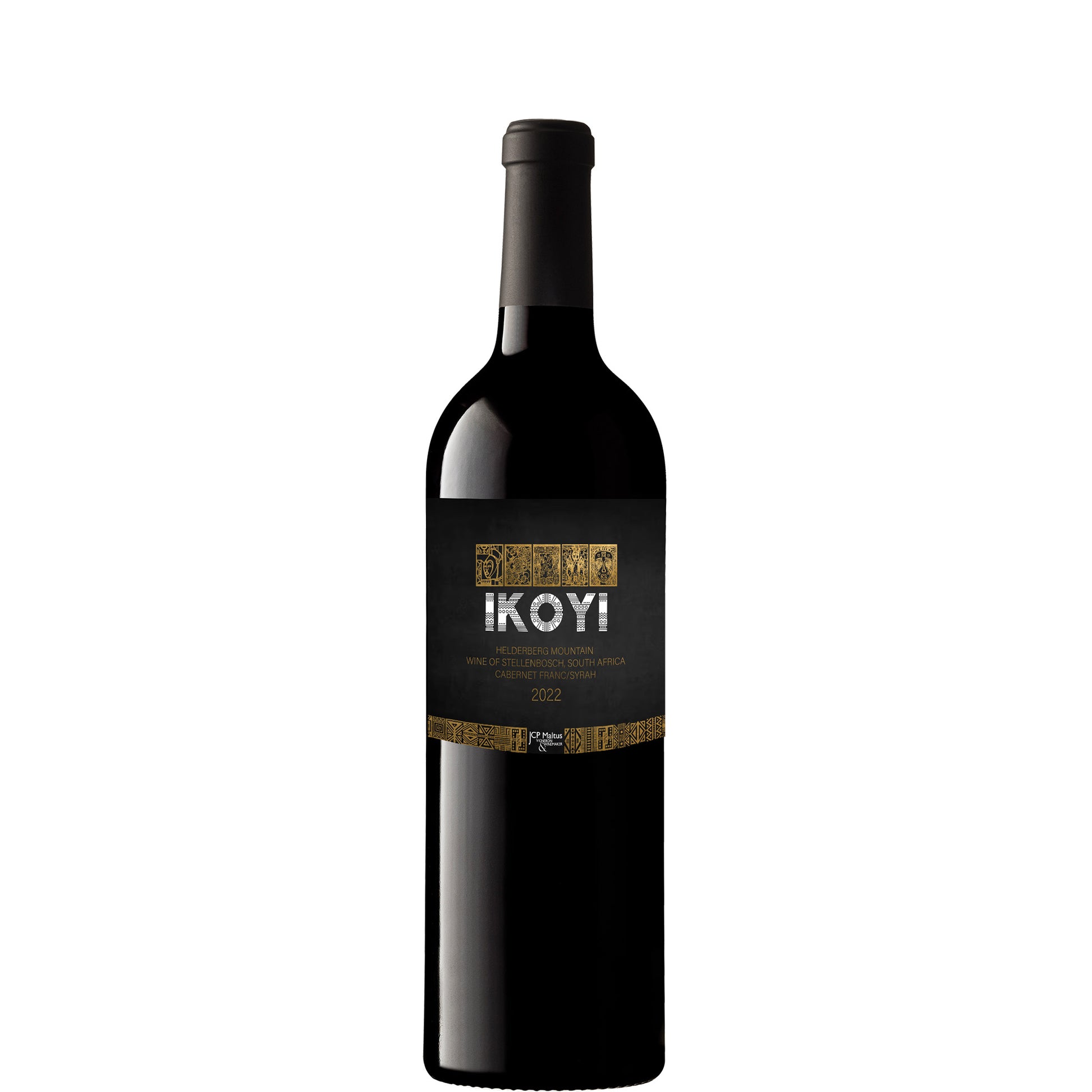
IKOYI Red, 2022
IKOYI Red, 2022
- 75cl
- 14%
- Red Still
- Cabernet Franc, Syrah
Couldn't load pickup availability

Optimal drinking window: Now - 2030
"The immediacy, and aromatic brightness and freshness is uplifting, like a cool breeze wafting past scented with damsons, new leather and Christmas spices. Notes of smoked paprika, lavender, plum skin, boysenberry and nori are teased out latterly, and the oak is already well integrated. Such a sophisticated, positively aristocratic nose, it does not immediately shout South Africa and perhaps shows Jonathan’s “Old World wines in the New World approach”. The palate is similarly lively on the attack with a mid-palate succulence built around ripe black cherries, vanilla pod, cacao nibs and cherry tobacco, but the high-toned cedary, herbal tannins, and a brisk vein of lithe and spicy acidity ensure both length and precision. Rianie deliberately chose a leaner, more focussed Cabernet Franc on which to base the blend which is nicely rounded out by 20% plumper, darker Syrah fruit. This should age with commendable grace and style over the next few years."
Tom Harrow, Head Wine Guru
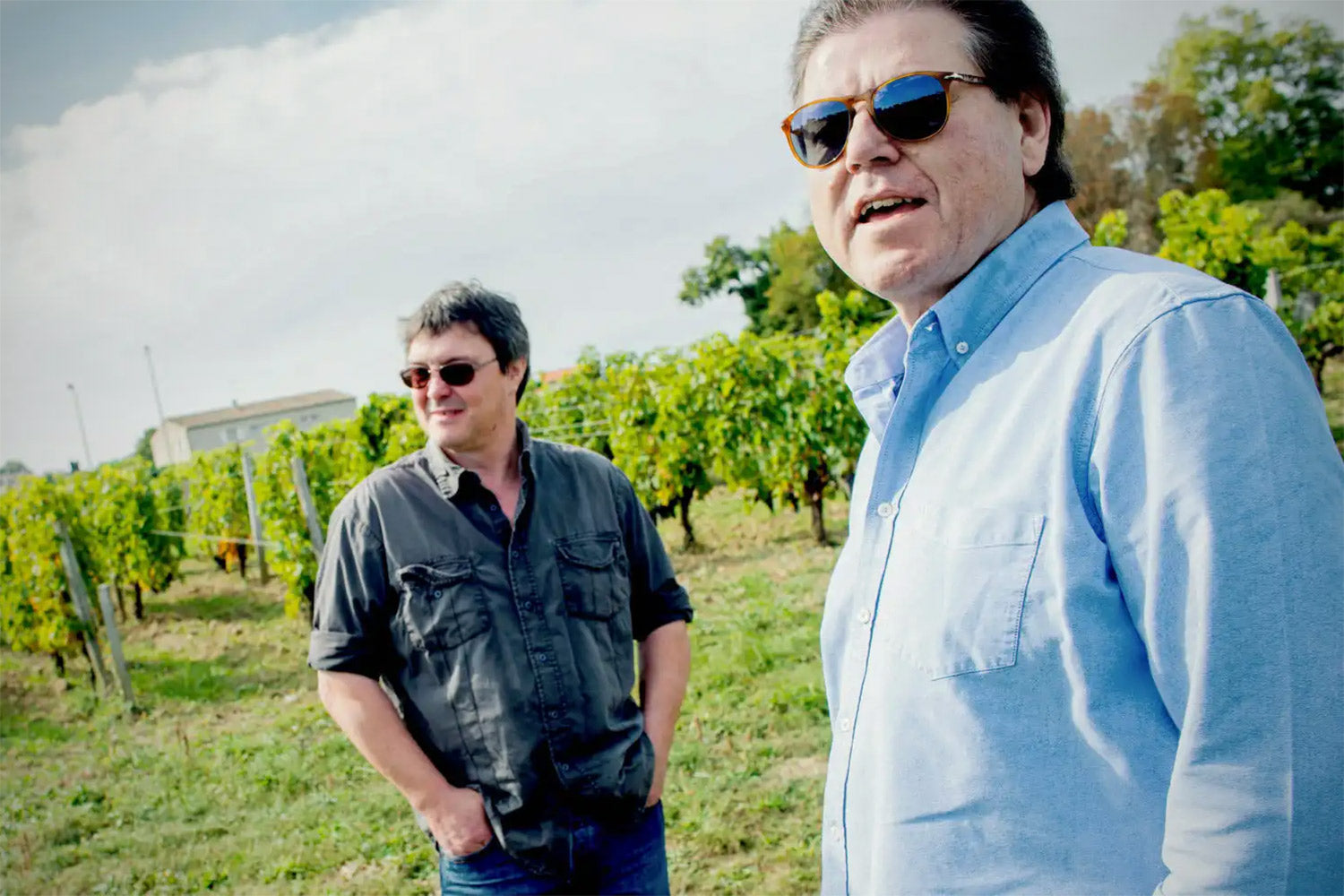
Focussing on a favourite variety of ours, Cabernet Franc, we were keen to work with Jonathan Maltus OBE, one of the original Saint Émilion garagistes, whose pioneering Le Dôme remains the largest expression of the variety (80% of the blend) in Bordeaux.
"Cool, ripe, perfumed, with a dry structure wrapped in a sinewy rubbing of fruit and pepper, the cool structure allowing the sinewy savoury character to show through, with a fresh grain of chalky tannin and a dry grip to the lingering finish. A nicely structured red blend here, with cellaring potential."
Chris Kissack, Wine Doctor (Aug-2026)
Jonathan teamed up with Cape Winemakers Guild member Rianie Strydom of Strydom Family Wines, who sourced the best quality, sustainably-farmed grapes from vines planted in 2010 on the northern slopes of the vaunted Helderberg region in Stellenbosch. The nearby False Bay coastline ensures cool, often breezy weather, which extends the ripening period, enabling better structure and complexity. The soils on this site comprises deep red earth with 30% clay and granite.
Right now, in 2026, the wine is in a lively, expressive early phase — the fruit is vivid and the tannins are present but not obstructive, making it genuinely enjoyable to drink. Over the next two to three years the primary fruit will begin to integrate more fully with the oak, and the Cabernet Franc's herbal, cedary character will start to develop a more complex, savoury dimension. By around 2029 to 2031 we would expect the wine to hit a real sweet spot, with the acidity and tannin structure having knitted together and the secondary complexity beginning to emerge.
Tasting Notes
AppearanceDeep, luminous ruby with a vivid violet rim that signals youth with confidence.
NoseThere is an immediacy here that arrests you — damsons, new leather, and Christmas spice arriving in a cool, aromatic rush. Dig in and you find smoked paprika, plum skin, dried lavender, and something faintly saline and umami, like nori. The oak is already folded in rather than sitting on top, which speaks well of the raw material underneath.
PalateLively and precise on the attack, with ripe black cherry and a mid-palate richness built around vanilla pod, cacao nibs, and cherry tobacco. The Cabernet Franc backbone asserts itself through high-toned, cedary tannins and a brisk, spicy acidity that keeps everything taut, while the 20% Syrah rounds off the edges with a little dark plum weight.
FinishLong, herbal, and precise — the kind of finish that lingers in a cedar and dried cherry direction and makes you reach for the glass again.
Overall impressionAn Old World soul in a Southern Hemisphere body, built to age with real distinction.
Food Pairings
In the Cape Winelands, a wine like this would find its match alongside slow-braised Karoo lamb with rosemary and preserved lemon, the gentle sweetness of the meat pulling the cedar and spice into focus. Boerewors cooked over coals with a chakalaka relish works beautifully with the Syrah's darker fruit element. Further afield, a dish of duck breast with a cherry reduction and bitter chocolate would be equally at home, as would a aged hard cheese like Simonsberg Mature Cheddar from just down the road. The wine's structure means it can handle a good amount of fat and flavour without flinching.
We think this wine would go well with
Serve at around 17°C — cool enough to keep the acidity fresh and the aromatics lifted, but not so cold that the tannins clamp shut. It will benefit from at least 45 minutes in a decanter; the nose opens considerably with air and the palate softens into something more generous. A standard Bordeaux-style tulip glass will do the job well, giving the aromatic complexity room to gather.
The grapes come from vineyards planted in 2010 on the northern slopes of the Helderberg, one of Stellenbosch's most respected pockets. Soils are deep red earth with around 30% clay and granite, giving both water retention and the kind of mineral backbone that keeps a wine honest. The False Bay coastline is close enough to push cool, brisk winds across the vines throughout the growing season, slowing ripening and building the structural detail that makes this blend tick.
Stellenbosch is the heartland of serious South African red wine, a region that has spent the last three decades quietly proving it can produce Cabernet-based reds as compelling as anywhere in the world. The Helderberg subregion, where these vines sit, is particularly prized for its elevation, maritime influence, and granitic soils, producing wines with a finesse that sets them apart from the broader, warmer valley floor. There are no rigid appellation rules governing grape varieties or yields here in the way Bordeaux has them, which gives producers like Jonathan Maltus and Rianie Strydom the freedom to make wine on their own terms.
The 2022 vintage in Stellenbosch arrived with the kind of unpredictability that keeps winemakers on their toes. A wet winter provided excellent soil moisture reserves, but spring brought variable conditions that extended flowering and set up uneven ripening later on. The defining challenge came during harvest when persistent rain interrupted picking schedules, forcing producers to be ruthlessly selective about when and what they brought into the cellar.
What emerged is a vintage of surprising freshness and precision, particularly from those who waited out the weather. The Cabernet Sauvignon shows lovely balance rather than the power-first approach of recent hot years, with genuine structure beneath the fruit. Chenin Blanc absolutely shone, developing beautiful texture while keeping its natural acidity intact. We're finding these wines drink beautifully now, offering immediate pleasure while having the backbone to develop gracefully over the next five to eight years.
FAQs
What does IKOYI Red taste like?
Think ripe black cherry, damsons, and plum skin on the nose, with smoked paprika, dried lavender, and a saline edge. On the palate it is lively and precise, with cacao nibs, cherry tobacco, and vanilla pod balanced by firm, cedary tannins and a spicy acidity that gives it real length. It is structured rather than opulent, and unmistakably Cabernet Franc in its bearing.
When should I drink this wine?
It is already very good — open a bottle now with confidence. That said, it will reward patience. We think the wine will hit its stride between 2029 and 2031, when the fruit and oak have fully integrated and the secondary complexity comes through. It should drink well until around 2033.
Who is behind this wine?
IKOYI Red is a collaboration between Jonathan Maltus OBE, the British garagiste behind Saint-Emilion's Le Dôme, and Rianie Strydom, Cape Winemakers Guild member and winemaker at Strydom Family Wines. Jonathan brings an Old World perspective to the blend; Rianie brings deep knowledge of the Helderberg fruit. It is a genuinely interesting partnership, and the wine shows it.
What food should I serve with this wine?
Slow-braised lamb is the classic match — the wine's structure and herbal tannins love a bit of fat and rosemary. Duck with cherry sauce works equally well, as does aged hard cheese. If you are cooking over coals, this will hold its own against most things that come off a South African braai.
How should I serve it?
Around 17°C is ideal. Decant for at least 45 minutes — the nose opens up considerably and the palate becomes more generous with air. A Bordeaux-style tulip glass is all you need.
Is this worth cellaring?
Yes, genuinely. The Cabernet Franc backbone and brisk acidity give it the architecture to age, and the winemaking is restrained enough not to get in the way. We would hold back at least half a case until 2029 and see how it is developing. The upside is real.
Explore related wines


What are you looking for tonight? Tell me the occasion, a grape, a region — or just try a suggestion below.
Your recommendations will appear here.
-
-
Speak to one of our Wine Gurus
Speak to a Wine GuruWith years of experience, our team can help you with all your wine buying and selling needs