

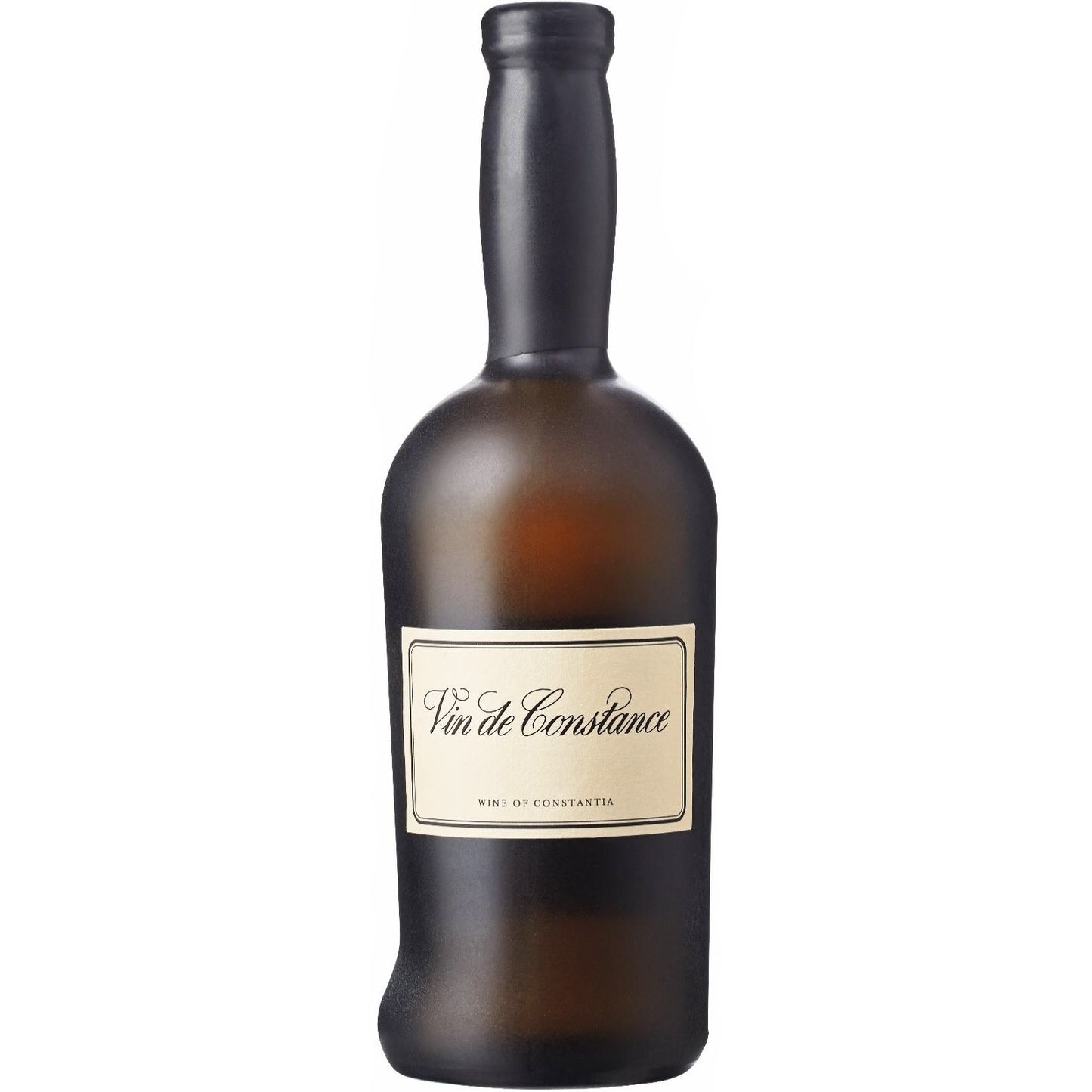
Klein Constantia, Vin De Constance, 2023 - Magnum
Klein Constantia, Vin De Constance, 2023 - Magnum
- 150cl
- 14%
- Dessert
- Muscat de Frontignan
Couldn't load pickup availability

Optimal drinking window: 2026 - 2060
Est. delivery in 2027
Vin de Constance is one of wine's great comeback stories. This is the wine that seduced Napoleon in exile, that Baudelaire wrote about, that Jane Austen's characters sipped for comfort — and Klein Constantia brought it back from near-extinction in 1986 when the estate was revived.
Made from late-harvested Muscat de Frontignan on the cool, south-facing slopes of Constantia, it is a naturally sweet wine of extraordinary refinement: rich but never cloying, perfumed but never fussy, with an acidity that keeps everything honest.
What the critics say:
"As ever, this is just pure pleasure, and full of grace, apricot puree, intense and concentrated, with the most beautiful balance of citrus, grilled pineapple, truffle, fennel, uplift and joy. Matthew Day winemaker, 90ha estate, 18 months in 50% new 500L Hungarian and French oak barrels, followed by 16 months in large oak casks, 162g/l residual sugar."
"Concentrated aromas of dried apricots, pineapple, caramel and honey. It’s full-bodied with a dense, intense finish, showing spices, limes, dried fruit and some toffee. Very sweet but balanced and fresh. A triumph for this South African estate. One of the best ever. Drink or hold."
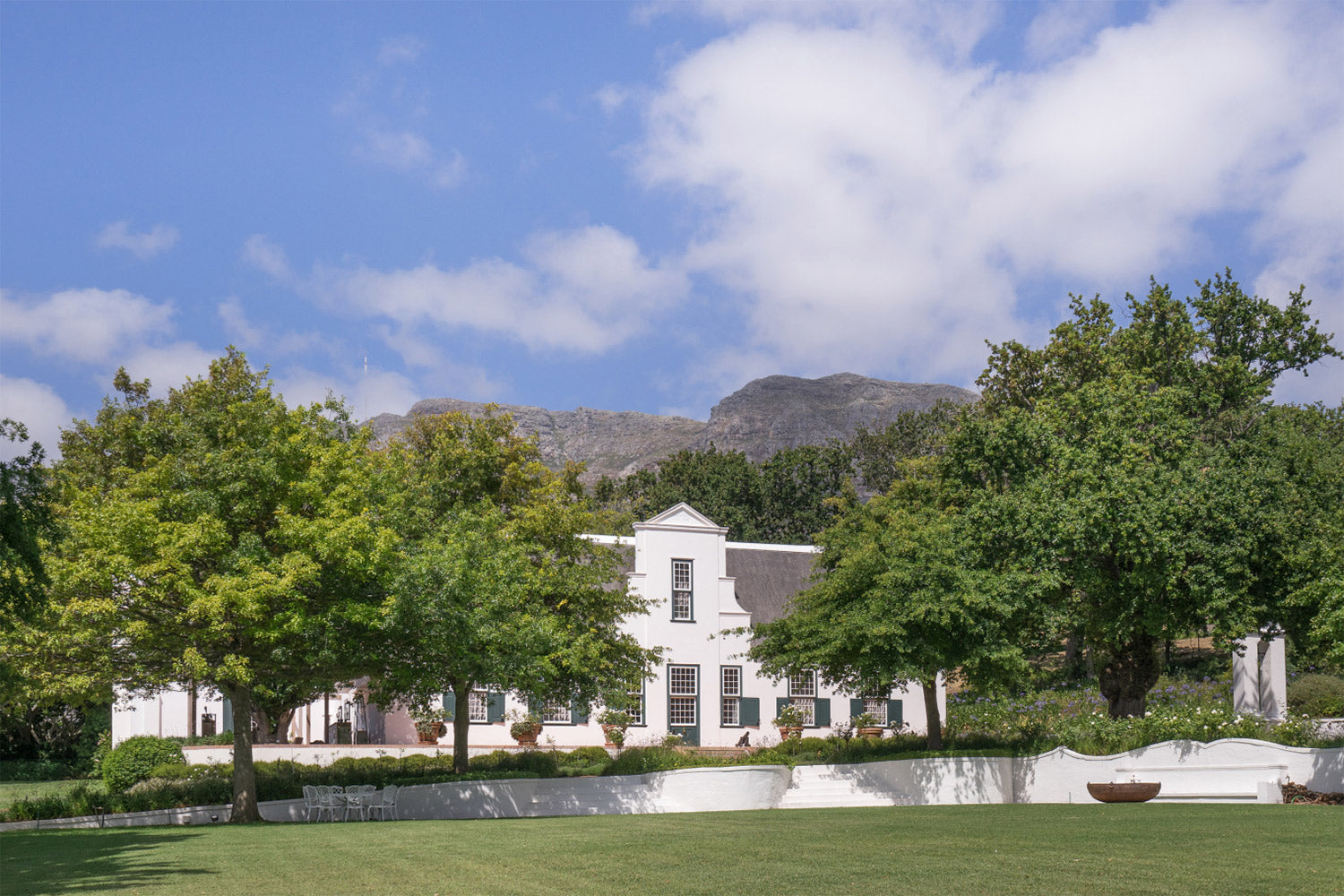
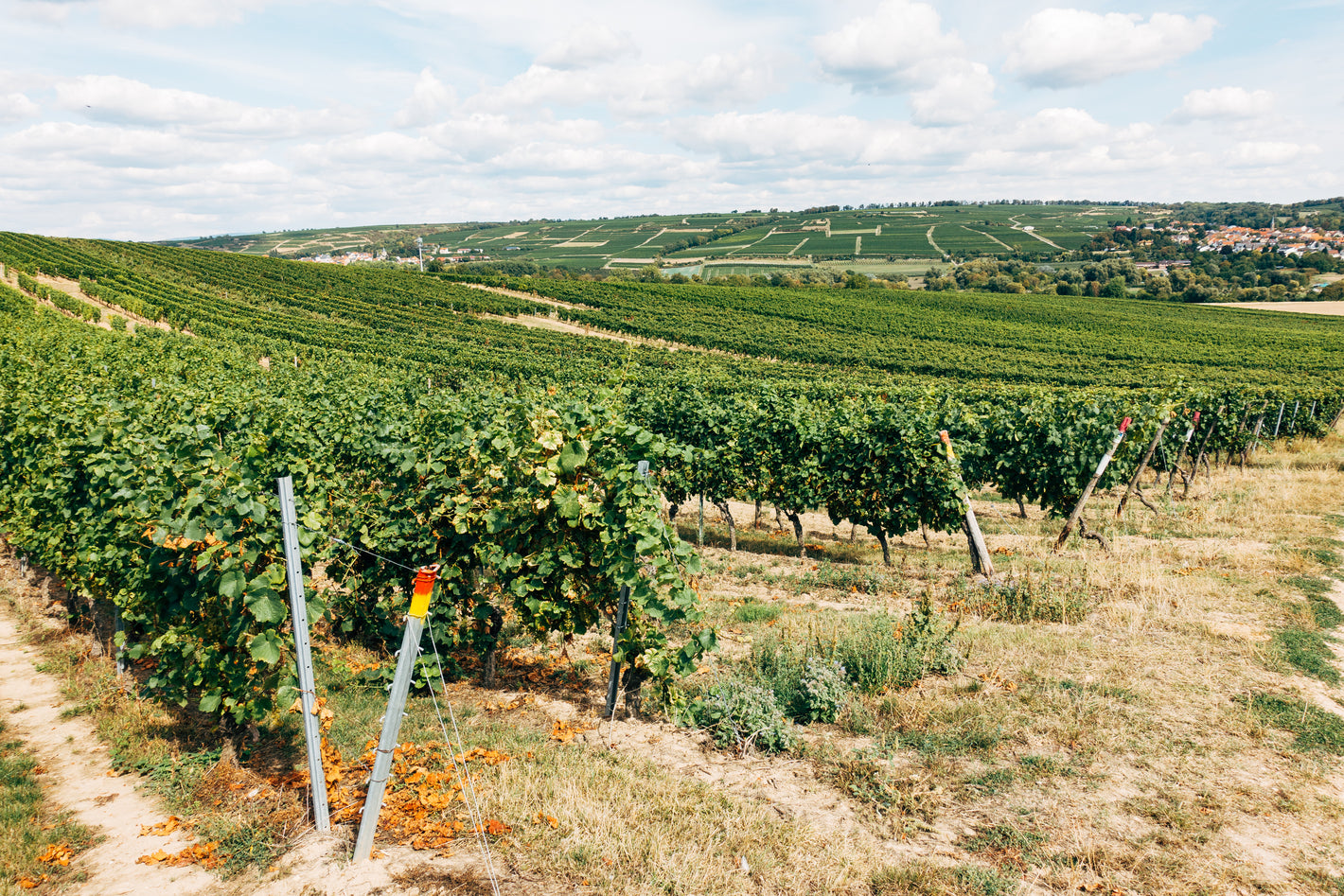
The vineyards for Vin de Constance sit on the south-facing slopes of the Constantia Valley, cooled by the Cape Doctor wind off False Bay. Granitic, well-drained soils provide low vigour and small berries — ideal for the concentration needed in a naturally sweet wine. The altitude and aspect mean ripening is gradual, allowing the Muscat to develop perfume and sugar simultaneously without losing its essential freshness.
Constantia is one of South Africa's oldest wine-producing regions, tucked into the southern peninsula of the Cape just outside Cape Town. Its cool climate, shaped by proximity to two oceans, sets it apart from warmer inland regions like Stellenbosch and Swartland. Historically, the valley was world-famous for its sweet Constantia wines before phylloxera and political upheaval ended production in the nineteenth century. Today it produces both excellent dry whites and this single iconic sweet wine.
Constantia's 2023 growing season was shaped by a relatively cool, dry summer — the kind that this narrow, ocean-facing peninsula does well with, where the Cape Doctor and Atlantic influence keep temperatures honest even when the rest of the Western Cape is baking. Yields were on the lower side, which tends to concentrate rather than complicate things. The result is a vintage that rewards rather than demands: wines with good natural acidity, genuine freshness, and structure that doesn't feel forced.
Sauvignon Blanc — still the region's calling card — came out with the precision and tension that makes Constantia worth caring about in a world drowning in the variety. The Muscat de Frontignan wines, including expressions from the historic Constantia estate, show real depth and aromatic intensity. Most whites are drinking well now and will continue to do so over the next three to five years, though the better-structured examples will reward another year or two in the rack.
OUR GROWERS
Klein Constantia
Explore related wines


-
-
Speak to one of our Wine Gurus
Speak to a Wine GuruWith years of experience, our team can help you with all your wine buying and selling needs