

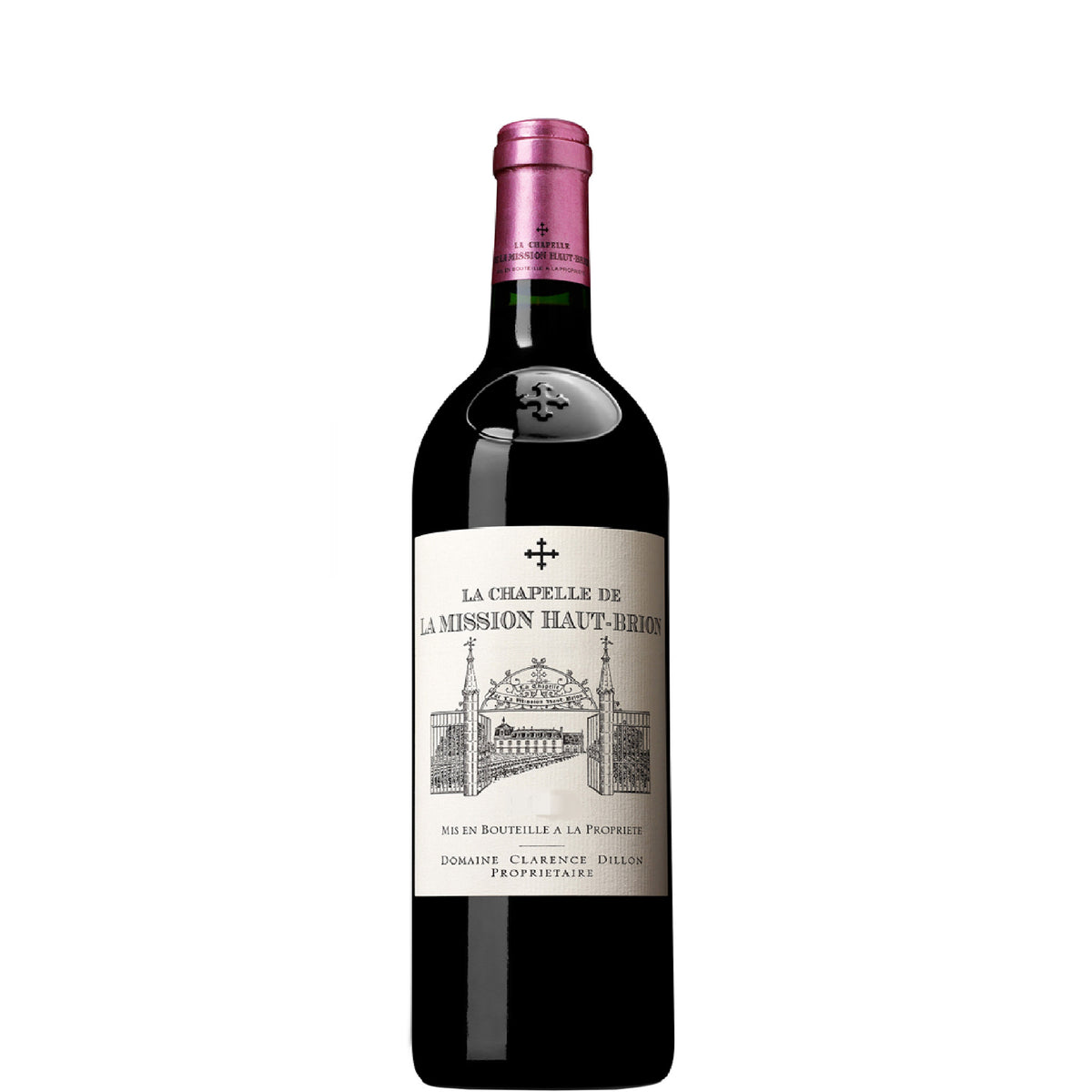
La Chapelle de la Mission Haut-Brion, 2019
La Chapelle de la Mission Haut-Brion, 2019
- 75cl
- 14%
- Red Still
- Merlot, Cabernet Sauvignon, Cabernet Franc
Couldn't load pickup availability

Optimal drinking window: Now - 2042
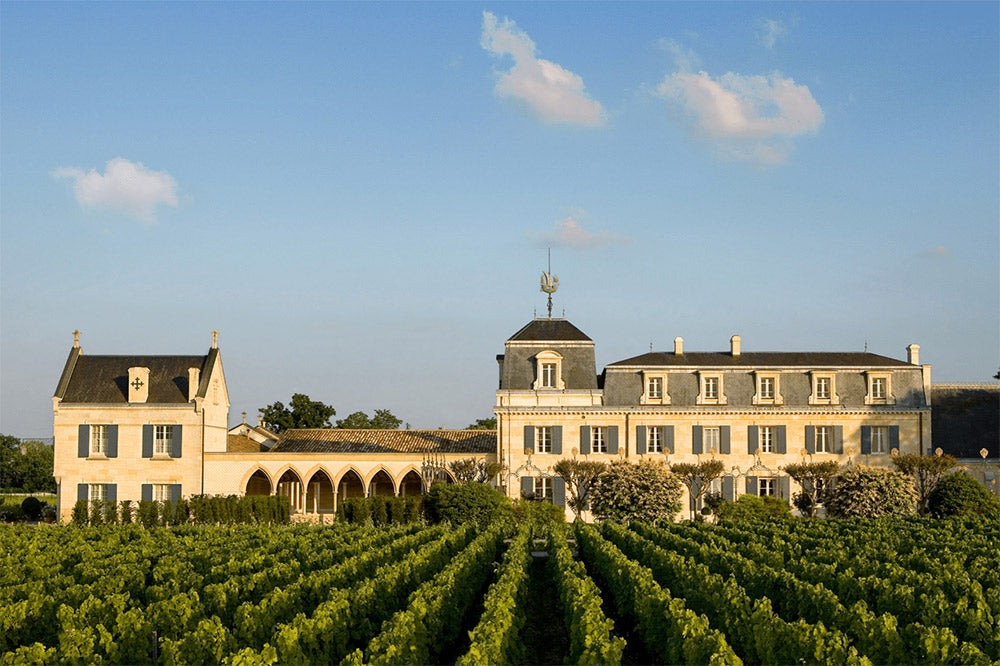
The signature opulence without a decade-long wait, La Chapelle represents the second wine of Château La Mission Haut-Brion, one of Pessac-Léognan's most revered estates.
This Merlot-led blend captures all the estate's famous sensuality and power in a more approachable package, showing the warm, exotic character that makes La Mission so distinctive among the Graves greats.
Currently showing primary dark fruit with hints of the secondary complexity to come. Over the next two to three years, expect the fruit to integrate further with the oak, developing more pronounced cedar and tobacco characteristics. Peak drinking will likely arrive around 2030-2035, when the wine will show full harmony between fruit, structure, and those distinctive mineral notes. The wine should maintain its elegance and complexity until the early 2040s, when it may begin to show more evolved, earthy characteristics.
What the critics say:
"The second wine from this great estate, the 2019 La Chapelle De La Mission Haut-Brion is based on 50% Merlot, 46% Cabernet Sauvignon, and the balance Cabernet Franc. It might be the second wine of the vintage and has plenty of classic La Mission sexiness and opulence as well as textbook notes of sweet red and black currants, tobacco leaf, exotic spice, acacia flowers, and lead pencil. Full-bodied, round, expansive, and powerful, yet also light on its feet and flawlessly balanced, it's a stunning Pessac in its own right to enjoy over the coming 20 years or so."
"Wonderfully perfumed with violets and essence of raspberries that follow through to a medium to full body with totally integrated tannins that are tight and poised. You almost can’t “see” the tannins, but you feel them. Best after 2025, but already so pretty."
Tasting Notes
AppearanceDeep garnet with a youthful purple rim, showing good concentration without excessive extraction.
NoseDark plum and blackcurrant lead, followed by cedar shavings and a hint of tobacco leaf. There's an underlying graphite minerality that speaks of great Graves, plus subtle vanilla from well-integrated oak. The aromatics are refined rather than exuberant — classic Haut-Brion restraint.
PalateMedium to full-bodied with excellent balance between fruit concentration and structural elegance. The tannins are firm but polished, providing backbone without harshness. Dark fruit flavours are supported by savoury notes of cedar, graphite, and dried herbs. The acidity is well-judged, giving freshness without being sharp.
FinishLong and mineral-driven, with tobacco and cedar notes lingering alongside persistent dark fruit.
Overall impressionA wine that embodies Haut-Brion's signature elegance whilst offering more approachable pleasure than the grand vin.
Food Pairings
In Bordeaux, this style of wine traditionally accompanies the region's rich, earthy cuisine. Think côte de boeuf grilled over vine prunings, served with cèpes from the nearby Périgord forests. Locals might pair it with confit de canard, where the wine's minerality cuts through the rich duck fat, or with aged Roquefort from the south — a combination that highlights both the wine's fruit and its savoury complexity. Game birds like pigeon or woodcock, simply roasted with herbs, allow the wine's elegance to shine whilst providing enough richness to match its structure.
We think this wine would go well with
Serve at 17-18°C to allow the aromatics to express themselves fully. Decant for 90 minutes to two hours — this will help integrate the tannins and allow the cedar and tobacco notes to emerge. Use large Bordeaux glasses to concentrate the aromas whilst providing enough space for the wine to breathe. If drinking young, longer decanting will help; if holding for a decade, gentle decanting just to remove sediment will suffice.
The vineyards lie on the famous gravel mounds of Pessac-Léognan, where deep gravel beds over clay subsoil provide excellent drainage whilst retaining enough moisture for the vines during dry periods. This warm terroir, situated closer to Bordeaux city than most classified growths, benefits from an earlier ripening microclimate. The gravelly soils impart that distinctive mineral backbone that separates great Graves from merely good ones, whilst the clay beneath ensures the wines retain freshness even in warm vintages.
Pessac-Léognan represents the heart of the historic Graves region, elevated to its own appellation in 1987 to distinguish the area's finest châteaux. Unlike the Médoc's focus on Cabernet Sauvignon, Pessac-Léognan allows Merlot and Cabernet Franc to play more prominent roles, creating wines with earlier appeal but no less ageing potential. The appellation's proximity to Bordeaux city and its unique gravel terroir produce wines with a distinctive elegance — less austere than Pauillac, more structured than Saint-Julien.
The 2019 growing season in Bordeaux delivered exactly what vignerons dream about: a textbook combination of winter rain to replenish the soils, a warm spring that encouraged even budbreak, and crucially, a bone-dry summer that stressed the vines just enough without cooking them. September brought the perfect finale with warm days and cool nights, allowing grapes to ripen slowly while retaining their natural acidity. Harvest began in mid-September under ideal conditions, with pickers working through October to capture each variety at optimal ripeness.
What emerged from the cellars shows all the hallmarks of a properly made vintage: the Merlot displays that gorgeous plush fruit character without any jammy excess, while Cabernet Sauvignon achieved full phenolic ripeness with structured tannins that feel ripe rather than harsh. We find these wines have a lovely immediacy about them—they're not the brooding, backward style that demands decades of patience, but rather wines with enough backbone to age gracefully while offering genuine pleasure from release. Most are drinking beautifully now and will continue to develop over the next 15-20 years, making this one of those vintages that works for both early drinkers and patient cellars.
FAQs
What does this wine taste like?
Dark plum and blackcurrant with cedar, tobacco leaf, and graphite minerality. It's elegant rather than powerful, with firm but polished tannins and a long, savoury finish.
How does this compare to the main Haut-Brion wine?
Chapelle de la Mission shares the elegance and mineral backbone of the grand vin but offers more approachable fruit and earlier drinking pleasure, though it still rewards patience and proper cellaring.
When should I drink this wine?
Whilst technically drinkable now, we'd recommend patience until 2028-2030 for optimal enjoyment, with peak drinking likely in the early 2030s. It will remain excellent until the early 2040s.
What food pairs well with this wine?
Classic matches include roasted beef, game birds, or aged hard cheeses. The wine's elegance makes it particularly good with simply prepared dishes that won't overwhelm its subtle complexity.
Should I decant this wine?
Yes, decant for 90 minutes to two hours to allow the tannins to integrate and the cedar and tobacco notes to emerge. Use a large Bordeaux glass for optimal aromatics.
Is this wine worth cellaring?
Absolutely. This vintage has excellent structure for ageing and will develop considerable complexity over the next decade. Proper storage will reward patience with increased harmony and depth.
OUR GROWERS
Château La Mission Haut-Brion


What are you looking for tonight? Tell me the occasion, a grape, a region — or just try a suggestion below.
Your recommendations will appear here.
-
-
Speak to one of our Wine Gurus
Speak to a Wine GuruWith years of experience, our team can help you with all your wine buying and selling needs