

La Giaretta, Cor Di Vin 95 Rosso, 2019
La Giaretta, Cor Di Vin 95 Rosso, 2019
- 75cl
- 14.5%
- Red Still
- Corvina, Corvinone, Rondinella
Couldn't load pickup availability

Optimal drinking window: 2026 - 2032
La Giaretta farms in the Valpolicella hills above Verona, and Cor Di Vin 95 Rosso is their nod to a house style that predates the modern obsession with Amarone and Ripasso: a round, Corvina-led blend built for pleasure rather than ceremony. 2019 was a kind vintage here, warm but not punishing, and it shows in the wine's generosity.
Expect a Veneto red that over-delivers for what it asks of you: soft tannins, a dark cherry heart, and that distinctive bitter-almond lift Corvina brings to the party. It is drinking well now and has no pretensions to decades in the cellar, so treat it as a wine for the table rather than the vault, best opened between now and 2032.
At seven years old, the 2019 is already drinking well — the fruit is vivid and the tannins are polished enough to enjoy now. Over the next two to three years, the primary cherry and plum notes will begin to integrate more fully with the oak, and secondary characteristics like dried fig, leather, and balsamic should start to emerge. The window of peak drinking is probably 2026 to 2030, when the wine should be at its most complex and harmonious. Push much beyond 2032 and you risk the fruit beginning to fade faster than the structure softens — this is a wine built for medium-term pleasure, not decades of cellaring.
Tasting Notes
AppearanceDeep, almost inky ruby-garnet with very little light at the rim — this is a dense, serious-looking wine.
NoseBlack cherry, cassis, and dried plum lead the charge, followed by cola, tobacco, and a suggestion of dark chocolate. Fifteen months in French oak adds a whisper of vanilla and sweet spice without smothering the fruit.
PalateFull-bodied and velvety, with the concentrated dark fruit you'd expect from appassimento-dried grapes, but enough acidity to keep things moving rather than sitting heavy. The tannins are ripe and silky — polished by the oak — and there's a lovely warmth that builds through the mid-palate.
FinishLong, warming, and gently spiced, with dried cherry and a flicker of cocoa lingering well after the glass is down.
Overall impressionA bold, generous Veneto red that punches well above its weight for the price — Amarone swagger at a fraction of the cost.
Food Pairings
In the Veneto, a wine this concentrated would be poured alongside brasato all'Amarone — beef braised low and slow in red wine until it falls apart. Game birds, particularly faraona (guinea fowl) roasted with herbs, are another natural match, as is the region's beloved pastissada de caval, a horse-meat stew that sounds alarming and tastes extraordinary. A wedge of aged Parmigiano Reggiano or Monte Veronese stravecchio works brilliantly too, the salt and crystalline texture cutting through the wine's richness. If you're keeping it simple, a plate of cured meats — soppressa Vicentina above all — wouldn't go amiss.
We think this wine would go well with
Serve at around 17-18°C — any cooler and the fruit closes in on itself, any warmer and the alcohol starts to dominate. This wine will benefit from at least 45 minutes in a decanter, ideally a full hour; it opens up considerably with air and sheds a little of its initial density. A large-bowled Burgundy or Bordeaux glass gives it the room it needs to breathe and show its full aromatic range.
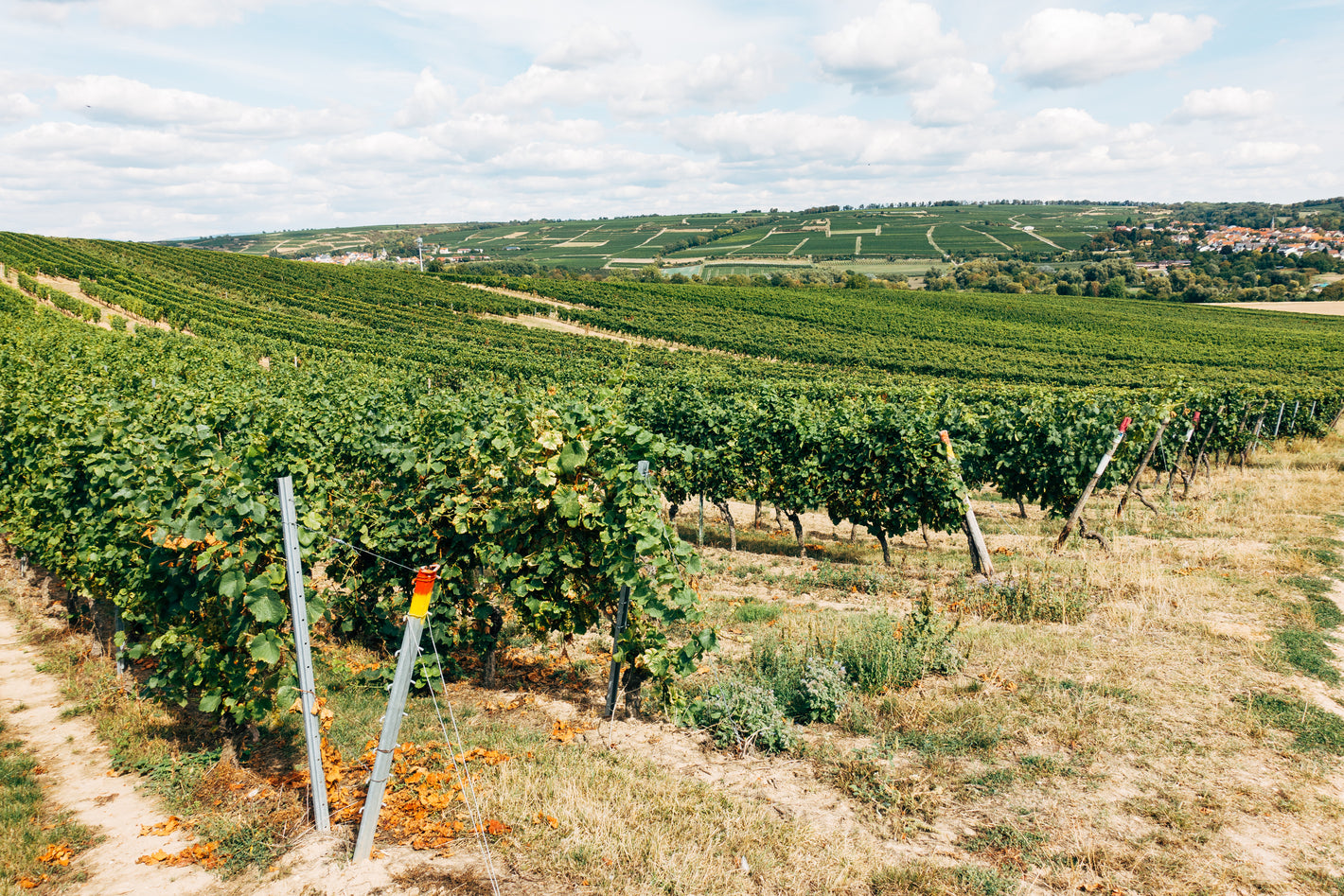
La Giaretta's vineyards sit in the hills around Valpolicella Classico, where the combination of calcareous clay and limestone soils gives the wines their characteristic structure and minerality. The elevated positions ensure good diurnal temperature shifts, which help preserve freshness even in a wine this rich and concentrated. The appassimento process means the grapes spend weeks drying on bamboo racks after harvest, losing water weight while intensifying sugar, colour, and flavour — a technique that demands very healthy fruit from a well-managed site.
The Veneto is Italy's most prolific wine region by volume, but the Valpolicella zone — and in particular its Classico heartland — is where the real ambition lies. Cor Di Vin 95 sits outside the strict DOC/DOCG hierarchy as a declassified or IGT-style wine, which actually gives producers more freedom to experiment with drying percentages and ageing regimes. The appassimento tradition here stretches back centuries, perfected in Amarone but applied across a spectrum of styles from the lighter Valpolicella Ripasso to heavier, near-Amarone expressions like this one. Think of it as the region's way of turning a challenging climate into a superpower.
The 2019 growing season in Veneto was shaped by a warm, dry summer that built concentration steadily rather than through drama — no single catastrophic event, but a consistent heat that pushed ripeness without tipping into overripeness in most sites. Growers who managed canopy and yields carefully were rewarded; those who didn't found themselves with grapes that had raced ahead. Harvest conditions were largely favourable, and the resulting wines have real stuffing to them.
Across the board, 2019 produced wines with ripe, generous fruit and good structural depth. Amarone and Ripasso lovers will find bottles with the kind of fruit density that rewards patience — we'd give the bigger Amarones until 2030 and beyond, but the Soaves and lighter Valpolicella Classicos are drinking very well right now, showing that freshness the region can manage when summers don't go too far. A strong, reliable vintage rather than a legendary one — which sometimes makes it easier to find genuinely good bottles at sensible prices.
FAQs
What does Cor Di Vin 95 Rosso taste like?
Think black cherry, cassis, dried plum, cola, and sweet spice on a full-bodied, velvety palate with silky tannins and a long, warming finish. It's made using the appassimento method — drying the grapes before fermentation to concentrate richness and flavour intensity — which gives it a near-Amarone depth at a fraction of the price.
When is the best time to drink this wine?
It's drinking well right now and will continue to do so until around 2030-2032. The fruit is vibrant, the tannins are polished, and there's enough freshness to keep it lively. We wouldn't rush to open it, but we wouldn't wait a decade either — this is a wine for medium-term enjoyment rather than long-haul cellaring.
What food should I pair with this wine?
Anything bold enough to stand up to it. Braised short ribs, beef or game stews, slow-roasted lamb, and aged hard cheeses like Parmigiano Reggiano are all excellent. In the Veneto tradition, you'd serve it alongside brasato al vino rosso or a plate of soppressa and Monte Veronese stravecchio.
Should I decant this wine?
Yes, without question. Give it at least 45 minutes in a decanter — ideally a full hour. It opens up considerably with air and becomes noticeably more generous and expressive. Serve in a large-bowled glass at around 17-18°C.
What is the appassimento method and why does it matter?
Appassimento is the traditional Veneto technique of drying harvested grapes — usually on bamboo racks — before fermentation. As the grapes lose water, their sugars, flavours, and pigments concentrate dramatically, resulting in a richer, more intense wine than you'd get from fresh grapes alone. It's the same method used to make Amarone, and it's why this wine has such depth and body.
Is this wine similar to Amarone?
In style, yes — it draws on the same appassimento tradition and has a similar profile of concentrated dark fruit, warmth, and velvety texture. The key difference is classification and price: Amarone della Valpolicella DOCG carries strict rules around drying time, grape varieties, and ageing, which pushes costs up. Cor Di Vin 95 offers much of that hedonistic character without the Amarone premium.




What are you looking for tonight? Tell me the occasion, a grape, a region — or just try a suggestion below.
Your recommendations will appear here.
-
-
Speak to one of our Wine Gurus
Speak to a Wine GuruWith years of experience, our team can help you with all your wine buying and selling needs