

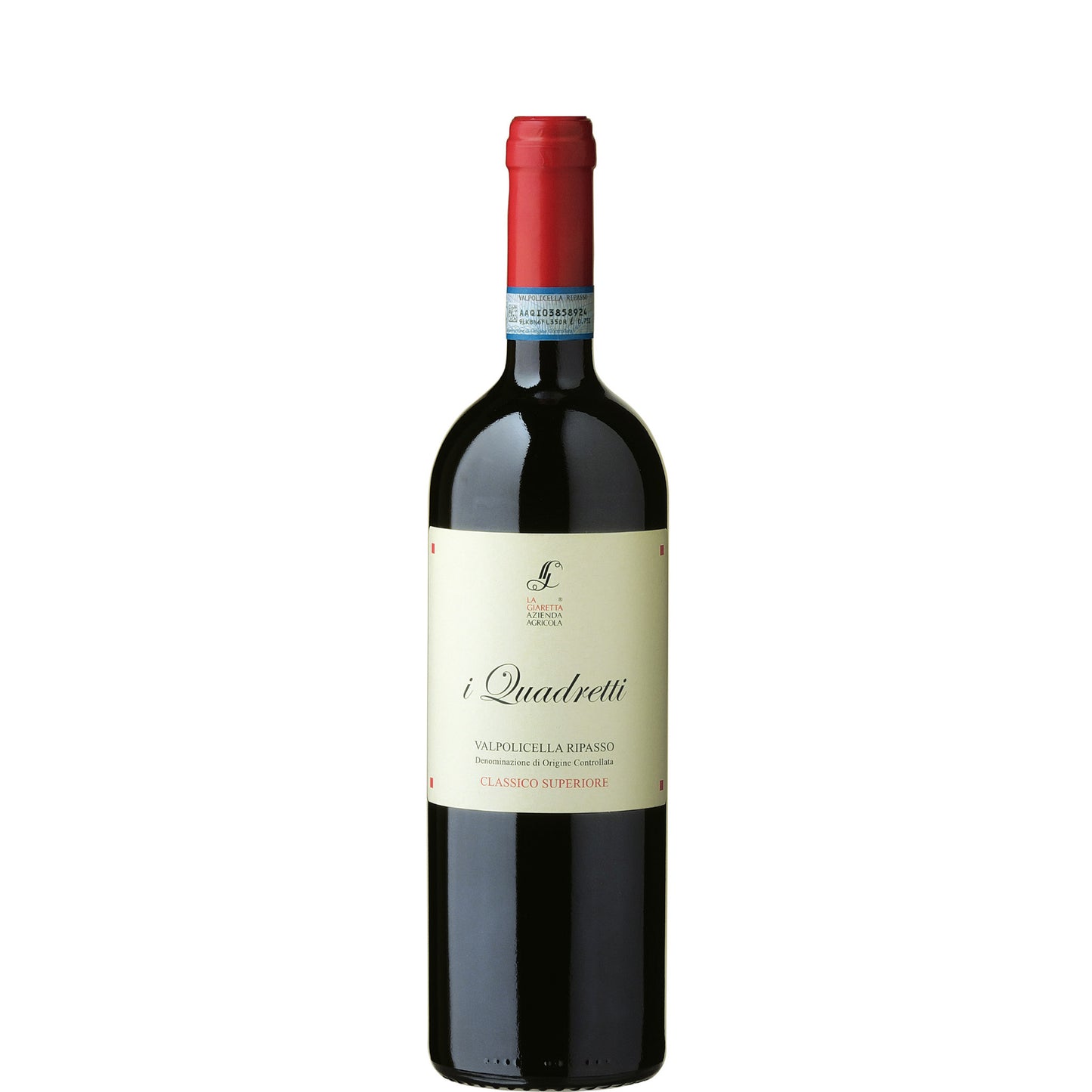
La Giaretta, I Quadretti, Valpolicella Ripasso Classico Superiore, 2020
La Giaretta, I Quadretti, Valpolicella Ripasso Classico Superiore, 2020
- 75cl
- 14.5%
- Red Still
- Corvina, Rondinella, Molinara
Couldn't load pickup availability

Optimal drinking window: 2026 - 2032
La Giaretta's I Quadretti represents the ripasso technique at its most compelling. This family estate in the Valpolicella Classico zone takes their young wine and passes it over the warm skins of Amarone, creating something with more depth and concentration than standard Valpolicella but without Amarone's sometimes overwhelming power.
We find this 2020 hitting its stride beautifully now, with the extra richness from the ripasso process bringing cherry and plum fruit into sharp focus alongside dried herbs and sweet spice.
This 2020 is drinking beautifully now, with the primary cherry fruit well-integrated with the secondary spice and herb characters from the ripasso process. Over the next 2-3 years, expect the tannins to soften further whilst the wine develops more tertiary leather and earth notes. It should hold its fruit concentration well until 2030, after which it will gradually move towards a more savoury profile. Unlike Amarone, ripasso is generally best enjoyed within a decade of vintage whilst it retains its fresh fruit character.
Tasting Notes
AppearanceDeep ruby red with garnet hints at the rim, showing the concentration from ripasso.
NoseRipe cherry and plum mingle with dried herbs, particularly rosemary and thyme. There's a lovely lift of sweet spices - cinnamon and clove - alongside subtle leather and earth. The ripasso process adds a gentle raisin character without overwhelming the fresh fruit.
PalateMedium to full-bodied with well-integrated tannins that show the benefit of the extra skin contact. The cherry fruit is concentrated but not jammy, supported by good acidity that keeps everything fresh. Sweet spice carries through from the nose, with a mineral backbone that speaks to the limestone soils.
FinishLong and savoury with persistent herbs and a gentle grip of tannins that invites another sip.
Overall impressionThis is ripasso done with restraint and elegance, showing power without losing the charm that makes Valpolicella so appealing.
Food Pairings
In Veneto, this would be the natural partner for risotto all'Amarone or the region's famous pasta e fagioli, where the wine's richness matches the hearty bean and pasta combination. Locals would also reach for it with brasato - beef braised in red wine - or the area's excellent aged cheeses like Monte Veronese. Game dishes, particularly wild boar with polenta, are another traditional pairing, as the wine's herb notes complement the mountain flavours beautifully.
We think this wine would go well with
Serve at 16-18°C to allow the fruit and spice notes to show properly. A brief decanting of 30 minutes will help integrate the tannins, though it's not essential. Use a medium-sized Burgundy glass rather than a large Bordeaux bowl - the wine has lovely aromatics that benefit from some concentration rather than being dispersed too widely.
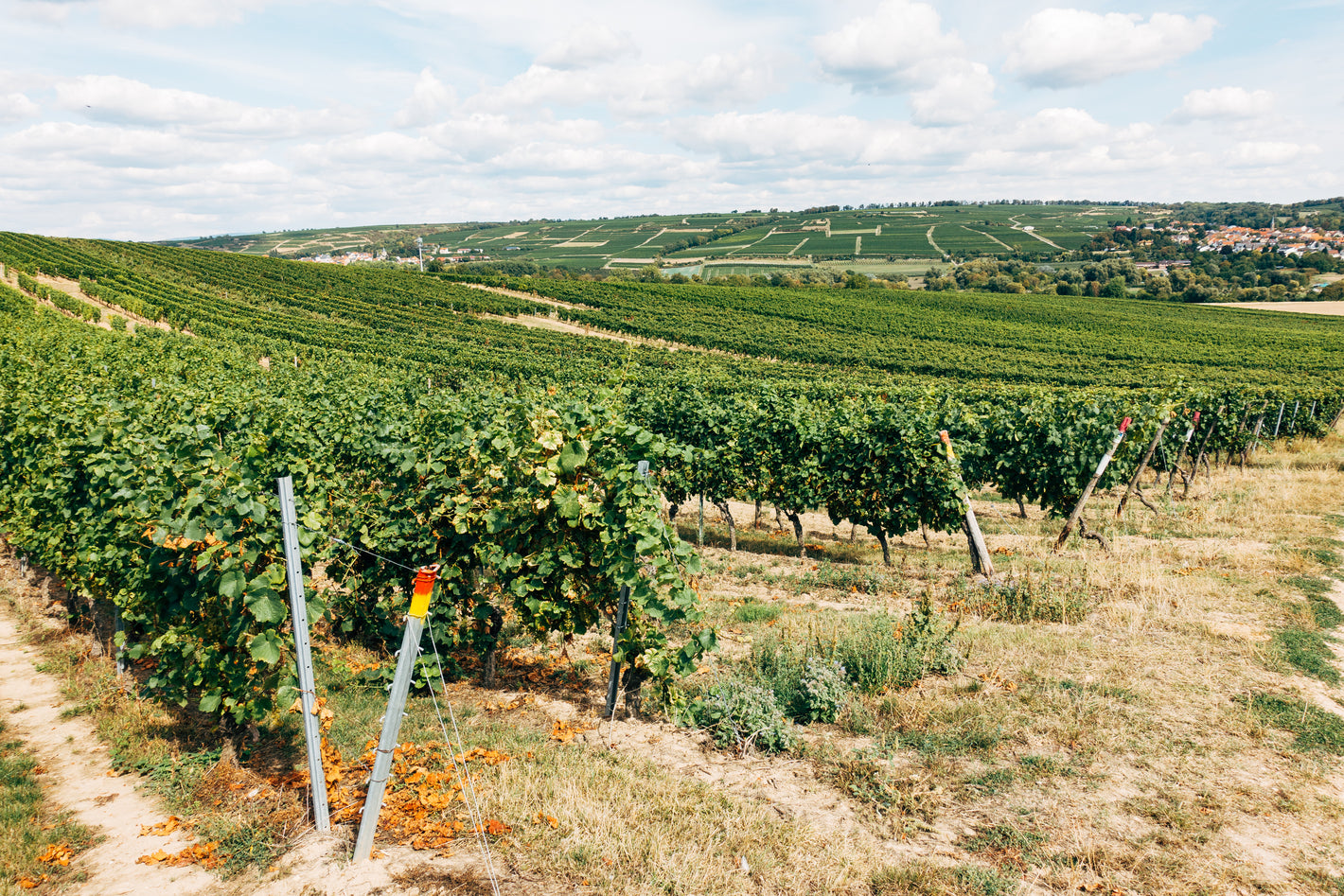
The vineyards sit on the classic Valpolicella terrain of limestone and volcanic soils at 200-300 metres elevation in the Classico zone. The limestone provides excellent drainage while retaining enough moisture for the vines, whilst the volcanic elements add mineral complexity to the wines. The moderate altitude and southern exposure create ideal conditions for the slow ripening that Corvina and Rondinella need to develop their characteristic cherry and herb notes without losing their natural acidity.
Valpolicella Ripasso Classico Superiore represents the middle tier of Valpolicella's hierarchy, sitting between basic Valpolicella and the mighty Amarone. The ripasso method involves passing young Valpolicella wine over the warm, spent grape skins from Amarone production, creating a second fermentation that adds colour, tannins, and complexity. The Classico zone covers the original five communes where Valpolicella was first made, whilst Superiore indicates higher alcohol and longer ageing than standard versions.
The 2020 vintage in Veneto arrived with textbook timing after a growing season that played by the rules. Spring brought steady, manageable rainfall that set the vines up beautifully, followed by a warm but not scorching summer that allowed for gradual ripening. The harvest unfolded exactly when producers wanted it to, with cool nights preserving freshness while sunny days concentrated flavours without rushing the process.
What emerged was a vintage of surprising polish and immediate charm. The Soaves show crystalline mineral precision alongside ripe stone fruit, while Valpolicella delivers vibrant cherry fruit with structure that doesn't overshadow the joy. Amarone producers found their grapes in superb condition for the crucial drying process, promising wines with both power and finesse. These wines are drinking brilliantly now and should continue rewarding patience until 2030, making 2020 one of those rare vintages that pleases both the impatient and the cellar-builders.
FAQs
What does ripasso mean and how does it affect the wine?
Ripasso involves passing young Valpolicella wine over the warm, spent grape skins from Amarone production, creating a second fermentation that adds colour, body, and complexity whilst keeping the wine more approachable than Amarone itself.
When should I drink this wine?
It's drinking beautifully now and will continue to develop until 2032, making it perfect for enjoying over the next six years whilst it maintains its fruit freshness and develops more complex savoury notes.
What food goes best with Valpolicella Ripasso?
Think hearty Italian comfort food - risottos, pasta with meat sauces, braised beef, or aged cheeses. The wine's richness and herb notes make it perfect for autumn and winter dishes with substantial flavours.
How is this different from regular Valpolicella?
The ripasso process gives this wine more concentration, body, and complexity than standard Valpolicella, with richer fruit flavours and more structured tannins, whilst remaining more approachable than the region's powerful Amarone wines.
Should I decant this wine?
A brief 30-minute decanting will help integrate the tannins and open up the aromatics, though it's perfectly enjoyable straight from the bottle. Serve at 16-18°C in medium-sized wine glasses.
Is this wine worth cellaring?
While it will develop nicely over the next few years, ripasso is generally best enjoyed within a decade of vintage whilst it retains its appealing fruit character, so don't feel you need to wait - it's ready to enjoy now.



What are you looking for tonight? Tell me the occasion, a grape, a region — or just try a suggestion below.
Your recommendations will appear here.
-
-
Speak to one of our Wine Gurus
Speak to a Wine GuruWith years of experience, our team can help you with all your wine buying and selling needs