

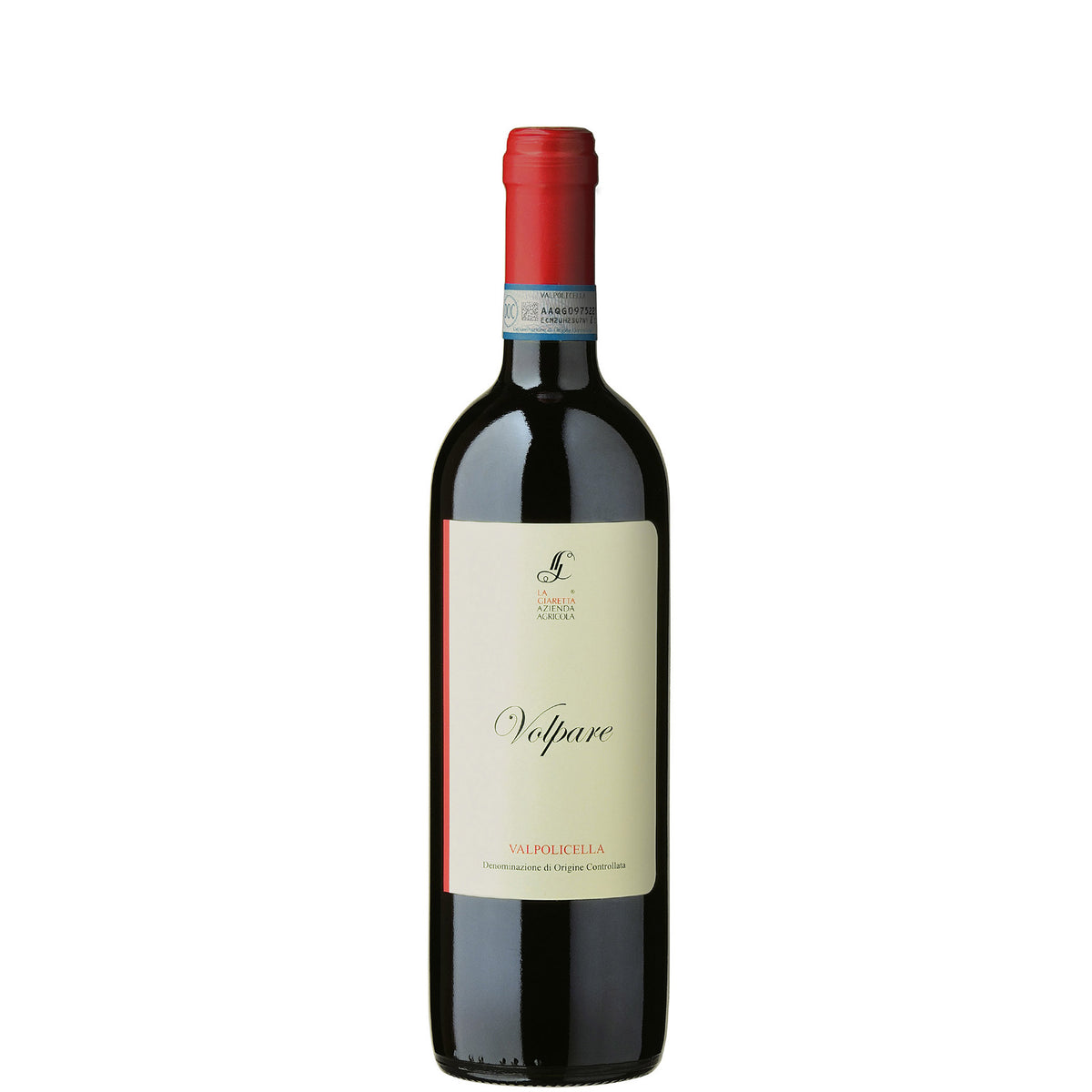
La Giaretta, Volpare Valpolicella, 2024
La Giaretta, Volpare Valpolicella, 2024
- 75cl
- 13%
- Red Still
- Corvina, Rondinella, Molinara
Couldn't load pickup availability

Optimal drinking window: 2026 - 2028
La Giaretta is a small, family-run estate in the heart of the Valpolicella Classica zone, and their Volpare bottling is about as honest an expression of the appellation as you'll find. Made from the classic Veronese triumvirate of Corvina, Rondinella, and Molinara, this is Valpolicella in its purest, most unadorned form: light-bodied, vibrantly acidic, fragrant with sour cherry and alpine herbs, and utterly unconcerned with impressing anyone. That, frankly, is what we love about it.
It's a wine for drinking, not deliberating over. Pour it slightly cool alongside a plate of cold cuts or a simple pasta al pomodoro, and it does exactly what good everyday wine should do: disappear too quickly.
This is a wine already in its sweet spot. The 2024 vintage's primary cherry fruit is vibrant and expressive right now, and that's precisely the moment to drink it. Over the next year or two it will hold steady, perhaps rounding off slightly at the edges, but there's no secondary complexity waiting to emerge — Valpolicella in this style isn't built for transformation.
Tasting Notes
AppearancePale ruby with a translucent, almost garnet-pink rim that speaks to Corvina's naturally light pigmentation.
NoseImmediately fresh and inviting: sour cherry, red plum skin, and dried wild herbs with a faint floral lift. There's a subtle almond bitterness in the background that is very classically Veronese.
PalateLight-bodied and lively, with bright acidity carrying flavours of morello cherry, pomegranate, and a touch of white pepper. The tannins are soft and fine-grained, giving just enough structure without interrupting the wine's easy, juicy flow.
FinishClean and refreshingly bitter at the close, with that characteristic almond-cherry note lingering pleasantly.
Overall impressionA textbook Classica Valpolicella that makes the case for lightness and freshness over everything else.
Food Pairings
Around Verona, this kind of Valpolicella is the everyday table wine, and locals treat it accordingly. It goes alongside thin-sliced salumi and sopressa Vicentina, or a simple risotto all'Amarone for contrast. Pasta with a light meat ragù is a natural match, as is grilled lake fish from nearby Lago di Garda dressed with olive oil and herbs. Perhaps most classically of all, a wedge of Monte Veronese cheese and a glass of this slightly chilled is the sort of lunch the Veneto does better than almost anywhere.
We think this wine would go well with
Serve at 14-15°C — slightly cooler than most reds, which lets the acidity sing and keeps the fruit lively. No need to decant; just open and pour. A standard tulip-shaped red wine glass works perfectly well here; nothing too large, as the wine's delicate aromatics benefit from a little concentration.
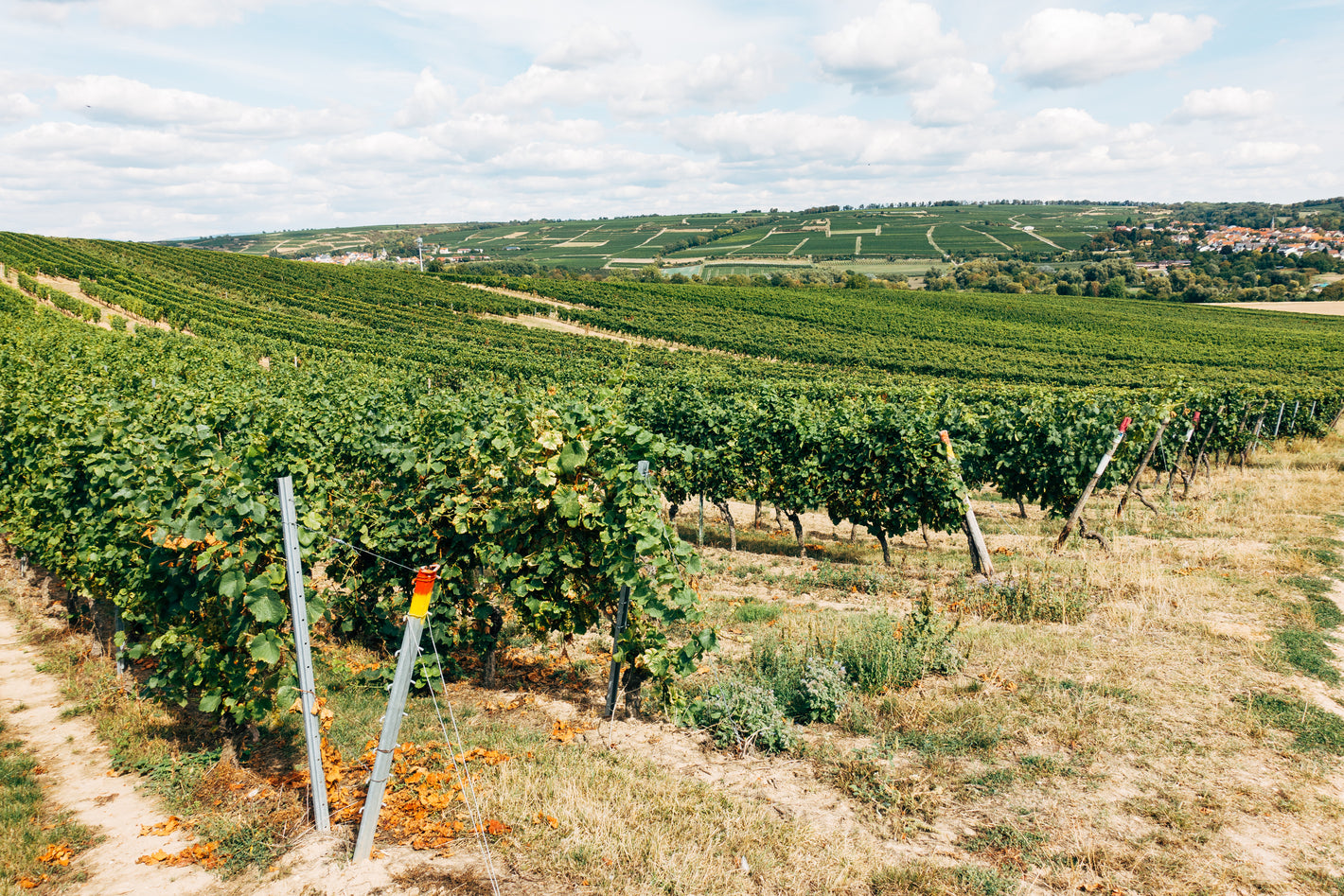
The vineyards around Fumane sit on the hillside slopes of the Classica zone, where limestone and clay soils with good drainage encourage vines to root deeply and produce grapes with natural acidity and aromatic lift. Altitude moderates the warm Veronese summers, preserving the freshness that defines this style. The pergola Veronese training system, still common here, allows good airflow and gentle sun exposure without over-ripening the fruit.
Valpolicella DOC covers a broad swathe of vineyards north and west of Verona, though the Classica subzone — the original heartland around Negrar, Marano, Fumane, Sant'Ambrogio, and San Pietro in Cariano — is where the finest examples originate. The appellation requires a minimum 45% Corvina, with Rondinella and Molinara making up the balance, and produces wines that at their best are light, fragrant, and refreshingly sour. It lives somewhat in the shadow of its richer siblings Amarone and Ripasso, but those who know it well wouldn't swap a chilled glass of proper Valpolicella for either.
The 2024 vintage in Veneto arrived with the kind of weather drama that keeps winemakers checking forecasts obsessively. A warm, dry summer had everyone fretting about concentration levels, but September's cooler temperatures and perfectly timed rainfall rescued what could have been a tricky harvest. The key was timing — those who picked early for Prosecco caught fresh acidity, whilst patient producers waiting for Amarone fruit found their corvina and rondinella developing the intensity they'd been hoping for all season.
What emerged feels like Veneto with the volume turned up — Soave showing more texture than usual, Valpolicella with deeper colour and grip, and Prosecco that fizzes with real personality rather than just bubbles. The reds have structure that suggests they'll age gracefully, though they're drinking well now if you fancy immediate pleasure. We're particularly excited about the Amarone potential from this year's fruit, but you'll need to wait until 2030 to see those properly singing.
FAQs
What does this wine taste like?
Light and refreshing, with sour cherry, pomegranate, and dried herbs carrying a classic Veronese bitter-almond note on the finish. It's bright, honest, and very easy to drink.
When should I drink this wine?
Now. This is not a wine to cellar — it's at its best in 2026 and will stay lively until around 2028.
What food should I serve with it?
Salumi, pasta with a light ragù, grilled vegetables, or a wedge of Monte Veronese cheese. It also works well alongside pizza or simply dressed grilled fish. Think casual, Italian, and unpretentious.
Should I chill this wine?
Yes, slightly. Serve it at around 14-15°C rather than full room temperature. A brief 20 minutes in the fridge before opening makes a real difference to how fresh and lively it tastes in the glass.
How does this compare to Amarone or Ripasso?
Think of them as entirely different wines that happen to share the same grapes. Amarone is rich, concentrated, and serious; Ripasso sits somewhere in the middle. This Valpolicella is lighter, fresher, and more food-friendly — and at a fraction of the price, it's arguably more versatile for everyday drinking.



What are you looking for tonight? Tell me the occasion, a grape, a region — or just try a suggestion below.
Your recommendations will appear here.
-
-
Speak to one of our Wine Gurus
Speak to a Wine GuruWith years of experience, our team can help you with all your wine buying and selling needs