
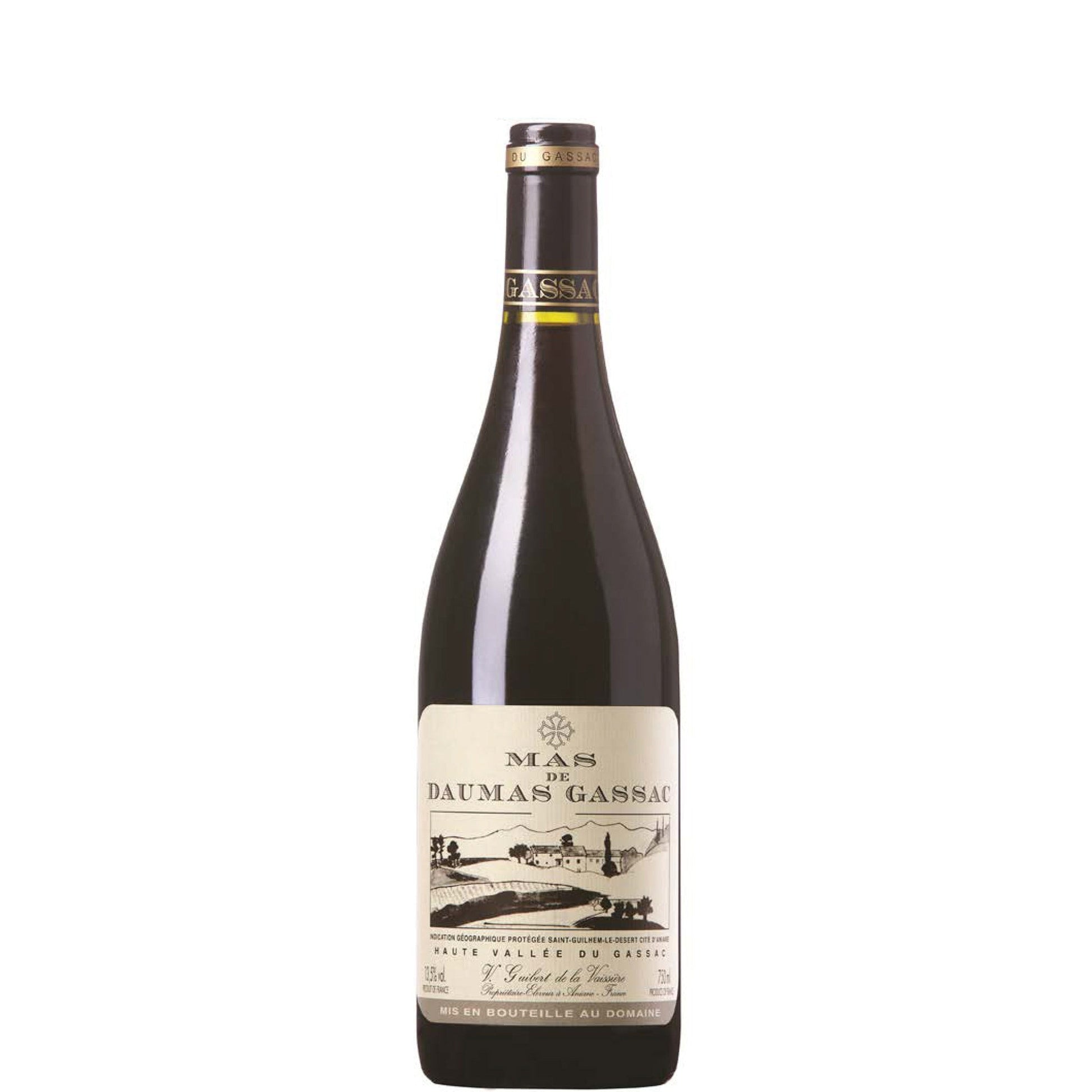
Mas de Daumas Gassac, Rouge, 2022
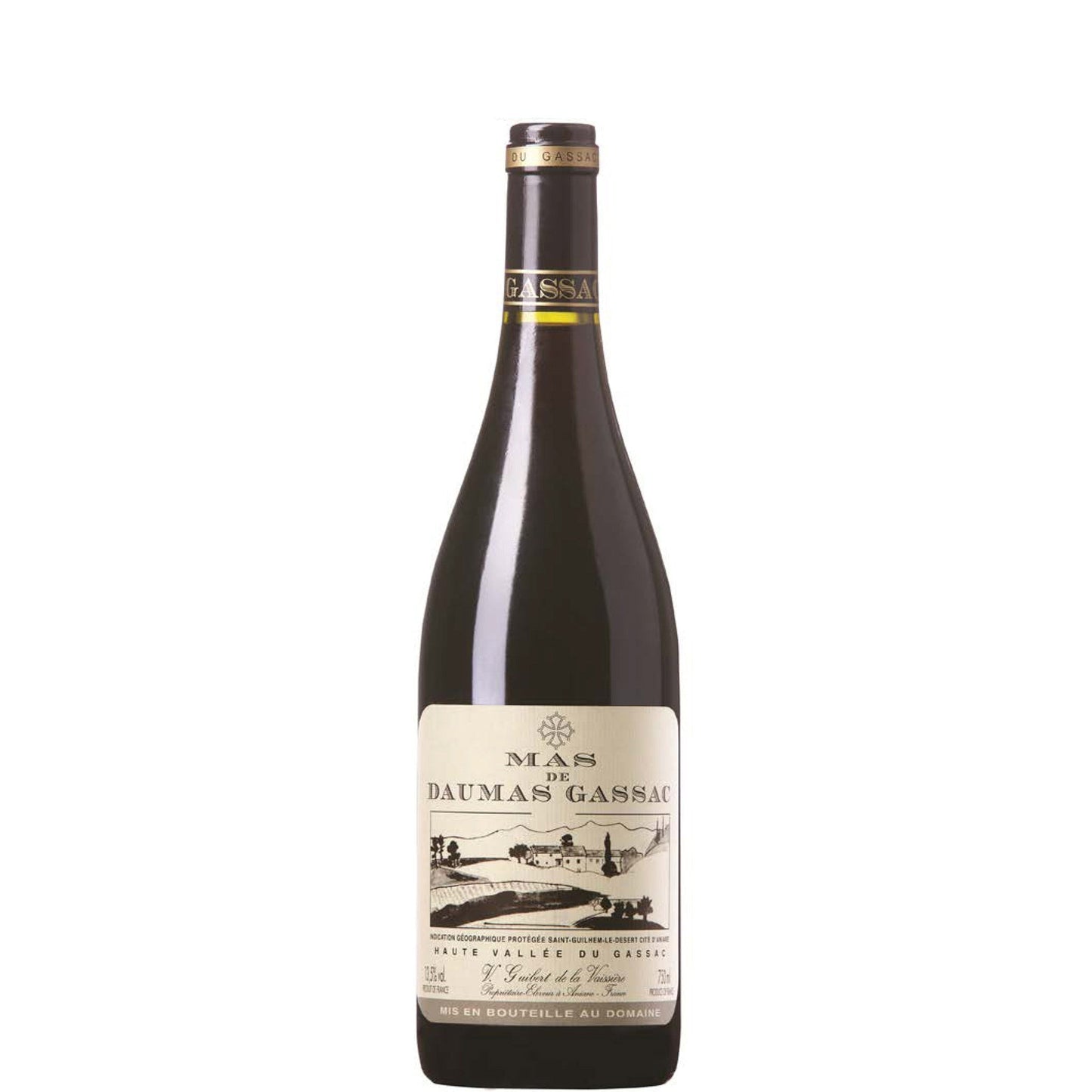
Mas de Daumas Gassac, Rouge, 2022
- 75cl
- 13.5%
- Red Still
- Cabernet Franc, Cabernet Sauvignon, Malbec, Merlot, Pinot Noir, Tannat
- Organic
Couldn't load pickup availability

Optimal drinking window: Now - 2037
Mas de Daumas Gassac has been the maverick of the Languedoc since Aimé Guibert planted Cabernet Sauvignon in this wild corner of Hérault in the 1970s. The family's 2022 Rouge shows exactly why this estate earned the nickname 'the Lafite of the Languedoc' — though we think it's rather more interesting than that suggests.
This is a serious, structured blend built around 76% Cabernet Sauvignon with six other varieties adding layers of complexity. Redcurrant and black cherry fruit meets cedar and violet florals, all carried on bright acidity and fine tannins that speak of both concentration and refinement.
Currently showing primary fruit character with vibrant cherry and redcurrant flavours supported by fresh acidity and fine tannins. Over the next 2-3 years, the seven-grape blend will integrate further, developing more complex secondary notes of leather, tobacco, and earth. The wine should reach its peak drinking window around 2029-2034, when fruit and structure achieve perfect harmony. After 2036, the bright fruit may begin to fade, though the wine's underlying structure suggests graceful ageing potential beyond that point.
What the critics say:
"Ripe redcurrant, black cherry, dried herb, cedar wood and leafy nuances introduce the 2022 Rouge. Freshly cut violets add a floral layer. Refined and savory, the 2022 hits the palate with good concentration and vivid inner energy. Structured and complex, this is a serious red from the Guibert family."
"A well-crafted, lively, layered and flavorful blend of 76% cabernet sauvignon, 5% tannat, 4% merlot, 4% pinot noir, 4% petit verdot, 4% syrah and 3% cabernet franc. On the nose aromas of cherries, warm herbs, forest berries, straw, bark, earth and some dried mushroom. It’s medium-bodied with fine tannins. Precise and well driven with such succulence to the center, thanks to bright acidity and purity of fruit. Refined and transparent. Long finish. Drink or hold."
Tasting Notes
AppearanceDeep ruby with purple highlights, showing the wine's youth and concentration.
NoseRipe redcurrant and black cherry announce themselves first, followed by dried herbs and cedar wood from careful oak ageing. Freshly cut violets add an elegant floral layer that lifts the darker fruit. Subtle leafy nuances and forest floor notes hint at the wine's complexity.
PalateMedium-bodied but with serious concentration and vivid inner energy that drives through the palate. Fine tannins provide structure without overwhelming the bright fruit, while crisp acidity keeps everything precise and transparent. The seven-grape blend creates fascinating layers, with each variety contributing to the wine's succulence and depth.
FinishLong and refined, with cedar spice and dark fruit persistence that lingers beautifully.
Overall impressionA serious, sophisticated red that showcases why Daumas Gassac has earned its legendary reputation in the Languedoc.
Food Pairings
In the Languedoc, this would grace tables alongside slow-braised daube de bœuf, the region's famous beef stew enriched with local herbs and olives. Wild boar from the garrigue, grilled over vine prunings with rosemary and thyme, makes another classic pairing. Local cheeses like aged Roquefort or creamy Pélardon from nearby Cévennes complement the wine's structure beautifully. The traditional cassoulet from neighbouring Toulouse, with its rich duck confit and Tarbais beans, would be magnificent with this wine's complexity and acidity.
We think this wine would go well with
Serve at 16-18°C to allow the wine's aromatics to fully express themselves. Decant for 30-60 minutes to soften the tannins and integrate the seven-grape blend, though it's approachable straight from the bottle. Use large Bordeaux-style glasses to capture the wine's complex bouquet. If cellaring, store horizontally in a cool, dark place away from vibration.
The vineyards lie in an enchanted valley near the romanesque abbey of Saint-Guilhem-le-Désert, blessed with deep, well-drained soils that have never seen chemical fertilisers. The wild, untamed landscape provides natural biodiversity and protection from the Languedoc's intense heat. These ancient soils, combined with the valley's unique microclimate, allow even Pinot Noir to thrive alongside Mediterranean varieties. The terroir's complexity mirrors the ambitious blend, with each grape finding its perfect expression in different parcels across the estate.
Languedoc represents the new frontier of southern French winemaking, free from the rigid restrictions of more traditional appellations. Here, innovative producers like Daumas Gassac can blend international varieties with local grapes, creating wines that would be impossible in Bordeaux or Burgundy. The region's warm, dry climate and diverse soils have attracted quality-focused vignerons who prioritise expression over convention. While Languedoc produces vast quantities of everyday wine, estates like Daumas Gassac prove the region's potential for world-class complexity.
The 2022 vintage in Languedoc arrived after a punishing summer that tested even the most experienced vignerons. Extreme heat and drought stressed the vines throughout much of the growing season, forcing growers to make careful decisions about irrigation and harvest timing. Those who picked early captured freshness before the heat could strip away acidity, whilst others who waited found their fruit concentrated but sometimes cooked.
What emerged was a vintage of two faces: at its best, 2022 produced wines with remarkable intensity and concentration, particularly amongst the reds where Syrah and Grenache thrived in the heat. The wines show ripe, sun-baked character with powerful fruit, though the finest examples retained enough backbone to age gracefully. We're drinking them now with real pleasure, though the structured reds will reward patience over the next five to eight years. Not every producer navigated the challenging conditions successfully, making careful selection more important than usual.
FAQs
What does this wine taste like?
Black cherry and redcurrant with violet florals, cedar spice, and bright acidity. It's structured yet refined, with layers of complexity from the seven-grape blend.
When should I drink this wine?
Delicious now but will reward patience. It's drinking beautifully through 2036, with peak complexity expected around 2029-2034.
What food pairs well with this wine?
Perfect with braised beef, wild game, or rich stews. The wine's structure and acidity make it excellent with aged cheeses and herb-crusted roasts.
Should I decant this wine?
Yes, decant for 30-60 minutes to allow the complex blend to integrate and the tannins to soften. Serve at 16-18°C in large wine glasses.
Is this wine worth cellaring?
Absolutely. This is built for ageing and will develop beautiful secondary complexity over the next decade. Store in a cool, dark place.
Why is Daumas Gassac so famous?
The Guibert family pioneered serious winemaking in the Languedoc, creating Bordeaux-quality wines in the south of France. Their ambitious blends and pristine viticulture have earned cult status among wine lovers.
Explore related wines


What are you looking for tonight? Tell me the occasion, a grape, a region — or just try a suggestion below.
Your recommendations will appear here.
-
-
Speak to one of our Wine Gurus
Speak to a Wine GuruWith years of experience, our team can help you with all your wine buying and selling needs