

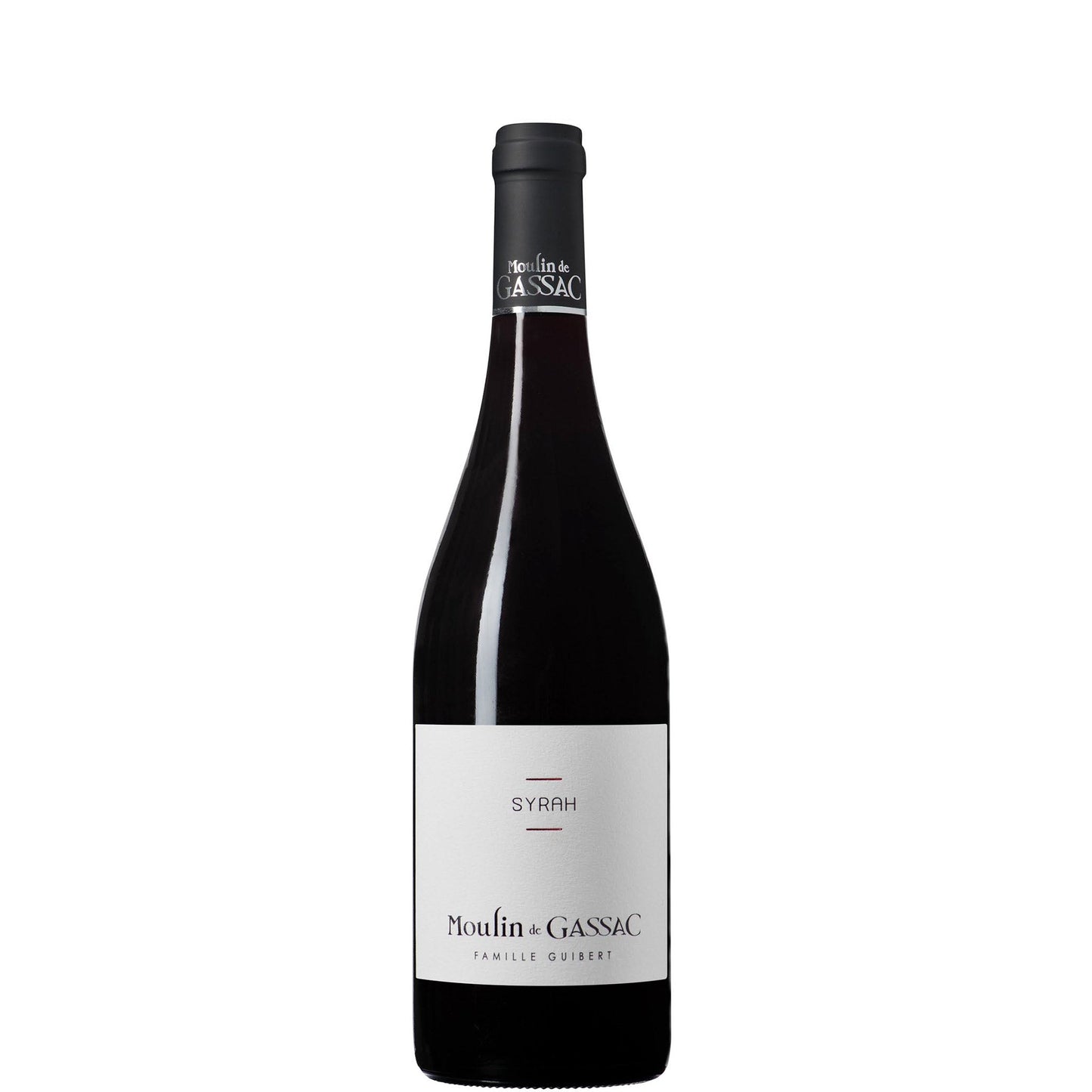
Moulin De Gassac Syrah, 2023
Moulin De Gassac Syrah, 2023
- 75cl
- 13.5%
- Red Still
- Syrah
- Organic
Couldn't load pickup availability

Optimal drinking window: 2026 - 2031
Moulin de Gassac is the second label of Mas de Daumas Gassac, the Languedoc estate that rather cheekily earned itself the nickname 'the Lafite of the Languedoc' back in the 1970s. This Syrah is a different beast to the grand vin - more immediate, more generous, but it carries the same serious intent and the same sun-drenched, garrigue-scented personality that makes this corner of southern France so compelling.
The 2023 is a robust, full-throated red: dark berry fruit, cracked black pepper, and a streak of woodsmoke running through it. The tannins have grip but not aggression, and the finish lingers in that satisfying, slow-burning way. Drink it from now until 2031, ideally alongside something off the grill.
Right now, the 2023 is in its primary phase — fruit-forward, a little assertive on the tannins, but already very drinkable with food. Over the next two to three years, those tannins will soften and the fruit will integrate more seamlessly with the savoury, peppery backbone. Peak drinking is probably somewhere between 2027 and 2029, when everything should be in balance. After 2031, the fruit is likely to start fading faster than secondary complexity can compensate — this is not a wine to chase for decades.
Tasting Notes
AppearanceDeep ruby-purple, dense at the core and clear at the rim.
NoseDark plum and blackberry lead, with cracked black pepper and a thread of cured meat — unmistakably Syrah from warm ground. There's a garrigue-like scrubby herb quality underneath that roots it firmly in the Languedoc.
PalateFull-bodied and structured, with firm tannins that grip without biting. The fruit is dark and ripe but not overblown, backed by woodsmoke and a mineral dryness that keeps the whole thing honest.
FinishLong, savoury, and peppery — it fades slowly and leaves you thinking about the next sip.
Overall impressionA seriously characterful Languedoc Syrah at a price that makes it almost unfair on the competition.
Food Pairings
In the Languedoc, this kind of Syrah is made for the table — specifically for the kind of table that has a cast-iron pot at the centre of it. Think daube de boeuf slow-cooked with olives and orange peel, or grilled lamb chops rubbed with herbes de Provence straight off a charcoal grill. Wild boar stew is a classic local pairing, as is magret de canard with a black olive tapenade. A well-aged Comté or Pélardon goat's cheese wouldn't go amiss either.
We think this wine would go well with
Serve at around 17°C — too warm and the alcohol will dominate, too cool and the tannins close up. Give it 30 to 45 minutes in a decanter to open up; the fruit and pepper aromatics genuinely improve with a little air. A large-bowled Syrah or Rhône-style glass works best, giving the wine room to breathe and the pepper notes somewhere to go.
The vineyards sit in the Gassac valley, near Aniane, in the Hérault department of the Languedoc. The soils are exceptional for the south: glacial deposits of powdery red clay over deep, cool subsoils, which slow ripening and preserve freshness in a climate that can otherwise cook grapes into submission. Altitude and forest cover on three sides moderate the heat, giving the wines a structure rarely seen this far south.
Moulin de Gassac is classified as IGP (Indication Géographique Protégée) Saint-Guilhem-le-Désert, which sits within the broader IGP Pays d'Hérault framework. The IGP designation gives producers like Mas de Daumas Gassac the freedom to plant and blend outside the stricter rules of the nearby Languedoc AOP appellations — ironically, it was this flexibility that allowed Aimé Guibert to plant Cabernet Sauvignon and build one of the south's most celebrated estates. The region's southern position means wines tend toward richness and ripeness, though altitude and soil can temper that considerably.
The 2023 vintage in Languedoc tells the familiar story of a region learning to dance with climate extremes. Spring brought welcome relief after several parched years, with decent rainfall replenishing soils across the sprawling appellations from Corbières to Pic Saint-Loup. Summer heat arrived predictably but without the punishing intensity that has marked recent vintages, allowing the vines to ripen fruit rather than simply survive.
What emerged from the cellars feels like Languedoc finding its modern voice — wines that marry the region's sunny generosity with genuine freshness. The reds show lovely immediacy, particularly Syrah and Grenache blends that deliver spice and dark fruit without the jammy weight that can plague warmer years. We're drinking the early releases now with real pleasure, though the better cuvées will happily cellar for five to eight years. It's a vintage that reminds us why this vast region continues to punch above its weight — honest, expressive wines that don't need to shout to be heard.
FAQs
What does the Moulin de Gassac Syrah taste like?
Dark plum and blackberry with cracked black pepper, smoked meat, and a scrubby, herbal quality. The tannins are firm and the finish is long and savoury — this is a serious, structured red, not a soft and easy one.
When should I drink this wine?
It's enjoyable now, especially alongside food. It should drink well until around 2031, with a sweet spot somewhere around 2027 to 2029 as the tannins settle and everything knits together.
What food should I pair it with?
Grilled lamb, slow-cooked beef stew, wild boar, or anything that's been near a charcoal grill. The pepper and savoury notes in the wine love charred, fatty, or herb-rubbed meats. Strong aged cheese works too.
Should I decant it?
Yes. Thirty to 45 minutes in a decanter makes a noticeable difference — the fruit opens up and the pepper aromatics come into focus. Serve at around 17°C rather than room temperature.
How does Moulin de Gassac relate to Mas de Daumas Gassac?
Moulin de Gassac is the second label from the same estate — same land, same serious philosophy, but made for earlier drinking and at a friendlier price. The grand vin is Cabernet Sauvignon-based and built for the cellar; this Syrah is more immediate but still has real character and structure.
Is this wine worth buying by the case?
At this price point, a solid Languedoc Syrah with this much personality and a name like Daumas Gassac behind it? We think so. It will hold comfortably for five years and drinks brilliantly with the kind of food you want to eat regularly.


What are you looking for tonight? Tell me the occasion, a grape, a region — or just try a suggestion below.
Your recommendations will appear here.
-
-
Speak to one of our Wine Gurus
Speak to a Wine GuruWith years of experience, our team can help you with all your wine buying and selling needs